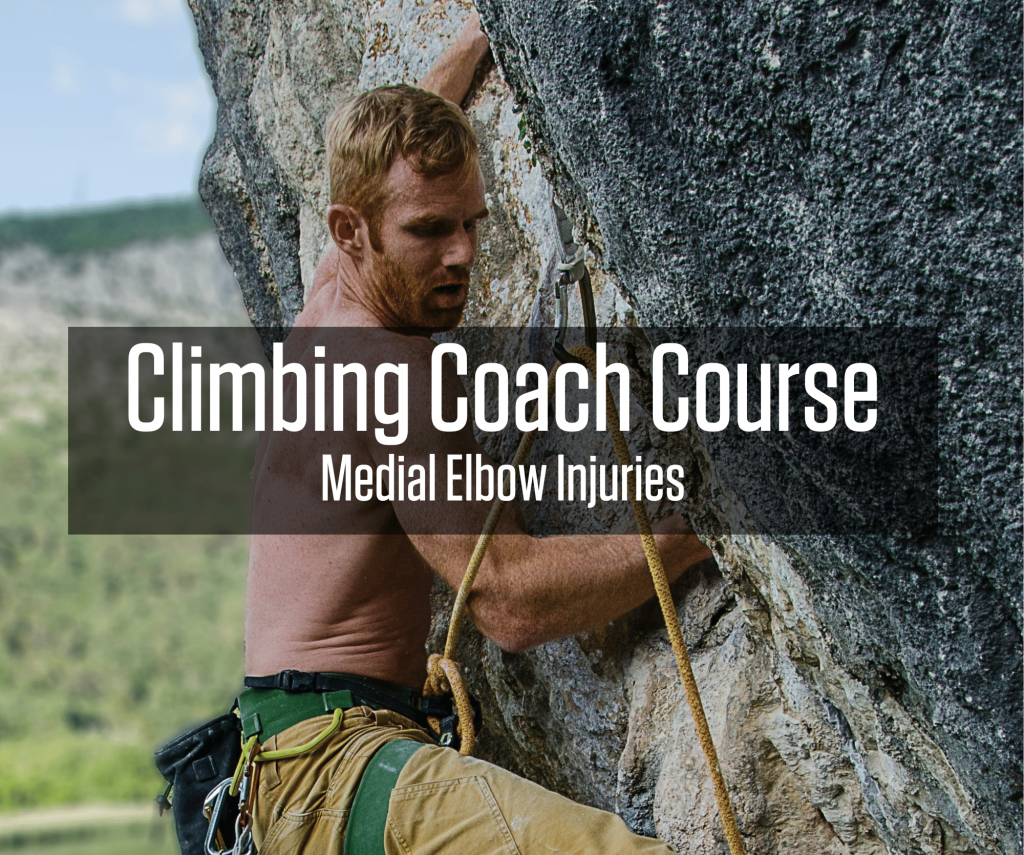
Imagine this: You’re halfway up a challenging climb, the adrenaline is pumping, and the view is breathtaking. But suddenly, a sharp pain shoots through your hand or foot, and you’re forced to stop.
Climbing injuries can happen in an instant, turning an exhilarating adventure into a frustrating setback. You want to climb higher, push your limits, and experience the thrill of the ascent without the fear of injury holding you back. Knowing how to prevent climbing injuries is not just about keeping you safe; it’s about enhancing your performance and climbing with confidence.
In this guide, you’ll discover practical tips and strategies to protect your body, allowing you to focus on what you love—climbing. Keep reading to ensure your climbing adventures remain injury-free and as exciting as ever.
Credit: www.powercompanyclimbing.com
Warm-up Techniques
Climbing injuries are common, but many are preventable with proper warm-up techniques. Warming up prepares the body for the demands of climbing. It increases blood flow, enhances flexibility, and reduces injury risk. Proper warm-up routines focus on muscle activation and joint readiness.
Dynamic Stretching
Dynamic stretching involves active movements that stretch muscles gently. These stretches warm the muscles and improve range of motion. Perform dynamic stretches before climbing to activate key muscle groups.
- Leg swings can help in loosening the hips and legs.
- Arm circles prepare the shoulders and arms for climbing.
- Torso twists improve flexibility in the back and core.
Joint Mobilization
Joint mobilization focuses on preparing joints for movement. It involves exercises that enhance joint flexibility and function. Mobilized joints are less prone to stiffness or injury.
- Wrist circles help in increasing wrist flexibility.
- Ankle rolls prepare the ankles, crucial for footwork.
- Elbow bends ensure the elbows are ready for strain.
Incorporate these warm-up techniques into your routine. Stay safe and enhance your climbing experience.
Strength Building
Strength building is key to preventing climbing injuries. Focus on exercises that enhance flexibility and improve core stability. Regular practice of these exercises helps maintain balance and reduces the risk of strains.
Strength Building is key to preventing climbing injuries. Strong muscles support your body and improve your climbing technique. Focus on building strength in specific areas like your core and grip. These are vital for maintaining balance and control while climbing.Core Exercises
A strong core keeps your body stable. It helps maintain balance on the wall. Incorporate exercises like planks and Russian twists. These enhance your core strength effectively. Regular practice strengthens the muscles around your spine. Consider adding leg raises to your routine. They target your lower abdominal muscles. This helps improve your overall climbing posture.Grip Strengthening
Grip strength is crucial for climbers. It helps you hold onto holds and edges confidently. Train your grip with exercises like hangboarding. This builds endurance and finger strength. Use a stress ball or grip trainer. These tools enhance hand and finger muscles. Regular training improves your ability to hold on longer. Incorporate pull-ups to boost your grip strength. They also strengthen your arms and shoulders. This makes climbing smoother and safer.Proper Technique
Climbing is an exhilarating sport that demands not only strength and endurance but also a keen understanding of proper technique. Mastering the right techniques can significantly reduce the risk of injury and enhance your performance on the wall. Whether you’re scaling indoor walls or tackling outdoor rock faces, focusing on fundamental aspects like foot placement and body positioning can make all the difference.
Foot Placement
Think about how your feet interact with the rock or wall. Are you maximizing your grip? Proper foot placement is crucial for stability and efficiency. Ensure your toes, rather than your heels, are the main contact points; this allows for greater control and precision. Consider the angle of your foot—keeping it horizontal often offers better support than a vertical position.
- Experiment with different foothold positions to find what feels secure.
- Use the edge of your shoe to gain more surface area contact.
- Practice smearing on slabs to improve friction and grip.
Remember, the right footwork can transform a challenging route into a manageable one. Have you noticed how professional climbers make it look effortless? It’s all about footwork.
Body Positioning
Your body positioning can either aid your climb or hinder it. Aligning your center of gravity with the wall helps you maintain balance and reduces muscle fatigue. Consider how you distribute your weight—are you leaning too far back or hugging too close to the wall?
- Engage your core to stabilize yourself.
- Utilize your hips to shift your weight and conserve energy.
- Keep your arms straight when possible to reduce strain.
Next time you climb, pay attention to how small adjustments in your body positioning affect your performance. Feel the shift in balance and efficiency—it’s a game-changer. How can you tweak your stance to climb smarter, not harder?

Credit: mapleclinic.ie
Use Of Equipment
Climbing is an exhilarating sport that challenges both your body and mind. However, to enjoy it safely, using the right equipment is crucial. Investing time in understanding and choosing the proper gear can prevent injuries and enhance your climbing experience. Each piece of equipment has its unique role, and knowing how to use them effectively is key. Let’s explore some essential aspects of climbing equipment safety.
Harness Safety
Your harness is your lifeline when climbing, so ensuring its safety is non-negotiable. Always double-check the fit; a loose harness can lead to dangerous slips, while one that’s too tight can cause discomfort and restrict movement.
Inspect the buckles and straps before each climb. Look for signs of wear or damage, as these can compromise your safety. A friend once overlooked a frayed buckle, which could have led to a serious accident had it not been caught in time. Learn from this and make inspections a habit.
Consider the type of climbing you do. Different harnesses cater to different needs, whether it’s sport climbing, trad climbing, or alpine adventures. Are you using the right harness for your climbing style?
Shoe Selection
Choosing the right climbing shoes can significantly impact your performance and safety. It’s tempting to go for the tightest fit for precision, but balance this with comfort to prevent foot injuries.
Think about the type of climbing you’ll be doing. Sticky rubber soles offer great grip for bouldering, while stiffer shoes might be better for multi-pitch climbs. Do your shoes match your climbing environment?
Regularly assess the condition of your climbing shoes. Worn-out soles or damaged uppers can lead to slips and falls. Take the time to maintain them, and they will support you in every climb.
Are you making the most of your climbing equipment? By paying attention to harness safety and shoe selection, you can climb more confidently and safely. Remember, the right equipment not only protects you but also helps you push your limits. Dive into these details, and you’ll enjoy climbing with peace of mind.
Rest And Recovery
Adequate rest is essential to prevent climbing injuries. Muscles need time to recover and rebuild after intense activity. Incorporating regular rest days ensures strength retention and reduces the risk of overuse injuries.
Rest and Recovery are crucial elements in preventing climbing injuries. It’s easy to overlook these aspects when you’re eager to hit the rocks again, but taking time to let your body heal can be the difference between a healthy climb and a painful setback. By understanding the importance of rest and how to recover effectively, you can keep climbing safely and improve your overall performance.Rest Days
Making sure to include rest days in your climbing schedule is essential. Your muscles need time to repair and strengthen after intense climbing sessions. Skipping rest days can lead to fatigue, which increases the risk of injury. Consider scheduling at least one full day of rest after a particularly strenuous climb. This allows your body to recover and reduces the chance of overuse injuries. Listening to your body is key; if you feel exhausted, it’s okay to take an extra day off. Think about how you feel after a rest day. Often, you’ll notice improved energy levels and better performance when you return to climbing. Isn’t that worth a day off?Post-climb Care
Proper post-climb care can significantly reduce injury risks. Immediately after climbing, engage in light stretching to help your muscles relax and prevent stiffness. This simple routine can make a big difference. Apply ice packs to any areas that feel sore or strained. This helps reduce inflammation and speeds up recovery. It’s a small action that delivers big results. Hydration is another critical aspect of post-climb care. Drinking plenty of water helps your muscles recover and prevents cramping. Remember, your body has worked hard; give it the fuel it needs. Are there any post-climb rituals you swear by? Sharing tips with fellow climbers can enhance your recovery routine and keep everyone safe.
Credit: www.theclimbclinic.com
Nutrition And Hydration
Proper nutrition fuels muscles, aiding recovery and strength. Adequate hydration maintains joint flexibility, reducing injury risks during climbing.
Nutrition and hydration play a crucial role in preventing climbing injuries. Proper nutrition fuels the body, providing essential nutrients for muscle repair and recovery. Hydration ensures that your muscles stay flexible and responsive during climbs. Both are key to maintaining energy levels and reducing the risk of injury.Balanced Diet
A balanced diet is vital for climbers. It should include proteins, carbohydrates, and healthy fats. Proteins help repair muscles after intense climbs. Carbohydrates provide the energy needed to sustain long climbing sessions. Healthy fats are important for joint health and brain function. Include fruits and vegetables for vitamins and antioxidants. They aid in reducing inflammation and boosting immunity.Hydration Tips
Hydration is essential for muscle function and overall performance. Drink water regularly throughout the day. Before climbing, ensure you are well-hydrated. Carry a water bottle during climbs. Sip water during breaks. Consider electrolyte drinks for intense climbing sessions. These replenish essential minerals lost through sweat. Avoid caffeine and alcohol as they dehydrate the body.Mental Preparation
Mental preparation is essential for preventing climbing injuries. Focus on building confidence and staying calm under pressure. Visualization techniques can help anticipate challenges and plan safe maneuvers.
Mental preparation is a crucial aspect of preventing climbing injuries that often gets overlooked. Your mind is as important as your muscles when tackling challenging climbs. It’s not just about physical strength but also mental resilience. How can you ensure your mind is as ready as your body?Focus Techniques
Staying focused during a climb can significantly reduce the risk of injuries. One practical method is setting small, achievable goals for each session. This keeps you engaged and sharp. Visualize every move before executing it—this mental rehearsal can enhance actual performance. Another effective technique is mindfulness. Pay close attention to your breathing and the sensations in your body. This helps you stay present and aware of your surroundings.Stress Management
Stress can cloud your judgment and lead to mistakes. Recognizing stress triggers before a climb can be a game-changer. Is it the height? The difficulty level? Identifying these can help you manage them better. Consider incorporating relaxation techniques like deep breathing exercises or meditation into your pre-climb routine. These methods calm your mind and prepare it for the challenges ahead. Sharing your climbing concerns with fellow climbers can also alleviate stress. Discussing strategies or fears can make you feel supported and reduce anxiety. How do you maintain mental clarity and manage stress while climbing?Recognizing Warning Signs
Spotting early signs of fatigue and discomfort can help prevent climbing injuries. Listen to your body and take breaks when needed. Adjust your climbing technique to avoid stress on joints and muscles.
Recognizing Warning Signs Understanding the early signals your body sends can be the difference between a minor strain and a major injury. Climbing demands a unique blend of strength, endurance, and mental focus. It’s crucial to be aware of what your body is telling you during each climb.Pain Signals
Pain is your body’s way of saying something isn’t right. If you feel sharp, localized pain, it’s time to pause. Does the pain persist even after rest? This could be an indication of a deeper issue. Pay attention to pain that worsens with specific movements. This might suggest tendonitis or a muscle strain. Listen to your body and don’t ignore these signals. Ignoring pain can lead to prolonged recovery periods.Fatigue Indicators
Fatigue can sneak up on you, especially during long climbs. Are you struggling to grip holds that are usually easy for you? This is a clear sign of muscle fatigue. Notice if your focus starts to wane. Mental fatigue can be just as dangerous as physical exhaustion. When your mind is tired, your decision-making skills can falter, leading to risky moves. Consider how quickly you tire compared to your usual performance. If fatigue sets in faster, it might be time to reassess your training and recovery routines. Are you giving your body enough rest?Frequently Asked Questions
What Are Common Climbing Injuries?
Climbing injuries often include sprains, strains, and tendonitis. Finger, shoulder, and elbow injuries are common. Overuse and improper technique can lead to these issues. Maintaining proper form and gradually increasing intensity helps prevent injuries.
How Can I Strengthen My Climbing Muscles?
Strengthening muscles can prevent injuries. Focus on core, fingers, and forearms. Use resistance bands and bodyweight exercises. Incorporate pull-ups and dead hangs to enhance grip strength. Consistent practice improves muscle endurance and reduces injury risk.
Why Is Stretching Important Before Climbing?
Stretching before climbing prepares muscles for intense activity. It enhances flexibility, reducing injury risk. Stretching increases blood flow to muscles, improving performance. Focus on fingers, wrists, shoulders, and hips. Regular stretching keeps muscles agile and less prone to injury.
How Does Proper Technique Prevent Injuries?
Proper technique ensures muscle balance and reduces stress on joints. Use your legs more than your arms to climb. Engage your core to stabilize movements. Avoid overextending limbs. Regular technique practice reduces injury risks and enhances climbing efficiency.
Conclusion
Preventing climbing injuries requires focus and preparation. Warm up before every climb. Stretching is essential. Use proper gear to stay safe. Always check equipment for damage. Listen to your body’s signals. Rest when needed to avoid strain. Practice good techniques consistently.
Stay hydrated to maintain energy levels. Climb with a partner for added safety. Learn from experienced climbers. Knowledge is key in avoiding accidents. Stay informed about climbing safety tips. Keep climbing fun and injury-free with these steps. Prioritize safety for a better climbing experience.
Remember, prevention is better than cure. Enjoy climbing confidently and safely.