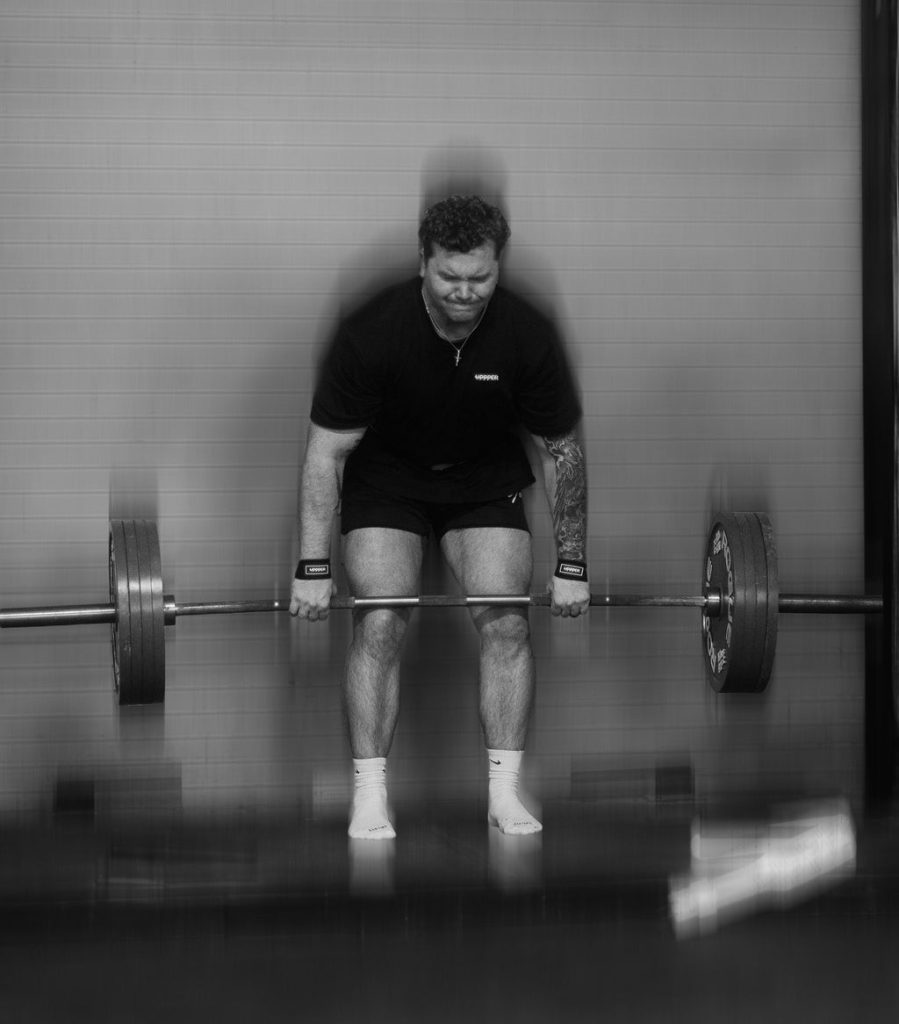
Are you tired of feeling anxious every time you approach the barbell for a deadlift? You’re not alone.
Deadlifting is a powerful exercise that builds strength and confidence, but it can also lead to injury if not done properly. The last thing you want is to be sidelined by a preventable mistake. Imagine lifting with peace of mind, knowing that you’re using the best techniques to protect your body.
In this guide, you’ll discover effective strategies to keep you safe and strong, so you can focus on achieving your fitness goals without the fear of injury holding you back. Dive in and learn how to deadlift with confidence and safety.
Credit: www.lemon8-app.com
Proper Form And Technique
Deadlifting is a powerhouse exercise for building strength, but improper form can lead to serious injuries. Understanding the nuances of proper form and technique is crucial to ensure you lift safely and effectively. By focusing on key elements like spine alignment, grip, and foot placement, you can significantly reduce your risk of injury while maximizing your gains.
Neutral Spine Alignment
Maintaining a neutral spine is your first line of defense against injury. Visualize your spine as a straight line from your head to your tailbone, avoiding any rounding or arching. A friend once pointed out my tendency to hunch my back during lifts, and correcting this simple mistake immediately improved my performance and reduced discomfort.
To achieve a neutral spine, engage your core and look slightly ahead. This setup stabilizes your body and keeps the weight balanced. Remember, safety starts with awareness of your body positioning.
Correct Grip Position
The grip you choose can make or break your deadlift experience. An overhand grip is common, but switching to a mixed grip can provide extra stability when lifting heavier weights. I once struggled with grip strength until I discovered the mixed grip technique, which gave me the confidence to increase my weights without fear.
Ensure your hands are equidistant from the center of the bar. This balance prevents unnecessary stress on one side of your body, which could lead to injury. Always check your grip before lifting—it’s a small detail with a big impact.
Foot Placement
Proper foot placement sets the foundation for a strong lift. Your feet should be hip-width apart, and your toes slightly pointed out. This stance offers optimal balance and force distribution during the lift.
I remember the difference it made when I adjusted my foot placement. Suddenly, I felt more grounded and powerful. Ask yourself: does your stance feel stable? If not, make small adjustments until it feels right.
Consider marking your preferred foot position with chalk or tape at the gym. This simple trick can serve as a consistent reminder of your ideal setup, keeping each lift consistent and safe.

Credit: www.instagram.com
Warm-up Exercises
Warm-up exercises are crucial to prevent injuries during deadlifts. They prepare your muscles and joints, enhancing performance and reducing risk. A proper warm-up can be your best ally in achieving a safe and effective workout.
Dynamic Stretching
Dynamic stretching is a vital part of your warm-up routine. It involves active movements that stretch your muscles to their full range of motion. These stretches improve flexibility and increase blood flow to your muscles, priming them for the workout ahead.
- Leg Swings:Stand beside a wall and swing one leg forward and backward, then side to side. This targets your hip flexors and hamstrings.
- Arm Circles:Perform large circles with your arms to loosen up your shoulders, preparing them for the load you’ll lift.
- Torso Twists:Place your feet shoulder-width apart and twist your torso from side to side. This engages your core muscles, crucial for stability during deadlifts.
Have you ever felt tightness in your hips or back during a deadlift? Dynamic stretching can help alleviate these issues, making your lifts smoother and more controlled.
Activation Drills
Activation drills wake up the specific muscles you’ll use during deadlifts. These exercises ensure that your muscles are ready to bear the load effectively. By activating the right muscles, you enhance your lifting technique and prevent compensatory movements.
- Glute Bridges:Lie on your back, knees bent, and lift your hips towards the ceiling. This drill activates your glutes and hamstrings, essential for a powerful lift.
- Plank Holds:Assume a plank position, maintaining a straight line from head to heels. This strengthens your core, providing the stability needed during heavy lifts.
- Bird Dogs:On all fours, extend one arm and the opposite leg simultaneously. This exercise targets your lower back and core, ensuring a balanced and stable posture.
Consider the difference between lifting with a sleepy muscle and one that’s fully awake and ready. Activation drills make sure your muscles are alert and engaged, reducing the risk of injury.
Strengthening Supporting Muscles
Strengthening supporting muscles is essential to prevent deadlift injuries. Focus on exercises that enhance core and hip stability. Incorporating targeted workouts can safeguard against strain and improve overall performance.
Strengthening supporting muscles is vital to prevent deadlift injuries. Strong supporting muscles stabilize your body. They reduce strain during heavy lifts. This section explores key areas to focus on.Core Muscle Engagement
A strong core is crucial for deadlifts. It keeps your spine stable. Try planks to strengthen your core. Hold the plank position for 30 seconds. Gradually increase time. Include exercises like Russian twists. They target the oblique muscles. Perform them with controlled movements. Consistent core workouts help maintain balance.Back Muscle Strengthening
Your back muscles support the spine. Strong back muscles prevent injuries. Deadlifts themselves are great for the back. Start with lighter weights to perfect form. Incorporate exercises like rows. Bent-over rows target upper back muscles. Use resistance bands for variety. They add tension without heavy weights. Strengthen your lower back with hyperextensions. This exercise is key for stability. Remember to maintain proper posture.Choosing The Right Equipment
Selecting suitable equipment is vital for avoiding deadlift injuries. Choose a barbell that fits your grip comfortably. Ensure weights are manageable to maintain proper form and prevent strain.
Choosing the right equipment is crucial for preventing deadlift injuries. Proper gear supports your body and enhances performance. It’s not just about lifting heavy but doing it safely. The right equipment can make a significant difference. From footwear to belts, every piece plays a role.Footwear Selection
Good shoes provide stability and grip. They help maintain balance during lifts. Flat soles are ideal for distributing weight evenly. Avoid running shoes with cushioning. They can cause instability. Opt for shoes designed for weightlifting. They offer solid support and ensure better posture. Well-fitted shoes prevent slips and enhance safety.Weightlifting Belt Use
A weightlifting belt supports your lower back. It helps maintain proper form during heavy lifts. Belts increase intra-abdominal pressure. This stabilizes your spine and reduces injury risk. They should be snug but not too tight. Correct usage is essential. Wear the belt around your waist, just above the hips. Start using belts as you lift heavier weights. Belts are not for beginners lifting light weights. Proper technique and gradual progression matter more initially.Listening To Your Body
Listening to your body is key to preventing deadlift injuries. Pay attention to signals like discomfort and fatigue. Adjust your form and weight accordingly to ensure a safe workout.
Listening to your body is crucial in preventing deadlift injuries. It involves paying close attention to how your body feels during and after lifting. Recognizing discomfort early can help avoid serious injuries. This approach is essential for maintaining a healthy lifting routine. It encourages lifters to be mindful of their physical limits.Recognizing Pain Signals
Your body often sends signals before an injury occurs. These signals can include sharp pain, persistent soreness, or unusual stiffness. Being aware of these signs is vital. Ignoring them can lead to more severe issues. It’s important to differentiate between normal muscle fatigue and pain. Muscle fatigue is part of building strength. Pain is often a warning sign. Recognizing these signals helps in making informed decisions about your workout.Adjusting Weight Accordingly
Adjusting the weight you lift is necessary for preventing injuries. If you notice discomfort, reduce the weight. This adjustment allows your muscles to recover. It helps you maintain proper form, which is essential for safety. Lifting too much weight can strain your muscles. This increases the risk of injury. Gradually increasing weight ensures your body adapts without stress. Listen to your body to find the right balance.
Credit: www.infiniteathletept.com
Recovery And Rest
Proper recovery and rest are essential to prevent deadlift injuries. Allow muscles time to heal and strengthen. Adequate sleep and hydration support muscle repair and growth.
Recovering from a deadlift session is just as important as the lift itself. Proper recovery and rest ensure your muscles rebuild stronger, help prevent injuries, and prepare you for your next workout. Think about how much effort you put into your lifts; now imagine channeling that same focus into recovery. It might just be the secret weapon you’ve been missing in your fitness arsenal.Post-workout Stretching
After you finish your deadlift routine, devote some time to stretching. Stretching helps reduce muscle stiffness and enhances flexibility. Focus on stretching your hamstrings, quads, lower back, and glutes. These are the muscle groups most engaged during a deadlift. Incorporate dynamic stretches like leg swings and static stretches such as seated toe touches. These stretches can help alleviate tension and prevent soreness.Adequate Rest Days
Rest days are crucial for allowing your body to repair and strengthen itself. Consider how much strain deadlifting places on your muscles; they need time to heal. Plan your workout schedule to include at least two rest days each week. It’s not just about avoiding injury; it’s also about optimizing your performance. Use rest days to focus on light activities, such as walking or yoga, which maintain movement without overstraining your muscles. Are you giving your body the time it needs to recover and grow stronger?Consulting Professionals
Consulting professionals advise on proper form and technique to reduce deadlift injuries. Emphasize warming up to prepare muscles. Incorporate strength training for supportive muscle groups to enhance safety.
Consulting professionals is crucial to prevent deadlift injuries. They provide expert advice tailored to individual needs. Their guidance ensures safe practice and improves technique. Engaging with professionals can make a significant difference in your training journey.Personal Trainer Guidance
A personal trainer offers valuable insights. They assess your current form and technique. With their expertise, they pinpoint areas for improvement. Regular sessions help refine your movements. They can design a personalized workout plan. This plan focuses on strength and flexibility. Trainers also motivate and support throughout your journey.Physiotherapist Advice
Physiotherapists specialize in movement and muscle health. They identify potential risk factors in your technique. Their advice helps prevent strain and injuries. A physiotherapist can recommend specific exercises. These exercises strengthen supporting muscles. They also provide recovery strategies after workouts. Regular consultations help maintain overall muscle health.Frequently Asked Questions
How Can I Improve Deadlift Form?
Improving deadlift form starts with correct posture. Keep your back straight and engage your core. Start with lighter weights to perfect your technique. Focus on pulling through your heels and keeping the bar close to your body. Regular practice and feedback from a coach can greatly enhance your form.
What Warm-up Exercises Help Prevent Deadlift Injury?
Warm-up exercises like dynamic stretches and light cardio prepare your muscles. Focus on hip flexors, hamstrings, and back stretches. Use bodyweight squats to activate your glutes. These exercises increase blood flow and flexibility, reducing injury risk. A well-rounded warm-up is crucial for safe deadlifting.
Should I Use Lifting Straps For Deadlifts?
Lifting straps can help with grip strength but aren’t always necessary. Beginners should focus on improving natural grip first. Straps can be beneficial for heavier lifts, helping to maintain proper form. However, relying too much on straps can hinder grip development, so use them strategically.
How Do I Know If My Deadlift Weight Is Too Heavy?
Your deadlift weight is too heavy if your form breaks down. Struggling to maintain a straight back or having shaky lifts indicates excessive weight. You should be able to lift smoothly with controlled movements. If you feel pain or excessive strain, it’s time to reduce the weight.
Conclusion
Deadlift injuries can be avoided with smart practices. Always focus on proper form. Use weights you can handle safely. Warm up before lifting. Listen to your body and rest when needed. Gradually increase weight to build strength. Strengthen supporting muscles with targeted exercises.
Seek advice from a coach or trainer for guidance. Remember, safety is key in preventing injuries. Stay consistent and patient in your training. With these steps, you can enjoy lifting safely and effectively. Prioritize your health and well-being with every workout.
Stay dedicated, and progress will follow.