
Imagine confidently stepping into your workout, knowing that your muscles are more than just a tool for strength or aesthetics. They could be your secret weapon against injuries.
Have you ever wondered if building muscle can actually shield you from the strains and sprains that sideline so many fitness enthusiasts? This article dives into the fascinating connection between muscle and injury prevention. By understanding this link, you can harness the power of your own body to stay active and healthy.
Ready to discover how your muscles might be working behind the scenes to keep you safe? Let’s explore this intriguing topic and see how you can use it to your advantage.

Credit: www.instagram.com
Muscle And Injury Prevention
Muscles play a vital role in keeping the body safe from injuries. They provide support, stability, and strength. Strong muscles act as a protective barrier. They shield joints and help prevent strains. Understanding their importance can help in reducing injury risks.
Role Of Muscle In Protecting Joints
Muscles safeguard joints by absorbing impact. They reduce the stress on joints during physical activities. Strong muscles cushion joints, minimizing the risk of injuries. This protection is crucial during high-impact exercises like running or jumping.
Muscles also help in maintaining joint alignment. They prevent unwanted movements that can cause damage. Keeping muscles strong ensures joints stay in their correct positions. This reduces the likelihood of joint-related injuries.
How Strong Muscles Reduce Strain
Strong muscles decrease the strain on ligaments and tendons. They take on more of the workload during activities. This reduces the pressure on other soft tissues.
Muscle strength allows for better control of body movements. It enhances coordination and balance, reducing the risk of falls. Strong muscles stabilize the body, preventing awkward movements.
Building muscle strength is key in injury prevention. It empowers the body to handle stress and impact effectively.
Scientific Insights On Muscle And Injury
Understanding the connection between muscle and injury prevention is crucial for anyone who engages in physical activity, whether you’re an athlete or someone who exercises for health. Scientific research provides valuable insights into how muscle strength can act as a protective barrier against injuries. Let’s delve into some key findings that shed light on this important topic.
Research Studies On Muscle Function
Recent studies highlight the pivotal role muscles play in stabilizing joints and absorbing impact during physical activities. In one study, participants with higher muscle mass experienced fewer injuries compared to those with lower muscle mass. The findings suggest that muscles act as shock absorbers, reducing stress on bones and joints.
Have you ever noticed how professional athletes seem to bounce back quickly from what could be devastating injuries? Their muscle strength is often credited for this resilience. Research indicates that well-conditioned muscles can reduce the severity of injuries, making recovery quicker and less painful.
Biomechanics Of Muscle Strength
Biomechanics studies provide insights into how muscle strength influences movement patterns and injury risk. Strong muscles improve your body’s alignment and balance, which is crucial for preventing falls and strains. When muscles are strong, they help maintain proper posture, reducing the risk of chronic injuries like back pain.
Think about how you move during a workout or even while walking. Are your muscles supporting your movements effectively? Strong muscles ensure that your body moves in a harmonious manner, reducing the likelihood of awkward movements that could lead to injury.
Consider this: if your muscles are weak, your body compensates by placing undue stress on other areas, increasing the risk of injury. By strengthening your muscles, you’re essentially giving your body the support it needs to function optimally. Isn’t it worth investing time in muscle strengthening exercises to protect your body?
Common Myths About Muscle And Injury
Muscle development is often linked to injury prevention. Many people believe that stronger muscles automatically protect against injuries. This belief has led to numerous myths surrounding muscle and injury. Understanding these misconceptions is crucial for a balanced approach to fitness.
Misconceptions In Fitness Culture
Fitness culture often promotes the idea that more muscle means fewer injuries. This is not entirely accurate. While muscle strength is important, flexibility and technique also play key roles. Ignoring these factors can lead to overconfidence and increased risk.
Another common belief is that muscle mass can prevent all types of injuries. This is misleading. Different activities require different muscle groups. Overtraining one muscle group can cause imbalances and vulnerability.
Debunking Muscle Injury Myths
Muscle soreness is often mistaken as a sign of injury. In reality, it can be a normal part of muscle growth. Understanding the difference between soreness and injury is important for safe training.
People often think that warming up is unnecessary if you have strong muscles. This is a myth. Warm-ups prepare your body for exercise and reduce the risk of strains.
Finally, some believe that stretching is only needed for less muscular people. This is incorrect. Stretching maintains flexibility and helps prevent muscle tightness, regardless of muscle size.
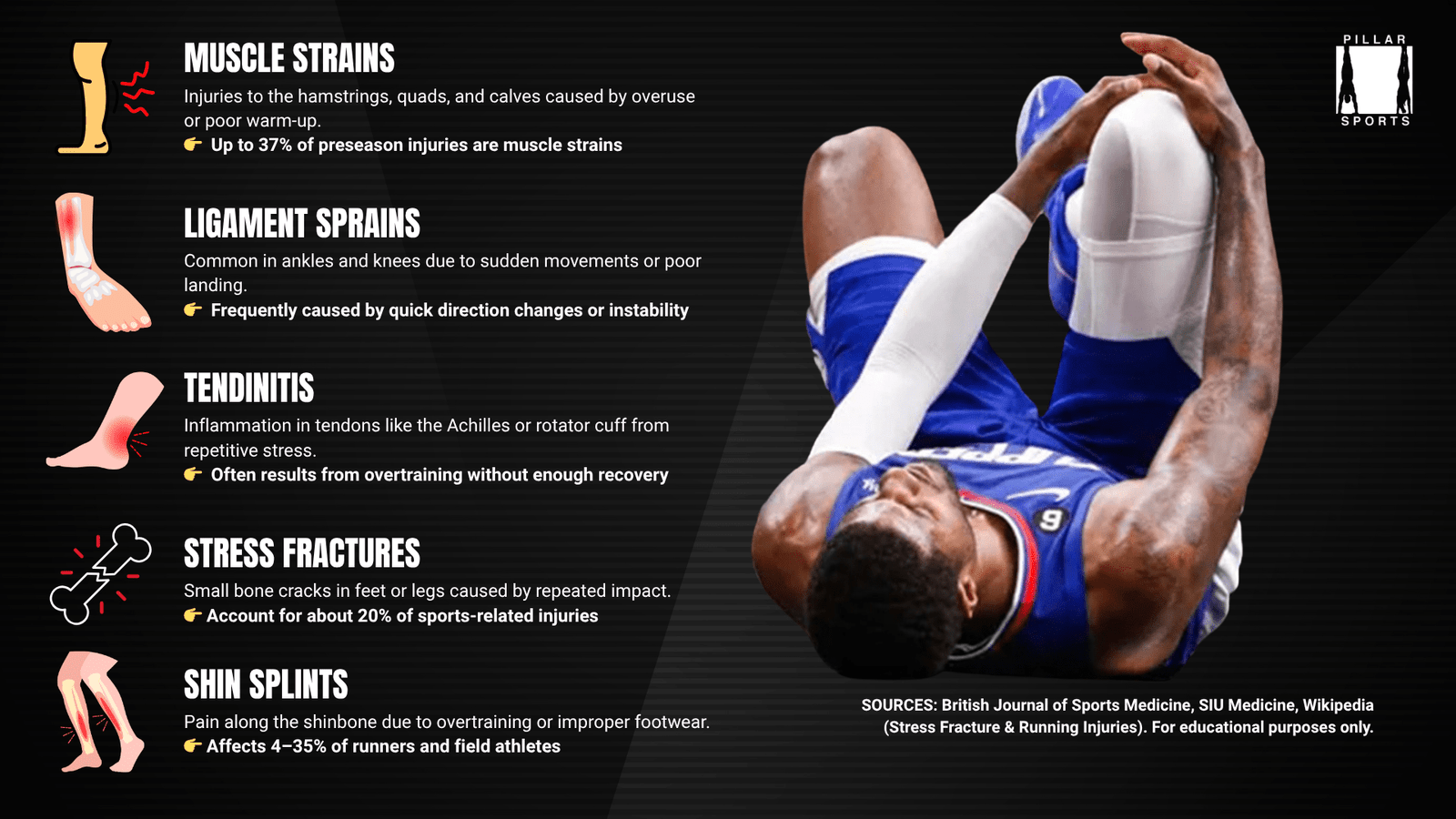
Credit: pillarsports.com
Building Muscle For Injury Prevention
Strong muscles can help support and protect your body during physical activities. Building muscle improves balance and reduces injury risk. A fit body is less likely to suffer from strains and sprains.
Building muscle plays a crucial role in preventing injuries. Strong muscles support joints and improve balance. They help absorb shocks and reduce strain. This support lowers the risk of sprains and tears. Strengthening muscles enhances overall body stability. It prepares the body for unexpected movements. Training should focus on key muscle groups. This includes core, legs, and upper body. A well-rounded routine ensures full-body strength. Consistent exercise builds resilience against injuries. Let’s explore effective exercises and balanced training routines.Effective Exercises For Muscle Growth
Targeted exercises build muscle effectively. Squats and lunges strengthen the legs. They improve stability and balance. Planks and crunches target the core muscles. A strong core supports the spine and reduces back injuries. Push-ups and pull-ups enhance upper body strength. They protect shoulders and arms from strain. Progressive overload is important. Gradually increase weights or resistance. This stimulates muscle growth and adaptation. Consistency is key. Regular workouts maintain muscle strength and flexibility.Balanced Training Routines
Balance in training prevents overuse injuries. Include a mix of strength, cardio, and flexibility exercises. Strength training builds muscle mass. Cardio improves heart health and endurance. Flexibility exercises enhance range of motion. They reduce muscle stiffness. Create a weekly workout plan. Allocate days for different activities. Include rest days for recovery. Listen to your body. Avoid pushing through pain. Proper form and technique are vital. They prevent injuries and maximize benefits.Beyond Muscle: Other Factors In Injury Prevention
Muscle strength alone doesn’t guarantee injury prevention. Joint flexibility, balance, and proper technique play crucial roles too. A holistic approach considers multiple factors beyond just muscle power.
Injury prevention goes beyond building muscle. While strong muscles are crucial, they are just one piece of the puzzle. There’s a whole world of factors that contribute to keeping you injury-free.Importance Of Flexibility And Mobility
Flexibility and mobility are often underestimated in injury prevention. Tight muscles and limited range of motion can lead to strains and tears. Incorporating regular stretching and mobility exercises into your routine can enhance your body’s ability to move efficiently and safely. Imagine reaching for an item on a high shelf without straining your back. That’s the benefit of good flexibility. Yoga and dynamic stretching routines can be excellent ways to improve flexibility. Don’t overlook the importance of warming up before engaging in physical activities. This primes your muscles for action and reduces the risk of injury.Role Of Proper Technique And Equipment
Using the correct technique is vital. Incorrect form not only reduces the effectiveness of your workout but also increases the risk of injury. Think about how many times you’ve seen someone lift weights with a rounded back; it’s a recipe for disaster. Seek guidance from a trainer to ensure your form is spot-on. Even small adjustments can make a big difference in preventing injuries. Investing in the right equipment is equally important. Wearing appropriate footwear, for instance, can provide the necessary support and cushioning to protect your joints during high-impact activities. Consider the gear you use and ask yourself if it’s helping or hindering your performance. Sometimes, the right equipment can be the difference between a successful workout and a painful setback.
Credit: lauranorrisrunning.com
Personal Stories And Experiences
Personal stories and experiences bring a unique perspective to understanding how muscle can prevent injuries. Many individuals have shared their journeys, highlighting the benefits of strength training and muscle development in reducing injury risks. These narratives offer insights from athletes and everyday people, revealing how muscles play a crucial role in safeguarding the body.
Athletes’ Perspectives
Athletes often face intense physical demands. They rely on strong muscles to support their rigorous activities. Soccer players, for instance, emphasize the importance of leg strength. It helps them maintain balance and absorb shocks from sudden movements.
One swimmer shared how core muscles keep her stable in water. They prevent strain during long training sessions. For these athletes, muscle strength isn’t just about performance. It’s about staying safe and injury-free.
Real-life Examples Of Injury Prevention
Many individuals credit their muscle strength with avoiding injuries. One office worker began weight training to improve posture. She found it reduced her back pain significantly. Her story highlights how muscle can support daily activities.
Another example comes from a weekend runner. He started a strength routine after frequent ankle sprains. Building leg muscles gave him better support, reducing his injury frequency. These experiences underline the practical benefits of muscle development.
Frequently Asked Questions
How Does Muscle Prevent Injury?
Muscle acts as a cushion, absorbing impact and reducing stress on joints. Strong muscles support and stabilize the body, minimizing the risk of strains and sprains. They enhance flexibility and improve balance, helping to prevent falls. Overall, well-developed muscles create a protective barrier against injuries.
Can Muscle Strength Reduce Injury Risk?
Yes, muscle strength is crucial in reducing injury risk. Strong muscles support joints and improve posture. This reduces pressure and likelihood of injury during activities. Additionally, muscle strength enhances coordination and balance, helping to prevent accidents. Building strength through regular exercise can significantly lower injury chances.
Is Flexibility Important For Injury Prevention?
Flexibility is essential for preventing injuries. Flexible muscles and joints allow greater range of motion. This reduces the chance of strains and tears. Stretching enhances elasticity, helping muscles absorb stress better. Regular flexibility exercises can improve muscle health and reduce injury risk in daily activities and sports.
Does Muscle Mass Impact Injury Recovery?
Muscle mass positively impacts injury recovery. It provides support and stability to injured areas, speeding up healing. Strong muscles improve circulation, delivering nutrients to damaged tissues. This aids in quicker recovery. Maintaining muscle mass through rehabilitation exercises can enhance recovery outcomes and prevent future injuries.
Conclusion
Building muscle aids in injury prevention. Strong muscles support joints well. They help absorb impacts. Muscle strength improves balance and coordination. This reduces falls and accidents. Proper muscle condition promotes flexibility. It allows easier movement. Regular exercise strengthens muscles. This leads to fewer injuries.
Consistent workouts create muscle memory. This teaches the body to react quickly. Muscles protect bones and ligaments. They act like a shield. By maintaining muscle health, you lower injury risks. Stay active and focused. Prioritize muscle growth for safety.