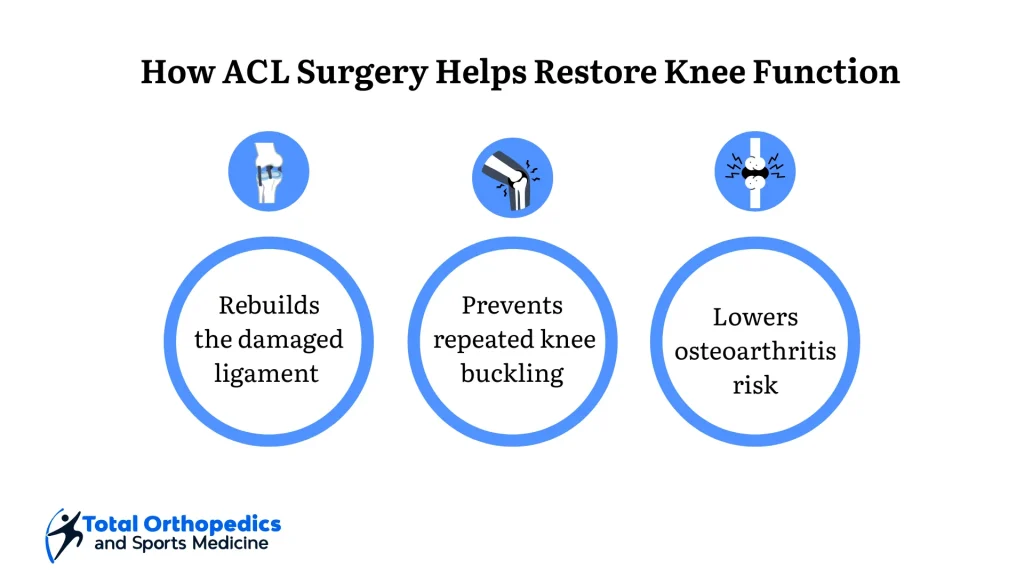
Imagine confidently stepping onto the field, court, or track, free from the worry of a sudden, painful setback. ACL injuries can be devastating, not just physically but emotionally, impacting your ability to enjoy the activities you love.
But what if you could take control and significantly reduce the risk of this common injury? You might think ACL injuries are just part of the game, but the truth is, with the right knowledge and strategies, you can be proactive in protecting your knees.
This article will guide you through essential tips and exercises designed to safeguard your ACL, empowering you to perform at your best while keeping injury fears at bay. Dive in and discover how to keep your athletic journey on track, because prevention is not just possible—it’s within your reach.
Understanding Acl Injuries
Understanding ACL injuries is essential for anyone involved in sports. The anterior cruciate ligament, or ACL, is a crucial part of the knee. It provides stability and is often injured during physical activities. Knowing the causes can help you prevent these injuries.
What Is The Acl?
The ACL is a ligament in the knee. It connects the thigh bone to the shin bone. This ligament keeps the knee stable during movement. It allows you to twist, pivot, and jump safely. Injuries often occur in sports that involve quick changes in direction.
Common Causes Of Acl Injuries
Several factors contribute to ACL injuries. Sudden stops or changes in direction are common causes. These movements put stress on the knee, increasing injury risk. Landing awkwardly from a jump can also damage the ACL. Contact sports have higher injury rates due to impacts and collisions.
Weak muscles around the knee may lead to injury. Strengthening these muscles can improve knee stability. Proper warm-up routines are crucial for prevention. They prepare your body for physical activity and reduce injury risks.

Credit: www.instagram.com
Risk Factors
Preventing ACL injuries starts with understanding their risk factors. Knowing these factors can help you take steps to minimize the risk. ACL injuries can happen to anyone, but certain elements increase the likelihood. These include age, gender, and the type of sport or activity involved.
Age And Gender Considerations
Younger individuals, especially teens, are more prone to ACL injuries. Their bodies are still growing, making their joints more vulnerable. Gender also plays a role. Females are at higher risk due to anatomical differences. Hormonal variations can impact ligament strength and flexibility. Recognizing these factors is crucial in prevention efforts.
Sports And Activities
High-impact sports increase ACL injury risks. Activities like soccer, basketball, and skiing are common culprits. These sports involve sudden stops and direction changes, stressing the knee. Understanding the specific demands of your chosen sport helps in planning preventive measures. Proper training and equipment can reduce injury chances.
Preventive Measures
Strengthening exercises for legs can help prevent ACL injuries. Proper technique during sports and activities reduces risk. Regular stretching enhances flexibility and support.
Preventing ACL injuries requires a proactive approach. These injuries can be painful and may need long recovery periods. By taking preventive measures, you can reduce the risk of such injuries. Focus on strengthening exercises and maintaining flexibility.Strengthening Exercises
Building strong muscles around the knee is crucial. Strong muscles support and protect the ACL. Include exercises like squats and lunges in your routine. These exercises target key muscle groups. Try balancing exercises too. They help improve stability and control. Consistent practice ensures muscles are well-prepared for sudden movements.Flexibility And Stretching
Flexibility is vital for preventing ACL injuries. Stretching keeps muscles flexible and less prone to tears. Include stretches for the hamstrings and quadriceps. These muscle groups are closely linked to knee function. Dynamic stretching before activities warms up the muscles. Static stretching after activities aids in muscle recovery. Regular stretching sessions improve overall flexibility.
Credit: www.instagram.com
Training Techniques
Preventing ACL injuries involves strengthening key muscles and improving balance. Focus on exercises that enhance flexibility and stability. Regular practice of these techniques can reduce the risk of injury.
Preventing ACL injuries is a concern for athletes and fitness enthusiasts alike, and effective training techniques can play a crucial role in reducing risk. Whether you’re a weekend warrior or a seasoned athlete, incorporating specific exercises into your routine can make all the difference. By focusing on proper warm-ups and balance and coordination drills, you can strengthen your muscles and improve your overall performance while safeguarding your knees.Proper Warm-up Routines
Warming up is not just about raising your heart rate; it’s about preparing your body for the demands ahead. Start with dynamic stretches like leg swings and high knees to get the blood flowing to your muscles. A good warm-up should last at least 10 minutes and gradually increase in intensity. Consider adding movements that mimic the activity you’ll be performing, like short sprints if you’re going for a run. Remember, a proper warm-up can help prevent injuries by increasing flexibility and reducing muscle stiffness. Have you ever skipped a warm-up and regretted it? Next time, ensure you don’t skip this crucial step.Balance And Coordination Drills
Balance and coordination are often overlooked, but they’re vital for ACL injury prevention. Simple exercises like single-leg stands can enhance your stability and reduce the chance of awkward falls. Incorporate drills like hop-to-balance or lateral jumps to improve your body’s ability to manage sudden shifts in direction. These exercises train your muscles to respond quickly and efficiently, which is key during dynamic sports. Have you tried balancing on one leg while brushing your teeth? It’s a quick way to sneak in some balance training every day. Strengthening your coordination can be fun and incredibly beneficial for your knee health.Footwear And Gear
Preventing ACL injuries requires more than just exercises. The right footwear and gear play a crucial role. These tools provide support and stability, reducing the risk of injury. Explore how choosing appropriate footwear and using supportive gear can safeguard your knees.
Choosing The Right Footwear
The shoes you wear affect your knee health. Opt for shoes with good arch support. Cushioning is also vital to absorb impact during movement. Look for footwear with a snug fit to avoid slipping. Consider shoes designed for your specific sport. Specialized shoes cater to unique demands, offering extra protection. Regularly check your shoes for wear and tear. Worn-out soles can lead to instability.
Supportive Gear And Braces
Supportive gear like knee braces can be beneficial. They offer added support to the knee joint. Braces can stabilize the knee during intense activities. Compression sleeves are another option. They enhance blood circulation and reduce swelling. Choose gear that fits well without restricting movement. Consult professionals for guidance on the best gear for you.
Lifestyle Changes
Lifestyle changes can reduce the risk of ACL injuries. Strengthening exercises and proper techniques in sports are essential. Consistent physical conditioning maintains joint health and stability.
Lifestyle changes can play a crucial role in preventing ACL injuries. By adopting healthier habits, you can strengthen your body and reduce the risk of injury. Simple adjustments in diet, exercise, and hydration can make a big difference.Healthy Diet And Hydration
A balanced diet supports joint health and muscle strength. Focus on foods rich in vitamins and minerals. Calcium and vitamin D are essential for bone strength. Include lean proteins, fruits, and vegetables in your meals. Omega-3 fatty acids found in fish can reduce inflammation. Staying hydrated keeps your joints lubricated. Drink plenty of water throughout the day. Limit sugary drinks and caffeine for better hydration.Regular Physical Activity
Engage in exercises that improve flexibility and strength. Focus on strengthening the muscles around your knees. Strong quadriceps and hamstrings support the ACL. Incorporate balance and agility drills into your routine. Stretch before and after workouts to prevent stiffness. Activities like yoga and pilates improve flexibility. Consistency is key. Exercise regularly to maintain muscle tone and joint stability.Professional Guidance
Preventing ACL injuries requires more than just physical strength and agility. Professional guidance can play a crucial role in keeping your knees healthy and injury-free. By consulting with experts who understand the biomechanics and treatment of ACL injuries, you can tailor your prevention strategies to suit your unique needs.
Consulting With Physical Therapists
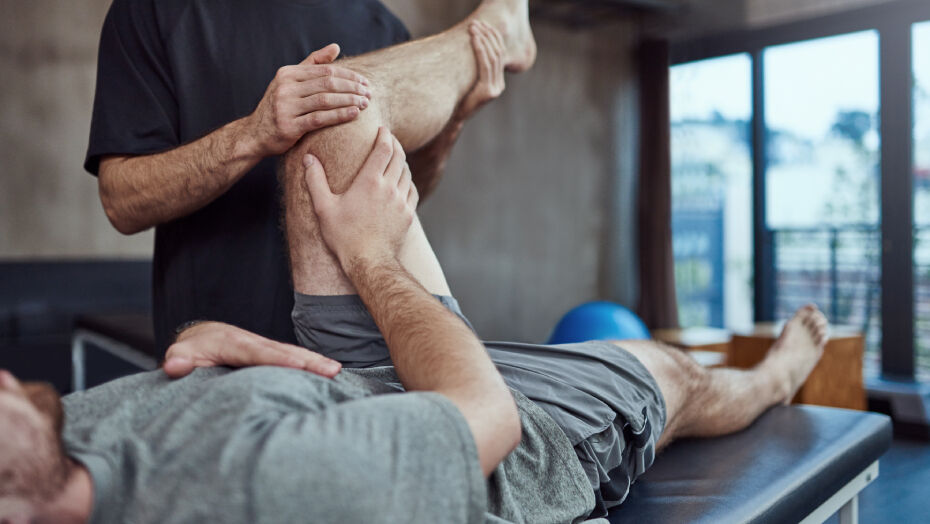
Physical therapists are invaluable allies in your quest to prevent ACL injuries. They can assess your movement patterns and identify weaknesses that might predispose you to injury. Have you ever thought about how your running technique or jumping habits could contribute to knee injuries?
Working with a physical therapist allows you to gain insights into your body’s mechanics. They can guide you through targeted exercises that strengthen your muscles and improve your flexibility. This personalized approach ensures that you are not only building strength but also enhancing your overall stability.
Role Of Sports Medicine Specialists
Sports medicine specialists bring a wealth of knowledge to the table. These professionals understand the demands of various sports and can tailor prevention strategies based on your activity level. Their expertise is crucial in creating a comprehensive plan that encompasses training, recovery, and injury prevention.
Consulting a sports medicine specialist could be the game-changer you need. They can provide insights into the latest techniques and treatments for preventing ACL injuries. Have you ever considered how a specialist’s advice could enhance your athletic performance while keeping injuries at bay?
With their guidance, you can make informed decisions about your training regimen, ensuring that your workouts are both effective and safe. Embrace the opportunity to learn from these experts, and you might find yourself not just preventing injuries but excelling in your sport.
Credit: blog.ochsner.org
Recovery And Rehabilitation
Strong muscles and flexibility can help prevent ACL injuries. Regular exercise and proper technique are key. Wearing supportive footwear also reduces risk.
Recovering from an ACL injury is a journey that requires patience, dedication, and the right approach. Whether you’re an athlete or someone who loves being active, understanding the nuances of recovery and rehabilitation can make a significant difference in your healing process. Your commitment to following a structured plan can speed up your recovery and reduce the risk of future injuries. Let’s dive into the essential aspects of post-injury care and rehabilitation exercises to ensure you get back on your feet stronger than before.Post-injury Care
Post-injury care is crucial in the initial phase of ACL injury recovery. Immediately after the injury, you should focus on reducing swelling and managing pain. Elevate your leg and apply ice packs to minimize inflammation. Consulting a healthcare professional is necessary to determine the severity of your injury. They will guide you on whether surgery is needed and what your recovery plan should look like. Rest is vital, but it doesn’t mean you should be completely inactive. Gentle movements can prevent stiffness and promote healing. Are you prioritizing rest while ensuring your muscles don’t lose strength?Rehabilitation Exercises
Rehabilitation exercises are the backbone of recovering from an ACL injury. Once the initial swelling has reduced, start with exercises prescribed by a physiotherapist. These exercises are designed to improve flexibility, strength, and balance. Simple activities like leg raises and heel slides can be beneficial in the early stages. As you progress, incorporate more challenging exercises like lunges and squats to build strength. Consistency is key. Set aside time each day to perform these exercises. Have you created a routine that you can stick to? Tracking your progress can motivate you and help you see how far you’ve come.Frequently Asked Questions
How Can Acl Injuries Be Prevented?
Preventing ACL injuries involves strengthening leg muscles, improving flexibility, and practicing proper techniques. Use exercises that target hamstrings and quadriceps. Stretch regularly and maintain balance in workouts. Incorporate agility drills to enhance body control and awareness during movement.
What Exercises Help Reduce Acl Injury Risk?
Exercises like squats, lunges, and leg presses strengthen key muscles. Incorporate plyometrics for power and agility. Balance exercises help improve stability. Always ensure proper form and technique to maximize effectiveness and reduce injury risk.
Are There Specific Sports That Increase Acl Injury Risk?
Sports involving sudden stops and changes in direction, like basketball and soccer, pose higher ACL injury risks. Skiing and football also have high incidences. Proper training and preventive measures are crucial for athletes in these sports.
Is Acl Injury Prevention Important For All Athletes?
Yes, ACL injury prevention is crucial for athletes across all sports. It ensures long-term joint health and performance. Implementing prevention strategies reduces the risk of serious injuries and enhances athletic career longevity.
Conclusion
Preventing ACL injuries is crucial for athletes and active individuals. Simple steps help reduce risks. Strengthen leg muscles regularly. Incorporate balance exercises into workouts. Wear proper footwear for support. Warm up before any physical activity. Listen to your body’s signals.
Avoid overexertion and rest when needed. Consult professionals for personalized advice. Stay informed about best practices. Consistent care and awareness make a difference. Prioritize safety and enjoy your activities. Remember, prevention is better than cure. Take action today for a healthier tomorrow.
Stay active, stay safe, and keep moving confidently.