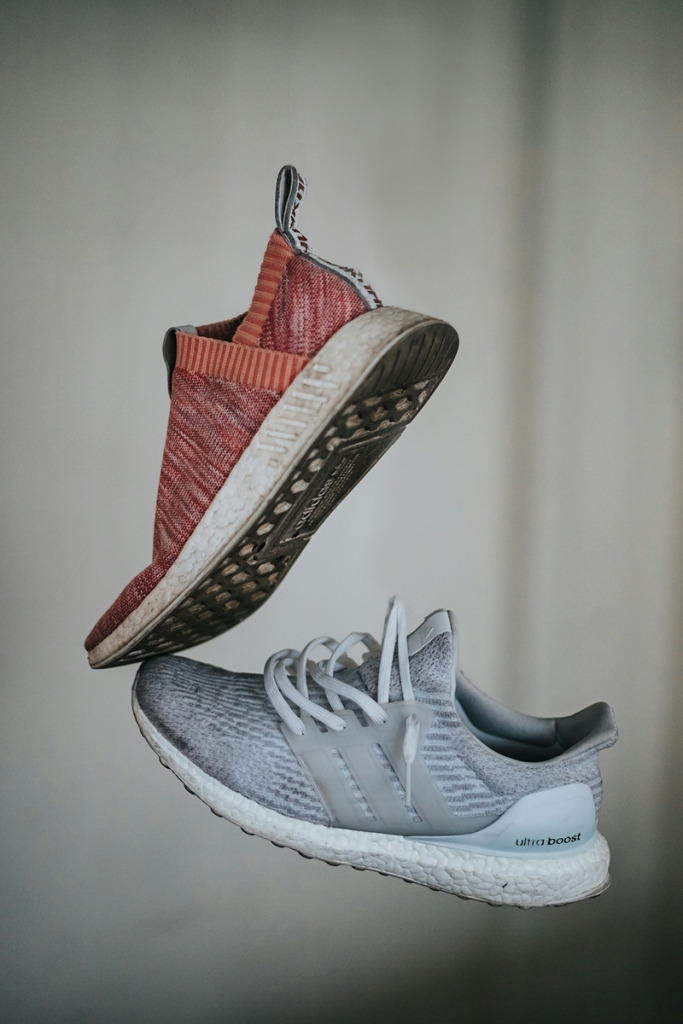
Have you ever laced up your running shoes and wondered if that extra cushioning is really keeping you safe from injuries? It’s a question that nags at every runner, whether you’re pounding the pavement for the first time or you’re a seasoned marathoner.
You want to protect your feet, knees, and joints, but are cushioned running shoes the answer, or just a clever marketing gimmick? The truth might surprise you. You’ll discover the science and myths behind cushioned running shoes. By the end, you’ll know if they’re truly your best defense against injury or if you should consider other options.
Ready to find out? Keep reading to uncover the facts that could transform your running experience.

Credit: impakto.in
Cushioned Running Shoe Design
When it comes to running, the shoes you choose can make a significant difference in your performance and comfort. Cushioned running shoes are designed to enhance your running experience by providing a plush layer between your feet and the ground. But what exactly goes into their design? From materials to technology, cushioned running shoes are a marvel of modern engineering, aiming to protect your feet and potentially prevent injuries.
Materials And Technology
Modern cushioned running shoes utilize a variety of materials to provide the necessary support and comfort. You’ll find advanced foams like EVA (ethylene-vinyl acetate) and PU (polyurethane) which offer lightweight cushioning. Some brands even incorporate gel or air pockets to enhance shock absorption. These materials are designed to compress upon impact and return to their original form, providing a responsive feel with every step.
Technology plays a crucial role in cushioning design. Brands often employ proprietary technologies such as Nike’s Air or Adidas’s Boost, which are engineered to offer a unique blend of comfort and energy return. These innovations aim to reduce the impact on your joints and muscles, potentially minimizing injury risk. Have you ever wondered how these technologies affect your stride and overall running efficiency?
Evolution Of Cushioning In Shoes
Over the years, the concept of cushioning in running shoes has evolved significantly. In the past, running shoes had minimal padding, focusing more on durability than comfort. As research into biomechanics advanced, brands began to understand the importance of cushioning in reducing stress on the body during runs.
Today, cushioning is seen as a crucial element in shoe design, with advancements continuously being made to meet the diverse needs of runners. From minimalist designs that offer a natural feel to heavily cushioned options for maximum comfort, there’s a shoe for every preference. How have your preferences in running shoe cushioning changed over time?
As cushioned running shoes continue to evolve, so does our understanding of their impact on injury prevention. While they offer promising benefits, it’s important to remember that individual needs vary. What works for one runner may not work for another. Ultimately, the best shoe is one that aligns with your unique running style and goals.

Credit: www.runnersworld.com
Injury Types In Runners
Running is a popular way to stay fit. But it can lead to injuries. Cushioned shoes are thought to help prevent them. Understanding common injuries is key. Different running styles impact the risk. Learn how cushioned shoes can help.
Common Injuries
Runners often face several injuries. These include:
- Shin splints: Pain along the shin bone.
- Runner’s knee: Pain around the kneecap.
- Achilles tendonitis: Pain in the back of the heel.
- Plantar fasciitis: Heel pain from the foot arch.
- Stress fractures: Small bone cracks from overuse.
These injuries stem from repetitive stress. Cushioning in shoes can absorb impact. This might reduce the risk of these injuries.
Impact Of Running Style
Running style affects injury risk. Some runners land on their heels. Others land on the balls of their feet. Heel striking can increase stress on joints. This might lead to knee pain.
Forefoot running can strain the calves. It might lead to Achilles issues. Shoes with cushioning can help. They soften the blow with each step. This can protect joints and muscles.
Understanding your running style is crucial. It helps in choosing the right shoe. Proper shoes support your stride. They can prevent or reduce injury risk. Knowing your style can guide better shoe choices.
Scientific Studies On Cushioning
Cushioned running shoes have sparked interest among runners. People often wonder if these shoes can prevent injuries. Scientific studies aim to provide answers. Researchers have explored how cushioning affects running dynamics and potential injuries.
Research Findings
Several studies have examined the role of cushioning in running shoes. Some findings suggest that cushioning can reduce impact forces. Lower impact forces might decrease the risk of injuries. Other studies indicate that cushioned shoes help absorb shock. This absorption might protect joints and muscles during runs.
Research also shows varying effects based on individual running styles. Some runners benefit more from cushioning. Others may not experience significant changes. The type of surface also plays a role. Cushioned shoes might perform differently on roads compared to trails.
Limitations Of Studies
Despite promising findings, studies have limitations. Many focus on short-term effects. Long-term impacts of cushioned shoes remain unclear. Sample sizes in studies are often small. This limits the generalizability of results.
Individual differences are another challenge. Personal running styles and biomechanics vary widely. This variation makes it hard to draw universal conclusions. Additionally, studies often use different shoe models. Differences in design might influence results.
Further research is needed to understand cushioning benefits fully. Larger studies with diverse participants can provide more insights. Exploring both short-term and long-term effects will enhance understanding.
Biomechanics Of Running
Understanding the biomechanics of running is crucial for injury prevention. It involves how muscles and joints work during a run. Proper alignment and movement reduce stress on the body. The right shoes can influence running mechanics.
Role Of Shoe Cushioning
Shoe cushioning absorbs impact forces while running. It reduces pressure on joints and soft tissues. This protection lowers the risk of injuries like shin splints. Different levels of cushioning suit different running styles. Runners with high impact need more cushioning. Those with lower impact can opt for less cushioning.
Natural Foot Motion
Natural foot motion involves how the foot moves during a run. The foot should flex and extend naturally. Proper shoe design supports natural motion. It allows the foot to move without restriction. Shoes that are too stiff can hinder foot movement. This may lead to discomfort and potential injuries.
Advantages Of Cushioned Shoes
Cushioned running shoes have become popular among runners. They offer several advantages that can enhance your running experience. The right pair can provide comfort, support, and help reduce injury risk. Let’s explore these benefits.
Comfort And Support
Cushioned shoes offer a plush feel underfoot. The padding can make each step softer and more pleasant. Many runners appreciate this comfort during long runs. Support is another key benefit. Cushioned shoes often have enhanced arch support. This helps maintain proper foot alignment. Proper support can prevent strain and fatigue.
Shock Absorption
Shock absorption is crucial for runners. With each stride, feet hit the ground with force. This impact can stress joints and muscles. Cushioned shoes are designed to absorb much of this shock. By reducing impact, they help protect the body from injury. This feature is especially important for those running on hard surfaces. Good shock absorption can also enhance endurance. Less stress on the body allows for longer runs with reduced discomfort.

Credit: www.instagram.com
Criticisms And Concerns
The effectiveness of cushioned running shoes in injury prevention remains debated. Critics argue they might alter natural foot movement, potentially leading to more harm than good. Concerns also arise over reduced foot strength, as excessive cushioning may limit muscle engagement during runs.
Cushioned running shoes are popular among runners seeking comfort and injury prevention. Yet, they face criticism and scrutiny. Some experts question their effectiveness and raise valid concerns. This section explores potential drawbacks and the risk of over-reliance on cushioning.Potential Drawbacks
Cushioned shoes might not suit every runner. They can alter natural running mechanics. This alteration might lead to unexpected injuries. Some runners report reduced ground feel. This can affect balance and reaction time. Heavily cushioned shoes can increase weight. Extra weight might lead to fatigue over long distances. Not all foot types benefit from excess cushioning. Over-cushioning can cause instability for some runners.Over-reliance On Cushioning
Many runners depend too much on cushioning. They assume it will prevent all injuries. This mindset can lead to neglecting other preventive measures. Strength training and proper technique are crucial. Cushioning might create a false sense of security. Runners might overlook the importance of gradual mileage increases. Relying solely on shoes might ignore individual biomechanics. Each runner’s body responds differently to footwear. Understanding personal needs is key to preventing injuries.Alternatives To Cushioning
Exploring alternatives to cushioning in running shoes raises questions about injury prevention. Minimalist designs focus on natural foot movement and strength, while barefoot running emphasizes proprioception and balance. Each approach offers unique benefits, encouraging runners to find the best fit for their individual needs.
When it comes to running, the choice of footwear can significantly impact your experience. While cushioned running shoes are popular for their comfort, there are intriguing alternatives that might offer different benefits. Exploring minimalist shoes and barefoot running can open up a world of possibilities for those seeking varied approaches to injury prevention.Minimalist Shoes
Minimalist shoes aim to mimic the natural shape and movement of your feet. They typically have less cushioning and a lower heel-to-toe drop. This design encourages a more natural stride, possibly enhancing foot strength over time. If you’re considering minimalist shoes, it’s essential to transition gradually. Begin by wearing them for short walks before introducing them to your running routine. This allows your muscles and tendons to adjust, potentially reducing injury risk. Minimalist footwear can encourage a midfoot strike rather than a heel strike, which some studies suggest may lessen impact forces. Could this change in mechanics be beneficial for you?Barefoot Running
Barefoot running is the ultimate minimalist approach, removing the shoe entirely. It offers freedom and sensory feedback, allowing you to feel the ground beneath your feet. This connection can refine your form and balance. However, running barefoot requires careful consideration of terrain. Start on soft surfaces like grass or sand to protect your feet. Gradually increase your distance as your feet adapt to the new demands. Barefoot running can strengthen foot and leg muscles, potentially reducing injury risk over time. But ask yourself: Are you ready to embrace this back-to-basics method? Both minimalist shoes and barefoot running offer unique benefits that challenge traditional cushioning concepts. Could one of these alternatives be the right fit for your running journey?Choosing The Right Shoe
Choosing the right running shoe is crucial in your journey to prevent injuries. Whether you’re a seasoned marathoner or just starting, your shoe choice can significantly impact your running experience. A well-suited shoe offers not only comfort but also the necessary support for your unique running style.
Personal Preferences
Your personal preferences play a vital role in selecting the perfect cushioned running shoe. Do you prefer a snug fit or a bit more room for your toes? The color and design might also influence your decision, as feeling good in what you wear can boost your confidence.
Consider your past experiences with running shoes. Have certain brands or models worked better for you? Reflect on what felt right or wrong, and use this knowledge to guide your next purchase.
Running Goals
Your running goals should align with your choice of footwear. Are you training for a marathon, or are you focusing on short sprints? Each type of running requires different support levels and cushioning.
Think about the terrain you will be tackling. Road runners need different shoes compared to those who prefer trails. Your shoe should cater to the demands of your running environment.
Ask yourself: What do I want to achieve with my running? This question will help ensure your shoes support your ambitions, reducing the risk of injury and enhancing performance.
Frequently Asked Questions
Do Cushioned Shoes Reduce Running Injuries?
Cushioned shoes can help reduce impact stress on joints, potentially lowering injury risk. However, they don’t guarantee injury prevention. Proper running form and gradual training are crucial for avoiding injuries. Individual needs vary, so it’s essential to choose footwear based on comfort and support preferences.
Are Cushioned Running Shoes Suitable For Everyone?
While cushioned shoes offer comfort, they might not suit everyone. Some runners prefer minimal shoes for better ground feel. It’s essential to consider personal foot biomechanics and running style when selecting shoes. Consulting a specialist can help in finding the best fit for your needs.
How Do Cushioned Shoes Affect Performance?
Cushioned shoes can enhance comfort, especially during long runs. However, they might slightly alter running dynamics, affecting speed and agility. It’s important to balance cushioning with flexibility and responsiveness to optimize performance. Testing different shoe types can help identify what works best for you.
Do Cushioned Shoes Prevent Knee Injuries?
Cushioned shoes can reduce impact on knees, potentially minimizing injury risk. However, improper form and overuse still pose threats. Strengthening muscles and maintaining proper running technique are vital for knee injury prevention. Choosing shoes with appropriate support can complement overall injury prevention strategies.
Conclusion
Cushioned running shoes offer comfort and support. They absorb shock well. Many runners find them helpful in reducing stress. Yet, they don’t always prevent injuries. Factors like running form and terrain play a big role. Shoes alone can’t guarantee safety.
Listen to your body. Consider your running style and needs. Try different options to see what works best. Consult experts for personalized advice. Remember, balance is key in injury prevention. Choose wisely and run safely.