Have you ever wondered if wearing a back belt could be your secret weapon against injuries? You’re not alone.
Many people, especially those involved in heavy lifting or repetitive tasks, consider back belts as a crucial part of their safety gear. But do these belts really prevent injuries, or is it just a myth? Before you strap one on and feel invincible, let’s dive into what the science says.
Understanding the real impact of back belts could be the key to protecting your health and well-being. Stay with us as we unravel the truth and help you make informed decisions for your safety.

Credit: www.ironcompany.com
History Of Back Belts
The history of back belts is both intriguing and practical. These belts have played a significant role in workplace safety. They have evolved over the years to meet changing needs.
Early Uses In Industry
Back belts first appeared in industrial settings in the early 20th century. Workers in factories and warehouses needed support for heavy lifting. Belts provided extra stability. They helped reduce muscle strain during demanding tasks. Early designs were simple. But they laid the groundwork for future innovations.
Evolution Of Design
Over the decades, the design of back belts has changed significantly. Initially, they were made from basic materials like leather. Later, manufacturers introduced more advanced fabrics. These new materials improved durability and comfort. Adjustable straps became common. This allowed workers to find a better fit.
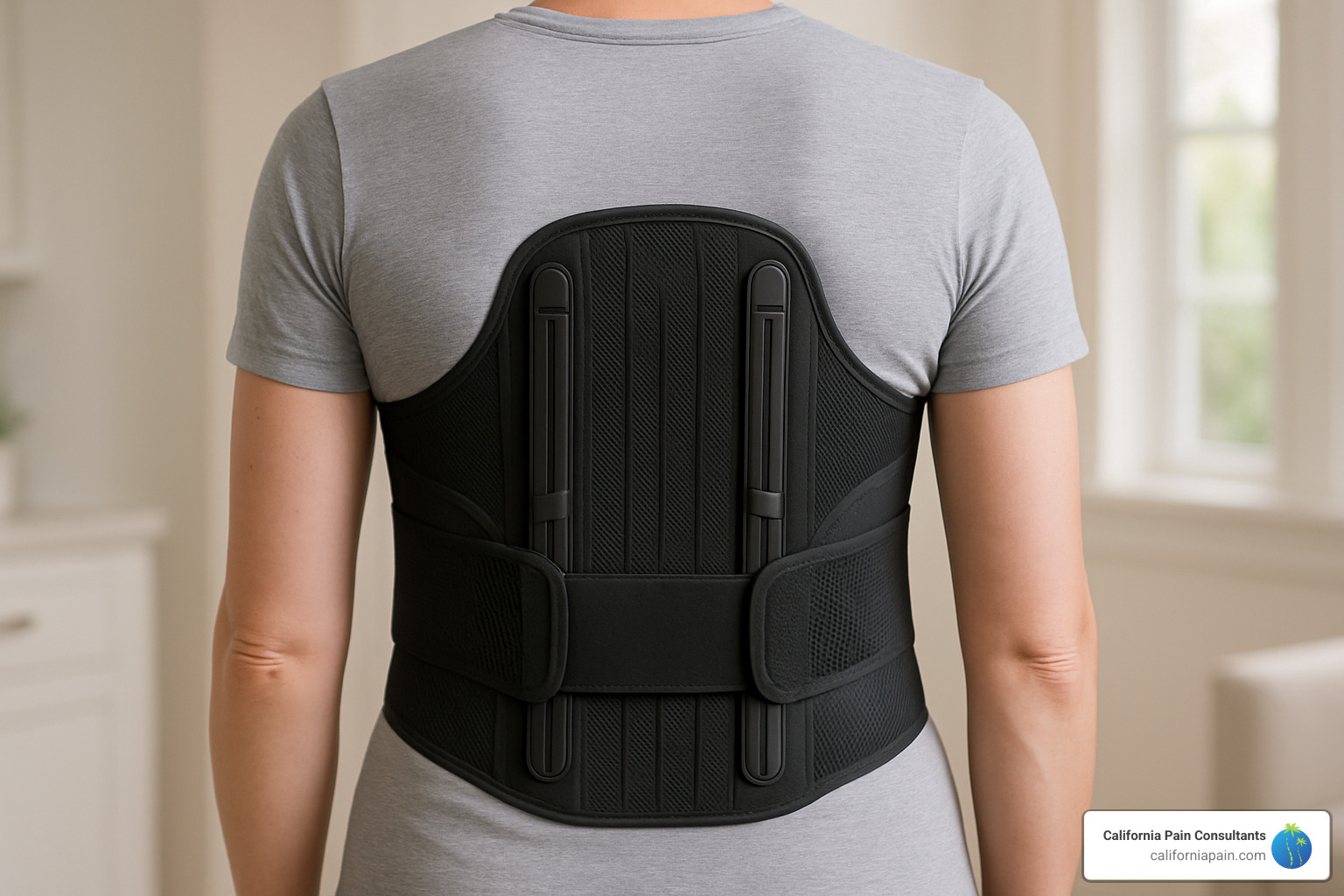
Modern back belts often include padding. This feature adds comfort for long hours of wear. Some designs now incorporate breathable materials. This helps keep users cool. Today’s back belts reflect years of development and improvement. They continue to serve as a vital tool in injury prevention.
Credit: californiapain.com
Common Myths About Back Belts
Back belts are often seen as essential tools for preventing injuries. Many people believe they offer immediate protection and boost strength. These assumptions have led to widespread myths about their effectiveness. Understanding these myths is crucial for making informed decisions about using back belts.
Myth Of Immediate Protection
Many think back belts provide instant safety during heavy lifting. The truth is, belts do not prevent all injuries. They support the back but don’t eliminate risk. People often rely too much on them, ignoring proper lifting techniques. This false sense of security can lead to more harm than good. Safe lifting practices should always come first, with belts as supplementary support.
Belief In Increased Strength
Another myth is that back belts enhance strength. Belts do not make you stronger. They provide a feeling of tightness and support. This can give a false impression of increased power. Over time, relying solely on belts may weaken core muscles. Strong muscles are essential for real back support. Regular exercise and core strengthening are key to maintaining back health.
Scientific Studies On Back Belts
Scientific studies question the effectiveness of back belts in preventing injury. Research shows mixed results, with some suggesting limited support and others indicating potential benefits. Proper usage and understanding of limitations are key in evaluating their role in injury prevention.
Scientific studies on back belts explore their effectiveness in preventing injuries. Researchers aim to understand if these belts truly support the spine and reduce strain. The results vary, making it a compelling topic for discussion.Research Findings
Some studies show that back belts can provide support during heavy lifting. They help stabilize the spine, reducing the risk of injury. Yet, other research suggests they offer little benefit. The belts may give a false sense of security. Users might lift more than they should, increasing injury risk.Expert Opinions
Experts have differing views on back belts. Some believe they are helpful for short-term use. They say back belts aid workers in jobs with repetitive lifting. Others caution against relying on them. They argue that proper lifting techniques and exercises are more effective. Experts agree that education on safe practices is crucial for injury prevention.How Back Belts Function
Back belts offer support to the lower back and may help reduce strain during lifting activities. They stabilize the spine and improve posture, but evidence on their effectiveness in injury prevention is mixed. Proper lifting techniques and awareness are key for avoiding back injuries.
Back belts are often used to prevent injuries during lifting tasks. They are designed to support the lower back and improve posture. Their main function is to limit the range of motion and provide stability. This support can help reduce the risk of strains and sprains.Biomechanics Of Support
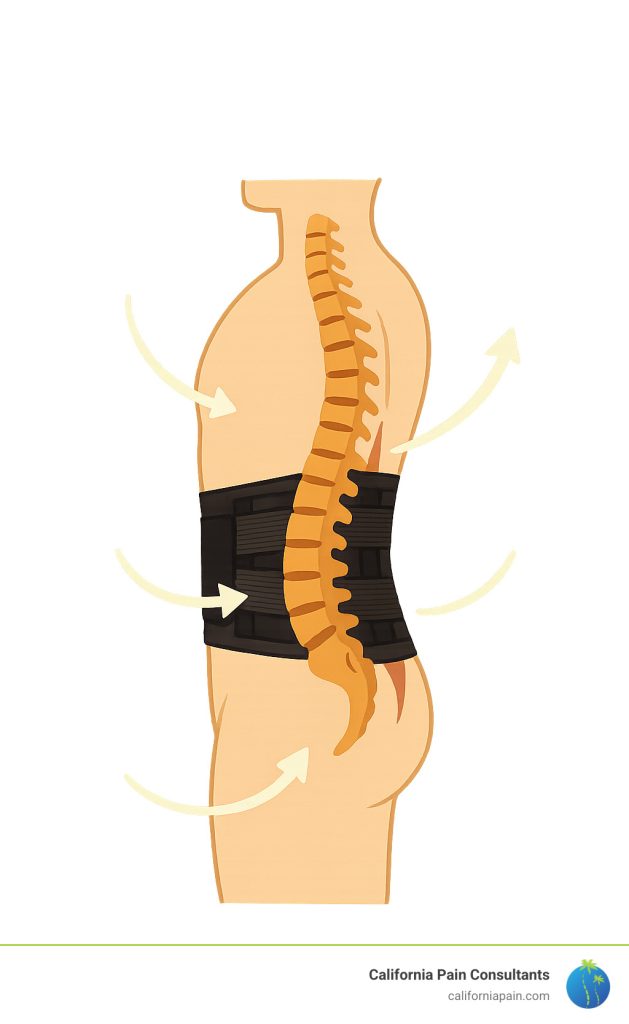
Back belts work by compressing the abdomen. This increases intra-abdominal pressure, which supports the spine. By stabilizing the spine, back belts reduce the load on the lower back. The compression also limits excessive movement. This restriction helps in maintaining proper alignment during lifting.Role In Stability
Back belts enhance stability by acting as a brace. They create a reminder to use proper lifting techniques. The belts reinforce the body’s natural posture. By doing so, they help distribute weight evenly. This even distribution can prevent sudden shifts or twists, reducing injury risks.Limitations Of Back Belts
Back belts are commonly used in workplaces to prevent injuries. They are often seen as a tool to support the lower back during heavy lifting. Despite their popularity, back belts have limitations. Understanding these limitations is crucial for ensuring worker safety and avoiding reliance on them as a sole protective measure.
False Sense Of Security
Back belts can create a false sense of security. Workers might think they are fully protected by wearing a belt. This belief may lead to improper lifting techniques. They may attempt to lift heavier loads than they should. Relying solely on back belts can increase the risk of injury. Proper lifting techniques are essential, regardless of belt use.
Impact On Muscle Use
Wearing back belts can affect muscle use. They may cause workers to use their muscles less actively. This reduced muscle engagement can lead to weaker core muscles over time. Strong core muscles are key to preventing back injuries. Over-reliance on belts might lead to muscle imbalances. Training and exercises should complement the use of back belts.
Effective Alternatives To Back Belts
Back belts are widely believed to prevent injuries, but effective alternatives exist. Core strengthening exercises and proper lifting techniques offer better support and reduce injury risk. Stretching and posture improvements enhance spinal health without relying on belts.
When considering ways to prevent back injuries, many individuals turn to back belts. However, these belts may not be the ultimate solution you seek. There are effective alternatives that not only support your back but also enhance your overall strength and technique. Let’s explore some practical and actionable methods that can truly make a difference.Strengthening Exercises
Strengthening your core and back muscles is a proactive step in preventing injuries. Simple exercises like planks, bridges, and squats can significantly boost your muscle endurance. By incorporating these exercises into your routine, you create a natural support system for your spine. Imagine the freedom of moving heavy objects without fear of pulling a muscle. Engaging in regular strengthening exercises can help you achieve this confidence. You don’t need fancy gym equipment; your body weight is a powerful tool.Proper Lifting Techniques
Learning proper lifting techniques is crucial for protecting your back. Always start by positioning yourself close to the object you intend to lift. Bend your knees, keep your back straight, and use your legs to lift, not your back. Have you ever tried lifting something heavy and felt an immediate twinge of pain? Adopting the correct technique can prevent such unpleasant surprises. Practicing these techniques consistently can make them second nature. Remember, small adjustments in your daily movements can lead to significant improvements in your back health. By focusing on strengthening exercises and proper lifting techniques, you empower yourself with tools that go beyond the temporary support of a back belt.Guidelines For Safe Use Of Back Belts
Back belts are popular in workplaces and gyms for supporting the lower back. Many believe they prevent injuries during heavy lifting. Knowing how to use them safely is crucial. Misuse can lead to more harm than good. Follow these guidelines for safe use of back belts.
Situations For Use
Back belts are best used during specific activities. Heavy lifting in warehouses or construction sites is one example. They support muscles when lifting loads above shoulder height. They can also be useful during repetitive lifting tasks. Use them for short periods to avoid dependency.
Combining With Ergonomics
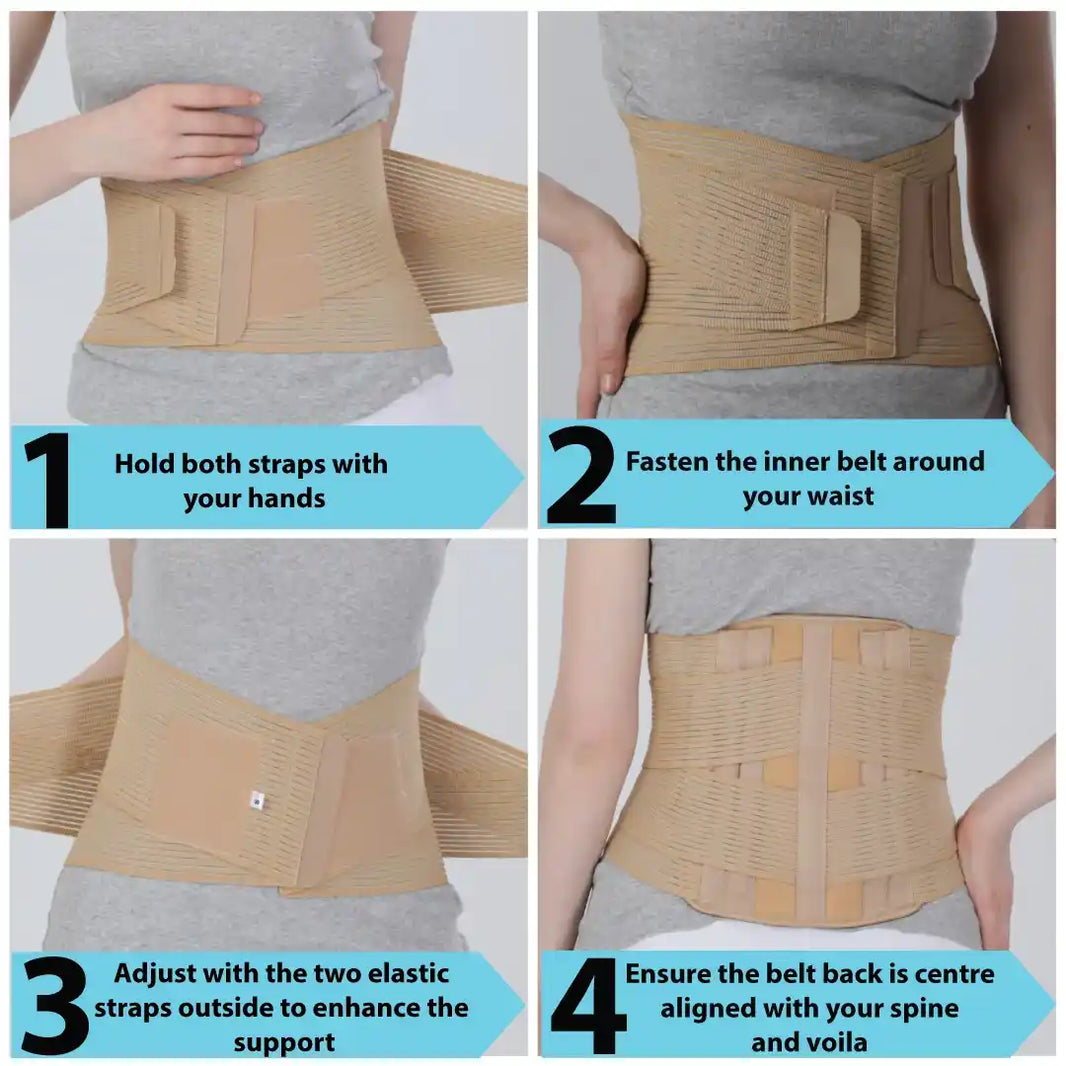
Combine back belts with ergonomic practices for maximum safety. Ensure the workspace is designed to minimize strain. Proper lifting techniques are essential. Bend your knees, keep the load close, and avoid twisting. These practices reduce the risk of injury. Back belts should not replace proper ergonomic measures.
Credit: jsbhealthcare.co.in
Frequently Asked Questions
How Effective Are Back Belts In Preventing Injury?
Back belts can provide support and may help reduce strain during heavy lifting. However, their effectiveness in preventing injuries is debated. Proper lifting techniques and overall fitness are crucial. Relying solely on back belts might not offer comprehensive protection against injuries.
Consult a professional for personalized advice.
Do Back Belts Improve Posture?
Back belts can aid in maintaining posture by providing support. However, they are not a substitute for good posture habits. Regular exercise and mindful body mechanics are essential for posture improvement. Over-reliance on back belts can lead to weakened core muscles.
Balance their use with proper posture practices.
Can Wearing A Back Belt Cause Harm?
Prolonged use of back belts may weaken core muscles due to reduced engagement. This can potentially lead to dependency and increase injury risk. It’s essential to use them appropriately and not as a substitute for strengthening exercises. Consult a healthcare professional for guidance on safe usage.
Are Back Belts Recommended For All Workers?
Not all workers need back belts; their necessity depends on job demands. Workers in heavy lifting roles may benefit from them temporarily. However, proper training and ergonomic practices are crucial. Assess individual needs and consult experts to determine if a back belt is appropriate for your situation.
Conclusion
Back belts may not fully prevent injuries. They offer support. Some workers find them helpful during heavy lifting. But belts alone can’t replace proper lifting techniques. Training is crucial for safety. Experts suggest using a belt as part of a broader strategy.
Combine it with strength training and safe practices. Listen to your body. Rest when needed. Prioritize overall wellness. Understand your limits. Discuss options with a healthcare professional. Remember, belts can be an aid, not a complete solution. Protect your health with a balanced approach.
Safety matters.