You rely on your elbows more than you might realize. From lifting groceries to playing sports, your elbows are constantly at work.
But what happens when they’re strained or injured? Suddenly, even the simplest tasks become a challenge. If you’ve ever felt that sharp twinge or persistent ache, you know how disruptive an elbow injury can be. The good news? You can prevent these injuries with a few simple steps.
Imagine going about your day without the worry of discomfort holding you back. You’ll discover practical tips to keep your elbows in top shape, ensuring they stay strong and injury-free. Stay with us to unlock the secrets to maintaining healthy elbows and reclaim your peace of mind.
Credit: pillarsports.com
Common Causes Of Elbow Injuries
Preventing elbow injuries involves understanding common causes like overuse, poor technique, and sudden impacts. Strengthening exercises and proper form during activities can help. Remember to take breaks and avoid repetitive motions to protect your elbows.
Elbow injuries are a common concern for athletes and those engaged in repetitive activities. Understanding their causes can help in taking preventive measures. The elbow is a complex joint, susceptible to various types of injuries. Recognizing the common causes is the first step to prevention.Poor Technique In Sports
Using incorrect techniques during sports can strain the elbow. Activities like tennis, golf, or baseball often involve repetitive motions. These motions can lead to overuse injuries. Proper training and guidance can minimize risks.Repetitive Strain From Activities
Repetitive tasks at work or home can impact the elbow. Typing, lifting, or even painting can cause strain. Taking regular breaks and varying movements can reduce injury chances.Inadequate Warm-up Exercises
Skipping warm-up exercises before physical activity can lead to injuries. Muscles and joints need preparation before exertion. Warm-ups increase flexibility and reduce injury likelihood.Sudden Impacts Or Falls
A sudden impact or fall can result in elbow injuries. Protecting elbows during sports or activities can help. Use protective gear to safeguard against impacts.Age-related Wear And Tear
With age, joints may experience wear and tear. This can lead to elbow pain or injuries. Staying active and maintaining joint health can mitigate these effects.Recognizing Early Symptoms
Spotting early signs of elbow strain can help in avoiding serious injuries. Watch for tenderness, swelling, or stiffness. Early intervention with rest and proper exercises can keep elbows healthy and strong.
Recognizing early symptoms of elbow injuries can prevent severe damage. Early detection allows for timely intervention, reducing the risk of further complications. Familiarizing yourself with these symptoms is crucial for maintaining elbow health.Understanding Elbow Discomfort
Elbow discomfort can manifest as a dull ache. It often occurs after repetitive motions. Pay attention to any unusual sensations. These could be early signs of an issue.Spotting Swelling Or Redness
Swelling or redness around the elbow is a warning sign. It indicates inflammation or irritation. Prompt attention to these signs can prevent worsening conditions.Identifying Limited Range Of Motion
A limited range of motion is a clear indicator. Difficulty moving the elbow freely suggests a problem. Early recognition is key to effective treatment.Noticing Unusual Stiffness
Stiffness in the elbow, especially in the morning, is concerning. It may signal underlying issues needing medical evaluation. Early intervention can alleviate discomfort.Detecting Tingling Or Numbness
Tingling or numbness in the arm or fingers is alarming. It suggests nerve involvement. Immediate attention to these symptoms is essential.Observing Weakness In The Arm
Weakness in the arm can result from elbow injuries. It affects daily activities and requires prompt action. Recognizing this symptom can aid in quick recovery.Listening To Clicking Or Popping Sounds
Clicking or popping sounds during movement may indicate a problem. These sounds often accompany joint issues. Early detection can prevent long-term damage.Proper Warm-up Techniques
Warm-up exercises can help prevent elbow injuries by increasing blood flow and flexibility. Gentle stretches and movements prepare the muscles and joints for activity. Gradually increasing intensity reduces the risk of strain.
Proper warm-up techniques are essential for keeping your elbows injury-free. When you prepare your body correctly, you minimize the risk of strains and pains. Your warm-up should be comprehensive, engaging, and tailored to your needs. Embrace exercises that enhance flexibility and incorporate movements that activate your muscles. These techniques not only prepare your elbows but also boost your overall performance. Let’s delve into key components of an effective warm-up.Stretching Exercises
Stretching is your first line of defense against elbow injuries. It improves flexibility and increases blood flow to the muscles. Focus on stretching the forearms, triceps, and wrists.- Begin with wrist flexor stretches. Extend your arm and gently pull back your fingers with your opposite hand.
- Follow with tricep stretches. Raise one arm overhead and bend it behind your head, using the opposite hand to gently pull it further.
- Incorporate forearm stretches. Press your palms together in front of you, then rotate them to feel the stretch in your forearms.
Dynamic Movements
Dynamic movements prepare your muscles for action. They involve active motions that mimic the activity you’re about to perform. This helps in elevating your heart rate and enhances muscle activation.- Try arm circles. Extend your arms to the sides and make circular motions, gradually increasing the size.
- Engage in cross-body arm swings. Swing your arms across your body from side to side, ensuring a full range of motion.
- Perform elbow rotations. Hold your arms out, bend your elbows, and rotate them in small circles.
Strengthening Exercises
Elbow injuries can be a real nuisance, especially if they keep you from enjoying your favorite activities. To prevent these injuries, strengthening exercises play a crucial role. By building up the muscles around your elbow, you can create stability and support, reducing the risk of strains or tears. Let’s dive into effective ways to strengthen your elbows and keep them injury-free.
Resistance Training
Resistance training is a fantastic way to enhance elbow strength. You can use simple tools like resistance bands or dumbbells. These exercises focus on controlled movements, helping you build muscle and endurance. Consider exercises like:
- Bicep Curls:Stand tall, hold a dumbbell in each hand, and curl them up slowly. Feel the tension in your elbows.
- Tricep Extensions:With a resistance band, extend your arms behind your head, focusing on the tricep area.
Make sure to start with lighter weights and gradually increase as your strength improves. Listen to your body and avoid overstraining.
Bodyweight Exercises
Bodyweight exercises are practical and efficient for strengthening your elbows without any equipment. They not only enhance muscle tone but also improve your overall flexibility. Try these moves:
- Push-ups:Classic push-ups engage your arms and shoulders, promoting elbow stability. Keep your form tight and controlled.
- Planks:This exercise strengthens your entire upper body, including the elbows. Hold the position, maintaining a straight line from head to heels.
These exercises can easily be incorporated into your daily routine. How about adding a short session before your morning coffee?
Remember, consistency is key. How committed are you to keeping your elbows healthy? Consider setting a weekly schedule and gradually increasing the intensity. Strengthening your elbows might be the missing piece to your fitness puzzle.
Correct Form And Posture
Maintaining correct form and posture is key to preventing elbow injuries. Focus on aligning your wrists and elbows while exercising. Keep movements controlled and avoid overextending to protect your joints effectively.
Correct Form and Posture Maintaining correct form and posture is crucial to preventing elbow injuries. Incorrect techniques can place strain on your elbows, leading to discomfort or injury. Understanding the right posture helps to distribute stress evenly across your joints. This reduces the risk of overloading any single area. When practicing any activity, it is essential to focus on body alignment.Ergonomic Adjustments
Ergonomic adjustments are vital for reducing elbow strain. Ensure your workspace is set up correctly. Your chair should support your back while your feet rest flat on the ground. Keep your keyboard at elbow height to avoid reaching or straining. Position your mouse close to the keyboard to minimize arm extension. This setup helps maintain a neutral wrist and elbow position.Movement Patterns
Understanding movement patterns is key to preventing elbow injuries. Avoid repetitive motions that put stress on your elbows. Take regular breaks to stretch and move your arms. Incorporate exercises that strengthen your shoulder and arm muscles. This support helps reduce the load on your elbows. Pay attention to how your body moves in daily activities. Small adjustments can make a big difference.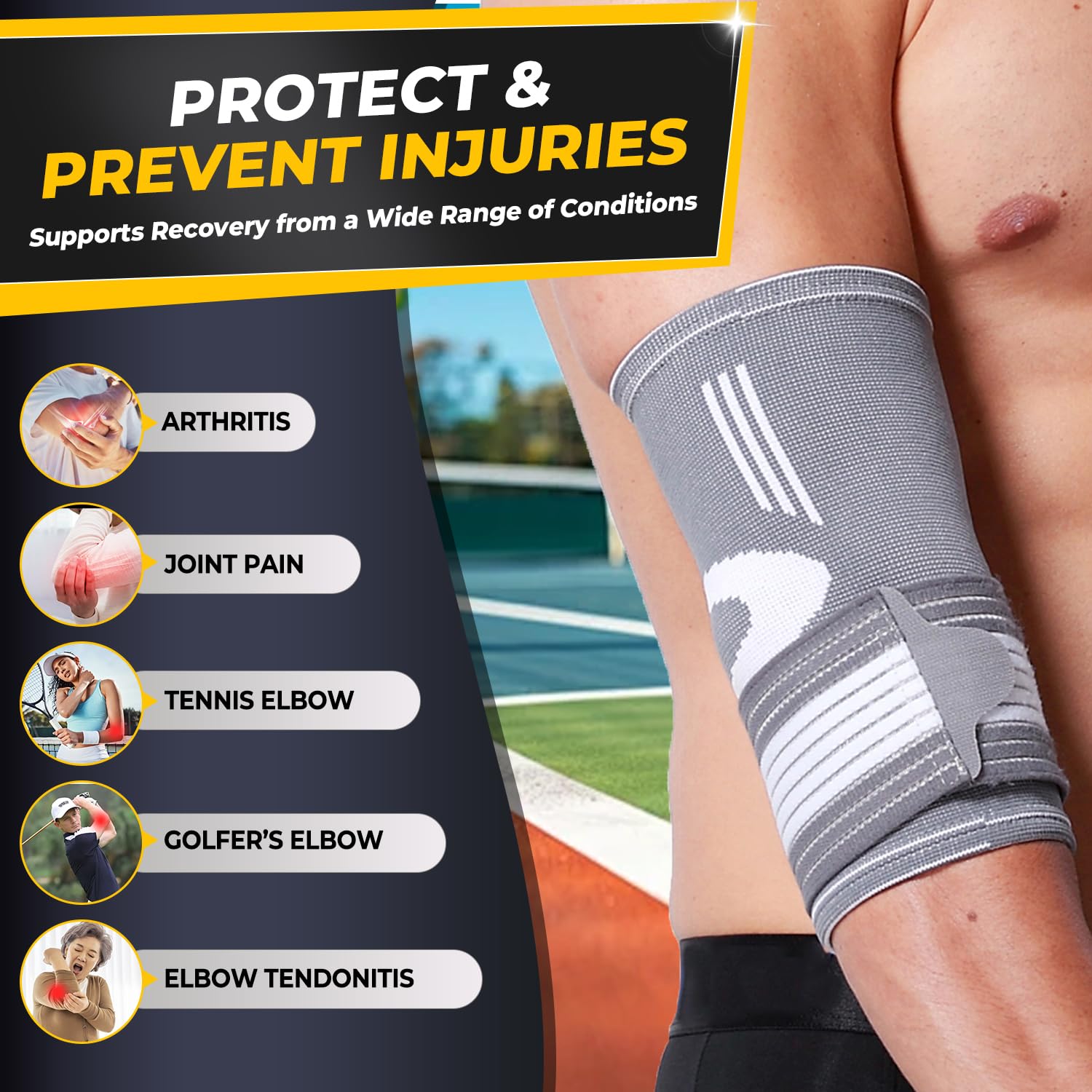
Credit: www.amazon.ca
Protective Gear And Equipment
Wearing elbow pads can significantly reduce the risk of injuries during physical activities. These pads provide essential cushioning and support, absorbing impact and minimizing strain on the joints. Ensure a proper fit for maximum protection and comfort.
Protecting your elbows from injury can be as simple as using the right gear and equipment. Whether you’re lifting weights, playing tennis, or just engaging in daily activities, having the proper protective gear can make a significant difference. Let’s explore some key aspects of protective gear that can help safeguard your elbows.Braces And Supports
Braces and supports are essential for providing stability to your elbows. They help in reducing strain and preventing hyperextension during physical activities. Look for braces that offer adjustable straps for a snug fit, ensuring both comfort and protection. Consider using elbow supports if you’re recovering from a previous injury. They can provide the necessary compression and warmth to aid the healing process. Remember, the right brace can be the difference between a quick recovery and a prolonged injury.Appropriate Tools
Using the right tools can significantly minimize the risk of elbow injuries. For activities like weightlifting, ensure your equipment is ergonomically designed to reduce pressure on the elbows. This might mean selecting dumbbells with comfortable grips or opting for machines that align with your natural movement. In sports like tennis or golf, the correct racket or club size can help prevent strain. Always check that your equipment matches your skill level and body mechanics. Investing in the appropriate tools today can save you from potential pain tomorrow. Have you ever considered how even minor adjustments in your gear can impact your performance and safety? By prioritizing protective gear and equipment, you’re not just protecting your elbows—you’re investing in your long-term health and well-being.Rest And Recovery Strategies
Rest and recovery are key to preventing elbow injuries. Incorporate rest days into your routine to allow healing. Use ice packs to reduce inflammation and practice gentle stretching exercises to maintain flexibility.
Rest and recovery are crucial aspects of preventing elbow injuries. When you push your body too hard, you risk not only immediate harm but also long-term damage that can sideline your activities. Understanding the significance of rest and implementing effective recovery techniques can make a huge difference in your elbow health. Let’s dive into why rest is essential and explore some practical recovery strategies.Importance Of Rest
Rest is not just about taking a break; it’s about giving your elbow the time it needs to heal from stress. Overuse can lead to inflammation and pain, which are warning signs your body needs a pause. Listening to your body is key. If you feel discomfort or notice swelling, it’s your cue to step back. Ignoring these signs can lead to chronic issues, making rest an essential component in your prevention toolkit.Recovery Techniques
Recovery doesn’t end with rest. It’s about actively helping your elbow regain strength and flexibility. Consider incorporating gentle stretching exercises daily to enhance circulation and reduce stiffness. Applying ice packs can also help reduce inflammation and soothe pain after intense activities. Why not try using a tennis elbow strap? It provides support and reduces strain during activities. Engage in activities that promote overall joint health, like swimming, which offers a low-impact exercise option. How proactive are you in your recovery routine? Taking small steps consistently can lead to long-term benefits.Nutrition For Joint Health
Strong elbows keep you active and pain-free. Nutrition plays a key role in maintaining joint health. Eating the right foods can prevent elbow injuries. Let’s explore which nutrients support your joints and how to include them in your diet.
Key Nutrients
Several nutrients are essential for healthy joints. Omega-3 fatty acids help reduce inflammation. You can find them in fish like salmon and mackerel. Vitamin C is vital for collagen production. It strengthens the connective tissues in your joints. Citrus fruits and strawberries are rich in vitamin C.
Calcium and vitamin D work together to keep bones strong. Dairy products and leafy greens are good sources of calcium. For vitamin D, enjoy some sunlight and eat foods like eggs and fortified cereals. Glucosamine and chondroitin are also important. They support cartilage health. You can find them in bone broth and supplements.
Dietary Tips
Incorporate these nutrients into your meals daily. Start with a balanced breakfast. Include yogurt or fortified cereal for calcium and vitamin D. Snack on fruits like oranges or kiwis for a vitamin C boost. For lunch, opt for a salad with leafy greens and grilled fish.
Choose whole grains and beans for dinner. They provide fiber and nutrients without extra calories. Stay hydrated by drinking plenty of water. It helps maintain joint lubrication. Limit processed foods and sugary drinks. They can increase inflammation and lead to joint pain.
When To Seek Professional Help
Persistent elbow pain requires professional attention. Consult a doctor for severe swelling or inability to move your elbow.
When elbow pain persists, professional help is crucial. Understanding when to seek expert advice is key. Prolonged discomfort can indicate serious issues. Early intervention often prevents further damage.Warning Signs
Certain symptoms signal the need for professional evaluation. Persistent pain lasting over a week is a red flag. Swelling or redness around the elbow requires attention. Limited range of motion can indicate underlying problems. Numbness or tingling should not be ignored. These signs suggest deeper issues needing expert care.Consulting A Specialist
A specialist can offer targeted treatment for elbow injuries. Orthopedic doctors are experts in musculoskeletal issues. They provide accurate diagnoses and effective treatment plans. Physical therapists help restore strength and flexibility. They offer exercises tailored to individual needs. Consulting a specialist ensures proper management of elbow injuries. Prioritize your elbow health by seeking expert help.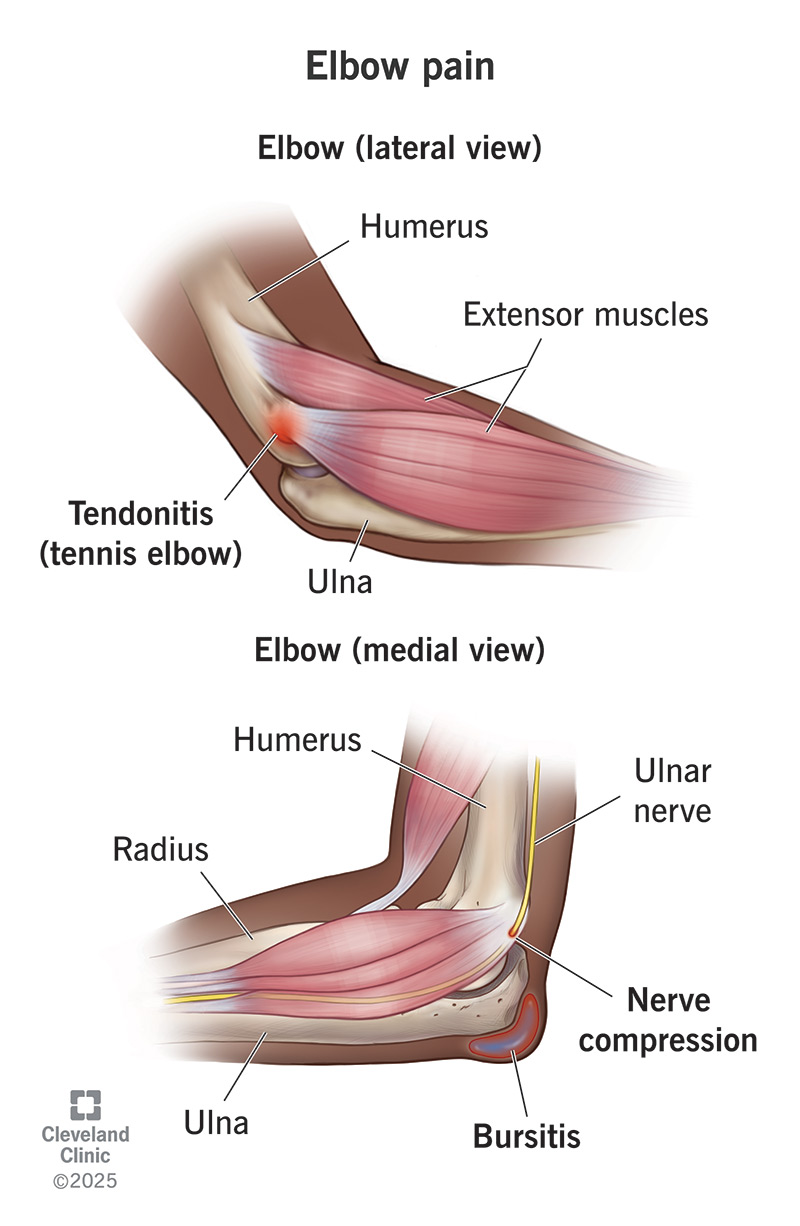
Credit: my.clevelandclinic.org
Frequently Asked Questions
What Are Common Causes Of Elbow Injuries?
Elbow injuries often result from overuse or repetitive movements, especially in sports like tennis and golf. Poor technique, inadequate warm-up, and lack of flexibility can increase risk. It’s crucial to ensure proper form and strength training to minimize chances of injury.
How Can I Strengthen My Elbow?
Strengthening your elbow involves exercises like wrist curls and forearm rotations. These help build muscle around the elbow, reducing injury risk. Incorporate resistance bands or light weights for effective training. Always consult a professional for personalized advice.
What Stretches Help Prevent Elbow Injuries?
Effective stretches for elbow injury prevention include wrist flexor and extensor stretches. These enhance flexibility and reduce strain. Perform these stretches before and after activities involving repetitive arm movements. Consistent stretching aids in maintaining joint health.
Are Elbow Injuries Common In Sports?
Elbow injuries are prevalent in sports involving repetitive arm movements, such as tennis and baseball. Improper technique and inadequate conditioning increase risk. It’s essential to follow proper training protocols and utilize protective gear to minimize injury chances.
Conclusion
Protecting your elbows is crucial for daily comfort. Remember to practice proper techniques during activities. Stretch regularly to maintain flexibility. Use protective gear when needed. Listen to your body; pain signals need attention. Consult a healthcare professional if issues persist.
Consistent care prevents long-term problems. Stay proactive in maintaining elbow health. Healthy elbows contribute to an active lifestyle. Your well-being depends on it. Prioritize your elbow safety every day.