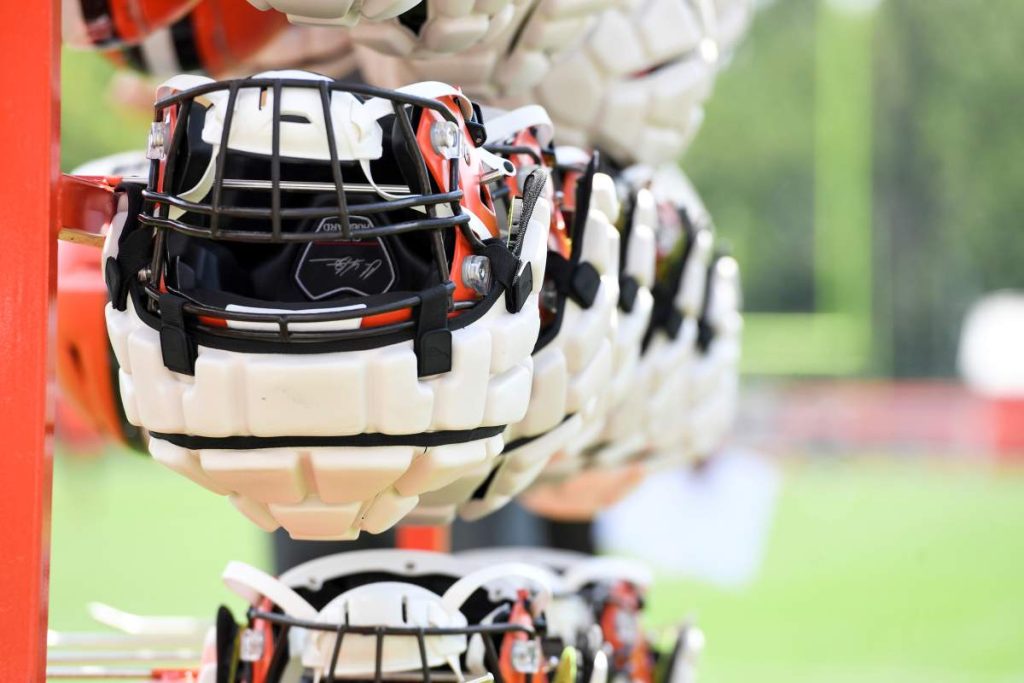
Imagine your heart racing as you watch your child or favorite athlete darting down the football field. The thrill of the game is unmatched, but it comes with its risks—especially head injuries.
As a parent, coach, or player, you understand the stakes. You want to enjoy the sport you love without constantly worrying about concussions or brain injuries. So, how can you keep the excitement alive while ensuring safety on the field?
The good news is, you’re not alone in this quest. By reading further, you’ll discover practical steps you can take to significantly reduce the risk of head injuries. The strategies you’ll find here are not just about safety—they’re about preserving the joy and passion that football brings. You’re about to learn how to safeguard not just the players’ heads, but also their love for the game.
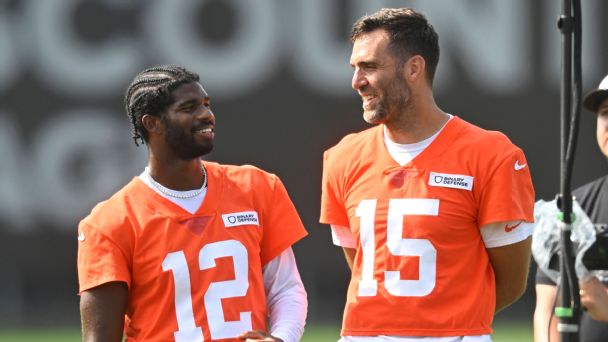
Credit: www.espn.com
Importance Of Preventing Head Injuries
Head injuries in football can have serious consequences. They affect players’ health and careers. Preventing these injuries is crucial for safety and well-being. Understanding the importance of prevention helps protect athletes.
Understanding The Risks
Football involves high-speed impacts and collisions. These can lead to concussions and other head injuries. Players often collide or fall, increasing the risk. Understanding these risks is the first step in prevention.
Protecting Long-term Health
Head injuries can cause long-term health issues. These include memory problems and headaches. Protecting players from such injuries ensures a healthier future. It’s not just about the current game but their life ahead.
Maintaining Performance Levels
Injuries can sideline players, affecting team performance. Preventing head injuries keeps athletes in the game. This maintains team strength and morale. Healthy players perform better, benefiting the whole team.
Ensuring Career Longevity
Repeated head injuries can shorten football careers. Preventing them allows players to enjoy longer careers. It provides athletes with more opportunities and success. A long career is a reward for taking preventive measures.
Building Awareness And Education
Education is key in preventing head injuries. Teaching players and coaches about risks helps. Awareness leads to better safety practices. It fosters a culture of safety in football.
Encouraging Safe Playing Techniques
Safe playing techniques reduce injury risks. Coaches should emphasize proper tackling and blocking. Training focuses on safety rather than aggression. This approach helps prevent head injuries effectively.
Common Causes Of Head Injuries
Football is thrilling, but head injuries can be a major concern. Understanding their common causes helps in prevention. Let’s explore the typical reasons behind these injuries.
Impact And Collisions
Collisions are a frequent cause of head injuries in football. Players often collide during tackles and headers. These impacts can be intense and unpredictable. High-speed plays increase the risk of collision. It’s crucial to minimize head-to-head contact. Proper training helps players avoid unnecessary impacts.
Improper Technique
Using improper technique can lead to head injuries. Players must be taught safe ways to tackle and head the ball. Incorrect posture or movement can increase injury risk. Coaches should emphasize correct form during practice. Regular drills can reinforce safe techniques. Proper technique ensures player safety and reduces injury chances.
Role Of Protective Gear
Proper protective gear plays a crucial role in preventing head injuries in football. Helmets and padding absorb impact, reducing the risk of concussions.
Protective gear plays a crucial role in preventing head injuries in football, acting as the first line of defense against impacts. The right gear can mean the difference between a minor collision and a life-altering injury. As a player or a coach, understanding and choosing the right protective equipment is essential. Let’s explore how helmet standards, mouthguards, and face shields contribute to player safety.Helmet Standards
The helmet is arguably the most critical piece of protective gear in football. Choosing a helmet that meets high standards is vital for protection. Modern helmets are designed to absorb impact through advanced materials and padding. Ensure the helmet fits snugly; a loose helmet can fail during impact. Check if your helmet is certified by organizations like NOCSAE (National Operating Committee on Standards for Athletic Equipment). Consider helmets with added features like shock absorption layers or rotational force protection. These can significantly reduce the risk of concussions.Mouthguards And Face Shields
Mouthguards are often overlooked but are essential for preventing facial injuries and concussions. They act as a cushion between your teeth and reduce jaw impact during collisions. Custom-fitted mouthguards provide better protection than standard ones. They are tailored to your mouth’s shape, ensuring comfort and effectiveness. Face shields offer additional protection, especially for players with a history of facial injuries. They can be attached to helmets and provide a barrier against direct hits to the face. Are you prioritizing protective gear in your football routine? Investing in quality equipment is investing in your safety.
Credit: www.instagram.com
Training For Safe Play
Training for safe play is crucial in football. Proper training minimizes head injury risks. Players must learn safe techniques and stay aware during games. Coaches play a key role in fostering safety on the field.
Teaching Proper Tackling Techniques
Safe tackling starts with the right technique. Coaches should teach players to tackle with heads up. This reduces the chance of head injuries. Demonstrations and practice sessions help players learn better. Video tutorials can also support learning. Consistent practice ensures players remember safety techniques.
Emphasizing Awareness On The Field
Awareness during play is essential. Players should always know their surroundings. This helps them avoid unexpected collisions. Coaches can run drills that focus on field awareness. These drills improve reaction time and decision-making. Encouraging communication among teammates also boosts awareness. It’s vital for players to alert each other of potential dangers.
Implementing Safety Protocols
Implementing safety protocols in football reduces head injury risks significantly. Use protective gear and enforce proper tackling techniques. Regular training on safety rules is essential for all players.
Implementing safety protocols in football is crucial to prevent head injuries. Effective measures help create a safer environment for players. Coaches, players, and officials must work together. Clear protocols reduce risks and promote awareness.Game Rules And Regulations
Football’s rules should emphasize player safety. Helmets must be worn correctly at all times. Officials should enforce rules consistently. Penalties for dangerous plays deter risky behavior. Educating players about safe techniques is vital. Limit aggressive tackles to reduce head injury risks. Regular updates to rules ensure they address modern safety needs.Emergency Procedures
Preparedness is key in handling emergencies. Every team needs a clear plan. Coaches should train staff on emergency protocols. First aid kits must be readily available. Quick response can prevent further harm. Medical personnel should be present at every game. Teams should practice emergency drills regularly. Communication during an emergency is crucial.Monitoring And Recovery
Proper monitoring and recovery strategies can significantly reduce football head injuries. Regular checks and prompt recovery plans are crucial. Implementing effective techniques helps maintain player safety and minimize risks.
Monitoring and recovery are crucial aspects of preventing head injuries in football. As a sport that demands high physical contact, football requires players, coaches, and medical staff to be vigilant. Recognizing symptoms early and ensuring effective recovery can make all the difference in a player’s health and career longevity.Recognizing Symptoms Of Head Injuries
Understanding the signs of head injuries is essential for timely intervention. Common symptoms include headaches, dizziness, confusion, and nausea. A player might also experience blurred vision or sensitivity to light. You might wonder if a player is just tired or if it’s something more serious. Trust your instincts—if something seems off, it probably is. Always err on the side of caution and have a medical professional assess the player.Steps For Effective Recovery
Recovery from a head injury isn’t just about resting. It’s about structured rest and gradual reintegration into the sport. Here’s how you can ensure a player recovers effectively: – Initial Rest: Allow the player complete mental and physical rest. Avoid activities that require concentration or physical exertion. – Gradual Return: Once symptoms subside, slowly reintroduce light activities. This could be short walks or simple exercises. – Monitoring Progress: Keep a close eye on any returning symptoms. If the player experiences any, step back to the previous level of activity. – Medical Clearance: Before fully returning to play, ensure the player gets medical clearance. This step is crucial to avoid long-term damage. Your role in monitoring and recovery can significantly impact a player’s wellbeing. Would you rather take a cautious approach now or risk long-term consequences later? Prioritize health over haste, and you’ll never regret it.Expert Insights And Advice
Expert advice offers practical tips for preventing head injuries in football. Use proper gear and practice safe techniques consistently. Educate players on the importance of following rules and maintaining awareness during games.
Preventing head injuries in football is a pressing concern for players, coaches, and parents alike. The game is thrilling, but safety must come first. To gain a deeper understanding of effective prevention methods, we turn to insights and advice from seasoned experts. Their experiences and recommendations can guide you in making informed decisions on the field.Testimonials From Coaches
Many coaches emphasize the importance of proper technique in tackling and playing. Coach Sam from Greenfield High shares his experience: “I’ve seen a significant reduction in injuries after implementing regular training sessions focused on tackling techniques. It’s crucial to prioritize safety over aggressive play.” Another coach, Julie from Riverside Academy, insists that education is key. “We ensure our players understand the risks and the importance of wearing protective gear correctly. Regular workshops have made a difference.” Coaches often highlight the need for continuous learning. Are your current strategies enough to protect your players?Medical Expert Recommendations
Medical experts stress the importance of helmet safety. Dr. Emily White, a sports physician, advises: “Choosing the right helmet and ensuring it fits well can prevent many injuries. Regular checks and updates are essential.” Dr. Mark Lewis, a neurologist, suggests incorporating neck exercises into training routines. “Strengthening neck muscles can help reduce the impact during collisions.” Experts also recommend baseline testing for players. This approach helps track any changes and manage injuries effectively. Are you taking these preventive steps to ensure player safety? By considering these expert insights, you can create a safer environment for your team. Safety isn’t just about rules; it’s about proactive measures and informed decisions.
Credit: www.instagram.com
Frequently Asked Questions
What Are Common Football Head Injuries?
Football head injuries often include concussions, skull fractures, and contusions. Concussions are the most common, affecting brain function temporarily. Skull fractures can be severe, requiring medical attention. Contusions, or bruises on the brain, can result from direct impact. All these injuries emphasize the importance of safety measures in football.
How Can Helmets Prevent Head Injuries?
Helmets reduce the risk of head injuries by absorbing impact forces. They protect against skull fractures and minimize concussion severity. Properly fitted helmets ensure maximum protection during play. Regularly inspecting and replacing helmets maintains their effectiveness. Despite their importance, helmets alone don’t prevent all injuries, emphasizing comprehensive safety strategies.
Are Mouthguards Effective Against Concussions?
Mouthguards primarily protect teeth and reduce jaw injuries but might help lower concussion risks. They stabilize the jaw during impacts, potentially reducing force transmission to the brain. While not a substitute for helmets, using mouthguards is a recommended safety measure.
Overall, they contribute to a multi-layered approach to injury prevention.
What Training Improves Player Safety?
Proper tackling techniques and strength training enhance player safety. Coaches should emphasize safe tackling methods to avoid head impacts. Strengthening neck muscles can reduce injury risks by stabilizing the head during collisions. Regular safety drills and education reinforce safe practices, leading to fewer injuries over time.
Conclusion
Preventing head injuries in football requires commitment and awareness. Equip players with proper helmets. Teach them safe tackling techniques. Encourage open communication about discomfort or pain. Regularly assess and update safety protocols. Coaches and parents should stay informed. Empower players with knowledge on injury prevention.
Consistency in practice is key. Prioritize player safety over competition. This approach ensures a safer playing environment. Protecting young athletes should always be the top priority. With these steps, we can reduce head injuries. Football can remain a fun and safe sport for everyone.
Let’s keep it that way.