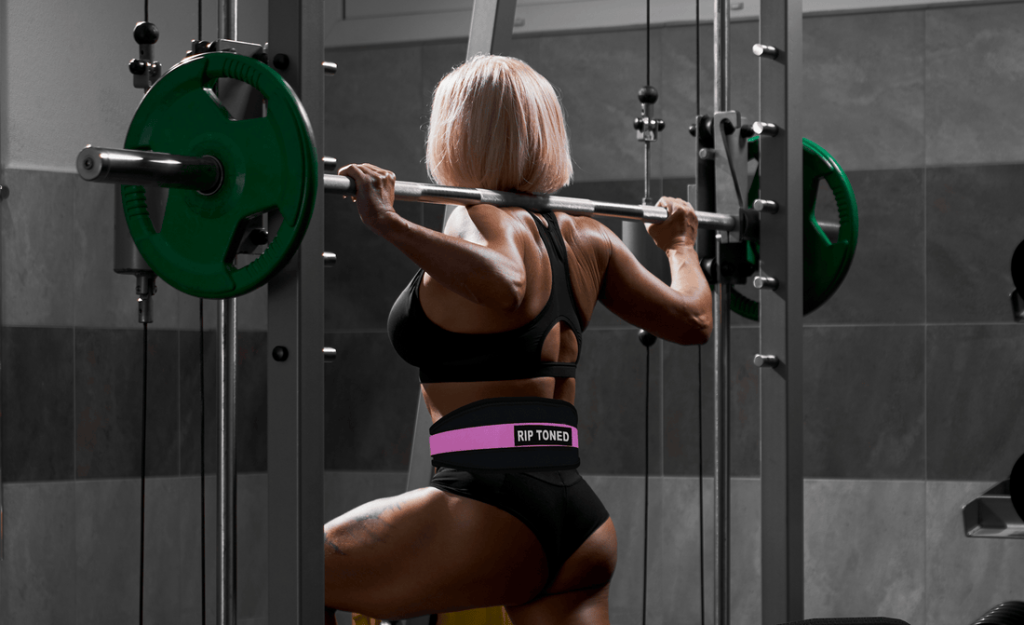
Imagine stepping into the gym, ready to conquer your workout. You strap on a weight belt, wondering if it’s the secret weapon to protect you from injury.
But does it really work? If you’ve ever questioned the effectiveness of weight belts, you’re not alone. Many fitness enthusiasts like yourself are curious about whether these belts are a true safeguard or just another piece of gym gear. You’ll discover the truth about weight belts and how they could impact your fitness routine.
Stay tuned to find out if they’re worth the hype and how to use them safely for optimal performance.
Understanding Weight Belts
Weight belts support the lower back during heavy lifting, potentially reducing the risk of injury. They help stabilize the spine, allowing for safer movement while handling weights. Using them correctly enhances safety without compromising natural body mechanics.
Understanding Weight Belts Weight belts are a common sight in gyms, especially around the weightlifting area. These belts are not just a fashion statement for the serious lifter; they serve a crucial function. Their primary goal is to support your lower back during heavy lifts.Purpose Of Weight Belts
Weight belts are designed to increase intra-abdominal pressure, which helps stabilize your spine. This stabilization is particularly important during exercises like squats and deadlifts. By wearing a belt, you’re essentially giving your core muscles a bit of extra help to keep everything in alignment. Have you ever felt a little wobble in your form when lifting heavy? A weight belt might be the tool you need to maintain proper posture and prevent that dreaded back strain. But remember, a belt is not a substitute for a weak core—it’s an aid, not a crutch.Types Of Weight Belts
Weight belts come in various styles, each with its own set of benefits. Here’s a quick rundown of the most common types:- Powerlifting Belts:These are usually thicker and more rigid, providing maximum support for heavy lifts. They’re ideal for serious lifters aiming to hit personal records.
- Velcro Belts:Lightweight and easy to adjust, these are great for quick transitions between exercises. They might not offer the same level of support as leather belts but are excellent for general gym use.
- Bodybuilding Belts:These are designed to be more flexible, allowing for a wider range of motion. They strike a balance between support and comfort, perfect for those focused on aesthetics and muscle building.
Mechanics Of Injury Prevention
Weight belts support the lower back during heavy lifts. They provide stability, reducing strain and potential injury. Proper use and technique are key for effective prevention.
Understanding how weight belts prevent injury is crucial for anyone lifting weights. These belts are often seen as a must-have accessory, but do they truly protect you? Let’s explore the mechanics behind their injury prevention capabilities.How Weight Belts Work
Weight belts provide support by increasing intra-abdominal pressure. This pressure acts like an internal brace, stabilizing your spine during heavy lifts. It’s akin to having an extra layer of protection, allowing you to push your limits safely. These belts are particularly beneficial for exercises like squats and deadlifts. In these movements, your lower back is under significant strain. A weight belt helps distribute this stress more evenly, reducing the risk of injury. Have you ever noticed a boost in confidence when wearing a belt? That psychological edge can also enhance performance, encouraging better form and focus.Impact On Spine And Core
The spine is the backbone of your lifting technique, literally and figuratively. Weight belts help maintain a neutral spine position, minimizing the likelihood of injury. This is especially important when lifting heavy, as even minor misalignments can lead to serious issues. However, relying too heavily on a belt can weaken your core. Your core muscles are essential for overall stability and strength. Overusing a belt might lead to underdeveloped core muscles, which can be counterproductive in the long run. Consider using a belt strategically. Use it for max lifts, but train your core regularly to ensure balanced muscle development. Are you using the belt as a crutch, or as a tool to enhance your lifting safely?Scientific Studies And Evidence
Scientific studies explore the role of weight belts in injury prevention. Evidence shows these belts offer support to the spine during heavy lifting. While helpful, they are not a guaranteed solution for avoiding injuries.
The question of whether weight belts truly prevent injuries has intrigued many fitness enthusiasts and professionals alike. To cut through the noise, let’s dive into the scientific studies and evidence surrounding this topic. By examining research findings and expert opinions, we can better understand the role weight belts play in our workout routines.Research Findings
Several studies have been conducted to evaluate the effectiveness of weight belts in injury prevention. Research indicates that weight belts can increase intra-abdominal pressure, which may help stabilize the spine during heavy lifts. This stabilization can potentially reduce the risk of back injuries. However, not all studies agree. Some suggest that reliance on weight belts might lead to weakened core muscles over time. This could increase your risk of injury when lifting without a belt. The key takeaway? While weight belts may offer benefits, they are not a substitute for proper lifting techniques and a strong core.Expert Opinions
Many fitness experts emphasize the importance of using weight belts wisely. Renowned strength coaches often advise using belts only during maximum lifts. This ensures that your core muscles remain engaged and strong during regular workouts. Experts also highlight the psychological benefits of wearing a belt. For some, it provides a sense of security and confidence when attempting heavy lifts. This mental boost can enhance performance, but it’s crucial not to let it lead to over-reliance. What do you think? Is a weight belt a tool you rely on, or do you prefer to strengthen your body naturally? The decision ultimately lies in understanding your body’s needs and listening to expert advice.
Credit: www.gymreapers.com
Common Misconceptions
Weight belts are popular in gyms. Many believe they prevent injuries. But, there are misconceptions about their actual benefits. Misunderstandings can lead to misuse. It’s important to know the facts. This will help you make informed choices.
False Beliefs
Some think weight belts are magical. They assume belts automatically prevent all injuries. This is not true. Belts offer support, but not complete protection. Others believe belts make you stronger. Wearing a belt does not increase strength. Many see belts as a solution for bad form. But poor technique can still cause harm.
Truth Behind The Myths
Weight belts support your core. They help maintain a proper posture. This reduces stress on the spine. However, they are not a cure-all. Proper technique is still crucial. Belts are most effective with heavy lifting. They are less helpful for light exercises. Regular use can weaken core muscles. Rely on belts only when necessary. Always focus on proper form.
Proper Use Of Weight Belts
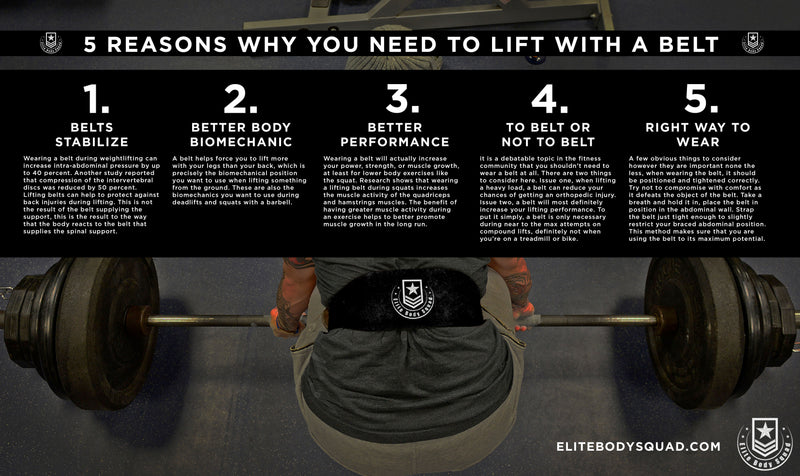
Weight belts are often seen as a staple in the gym, especially when lifting heavy. But simply strapping one on doesn’t automatically guarantee safety. Understanding the proper use of weight belts can significantly enhance their benefits and help prevent injuries.
When To Use
Weight belts are most beneficial during heavy lifting, especially in exercises that stress the lower back, like squats and deadlifts. They offer added support when lifting at or near your maximum capacity. However, for lighter weights, relying on a belt might hinder the development of core strength and stability.
Consider your training goals and current physical condition. If you’re recovering from an injury or aiming to break a personal record, a belt can provide the extra support needed. Always listen to your body—it’s better to lift lighter without a belt than to risk injury with one.
Correct Techniques
Using a weight belt correctly involves more than just wrapping it around your waist. Position it snugly around your lower back and abdomen without restricting your breathing. A common mistake is wearing it too high, which can reduce its effectiveness.
Before lifting, take a deep breath and brace your core against the belt. This creates intra-abdominal pressure, providing stability and reducing spinal stress. Practice this technique with lighter weights to get accustomed to the additional support.
Remember, a weight belt is a tool, not a crutch. It should complement your form, not compensate for poor technique. Are you using it to enhance your performance or merely masking weaknesses? Reflect on your training habits and ensure your foundation is strong before adding extra layers of support.
Credit: www.elitebodysquad.com
Alternatives To Weight Belts
While weight belts are often used to provide support during heavy lifting, they are not the only way to protect your back and core. Many lifters wonder if there are better alternatives that can help prevent injury while still allowing for strength gains. If you’re curious about other methods, there are several effective options to consider.
Strengthening Exercises
Building a strong foundation is key to preventing injury. Strengthening exercises that target your core, back, and legs can offer natural support. Think of your body as an interconnected system, where strengthening one part can bolster another.
- Engage in planks, bridges, and deadlifts to build core stability and back strength.
- Incorporate squats and lunges to enhance leg power and balance.
- Consider functional movements like kettlebell swings for dynamic support.
These exercises not only enhance your lifting performance but also make you more resilient to injuries. Have you ever tried holding a plank for a minute? You might be surprised by how much it challenges your core.
Supportive Equipment
There are various supportive equipment options that can be used as alternatives to weight belts. These include knee sleeves, wrist wraps, and compression garments that provide stability and support.
- Use knee sleeves to protect your joints during squats and leg presses.
- Wrap your wrists to stabilize them during overhead lifts and bench presses.
- Consider compression garments to enhance muscle recovery and reduce fatigue.
These tools are designed to support specific areas, allowing you to lift confidently without relying solely on a weight belt. Have you tried using knee sleeves during your leg day? They might just give you the extra support you need.
Real-world Experiences
Weight belts offer support during heavy lifting. Many believe they help prevent injuries by stabilizing the spine. Yet, real-world experiences show mixed results. Some find added safety, while others see no difference. Proper technique remains crucial for injury prevention.
Real-world experiences offer invaluable insights when it comes to understanding the effectiveness of weight belts in preventing injuries. While scientific studies provide data, personal stories and testimonials add a layer of authenticity that numbers alone can’t capture. Listening to those who have walked the walk can help you make informed decisions about your own fitness journey.Testimonials From Athletes
Many athletes swear by their weight belts, citing them as essential for their training routines. A seasoned powerlifter, John, shares how his weight belt made a significant difference in his performance. “I was skeptical at first, but the stability it provided during my deadlifts was undeniable,” he says. Similarly, Emma, a professional CrossFit athlete, recounts how using a belt helped her maintain form during intense workouts. “It’s not just about support; it’s about confidence in my lifts,” she notes. Their experiences highlight that for some, the psychological boost can be just as crucial as the physical support.Case Studies
A study conducted among competitive lifters revealed intriguing results. Participants who regularly used weight belts reported fewer instances of back strain compared to those who didn’t. In another case, a gym chain implemented a policy requiring belts for heavy lifting sessions. Over a year, they noticed a 20% reduction in lower back injuries among their members. These examples underscore the potential benefits of weight belts, but they also pose an important question for you: is a weight belt the missing piece in your injury prevention strategy? Remember, what works for one person may not work for another. Personal trials and adjustments are key to finding the right approach for you.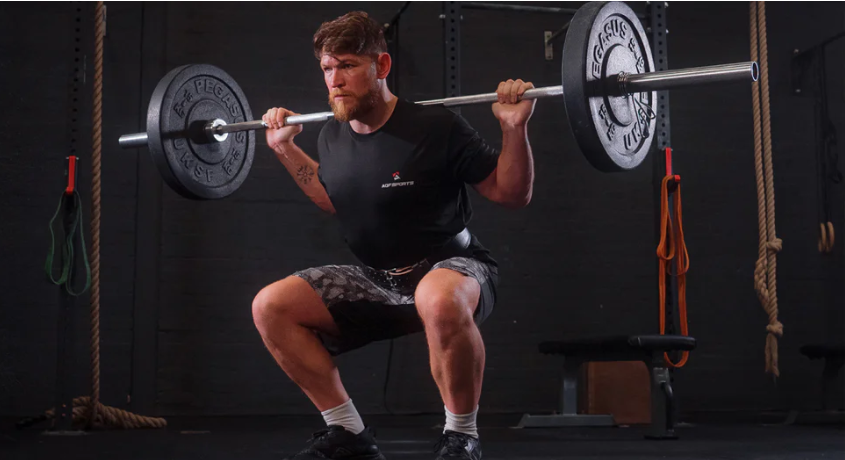
Credit: uk.aqfsports.com
Frequently Asked Questions
Do Weight Belts Really Prevent Injuries?
Weight belts can help stabilize your spine during heavy lifts, reducing injury risk. They support your core and lower back. However, they’re not a substitute for proper form and technique. Over-reliance may weaken your natural stabilizing muscles. Use them wisely, primarily during maximum lifts, and combine with good training practices.
When Should I Wear A Weight Belt?
Wear a weight belt during heavy lifting sessions, especially with squats and deadlifts. They’re most effective when lifting near your max capacity. Avoid using them for lighter weights or general training. Rely on your body’s natural stabilizers whenever possible to strengthen your core and lower back muscles.
Are Weight Belts Necessary For Beginners?
Weight belts aren’t necessary for beginners. Focus on developing proper form, technique, and core strength first. Beginners should concentrate on building foundational strength without additional aids. Over time, as lifting demands increase, consider using a belt for heavier lifts to enhance spinal support and reduce injury risk.
Can Weight Belts Cause Muscle Weakness?
Yes, excessive reliance on weight belts can lead to muscle weakness. They can diminish your core’s natural stabilizing abilities. Use them sparingly, mainly for heavy lifts. Balance belt use with exercises that strengthen your core. This ensures you’re not compromising your body’s ability to stabilize itself naturally.
Conclusion
Weight belts can help support your back during heavy lifts. They provide stability and can reduce strain. But they aren’t foolproof. Proper form and technique remain crucial. Over-reliance on belts might weaken core muscles. It’s important to listen to your body.
Know when to use a belt and when to skip it. Consult with a fitness professional for personalized advice. Remember, safety should always come first. Balancing belt use with strength training ensures better outcomes. Stay informed, and exercise wisely.