Are you tired of the nagging discomfort that holds you back from your favorite activities? Groin injuries can be a real pain, literally and figuratively.
Whether you’re an athlete pushing your limits or someone who enjoys a weekend jog, the risk of pulling a muscle in this sensitive area is always looming. But what if you could avoid the agony altogether? Imagine moving freely without the constant worry of injury.
In this guide, you’ll discover practical tips and expert advice on how to prevent groin injuries effectively. Your path to pain-free movement starts here, so keep reading to unlock the secrets to safeguarding your body.
Understanding Groin Injuries
Stretching before physical activity can reduce the risk of groin injuries. Wearing proper footwear and maintaining good posture are important. Gradually increasing exercise intensity helps prevent strain on groin muscles.
Understanding groin injuries is crucial for anyone active in sports or physical activities. These injuries can be painful and debilitating, often sidelining individuals for weeks or even months. Recognizing the causes and symptoms early can help you prevent more severe damage and lead to a faster recovery.Common Causes
Groin injuries often occur due to sudden movements or overuse. Imagine playing soccer and pivoting quickly to dodge an opponent; this sudden shift can strain your groin muscles. Another common cause is inadequate warm-up before engaging in physical activities. Your muscles need proper preparation to handle the stress of exercise. Additionally, weak core muscles can increase the risk, as they fail to support the body during intense movements.Symptoms And Diagnosis
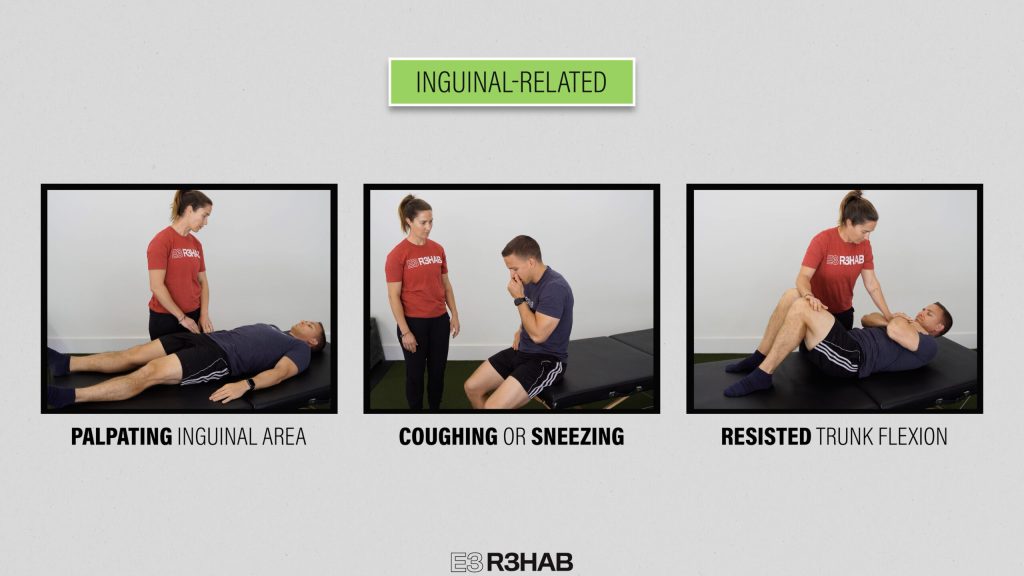
Identifying symptoms early can make a significant difference. You may feel a sharp pain in your inner thigh or groin area, especially during movement. Swelling and bruising might follow, indicating a more severe strain. Diagnosing a groin injury often involves a physical examination where a doctor might ask you to move your leg in different directions to assess pain levels. In some cases, imaging tests like an MRI may be necessary to pinpoint the exact damage. Knowing these details, how do you think your current routine could be adjusted to minimize the risk?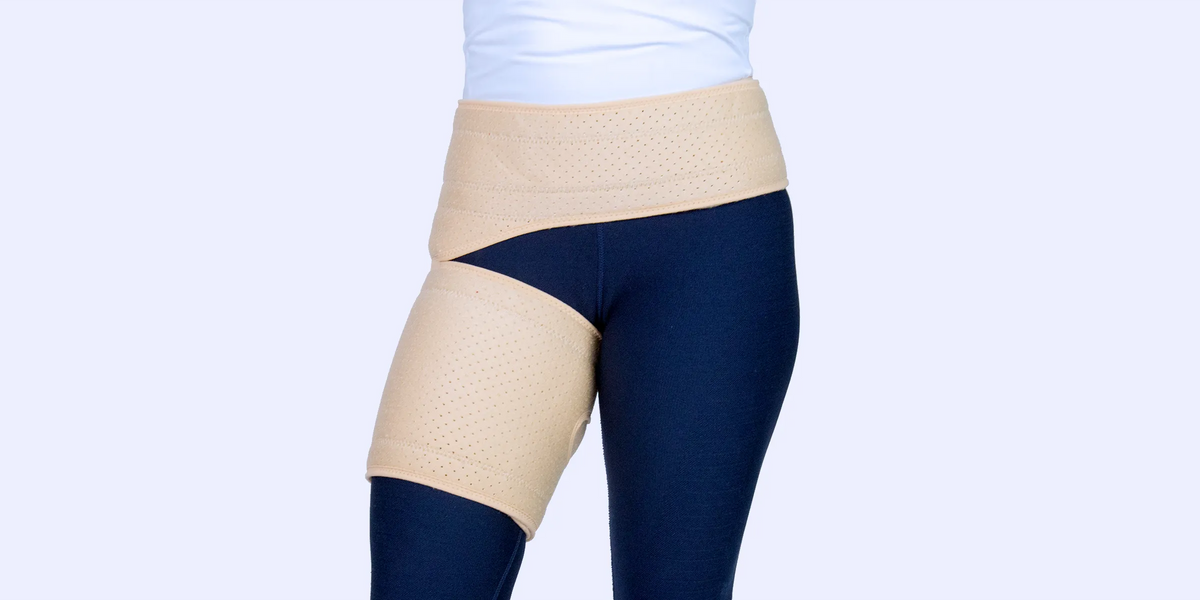
Credit: www.vivehealth.com
Preventive Measures
Warming up properly before physical activities can reduce the risk of groin injuries. Stretching exercises strengthen muscles and improve flexibility. Wearing appropriate athletic gear provides support and minimizes strain.
Preventing groin injuries requires a mix of good practices. These include warming up correctly, stretching, and other effective measures. By following these strategies, you can maintain your fitness and stay injury-free.Proper Warm-up Techniques
A proper warm-up is essential for preventing injuries. Start with light cardio exercises. This increases blood flow to your muscles. Walking or slow jogging works well. Spend at least 5 to 10 minutes on this. Gradually increase your pace. This prepares your body for more intense activity. Include dynamic stretches in your routine. Leg swings or arm circles are effective. Dynamic stretches help improve flexibility. They also prepare your muscles for physical demands. Make sure to focus on your lower body. This ensures your groin muscles are ready for action.Importance Of Stretching
Stretching is vital for preventing injuries. It keeps muscles flexible and strong. Focus on both static and dynamic stretches. Static stretches involve holding a position. Hold each stretch for 15 to 30 seconds. This improves muscle elasticity. Include stretches that target the inner thighs. Butterfly stretches are excellent. They specifically target groin muscles. Lunge stretches also work well. They help maintain a full range of motion. Incorporate stretching into your daily routine. This helps in maintaining overall flexibility. Stretch after your workout too. It aids in muscle recovery. Stretching reduces the risk of muscle strains. And, it makes your body more resilient.Strengthening Exercises
Strengthening exercises can help prevent groin injuries by enhancing muscle stability and flexibility. Focus on lower body workouts, like lunges and squats, to build strength. Incorporating stretching routines can improve range of motion and reduce injury risk.
Strengthening Exercises Preventing groin injuries isn’t just about rest. It’s about building resilience in your muscles. Strengthening exercises are key to fortifying the body against potential strains. They help in stabilizing the pelvis and strengthening the surrounding muscles. With consistent practice, you can increase flexibility and reduce the risk of injury.Core Strengthening
A strong core acts as a foundation for your entire body. When your core is robust, it supports the groin and surrounding muscles. Consider starting with planks. They’re effective and simple. Hold a plank for 30 seconds to start and gradually increase as you become more comfortable. Russian twists are another beneficial exercise. Sit on the ground with your knees bent, lean back slightly, and twist your torso from side to side. This engages your obliques and strengthens the core.Hip Flexor Exercises
Your hip flexors play a critical role in movement. Strengthening them can prevent groin injuries. Try the standing knee raise. While standing, lift one knee towards your chest, hold for a few seconds, and then switch legs. This exercise is straightforward yet effective. Lunges are also great for hip flexors. Step forward with one leg, lower your hips until both knees are bent at a 90-degree angle. Alternate legs for a balanced workout. Are you integrating these exercises into your routine? If not, it’s time to start! A proactive approach today can save you from pain tomorrow. Making these exercises part of your weekly workout can make a world of difference.Correct Movement Practices
Correct movement practices play a crucial role in preventing groin injuries. Whether you’re an athlete or someone who enjoys physical activities, understanding how to move your body safely can make a significant difference. By being mindful of your movements, you can reduce the risk of experiencing painful setbacks.
Safe Lifting Techniques
Lifting heavy objects without proper technique can strain your groin muscles. Always start by bending your knees, not your waist, and keep the object close to your body. Engage your core muscles to support your lower back and keep your movements slow and steady.
Think about your posture. Is your back straight, or are you hunching over? A straight spine can prevent undue pressure on your groin area. Next time you’re about to lift something, pause and check your stance. It could be the difference between a good workout and a trip to the doctor.
Avoiding Overexertion
Overexertion is a common cause of groin injuries, especially in activities that involve sudden movements. Listen to your body and recognize when it’s telling you to take a break. Pushing yourself too hard might seem tempting, but it can lead to long-term damage.
Consider incorporating rest days into your routine. This doesn’t mean avoiding all activity, but rather allowing your muscles to recover. Balance is key, and your groin will thank you for it. Ask yourself, is today’s workout worth potentially sidelining yourself for weeks?
By adopting these correct movement practices, you can enjoy a more active life with fewer injuries. Each small adjustment in your routine can contribute to a healthier, more resilient body. What changes will you make today to protect your groin and keep moving forward?
Choosing The Right Gear
Selecting the right gear is crucial in preventing groin injuries. Opt for snug-fitting shorts and supportive underwear. Proper footwear can also help in reducing risk.
Choosing the right gear is crucial in preventing groin injuries. Proper gear offers protection and stability during physical activities. It minimizes the risk of strain and discomfort. Ensuring you have the right equipment can make all the difference. Let’s explore some key aspects of gear selection.Supportive Footwear
Supportive footwear is essential for groin injury prevention. Shoes should have good arch support and cushioning. This helps absorb shock and reduces pressure on the groin area. A firm heel counter can provide additional stability. Look for shoes with adequate grip to prevent slipping. Proper fit is crucial; avoid shoes that are too tight or too loose.Protective Athletic Wear
Protective athletic wear offers additional safety. Compression shorts can support the groin muscles. They reduce muscle fatigue and enhance blood circulation. Breathable fabrics keep you comfortable during activity. Choose gear that allows freedom of movement. Ensure the athletic wear fits snugly without restricting mobility.Recovery And Rehabilitation
Recovering from a groin injury requires careful attention and patience. The goal is to regain strength, flexibility, and function. A thoughtful approach ensures a quicker and safer return to activities. Below, explore ways to support recovery and rehabilitation.
Rest And Recovery Tips
Rest is crucial for healing a groin injury. Avoid activities that cause pain or discomfort. Give your body time to repair damaged tissues.
- Apply Ice:Use ice packs to reduce swelling and pain. Apply for 15-20 minutes every few hours.
- Compression:Wear a compression wrap to minimize swelling. This supports the injured area.
- Elevation:Elevate the injured leg whenever possible. This helps decrease swelling and pain.
- Hydration:Drink plenty of water. Staying hydrated supports the healing process.
Professional Rehabilitation Options
Consider professional help for a structured recovery plan. A physical therapist offers tailored exercises to aid rehabilitation.
- Physical Therapy:Guided exercises to improve strength and flexibility. A therapist ensures exercises are performed correctly.
- Massage Therapy:Helps relieve muscle tension and improve circulation. A qualified therapist can prevent further injury.
- Chiropractic Care:Adjustments can realign the body and alleviate pain. Chiropractors can enhance mobility and function.
- Acupuncture:Uses needles to relieve pain and promote healing. This can enhance blood flow to the injured area.
When To Consult A Professional
Understanding when to consult a professional can prevent long-term damage. Not every groin injury needs immediate medical attention. Yet, some symptoms suggest a more serious issue. Knowing these signs helps in seeking timely help.
Signs Of Severe Injury
Some groin injuries require expert intervention. Persistent pain that doesn’t improve with rest is one such sign. If swelling remains despite home treatment, it’s a red flag. Bruising that spreads can also indicate a severe problem. Difficulty walking or standing is another serious sign. Hearing a popping sound at the time of injury suggests muscle tear. Numbness or tingling should not be ignored.
Benefits Of Expert Advice
Consulting a professional ensures accurate diagnosis. They can provide a tailored treatment plan. This speeds up recovery and minimizes complications. Professionals can also recommend specific exercises. These help strengthen the area and prevent future injuries. They offer valuable guidance on safe activity levels. This advice reduces the risk of re-injury. Seeing a professional gives peace of mind.

Credit: www.instagram.com

Credit: gorungophysio.com.au
Frequently Asked Questions
What Exercises Prevent Groin Injuries?
Regular strengthening exercises like lunges and squats can prevent groin injuries. Incorporate flexibility training, such as yoga or stretching. Focus on core stability to support your movements. Always warm up before workouts to enhance muscle readiness. Proper technique during exercises helps in injury prevention.
How Can I Treat A Groin Strain?
Rest is crucial for treating a groin strain. Apply ice to reduce swelling and pain. Compression garments can provide support and aid recovery. Elevate the affected area when possible. Consult a healthcare professional for advice on rehabilitation exercises.
Are Stretches Effective For Groin Injury Prevention?
Yes, stretches are effective for preventing groin injuries. Dynamic stretches before activities warm up muscles effectively. Incorporate static stretches post-exercise to improve flexibility. Focus on stretching the hip flexors and adductors. Regular stretching routines maintain muscle health and reduce injury risk.
What Are Common Symptoms Of Groin Injuries?
Common symptoms include sharp pain in the groin area. Swelling and bruising may occur after an injury. Difficulty in moving or walking can be experienced. Tenderness when touching the affected region is common. Seek medical advice if symptoms persist or worsen.
Conclusion
Preventing groin injuries is crucial for staying active and healthy. Always warm up before exercise. Stretching helps muscles stay flexible. Choose proper footwear to support your activities. Stay hydrated to keep muscles functioning well. Listen to your body; rest if you feel pain.
Regular strength training can also help. Mix up your workouts to avoid overuse. Consult a professional if you’re unsure about your routine. Keeping these tips in mind reduces injury risk. Stay proactive about your health and enjoy your activities safely.
Remember, a little care goes a long way in injury prevention.