Are you worried about developing arthritis in your knee after an injury? You’re not alone.
Many people share this concern, and it’s a valid one. Knee injuries can be a real pain, and the thought of long-term arthritis is enough to keep anyone up at night. But here’s the good news: you can take steps to prevent this from happening.
Imagine a future where your knee feels strong and pain-free, allowing you to enjoy life’s activities without worry. This isn’t just a dream—it’s a reality you can work towards. We’ll explore practical tips and strategies to help you protect your knee and keep arthritis at bay. Dive in, and discover how you can take control of your knee health today.
Credit: www.amazon.ca
Early Intervention
Early intervention is crucial after a knee injury to prevent arthritis. Addressing symptoms swiftly can minimize long-term damage. By acting early, you can reduce pain and maintain mobility. Timely action helps preserve joint health and function.
Recognizing Symptoms
Recognize early signs of knee issues to prevent arthritis. Common symptoms include swelling, stiffness, and pain. Difficulty in moving the knee or persistent discomfort are warning signals. Catching these symptoms early can make a big difference.
Seeking Medical Advice
Consult a healthcare professional promptly after noticing symptoms. A doctor can assess the injury and recommend treatments. Early diagnosis helps in creating an effective recovery plan. Follow medical advice for better knee health outcomes.

Credit: www.totalorthosportsmed.com
Physical Therapy
Regular exercise strengthens muscles around the knee, offering vital support. Maintaining a healthy weight reduces stress on joints. Physical therapy helps improve flexibility and joint function, preventing arthritis development after an injury.
Physical therapy is a powerful ally in the battle against arthritis in the knee after an injury. It not only aids recovery but also strengthens your knee to prevent future issues. When you think about physical therapy, consider it a proactive approach rather than a reactive one. It’s about doing the work now to enjoy pain-free movement later.Strengthening Exercises
Strengthening exercises are crucial for building the muscles around your knee. These exercises provide support and stability, reducing the strain on the joint. A simple exercise like leg raises can be done daily. They are easy to do at home without any equipment. You might find squats challenging, but they are incredibly effective. Start with small bends and gradually increase the depth. Always listen to your body; if something feels off, pause and reassess. Consider using resistance bands to further improve strength. They add intensity to exercises, making your muscles work harder. This increased effort translates into better support for your knee.Flexibility And Stretching
Flexibility is key to keeping your knee healthy. Stretching exercises help maintain and improve flexibility, ensuring your joint stays limber and responsive. Try incorporating stretches such as hamstring stretches or calf stretches into your routine. These target areas that support your knee. They are quick, easy, and can be done anywhere. Yoga can be a fun way to enhance flexibility. It combines stretching with strength-building poses, offering a holistic approach. You might enjoy a class or find online videos to follow along at home. Why not make stretching a part of your daily routine? It’s a small commitment with a big payoff. Imagine the joy of moving freely without discomfort or pain.Lifestyle Adjustments
Making lifestyle adjustments is crucial for preventing knee arthritis after an injury. Small changes can have a big impact. Focus on maintaining a healthy weight and eating a balanced diet. These adjustments help reduce stress on your knees and promote healing.
Weight Management
Keeping a healthy weight reduces knee pressure. Extra weight strains joints, leading to pain. Regular exercise helps maintain weight. Low-impact activities like swimming or cycling are ideal. These exercises strengthen muscles without stressing knees.
Consult a physical therapist for tailored exercise plans. They can guide safe, effective workouts. Consistent physical activity is key. It enhances mobility and strengthens knee-supporting muscles.
Balanced Diet
A balanced diet is essential for joint health. Include foods rich in omega-3 fatty acids. Fish like salmon and sardines are excellent choices. These reduce inflammation in the body.
Fruits and vegetables provide vital nutrients. Leafy greens, berries, and citrus fruits are beneficial. Calcium and vitamin D are also important. They support strong bones. Dairy products, fortified cereals, and sunlight exposure help meet needs.
Limit processed foods and sugars. These can worsen inflammation. Opt for whole foods and fresh produce instead. A nutritionist can help create a diet plan. Tailor it to your specific needs for better results.
Protective Measures
Arthritis in the knee after an injury can be a daunting prospect, but taking proactive steps can make a significant difference in maintaining your joint health. Protective measures are essential to prevent further damage and ensure a speedy recovery. By focusing on knee support devices and proper footwear, you can enhance your knee’s stability and reduce strain.
Knee Support Devices
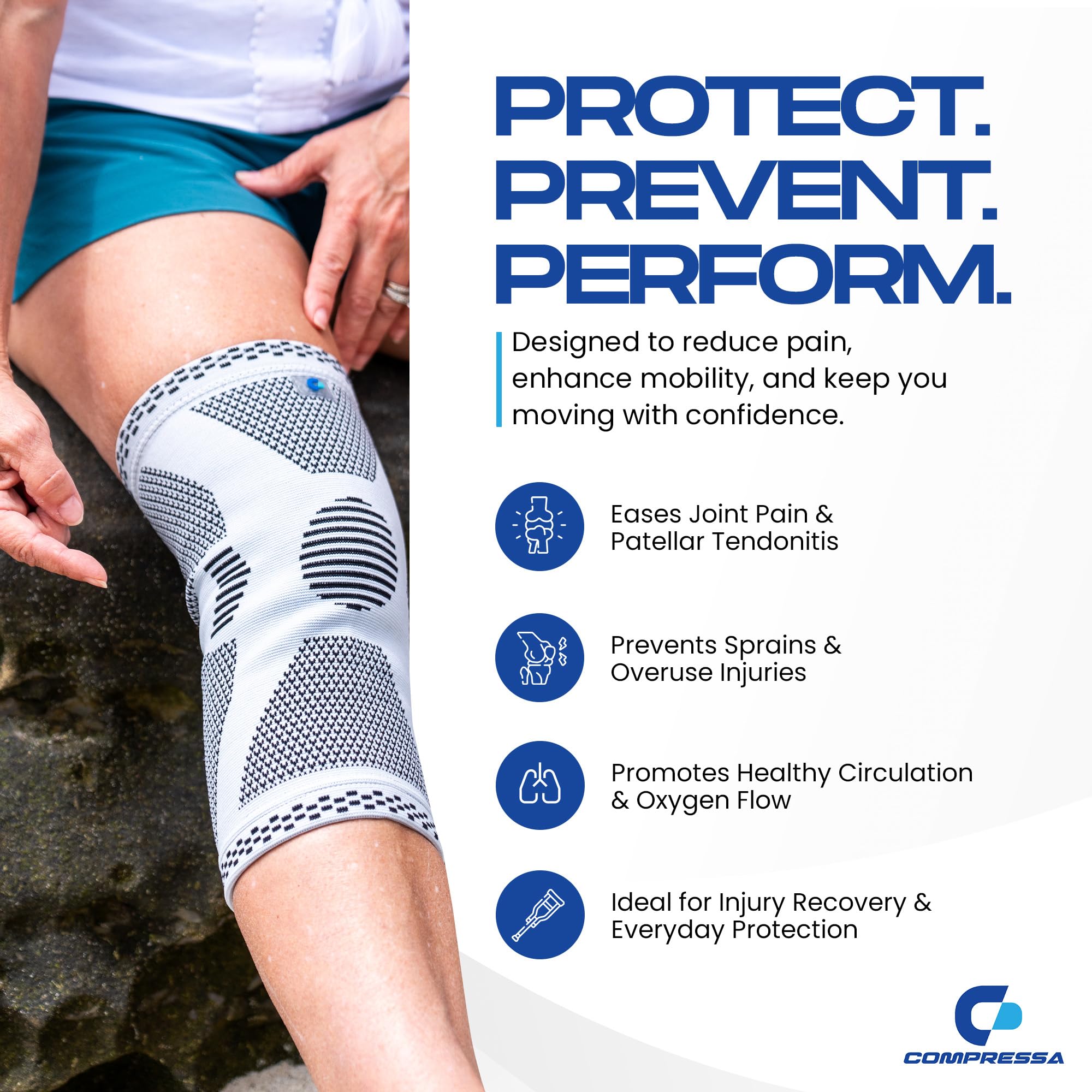
Consider using knee braces or supports to provide stability and alleviate pressure on your injured knee. Many people find relief with compression sleeves, which can reduce swelling and improve circulation. A friend of mine swears by her hinged knee brace after a skiing accident; it offers her support and confidence while she navigates daily activities.
Think about how you can incorporate these devices into your routine. Are you wearing them consistently during physical activities? Are you choosing the right type for your needs? Knee support devices are not one-size-fits-all, so take the time to find what works best for you.
Proper Footwear
Wearing the right shoes plays a crucial role in knee health. Opt for footwear that provides good arch support and cushioning to absorb shock. My cousin learned the hard way; after injuring his knee, he realized his flat-soled sneakers were doing more harm than good.
Reflect on your current footwear choices. Are your shoes helping or hindering your recovery? Investing in a pair of supportive shoes can be a game changer for knee health. You might be surprised at how much difference a simple change can make in your recovery journey.
Taking these protective measures not only aids in recovery but also prevents future complications. What steps are you willing to take to protect your knees today?
Pain Management
After suffering a knee injury, managing pain effectively is crucial to preventing arthritis. Pain management isn’t just about finding relief; it’s about ensuring that your knee recovers in a way that minimizes long-term complications. By addressing pain proactively, you can promote healing and maintain your mobility. Let’s delve into some practical pain management strategies.
Medication Options
Medications can play a pivotal role in managing knee pain post-injury. Over-the-counter options like ibuprofen and naproxen can reduce inflammation and alleviate pain. They’re often the first line of defense for many people.
Prescription medications might be necessary if your pain is severe. Consult your healthcare provider to explore options like stronger NSAIDs or even short-term opioids, if appropriate. Remember, medication should be used judiciously and under medical supervision.
Topical creams and patches containing analgesics or capsaicin can provide localized relief without systemic side effects. These can be particularly useful for targeting knee pain directly. Have you tried them?
Alternative Therapies
Alternative therapies can complement medication and offer additional pain relief. Physical therapy is often recommended for knee injuries, providing exercises that strengthen the surrounding muscles and improve joint stability.
Acupuncture has gained popularity for its ability to reduce pain and improve function. It’s worth considering if you’re open to non-conventional treatments. Many people find unexpected relief through regular sessions.
Mind-body practices like yoga and meditation can help manage pain by reducing stress and improving flexibility. These practices not only support physical health but also enhance mental well-being. Imagine feeling more relaxed and in control of your body.
What alternative therapies have you considered for managing knee pain?
Regular Monitoring
Regular monitoring of knee health after an injury helps spot early signs of arthritis. This proactive approach aids in timely interventions, reducing long-term joint issues. Regular check-ups and assessments can play a vital role in maintaining knee function and health.
Regular monitoring is crucial in preventing arthritis in the knee after an injury. Keeping a keen eye on your knee’s health can help you catch any issues early and manage them effectively. It empowers you to take proactive steps and make informed decisions about your recovery.Follow-up Appointments
Scheduling regular follow-up appointments with your healthcare provider is vital. These visits allow your doctor to assess your knee’s healing process and make necessary adjustments to your treatment plan. They can also provide professional advice tailored to your specific condition, ensuring you stay on the right path to recovery. Missing these appointments might seem tempting when you feel better, but they are your safety net. They offer an opportunity to discuss any concerns you might have, such as lingering pain or swelling. Remember, your doctor’s expertise can prevent minor issues from escalating into major problems.Tracking Progress
Keeping track of your progress helps you stay motivated and informed. You can maintain a journal or use an app to log your symptoms, pain levels, and any improvements over time. This not only keeps you engaged in your healing journey but also provides valuable data for your healthcare provider during appointments. Imagine being able to pinpoint exactly when your knee started feeling better or identifying activities that cause discomfort. By consistently tracking your progress, you gain insights into what works best for your knee. This empowers you to make lifestyle adjustments that promote long-term knee health. Regular monitoring, through diligent follow-ups and tracking, transforms you from a passive patient into an active participant in your recovery. Are you ready to take charge of your knee’s health journey?Stay Active
Regular movement helps maintain knee joint flexibility after an injury. Strengthening exercises support muscle health, reducing arthritis risk.
Staying active is a key strategy to prevent arthritis in the knee after an injury. It’s natural to think that rest is the best medicine, but keeping your knee in motion can actually aid recovery. Movement helps maintain joint flexibility and supports the healing process, reducing the risk of arthritis later on.Low-impact Activities
Choosing the right kind of exercise is crucial. High-impact activities can strain your knee, potentially worsening the injury. Opt for low-impact exercises that are gentle on your joints. Consider activities like swimming, which provides a full-body workout without putting pressure on your knee. Cycling is another excellent option, allowing you to build muscle without stress. Even walking, when done correctly, can strengthen your knee while keeping pain at bay.Building Endurance
Endurance is not just about running marathons. It’s about gradually increasing your activity levels to enhance knee strength and resilience. Start with short sessions, and slowly increase the duration as your knee adapts. You might begin with just 10 minutes of activity and work your way up. Listen to your body; if you experience pain, adjust your routine. Consistency is key—regular activity builds muscle support around the joint, reducing arthritis risk. How can you incorporate these activities into your daily routine? Think about times when you can swap sedentary moments for movement. Could you walk to the grocery store instead of driving? These small changes can make a big difference over time. Remember, staying active is a proactive step towards a healthier knee.
Credit: www.totalorthosportsmed.com
Avoid Re-injury
Strengthen knee muscles and maintain a healthy weight to reduce arthritis risk after injury. Engage in low-impact exercises like swimming or cycling to protect your joints.
Avoiding re-injury is crucial to prevent arthritis in the knee after an injury. Once the knee is hurt, it becomes vulnerable. Protecting it from further harm is vital. This involves adopting safe practices and being mindful of your surroundings. By taking proactive steps, you can safeguard your knee and promote long-term joint health.Safe Exercise Practices
Exercise can strengthen your knee and improve mobility. Choose low-impact activities to reduce stress on your knee. Swimming and cycling are excellent options. They engage muscles without straining joints. Always warm up before starting any exercise. Stretching increases flexibility and prepares your body. Listen to your body signals during workouts. If you feel pain, stop immediately. Gradually increase exercise intensity. This helps your knee adapt without risking injury. Consider working with a physical therapist. They can guide you on suitable exercises. Proper form is key. Incorrect posture can lead to re-injury. Focus on maintaining balance and control.Environmental Awareness
Your surroundings can impact your knee’s safety. Keep your home and workspace free of obstacles. Clear pathways reduce the risk of trips and falls. Ensure good lighting in all areas. Visibility is crucial for spotting hazards. Use non-slip mats in wet areas like bathrooms and kitchens. They provide grip and prevent slips. Be cautious on uneven surfaces. Grass, gravel, and sand require careful navigation. Wear supportive footwear that fits well. Shoes with cushioning can protect your knees. Avoid walking on icy or slippery surfaces. If unavoidable, tread carefully and consider using aids like walking sticks.Frequently Asked Questions
What Exercises Prevent Knee Arthritis After Injury?
Gentle exercises such as swimming, cycling, and walking can help prevent arthritis. They enhance blood flow and strengthen muscles around the knee. Always consult a physical therapist for a tailored exercise plan. Regular activity keeps joints flexible and reduces stiffness, contributing to long-term knee health.
Can Diet Affect Arthritis Risk In Injured Knees?
Yes, a balanced diet impacts arthritis risk. Consume anti-inflammatory foods like fish, nuts, and leafy greens. Maintain a healthy weight to reduce knee pressure. Avoid processed foods high in sugar and fat. Proper nutrition supports joint health and may prevent arthritis development.
How Important Is Rest After A Knee Injury?
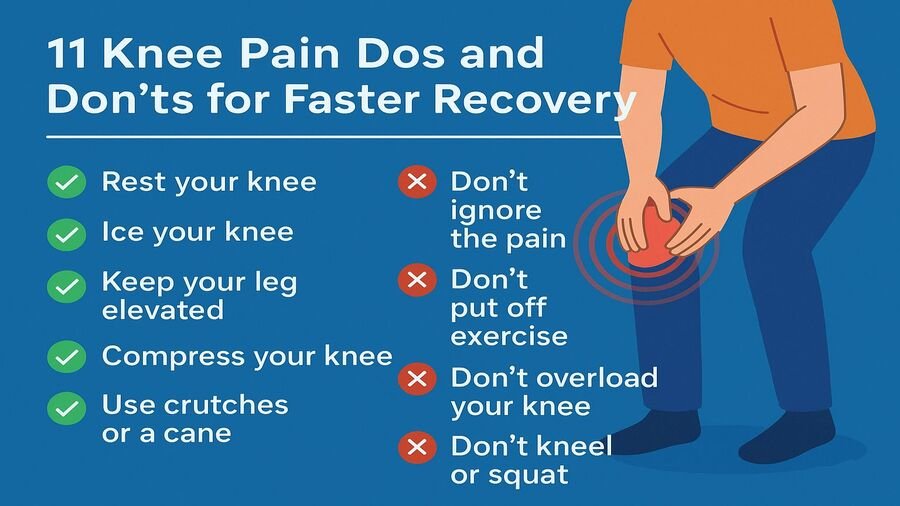
Rest is crucial for recovery and preventing arthritis. It allows the body to heal and reduces inflammation. Avoid overloading the injured knee to prevent further damage. Balance rest with gentle movement to maintain joint flexibility. Listen to your body and follow medical advice.
Are Knee Braces Effective Against Arthritis?
Knee braces can provide support and reduce arthritis risk. They stabilize the joint, alleviating pressure and preventing further injury. Consult a healthcare professional for the right type of brace. Proper use enhances mobility and may slow arthritis progression.
Conclusion
Preventing arthritis in the knee after an injury takes care and effort. Stay active to keep your knee strong. Exercise regularly, but avoid heavy strain. Listen to your body and rest when needed. Maintain a healthy weight to reduce stress on your knee.
Eat a balanced diet rich in nutrients. Consult your doctor for personalized advice. Wear supportive footwear for better joint protection. Early attention can make a big difference. Follow these steps for healthier knees. Stay proactive and protect your joints for long-term well-being.
Your knees will thank you.