
How to Prevent Birth Injuries Welcoming a new life into the world is one of the most joyous experiences you can have. Yet, amidst all the excitement and anticipation, concerns about birth injuries can linger in your mind.
You’re not alone; many expectant parents share these worries. But what if you could reduce the risks and take proactive steps to safeguard your baby’s well-being? Understanding how to prevent birth injuries is crucial. It empowers you to make informed choices and embrace this life-changing moment with confidence.
Dive deeper into this guide to discover practical tips and expert advice that will help ensure a safe and joyful birth experience for you and your little one.
Understanding Birth Injuries
Understanding Birth Injuries Ensuring proper prenatal care is key to preventing birth injuries. Regular check-ups help monitor the baby’s health. Educating expectant parents on safe delivery practices also plays a vital role.
Understanding birth injuries is crucial for expectant parents. Birth injuries happen during childbirth. They can affect both mothers and babies. Awareness and preparation can help reduce the risk.Common Types Of Birth Injuries
Birth injuries vary in severity. Some are mild, others more serious. Common types include:- Bruising and swelling
- Fractures, especially in the collarbone
- Nerve damage, such as brachial plexus injury
- Cephalohematoma, bleeding under the skull
- Facial paralysis
Causes Of Birth Injuries
Understanding the causes helps in prevention. Several factors increase risks:- Large baby size or macrosomia
- Premature birth
- Prolonged labor
- Use of delivery instruments
- Maternal health conditions
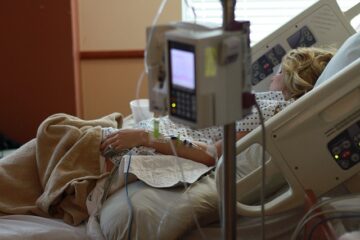
Credit: www.410thefirm.com
Prenatal Care Strategies
Regular check-ups and proper nutrition help ensure a healthy pregnancy. Choose a qualified healthcare provider for guidance. Understanding risk factors and taking preventive measures can significantly reduce the chances of birth injuries.
Prenatal care strategies play a crucial role in preventing birth injuries. They involve consistent monitoring and maintaining a healthy lifestyle. This ensures both mother and baby stay safe throughout pregnancy. Early intervention and proper care can reduce risks significantly.Regular Health Check-ups
Regular health check-ups are vital during pregnancy. They help track the baby’s growth and development. Routine visits allow healthcare providers to catch potential issues early. Expectant mothers should attend all scheduled appointments. These visits usually include ultrasounds, blood tests, and physical exams. Regular monitoring ensures any concerns are addressed promptly.Nutrition And Lifestyle Recommendations
Proper nutrition supports the health of both mother and baby. A balanced diet includes fruits, vegetables, lean proteins, and whole grains. Pregnant women should stay hydrated and avoid alcohol and tobacco. Prenatal vitamins often include folic acid, iron, and calcium. These nutrients are essential for the baby’s development. Regular exercise also helps maintain a healthy pregnancy. Low-impact activities like walking or swimming are beneficial.Choosing The Right Healthcare Provider
Selecting a skilled healthcare provider is crucial to prevent birth injuries. Prioritize experience and communication when making your choice. Regular check-ups and informed decisions contribute to a safe delivery.
Choosing the right healthcare provider is vital in preventing birth injuries. The healthcare provider’s expertise directly impacts the birthing experience. A skilled provider ensures both mother and child are safe. This decision requires careful consideration and research.Importance Of Experienced Medical Professionals
Experienced medical professionals bring expertise and confidence. They handle complications effectively. Their experience allows them to predict possible issues. They can provide timely interventions. This reduces the chances of birth injuries significantly. Trust in your healthcare provider matters. It brings peace of mind during childbirth.Questions To Ask Your Doctor
Ask about their experience with birth complications. Inquire about the hospital’s resources for emergency situations. Understand their approach to handling unexpected issues. Here are some essential questions:- What is your experience with high-risk pregnancies?
- How do you handle emergency situations during birth?
- What are the hospital’s facilities for newborn care?
- Can you provide references from previous patients?
Labor And Delivery Preparations
Proper labor and delivery preparations can help reduce the risk of birth injuries. Educating yourself, choosing skilled professionals, and having a birth plan are essential steps. Communicating openly with your healthcare team ensures you receive the best care during labor.
Preparing for labor and delivery is a crucial step in ensuring a smooth and safe birthing experience. These preparations can significantly reduce the risk of birth injuries. By focusing on key aspects like planning for a safe delivery and monitoring during labor, you can create an environment that supports both you and your baby’s health.Planning For A Safe Delivery
Start by choosing a healthcare provider who supports your birth plan and preferences. Having open discussions about your expectations and concerns is vital. Make a list of questions to ask during prenatal visits, ensuring you understand all procedures. Consider attending childbirth education classes. These sessions offer practical insights into labor and delivery, helping you feel more confident and prepared. Think about creating a birth plan that includes your preferences for pain management, labor positions, and post-delivery care. Share this plan with your healthcare team. Remember, flexibility is key. While planning is essential, being open to changes during labor can ensure you and your baby’s safety.Monitoring During Labor
During labor, continuous monitoring of both you and your baby is crucial. This helps detect any complications early. Discuss with your healthcare provider the types of monitoring available. Options include electronic fetal monitoring and intermittent auscultation. Understanding what each method involves can help you make informed decisions about your care. Stay attentive to your body’s signals during labor. If something feels off, communicate with your medical team immediately. Are there specific concerns you have about monitoring? Voicing these concerns can lead to tailored care that meets your needs.Postnatal Care And Recovery
Prioritize gentle exercises and proper posture to aid recovery and reduce birth injuries. Regular check-ups ensure early detection of potential issues. Educate on safe newborn handling techniques for both mother and baby well-being.
Postnatal care is a crucial period that significantly influences the health and well-being of both mother and child. This phase is not just about recovery but also about preventing potential birth injuries that could arise. Engaging in proper postnatal practices ensures a smoother transition and aids in long-term health.Immediate Care For Newborns
The first few hours after birth are critical for a newborn. Ensure the baby is kept warm and dry to prevent hypothermia. Skin-to-skin contact with the mother can stabilize the baby’s heart rate, temperature, and breathing. Breastfeeding should be initiated as soon as possible. This not only provides essential nutrients but also strengthens the bond between mother and child. A lactation consultant can be invaluable if you encounter any challenges. Monitoring for signs of distress is vital. Look out for unusual crying, difficulty breathing, or feeding problems, and seek medical advice promptly. This vigilance can prevent minor issues from becoming significant health concerns.Supporting Maternal Health
Maternal health is just as important as newborn care. Rest is crucial for recovery, so don’t hesitate to ask for help with household duties or childcare. Prioritize sleep whenever possible. Balanced nutrition supports healing and boosts energy levels. Incorporate a variety of fruits, vegetables, and proteins into your diet. Hydration is equally important, especially if you are breastfeeding. Mental health shouldn’t be overlooked. Emotional ups and downs are normal, but if you feel overwhelmed, reach out to a healthcare provider. Joining a support group or connecting with other new moms can offer comfort and practical advice. How are you prioritizing your health and well-being during this time? Taking small, consistent steps can make a significant difference in your recovery journey.
Credit: www.facebook.com
Importance Of Education And Awareness
Education and awareness are crucial for preventing birth injuries. Understanding prenatal care and delivery techniques can reduce risks. Informed parents and healthcare providers make safer choices, ensuring healthier outcomes for newborns.
The birth of a child is a precious moment. Yet, birth injuries can cast a shadow on this joy. Education and awareness play a vital role in prevention. Parents and healthcare providers need knowledge. This empowers them to make informed decisions. It also ensures a safer birthing experience.Resources For Parents
Parents can access numerous resources to learn about birth injuries. Books, online courses, and workshops offer valuable information. Many hospitals provide prenatal classes. These classes cover safe practices and potential risks. Joining support groups can also be beneficial. Parents can share experiences and advice. Websites dedicated to childbirth education are helpful, too. They often feature articles, videos, and expert opinions.Training For Healthcare Providers
Healthcare providers must receive proper training. This ensures they are aware of best practices. Regular workshops and seminars keep them updated. They learn about new techniques and technologies. Certifications in childbirth safety are crucial. These programs emphasize the importance of awareness. Providers must also engage in continuous education. This keeps their skills sharp and knowledge current. Proper training reduces the likelihood of errors.
Credit: purplemountainpt.com
Frequently Asked Questions
What Causes Birth Injuries?
Birth injuries can result from various factors, including prolonged labor, improper use of delivery tools, or medical negligence. These injuries can affect both the mother and the baby, with varying degrees of severity. Identifying potential risks early can help healthcare providers take preventive measures during childbirth.
How Can Birth Injuries Be Prevented?
Preventing birth injuries involves regular prenatal care, choosing experienced healthcare providers, and discussing delivery plans. Monitoring the baby’s position and health throughout pregnancy is crucial. Early interventions or C-sections might be considered if complications arise, ensuring safer delivery outcomes for both mother and child.
Are Birth Injuries Common Today?
Birth injuries are less common today due to advancements in medical practices and technology. However, they still occur in certain situations, especially where risk factors are present. Continuous improvements in prenatal care and delivery techniques aim to further reduce the incidence of birth injuries.
What Are Signs Of Birth Injuries In Babies?
Signs of birth injuries in babies can include difficulty feeding, abnormal crying patterns, or physical deformities. Some injuries may not be immediately evident and can manifest as developmental delays. Early diagnosis and treatment can significantly improve outcomes for affected infants.
Conclusion
Preventing birth injuries requires careful planning and informed decisions. Choose healthcare providers wisely. Attend regular prenatal checkups to monitor health. Discuss concerns openly with your doctor. Stay informed about childbirth practices. Follow a healthy lifestyle with balanced nutrition. Exercise regularly, but gently, as advised by your doctor.
Prepare a flexible birth plan, but stay open to changes. Educate yourself about labor and delivery processes. Practice stress management techniques like deep breathing. Support from family and friends is crucial. With these steps, you enhance the chances of a safe delivery.
Your baby’s health is worth the effort.