Every day, countless healthcare professionals and workers face the risk of accidental needle stick injuries. It’s a split-second event, yet its consequences can be long-lasting and deeply concerning.
Imagine going through your routine tasks, only to experience that sudden, sharp sensation. It’s not just about the immediate pain; it’s the potential exposure to harmful infections that follows. You might wonder how you can protect yourself and your colleagues from such incidents.
By understanding effective prevention techniques, you can significantly reduce these risks and ensure a safer working environment. Stick around to discover practical strategies that can empower you to safeguard your health and peace of mind. Your well-being deserves this attention. Let’s dive into actionable insights designed just for you.
Understanding Needle Stick Injuries
Proper handling and disposal of needles can prevent injuries. Use protective gear and follow safety protocols strictly. Educate staff on safe practices to minimize risks effectively.
Understanding Needle Stick Injuries Accidental needle stick injuries are more common than you might think, especially in healthcare settings. These incidents occur when a needle inadvertently punctures the skin, potentially leading to serious health risks. Understanding the causes and risks associated with needle stick injuries is crucial in preventing them.Common Causes
Needle stick injuries often occur during routine tasks. Mismanagement while recapping needles or improper disposal are frequent culprits. Distractions or rushing through tasks can lead to mistakes that result in these painful incidents.Potential Risks
The risks associated with needle stick injuries can be severe. These injuries can expose you to bloodborne pathogens such as HIV, Hepatitis B, and Hepatitis C. Even if the risk of infection is low, the anxiety and stress following an injury can be significant. Have you ever found yourself rushing through a task, only to make a careless mistake? Taking a moment to slow down and focus on the task at hand can make all the difference. Your health and safety should always be a priority.Safety Protocols For Healthcare Workers
Prevent accidental needle stick injuries by using proper disposal methods and wearing protective gear. Stay alert and follow safety protocols during procedures. Ensure training on handling needles safely to minimize risks.
Ensuring the safety of healthcare workers is crucial, especially when it comes to preventing accidental needle stick injuries. These injuries not only pose a risk of transmitting infections but can also cause significant stress and anxiety. Implementing effective safety protocols is essential for minimizing these risks. By understanding and adopting proper disposal techniques and utilizing safety devices, healthcare workers can protect themselves and their colleagues from potential harm.Proper Disposal Techniques
Effective disposal techniques play a vital role in preventing needle stick injuries. Imagine you’re rushing through a busy shift, and disposal becomes an afterthought. This can be a dangerous oversight. To ensure safety, always dispose of needles in designated sharps containers immediately after use. These containers are designed to be puncture-resistant and should be easily accessible in all areas where needles are used. Never attempt to recap needles, as this increases the risk of accidental sticks. Instead, focus on disposing of them correctly, ensuring that the containers are not overfilled, which could lead to accidental exposure. Consider implementing a routine schedule for checking and replacing sharps containers to avoid overflow. By prioritizing proper disposal, you reduce the risk of injury and maintain a safer working environment.Use Of Safety Devices
Safety devices are game-changers in the healthcare industry, designed to minimize needle stick incidents. Have you ever wondered how much safer your workplace could be with the right tools? Needles with built-in safety mechanisms, such as retractable needles or shielded devices, offer an extra layer of protection. These devices automatically cover the needle after use, significantly reducing the risk of accidental sticks. Training sessions can help familiarize staff with these devices, ensuring they are used correctly and effectively. Does your facility regularly update its safety equipment? Keeping abreast of the latest technology can make a substantial difference in your workplace safety. Encourage feedback from healthcare workers to identify which devices they find most effective and user-friendly. By actively engaging with safety devices, you empower yourself and your colleagues to work in a safer environment, reducing anxiety and potential harm.Training And Education
Effective training and education highlight safe practices to prevent accidental needle stick injuries. Proper disposal techniques and protective gear are essential. Regular workshops can enhance awareness and improve handling skills.
Training and education play a crucial role in preventing needle stick injuries. Proper training helps staff understand risks and how to avoid them. Education empowers them to make safer choices in their daily tasks.Regular Workshops
Regular workshops can enhance knowledge about needle safety. These sessions provide hands-on experiences. Participants practice using equipment safely. Workshops encourage questions and discussions. This interactive learning boosts confidence in handling needles. Scheduling these regularly keeps skills sharp and updated.Incorporating Best Practices
Incorporating best practices ensures everyone follows the safest methods. Educate staff on proper needle disposal. Demonstrate techniques for safe needle handling. Share updates on new safety devices. Encourage reporting of any incidents. This helps identify areas needing improvement. Best practices reduce the chances of needle stick injuries significantly. Training and education create a culture of safety. They ensure everyone knows how to protect themselves and others.
Credit: www.facebook.com
Personal Protective Equipment
Personal Protective Equipment (PPE) plays a crucial role in preventing accidental needle stick injuries in healthcare settings. By equipping yourself with the right gear, you can significantly reduce the risk of exposure to infectious diseases. Let’s explore essential PPE components that can make a difference in your safety.
Gloves And Gowns
Gloves are your first line of defense against needle stick injuries. Choose gloves that fit well and are made of high-quality materials. They should provide tactile sensitivity while offering protection. Consider double-gloving for added safety during high-risk procedures.
Gowns offer another layer of protection, especially during procedures involving high exposure to blood. Make sure to select gowns that cover your arms fully and have snug cuffs to prevent any contact with needles or other sharp objects. They should be impermeable to fluids to minimize contamination risks.
Face Shields
Face shields are essential when working in environments where needles are frequently used. They protect your eyes and face from splashes and accidental contact with sharp objects. Opt for a face shield that is easy to clean and comfortable to wear for extended periods.
Consider the visibility and durability of the face shield. Ensure it provides a clear view while being robust enough to withstand frequent usage. Investing in a quality face shield can be a game-changer in maintaining your safety.
Are you consistently using PPE effectively during procedures? Sometimes, it’s the simple habits that keep us safe. Taking a moment to assess your current practices can go a long way in preventing injuries.
Emergency Response And Reporting
Proper training and awareness can significantly reduce needle stick injuries. Use protective equipment and dispose of needles safely. Regular audits and reporting systems help identify risks and improve safety protocols.
Accidental needle stick injuries can be distressing and potentially dangerous. Immediate response and proper reporting are crucial to manage these incidents effectively. Knowing what to do right after such an injury can make a significant difference in preventing further complications. Taking prompt action not only helps protect your health but also contributes to a safer work environment for everyone.Immediate Actions Post-injury
If you experience a needle stick injury, act swiftly. Wash the affected area with soap and water immediately. Avoid scrubbing the wound aggressively as it can cause further damage. Apply a clean bandage to cover the wound. This helps protect it from infection while you seek further medical evaluation. Think about what you were doing when the injury happened. This reflection can help prevent similar incidents in the future.Importance Of Reporting
Reporting needle stick injuries is not just a formality; it’s essential for your safety and that of others. It ensures that you receive appropriate medical attention and follow-up care. Your report helps your workplace identify risk areas and improve safety protocols. This proactive approach can prevent future incidents and promote a culture of safety. Consider how your actions can influence others. By reporting, you set an example, encouraging colleagues to do the same and fostering a supportive work environment.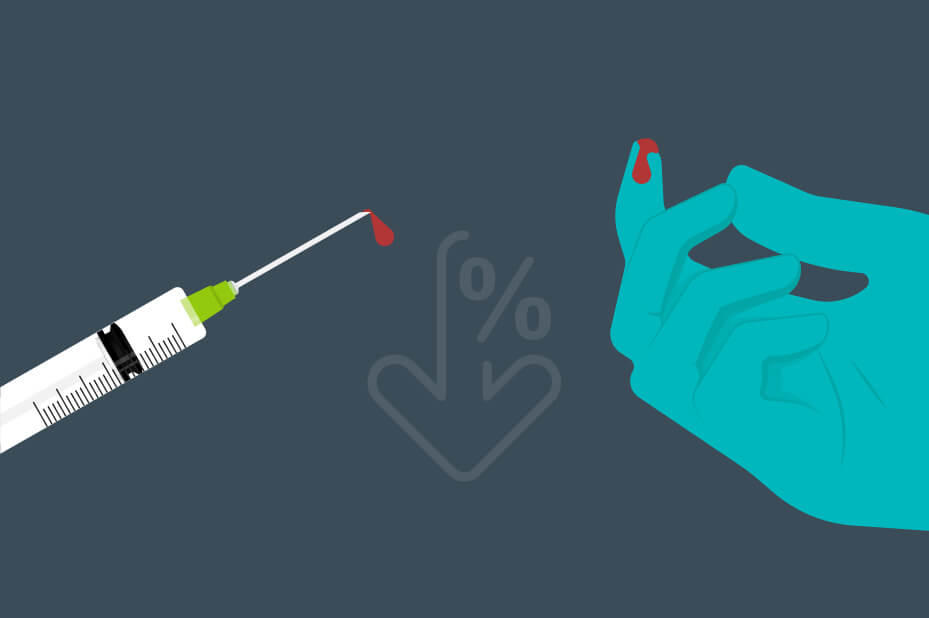
Credit: www.danielshealth.com
Creating A Safe Work Environment
Creating a safe workspace involves careful handling and disposal of needles. Use protective equipment and follow strict protocols. Educate staff regularly on safety measures to reduce needle stick injuries.
Creating a safe work environment is vital to prevent needle stick injuries. It involves careful planning and attention to detail. By focusing on specific areas, safety can be significantly improved.Designated Disposal Areas
Proper disposal of needles is crucial. Set up designated disposal areas in accessible locations. Use clearly marked containers for sharp objects. Ensure containers are puncture-resistant and leak-proof. Staff should know where these areas are and use them consistently. Regularly empty and replace containers to avoid overflow. This reduces the risk of accidental injuries.Regular Safety Audits
Conducting regular safety audits helps maintain a secure environment. Inspect workspaces for potential hazards. Check if disposal areas are used properly. Evaluate staff adherence to safety protocols. Identify and correct any unsafe practices. Schedule audits periodically to ensure ongoing compliance. Training sessions can reinforce safety measures. Feedback from audits can improve procedures and awareness.Preventive Measures Beyond Healthcare
Preventing accidental needle stick injuries involves using needle safety devices and proper disposal methods. Regular training on safe handling practices is crucial. Wearing protective gloves and using puncture-resistant containers can significantly reduce risks.
Preventive measures against needle stick injuries extend beyond healthcare settings. Such injuries can occur anywhere, affecting workers in different fields. Understanding risks and adopting safety practices is essential for prevention. Public awareness and community involvement play a crucial role in reducing these incidents.Community Awareness Programs
Community awareness programs educate the public about needle safety. They inform people about the dangers of accidental needle stick injuries. These programs can be organized in schools, workplaces, and community centers. They offer informative sessions and workshops. Participants learn safe handling and disposal methods. Engaging communities raises awareness and fosters safe behaviors. Such programs are vital in spreading knowledge beyond the healthcare sector.Safe Practices In Non-clinical Settings
Non-clinical settings also face needle stick risks. Garbage collectors, housekeepers, and even gardeners may encounter needles. Implementing safe practices is crucial to protect these workers. Use puncture-proof containers for needle disposal. Educate workers on safe handling techniques. Encourage wearing protective gloves during waste collection. Regular training sessions can help reinforce safety measures. Adopting these practices prevents injuries and promotes a safer environment for everyone.
Credit: www.journalofhospitalinfection.com
Frequently Asked Questions
What Are Needle Stick Injuries?
Needle stick injuries occur when a needle accidentally punctures the skin. They often happen in healthcare settings. Such injuries pose risks of transmitting infections. Proper handling and disposal of needles can help prevent these injuries. Training and awareness are crucial for minimizing risks.
How Can I Prevent Needle Stick Injuries?
To prevent needle stick injuries, use safe needle devices and follow safety protocols. Always dispose of needles in designated sharps containers. Wearing protective gloves can also reduce risks. Regular training on handling needles is essential. Stay alert and avoid recapping needles manually.
Why Are Needle Stick Injuries Dangerous?
Needle stick injuries are dangerous because they can transmit infectious diseases. Diseases like HIV, hepatitis B, and hepatitis C are common concerns. Even a single puncture can lead to serious health issues. Immediate medical evaluation is necessary after an injury.
Prevention is key to avoiding these risks.
What Should I Do After A Needle Stick Injury?
After a needle stick injury, wash the affected area with soap and water immediately. Seek medical advice for further evaluation and possible treatment. Report the incident to your supervisor or relevant authority. Timely action is crucial to manage potential health risks.
Follow your organization’s needle stick injury protocol.
Conclusion
Preventing needle stick injuries is crucial for safety. Simple steps help protect everyone. Use proper disposal containers. Wear gloves for added safety. Always stay focused during procedures. Educate your team on safe practices regularly. Keep workspaces organized and clutter-free. This reduces accidents significantly.
Prioritize safety and remain vigilant. Encourage open communication about safety concerns. Everyone plays a role in prevention. Stay informed about new guidelines. Regular training sessions are beneficial. Together, we can minimize risks. Protect yourself and others by following these tips.
Safety should always come first. Practice these measures consistently for better results.