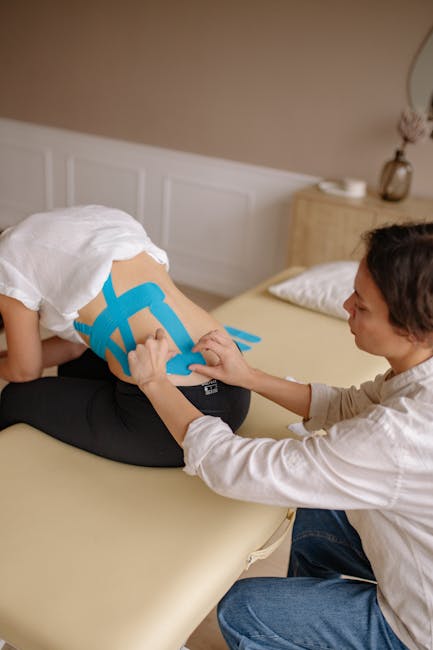
Are you tired of feeling that nagging pain in your back every time you deadlift? You’re not alone.
Many fitness enthusiasts face this challenge, and it can be discouraging. But what if you could lift with confidence, knowing your back is safe? Imagine the relief of mastering deadlift techniques that protect you from injury. We’ll reveal the secrets to keeping your back strong and healthy while deadlifting.
Stay with us, and you’ll discover practical tips and insights that could change your workout routine—and your life—for the better. Don’t let back pain hold you back any longer; let’s dive in and transform your deadlifting experience.
Proper Form And Technique
Maintain a neutral spine and engage core muscles to prevent back injury while deadlifting. Focus on lifting with your legs, not your back, to ensure proper form.
Proper Form and Technique Deadlifting is a powerful exercise that builds strength and muscle. Using proper form and technique is essential for avoiding back injuries. It ensures each lift is safe and effective. Learning the correct way to deadlift protects your spine and maximizes gains.Stance And Grip
Stand with feet hip-width apart. Keep toes pointing forward. Engage your core and maintain balance. Use an overhand grip on the bar. Position hands shoulder-width apart. This grip offers control and stability.Back Alignment
Maintain a straight back throughout the lift. Avoid rounding your spine. Keep your chest up and shoulders back. This alignment protects your vertebrae. Engage your core to support your lower back. Proper alignment is crucial to prevent strain.Lifting Motion
Initiate the lift by pushing through your heels. Keep the bar close to your body. Lift smoothly without jerking. Extend your hips and knees simultaneously. Finish with shoulders back and hips locked. Controlled motion ensures safety and efficiency.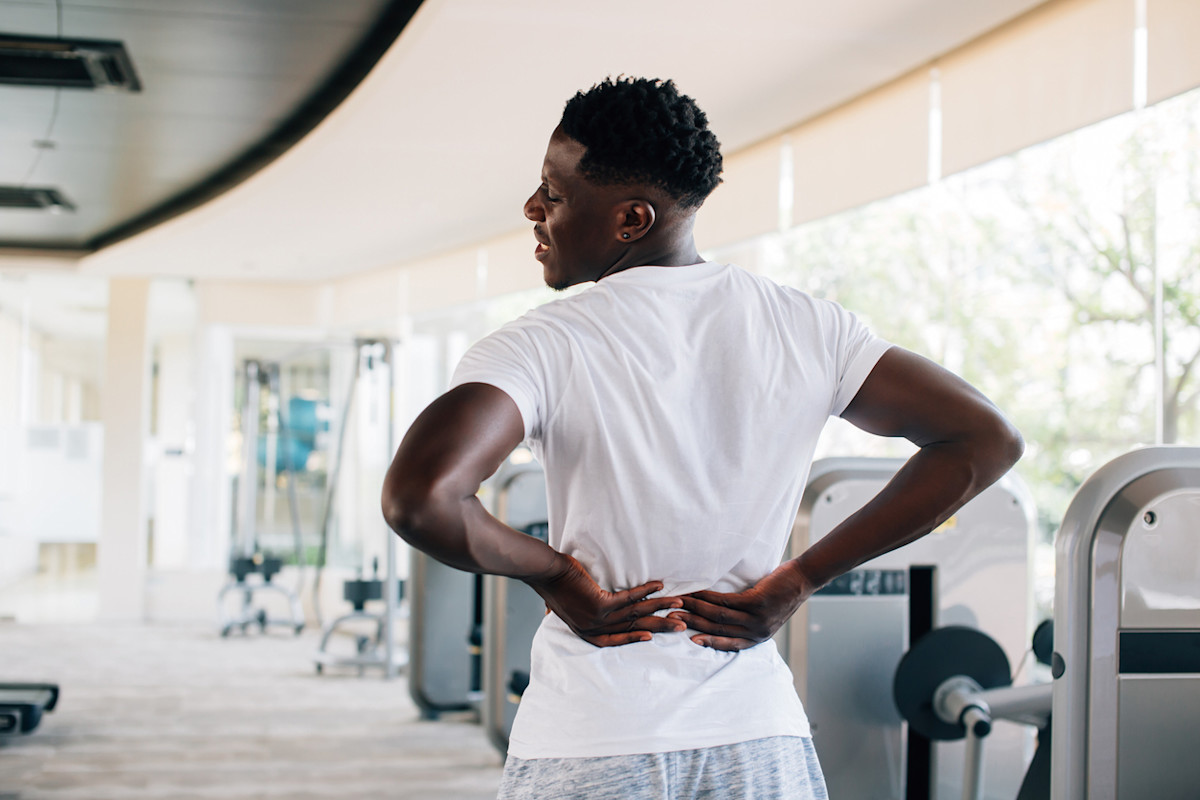
Credit: www.hingehealth.com
Warm-up Exercises
Before you approach the barbell with eager anticipation, remember that a solid warm-up routine can be your best defense against back injuries when deadlifting. Warm-up exercises not only prepare your muscles but also enhance your performance. They are an essential part of your workout that shouldn’t be overlooked. Let’s delve into some key warm-up exercises that can set the stage for a safe and effective deadlift session.
Dynamic Stretching
Dynamic stretching is a great way to get your muscles ready for action. This involves moving your muscles and joints through their full range of motion. Consider leg swings or arm circles—these stretches increase blood flow and improve flexibility, priming your body for the workout ahead. You might feel silly doing these, but they work wonders. Have you ever noticed how athletes jump around before a game? They’re warming up dynamically.
Core Activation
Activating your core is crucial for supporting your spine during deadlifts. Engage your core with exercises like planks or bird dogs. These not only strengthen your abdominal muscles but also stabilize your lower back. A strong core acts like a natural weight belt, enhancing your ability to lift safely. Imagine trying to lift with a shaky foundation—your core ensures stability.
Mobility Drills
Mobility drills enhance the movement of your joints, which is essential for executing deadlifts correctly. Focus on hip circles or ankle mobility exercises to ensure your lower body is flexible and ready to lift. These drills prepare your joints for the range of motion required during a deadlift. Ever felt like your hips were tighter than a drum? Mobility drills can loosen them up.
Which of these warm-up exercises have you tried, and how have they impacted your lifting? Share your thoughts and let’s keep the conversation going on how we can all lift safely and effectively.
Choosing The Right Weight
Selecting the right weight is essential to avoid back injuries during deadlifting. Gradually increase weights to build strength safely. Listen to your body to ensure proper form and reduce strain.
Choosing the right weight is crucial to prevent back injuries during deadlifting. It’s not just about how much you can lift; it’s about what you should lift to stay safe. Selecting the appropriate weight means understanding your current strength level and progressing intelligently without succumbing to ego lifting.Assessing Your Strength Level
Knowing your strength level is the first step in choosing the right weight. Start by gauging your ability through lighter weights and gradually increase until you find a challenging, yet manageable load. Remember, it’s not a race. Focus on maintaining proper form and technique. If you’re unsure, consider consulting a trainer to assess your lifting capacity accurately.Incremental Progression
Incremental progression is your ally in deadlifting. Start with a weight you can lift comfortably and then add small increments over time. This gradual increase allows your muscles and joints to adapt, minimizing the risk of injury. Track your progress diligently. Use a lifting log to record weights, reps, and sets. This helps you see your improvement and ensures you’re not pushing your limits too fast.Avoiding Ego Lifting
Ego lifting is a trap many fall into. It’s tempting to lift heavier weights to impress others, but this often leads to poor form and injuries. Remember, deadlifting is a personal journey, not a competition. Think about what truly matters. Is it the number on the weight, or is it your health and safety? Focus on lifting weights you can handle with proper form, even if it means lifting less than your peers.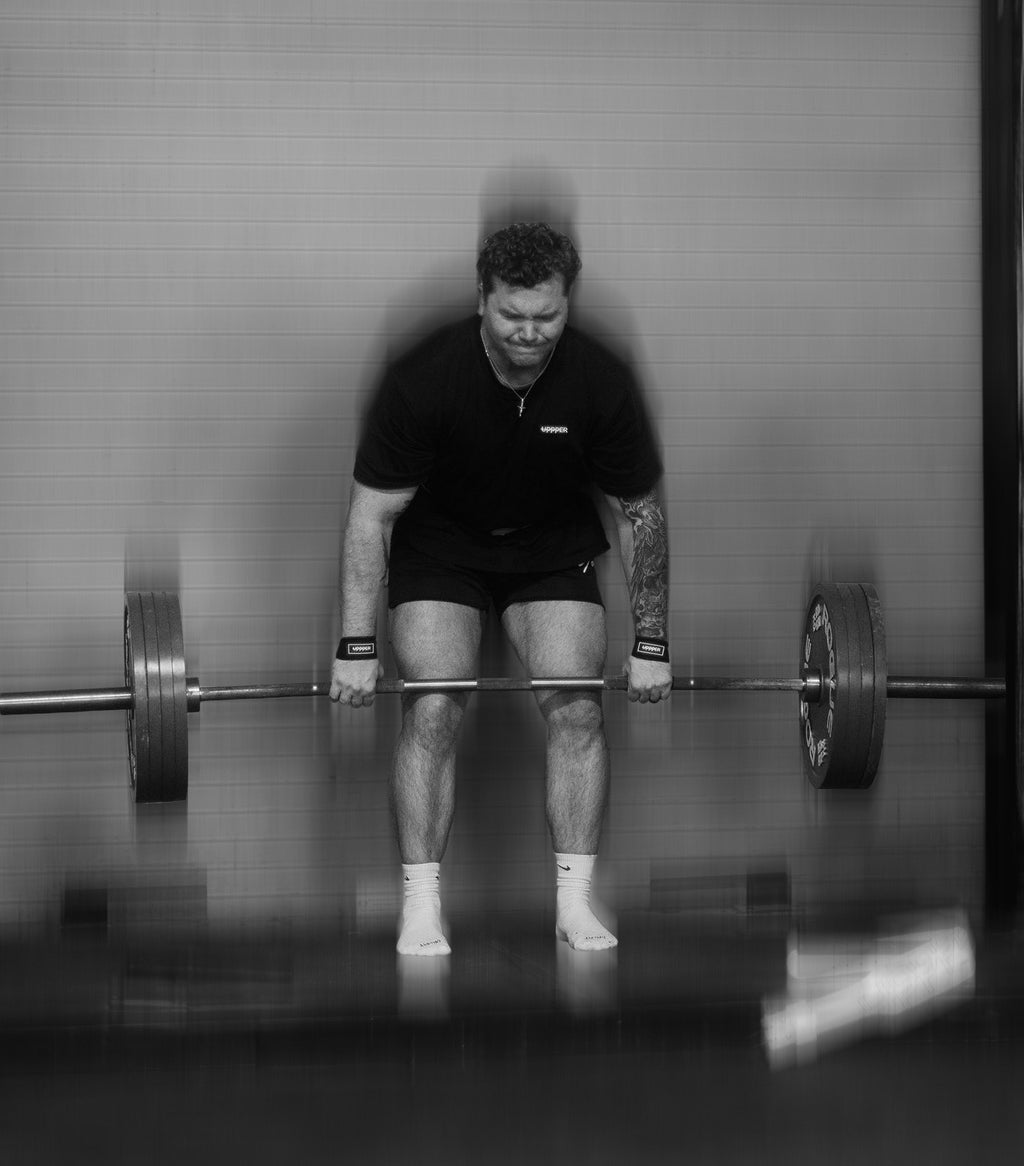
Credit: uppper.com
Breathing Techniques
Proper breathing techniques can help prevent back injuries during deadlifts. Maintain a steady inhale to stabilize your core. Exhale slowly while lifting to support your spine.
Breathing techniques are crucial when deadlifting to prevent back injuries. Proper breathing helps stabilize your spine and ensures your body is well-prepared for the heavy lift. It’s not just about taking a deep breath; it’s about mastering control over your breath to maximize your lift’s safety and effectiveness.Intra-abdominal Pressure
Increasing intra-abdominal pressure (IAP) is key to supporting your spine during a deadlift. This pressure acts like an internal weightlifting belt, providing stability. To create this pressure, inhale deeply into your belly—not your chest—before initiating the lift. Imagine filling a balloon inside your abdomen. This pressure helps keep your spine in a neutral position, reducing the risk of injury. Maintaining IAP throughout the lift is critical, so practice holding this pressure even as you exhale slightly.Breath Control During Lifts
Breath control during deadlifts can drastically improve your form and safety. Begin by taking a deep belly breath before starting the lift. Hold this breath as you engage your core and initiate the lift. Exhale slowly as you pass the most challenging part of the lift, usually when the bar is above your knees. This controlled release of breath helps maintain stability and control over the weight. Try practicing this technique with lighter weights to get comfortable before progressing. Do you notice a difference in your stability and strength when your breath is controlled? Engaging your breath effectively can be a game changer in your deadlifting routine.Utilizing Equipment
Deadlifting can be safe with the right gear. Using proper equipment reduces the risk of injuries. Equipment supports your body and stabilizes movements. Let’s explore some essential items.
Weightlifting Belt Benefits
A weightlifting belt provides crucial support. It stabilizes your spine during heavy lifts. This helps maintain proper form. A belt increases intra-abdominal pressure. This pressure supports your lower back. Many lifters feel more confident with a belt. It reduces the risk of straining muscles. Choose a belt that fits snugly around your waist. Ensure it is made of durable material. Adjust the belt for comfort and support.
Proper Footwear
Footwear matters in deadlifting. Choose shoes with a flat, solid sole. This keeps your feet stable on the ground. Avoid running or cushioned shoes. They can cause instability during lifts. A solid base helps you push through your heels. This is essential for a safe lift. Some lifters prefer deadlift slippers or barefoot. The key is a firm, stable connection with the floor. Make sure your footwear is in good condition. Replace worn-out shoes to maintain proper support.
Recovery And Rest
Deadlifting is a powerful exercise but can lead to back injuries. Recovery and rest play a key role in preventing these injuries. Allowing your body time to heal helps muscles grow stronger. Without proper rest, you risk overtraining and injury. Balancing intense workouts with adequate rest can improve performance and safety.
Importance Of Rest Days
Rest days are essential for muscle repair and growth. They help reduce fatigue and prevent burnout. Skipping rest can lead to decreased performance and increased injury risk. On rest days, engage in light activities like walking or stretching. This keeps your body active while giving muscles time to recover.
Signs Of Overtraining
Overtraining can hinder progress and lead to injuries. Common signs include persistent soreness and fatigue. You might experience decreased strength and motivation. Watch out for sleep disturbances or changes in appetite. If these signs appear, consider adjusting your routine. Listen to your body and prioritize recovery. Proper rest ensures safe and effective deadlifting.

Credit: backmusclesolutions.com
Frequently Asked Questions
How Can I Improve Deadlift Form?
Improving deadlift form involves focusing on posture and technique. Keep your back straight, core engaged, and lift with your legs. Practice with lighter weights and gradually increase as your form improves. Consider consulting a professional trainer for personalized tips and corrections.
What Warm-up Exercises Prevent Back Injury?
Warm-up exercises like dynamic stretches and light cardio help prevent back injury. Perform hip circles, arm swings, and leg kicks to increase blood flow. Include exercises like planks to engage your core, essential for supporting your back during lifting.
Are Lifting Belts Necessary For Deadlifting?
Lifting belts can help stabilize the spine and prevent injuries. They provide added support during heavy lifts. However, relying solely on belts without proper form can be detrimental. It’s crucial to focus on technique and use belts as a supplementary tool.
How Often Should I Deadlift To Avoid Injury?
Deadlift frequency depends on your fitness level and goals. Beginners should deadlift once a week to minimize injury risk. More advanced lifters can increase frequency to twice or thrice weekly, ensuring adequate rest and recovery between sessions.
Conclusion
Deadlifting safely protects your back and boosts strength. Remember key techniques. Keep your spine neutral. Use your legs to lift. Warm up before starting. Start with lighter weights. Gradually increase as you build strength. Focus on proper form, not just weight.
Wear supportive shoes. Listen to your body. Rest when needed. Use a mirror or trainer for feedback. Preventing injury ensures long-term fitness success. Consistent practice leads to progress. Enjoy the benefits of a strong, healthy back. Happy lifting!