When you hit the slopes for a thrilling day of skiing, the last thing you want to worry about is getting injured. The rush of cold air, the beautiful white landscapes, and the adrenaline are all part of what makes skiing so exhilarating.
However, without taking the right precautions, you might find yourself sidelined instead of enjoying the mountain. This guide will arm you with essential tips to prevent ski injuries, ensuring that your time on the slopes is as safe as it is fun.
Imagine the confidence you’ll feel knowing you’ve done everything possible to protect yourself. Dive in to discover how to make your ski trips safer and more enjoyable, so you can focus on carving perfect turns rather than nursing a sore knee. Your ultimate skiing experience starts here.

Credit: www.instagram.com
Common Ski Injuries
Prevent ski injuries with proper warm-ups and stretching. Wear appropriate gear for safety. Stay aware of your surroundings on slopes.
Skiing is a thrilling winter sport that attracts adventurers from around the globe. However, like any physical activity, it comes with its set of risks. Knowing the common ski injuries can be your first step towards prevention. Let’s take a closer look at some of the most frequent injuries skiers face on the slopes.Knee Ligament Tears
Knee injuries are the most common among skiers, with ligament tears being particularly prevalent. The rapid twists and turns involved in skiing can put immense pressure on your knees. A momentary loss of balance can lead to a tear, especially in the anterior cruciate ligament (ACL). To protect your knees, consider strengthening exercises like squats and lunges. Always ensure your ski boots fit properly to provide the necessary support. Don’t forget to warm up before hitting the slopes to prepare your muscles for the challenges ahead.Fractures And Sprains
Fractures and sprains often occur when a skier falls awkwardly or collides with an obstacle. Wrists, ankles, and collarbones are particularly vulnerable. A friend once told me how she broke her wrist trying to catch herself during a fall. It was a painful reminder of the need for caution. Wearing wrist guards and choosing appropriate ski poles can help minimize the risk of fractures. Maintain proper form and always be aware of your surroundings. If you’re tired, take a break—fatigue often leads to accidents.Head And Neck Injuries
Head and neck injuries can be severe, often resulting from high-speed crashes or falls. A helmet is your best defense against these potentially life-threatening injuries. Even experienced skiers aren’t immune; a single lapse in concentration can lead to disaster. Have you ever thought about how a helmet could save your life? Make it a non-negotiable part of your gear. Additionally, practice safe skiing techniques and be mindful of your limits to protect yourself from serious harm. Understanding these common injuries equips you with the knowledge to ski safely. Prevention is key, so take proactive measures to ensure your time on the slopes is both enjoyable and injury-free. What steps will you take today to safeguard your skiing adventures?Importance Of Proper Gear
Proper gear is essential for preventing ski injuries. Quality equipment offers support and protection. Helmets, boots, and bindings enhance safety on slopes.
Proper gear is key to preventing ski injuries. It offers protection and enhances your performance on the slopes. Wearing the right gear can save you from potential harm. Let’s explore the essentials for a safe skiing experience.Choosing The Right Ski Boots
Ski boots are your connection to the skis. They should fit snugly, providing support and comfort. Ill-fitting boots can lead to blisters or sprains. Try on several pairs to find the perfect fit. Consider the type of skiing you plan to do. Different styles may require different boots. Flexibility and support are crucial for both beginners and experts.Helmet And Goggles Essentials
A helmet protects your head from injuries. Choose one that fits well and is certified for safety. Goggles shield your eyes from snow and bright sunlight. They also improve visibility on the slopes. Look for goggles with anti-fog and UV protection features. A good fit ensures comfort and security during your skiing adventure.Protective Clothing
Wear layers to stay warm and dry. Base layers should wick moisture away. Insulating layers keep you warm. Outer layers protect against wind and water. Choose clothing that allows freedom of movement. Consider reinforced padding in high-impact areas. This provides extra protection from falls and collisions. Always prioritize safety and comfort when selecting ski clothing.Pre-ski Conditioning
Before hitting the slopes, it’s crucial to prepare your body with pre-ski conditioning. This vital step not only enhances your performance but also significantly reduces the risk of injuries. Imagine skiing with more endurance and less fatigue. That’s what a well-rounded conditioning routine can offer you.
Strength Training Exercises
Building strength is essential for skiing. Focus on exercises that target your legs, core, and lower back. Squats and lunges can be your go-to moves. Both strengthen your quads and glutes, essential muscles for skiing. Adding exercises like planks and deadlifts will support your core and back. This foundation helps you maintain balance and control on the slopes.
Flexibility And Stretching
Flexibility plays a key role in preventing injuries. Stretching your muscles ensures they are ready for sudden movements. Incorporate stretches for your hamstrings, calves, and hips. Try dynamic stretches like leg swings to improve mobility. A flexible body can absorb the twists and turns of skiing better, reducing strain and potential injury.
Cardiovascular Fitness
Endurance is as crucial as strength. Cardiovascular workouts keep you skiing longer without tiring. Activities like jogging, cycling, or swimming can boost your stamina. Engage in interval training to mimic the bursts of energy needed on the slopes. Imagine having the energy to tackle that last run with ease rather than exhaustion.

Credit: clwydiansportstherapy.co.uk
On-slope Safety Techniques
Ensuring safety on the slopes is essential for an enjoyable skiing experience. Knowing the right techniques can help you avoid injuries. Focus on safety and control while skiing. This guide will highlight effective on-slope safety techniques.
Mastering The Basics
Start with the fundamental skiing skills. Proper stance and balance are crucial. Keep your knees slightly bent. Lean forward slightly for better control. Practice on gentle slopes first. Build confidence before advancing to steeper runs.
Controlled Speed And Turns
Maintaining a safe speed is key. Avoid going too fast. Control your speed through turns. Use your edges to carve smoothly. Make wide turns to regulate your pace. Adjust your speed depending on the terrain and crowd density.
Avoiding Crowded Areas
Crowded slopes increase the risk of collisions. Choose less busy runs when possible. Early mornings or weekdays are often less crowded. Stay aware of your surroundings. Watch for skiers below and around you. Respect signs and slope boundaries for safety.
Weather And Terrain Awareness
Understanding weather conditions and terrain can reduce ski injuries significantly. Check forecasts and familiarize yourself with slopes before skiing. Stay alert to sudden changes in weather for safe skiing.
Weather and terrain awareness play a crucial role in preventing ski injuries. Understanding the conditions and landscape can make skiing safer and more enjoyable. Check forecasts, study the terrain, and assess avalanche risks before hitting the slopes.Monitoring Weather Conditions
Weather can change quickly in the mountains. Keep an eye on temperature, wind speed, and snowfall. Cold temperatures increase the risk of frostbite. Strong winds can affect visibility and balance. Heavy snowfall may lead to poor visibility and unstable slopes. Use reliable weather apps or websites for updates.Understanding Terrain Challenges
Every ski slope has unique features. Study the terrain before skiing. Look for steep areas and flat spots. Identify obstacles like rocks or trees. Know the difference between groomed and ungroomed areas. Groomed slopes are smoother and easier to navigate. Ungroomed slopes may have hidden dangers. Knowing the terrain helps avoid accidents.Recognizing Avalanche Risks
Avalanches are a serious threat in snowy mountains. Check avalanche reports regularly. Look for signs of instability, like cracks in the snow. Listen to warnings from ski patrols. Carry avalanche safety gear, like beacons and probes. Taking avalanche courses can provide valuable safety knowledge. Always ski with a buddy in avalanche-prone areas.Skiing With A Partner
Skiing with a partner can help prevent injuries by ensuring mutual support and guidance. Always communicate clearly and watch each other’s form to stay safe. Regular breaks and proper equipment checks further reduce risks on the slopes.
Skiing with a partner can enhance safety on the slopes. Sharing the experience with someone can reduce the risk of injury. It offers a layer of security that solo skiing cannot match. Let’s explore the benefits and protocols.Benefits Of Skiing Together
Skiing with a partner ensures someone is always watching your back. It creates a sense of accountability. You can alert each other to potential hazards. Partners can offer support and encouragement. Together, you can share tips to improve techniques. It fosters teamwork and strengthens bonds.Communication Signals
Clear signals are crucial for coordination. Establish simple gestures or words for communication. Use hand signals to indicate turns or stops. A whistle can grab attention in noisy conditions. Discuss signals before hitting the slopes. Practice them to ensure mutual understanding. Communication helps avoid collisions and confusion.Emergency Protocols
Prepare for emergencies with a solid plan. Know the nearest ski patrol station’s location. Carry a first-aid kit and know basic first aid. Set up a meeting point if separated. Agree on how to contact help if needed. Ensure mobile phones are charged and accessible. Having a plan can save time in critical situations.Recovery And Rehabilitation
Proper warm-ups and stretches enhance flexibility, reducing the risk of ski injuries. Wearing the right gear provides essential protection, helping prevent accidents on the slopes.
Recovering from a ski injury can be a challenging journey, but with the right approach, you can get back on the slopes stronger than ever. Understanding the phases of recovery and rehabilitation is crucial to ensure you heal properly. Whether it’s a minor sprain or a more serious injury, taking proactive steps towards recovery can make all the difference.Immediate Injury Response
When you first experience a ski injury, the immediate response is critical. Apply ice to the affected area to reduce swelling. Keep the injury elevated and wrap it with a compression bandage if possible. Avoid putting weight on the injured area to prevent further damage. Remember my friend John who twisted his ankle while skiing? He quickly applied ice and elevated his foot, which prevented the swelling from getting worse. This simple action helped him start his recovery on the right foot.Professional Medical Guidance
Seeking professional medical guidance is essential after a ski injury. Consult a healthcare provider to assess the extent of your injury. They can provide you with a tailored treatment plan that suits your specific needs. This might involve imaging tests like X-rays or MRIs to get a clearer picture. Have you ever wondered if you’re doing enough to heal properly? Listening to your healthcare provider’s advice can help answer that question and guide you through a safe recovery process.Rehabilitation Exercises
Rehabilitation exercises play a vital role in your recovery. Once your doctor gives the green light, start with gentle exercises to restore strength and flexibility. Focus on targeted movements that support the injured area. Use resistance bands or light weights to gradually build strength. Consider adding balance exercises to improve stability. Simple activities like standing on one leg can enhance coordination. By consistently following your rehab exercises, you pave the way for a smoother transition back to skiing. Are you ready to take control of your recovery journey? Engaging in these exercises not only aids healing but also prepares you for future skiing adventures.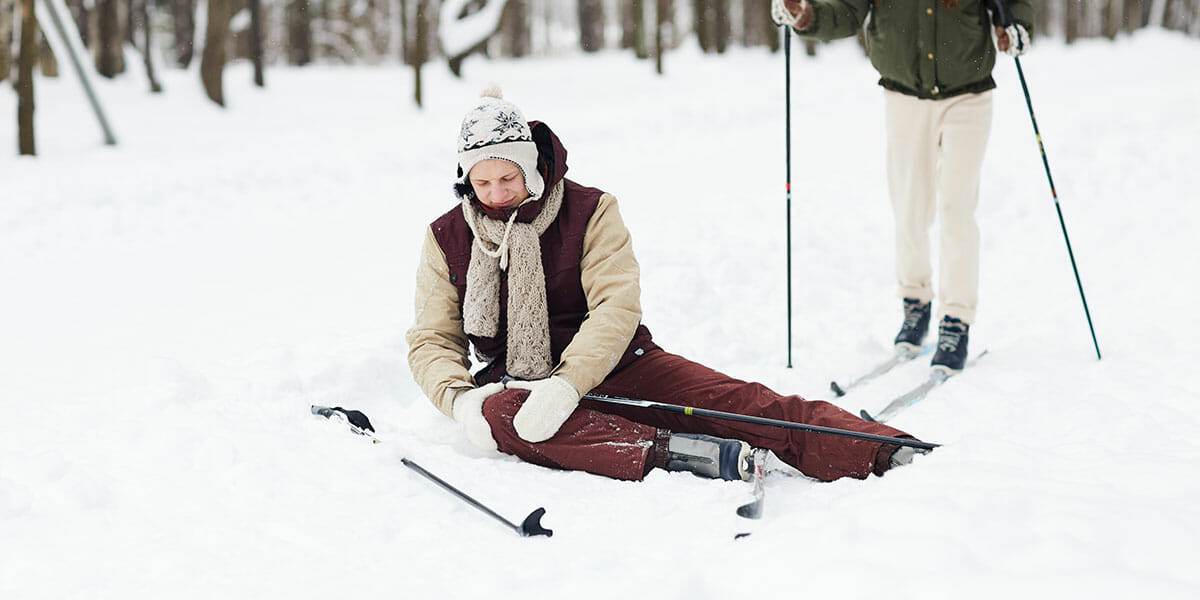
Credit: rptutah.com
Expert Advice And Resources
Discover expert advice and resources to prevent ski injuries effectively. Learn essential tips on warming up, using proper equipment, and improving your skiing technique. Stay safe on the slopes with guidance tailored for skiers of all levels.
When skiing down the slopes, safety is crucial. Expert advice and resources play a key role in preventing injuries. Knowing where to seek guidance can make all the difference.Consulting Ski Instructors
Ski instructors offer invaluable tips. They teach proper techniques to avoid injuries. Instructors observe your form and suggest improvements. They ensure you are using the right gear. Their expertise helps you build confidence on the slopes. A session with them boosts your skills and safety.Accessing Online Tutorials
Online tutorials provide a wealth of information. Videos show correct skiing methods. They cover exercises that strengthen muscles used in skiing. Tutorials include tips for different skill levels. They are a convenient way to learn at your own pace. You can revisit them whenever you need a refresher.Reading Expert Publications
Expert publications are a treasure trove of knowledge. Articles explain how to prevent common ski injuries. They offer advice on warming up and cooling down. Publications often feature interviews with seasoned skiers. Reading them keeps you informed about the latest safety practices. They are a reliable source of expert advice.Frequently Asked Questions
What Exercises Help Prevent Ski Injuries?
Strengthening exercises for legs and core can reduce ski injuries. Focus on squats, lunges, and planks to build muscle stability. Flexibility exercises like yoga improve balance and coordination. Regular conditioning prepares your body for skiing, reducing the risk of strains and sprains.
How Important Is Ski Equipment In Injury Prevention?
Proper ski equipment is crucial for safety. Ensure boots fit well and skis are appropriate for your skill level. Regularly check and maintain bindings to avoid unexpected releases. Helmets and goggles provide protection against head and eye injuries. Quality equipment enhances performance and minimizes accident risks.
Can Ski Lessons Reduce Injury Risk?
Yes, ski lessons can significantly reduce injury risk. Professional instructors teach proper techniques and safety protocols. Beginners learn how to fall safely and manage speed. Advanced skiers refine skills and prevent overconfidence on slopes. Structured learning improves overall control, minimizing injury chances.
Why Is Warming Up Essential Before Skiing?
Warming up prepares muscles and joints for skiing activity. It increases blood flow, reduces stiffness, and enhances flexibility. Dynamic stretches, like leg swings and arm circles, activate key muscle groups. A proper warm-up routine lowers the risk of strains, ensuring a safer skiing experience.
Conclusion
Skiing safely is about preparation and awareness. Wear the right gear. Stay hydrated and warm. Know your limits and rest when tired. Stretch before hitting the slopes to prevent strains. Take lessons to improve your skills. Stay informed about weather conditions and trails.
Safety should always come first. Enjoy the thrill, but be cautious. With these tips, you can reduce the risk of injuries and have a fun, safe skiing experience. Always remember, being prepared makes skiing more enjoyable for everyone.