
Are you curious about how the ketogenic diet stacks up against traditional nutritional guidelines? You’re not alone.
With its promise of weight loss and increased energy, the keto diet has captured the attention of many. But how does it really impact your nutritional standards? This is a question worth exploring, as it affects your health and well-being.
By diving into this topic, you’ll discover whether the high-fat, low-carb lifestyle aligns with your dietary needs. You might even uncover new insights that could transform your approach to eating. Don’t miss out on understanding how this popular diet could change the way you think about nutrition.
Basics Of The Ketogenic Diet
The ketogenic diet shifts focus from carbs to fats, altering traditional nutritional standards. It encourages high-fat foods while minimizing carbohydrates, which can affect energy and metabolism. By changing the body’s primary energy source, this diet challenges conventional dietary guidelines, prioritizing fat intake over carbs.
The ketogenic diet has taken the world by storm, offering a new approach to nutrition and weight management. At its core, this diet emphasizes high fat, moderate protein, and low carbohydrate intake. It challenges traditional nutritional standards, which typically prioritize balanced meals with a higher carb focus.Principles Of Ketosis
Ketosis is the metabolic state that the ketogenic diet aims to achieve. In ketosis, your body burns fat for fuel instead of carbohydrates. This shift occurs because carbohydrate intake is restricted, leading your liver to produce ketones from fat, which then serve as an alternative energy source. Reaching ketosis requires strict adherence to the diet. Even a small deviation can disrupt the process. It’s an intriguing challenge that makes you more aware of your food choices.Macronutrient Composition
The macronutrient composition of the keto diet is distinct. Typically, it involves about 70-75% of calories from fats, 20-25% from proteins, and a mere 5-10% from carbohydrates. This ratio is crucial for maintaining ketosis. Understanding this composition helps in meal planning. For instance, avocados, nuts, and oils become staples rather than pasta or rice. Have you ever considered how this shift in macronutrients affects your daily life? It might just change the way you perceive food and nutrition. The key is finding the right balance that suits your lifestyle while staying committed to the diet’s principles.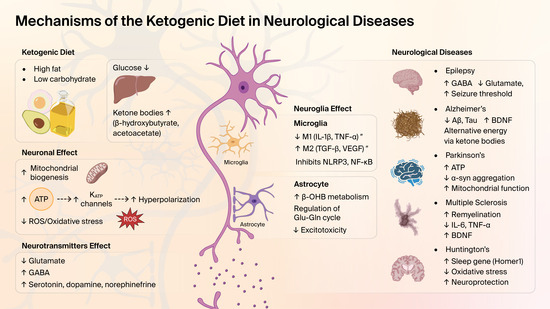
Credit: www.mdpi.com
Impact On Nutritional Standards
The ketogenic diet shifts nutritional focus to high fats and low carbs. This change can alter traditional dietary guidelines, impacting nutrient balance and intake. Adjustments might be needed to ensure essential vitamins and minerals are consumed adequately.
The ketogenic diet, often lauded for its weight loss benefits, has stirred discussions regarding its impact on nutritional standards. By drastically reducing carbohydrates and emphasizing fats, it challenges the traditional dietary guidelines many have followed for decades. Does this shift in macronutrient focus align with what we’ve been taught, or does it require a new understanding of nutrition?Comparison With Traditional Guidelines
Traditional dietary guidelines typically emphasize a balanced intake of carbohydrates, proteins, and fats. The food pyramid, for instance, suggests a significant portion of daily calories should come from carbohydrates like grains and fruits. In contrast, the ketogenic diet flips this model on its head by recommending a high-fat, low-carb intake. This can be quite a shock if you’re used to piling pasta on your plate. Have you ever considered how different your meals might look on keto?Micronutrient Considerations
While the focus on macronutrients is clear, what about the micronutrients? Vitamins and minerals are crucial for maintaining health, yet the keto diet can sometimes fall short in this area. Leafy greens and low-carb veggies provide essential vitamins, but what if you miss out on the fiber and nutrients found in whole grains and certain fruits? Supplements might bridge the gap, but relying solely on pills could feel less satisfying than a varied diet. It’s worth asking yourself: are you getting enough variety to nourish your body fully?Health Benefits
The ketogenic diet, often hailed as a miracle for weight loss and overall health, challenges traditional nutritional standards. By drastically reducing carbohydrate intake and increasing fat consumption, this diet shifts your body into a state of ketosis. While the idea of consuming more fats might seem counterintuitive, many have experienced profound health benefits from this approach.
Weight Loss And Metabolism
One of the most touted benefits of the keto diet is weight loss. When your body enters ketosis, it becomes incredibly efficient at burning fat for energy. This isn’t just about shedding pounds; it’s about changing how your body processes energy. You might find that your cravings diminish and your energy levels stabilize. Have you ever felt the afternoon slump? Many on keto report feeling consistently alert and energized throughout the day.
Your metabolism also undergoes a transformation. As your body adapts to burning fat instead of glucose, it can increase the number of calories you burn. This can lead to a more effective weight management strategy. Imagine being able to eat foods you love without the constant worry of weight gain. That’s the potential promise of a well-managed ketogenic diet.
Neurological Advantages
Beyond weight loss, the ketogenic diet offers surprising neurological benefits. Studies suggest that ketosis can enhance brain function and clarity. Some even report improved focus and concentration, making it easier to tackle daily tasks. If you’ve ever experienced brain fog, keto might provide the clarity you’ve been searching for.
Moreover, there are promising findings regarding the diet’s impact on neurological disorders. Conditions like epilepsy have shown improvement with a ketogenic approach. While more research is needed, the initial results are encouraging. Could this be a natural alternative to help manage certain conditions? It’s a question worth exploring for many seeking holistic solutions.

Credit: www.jacc.org
Potential Risks
The ketogenic diet, while popular, presents potential risks. Understanding these risks is important for maintaining good health. The diet focuses on high-fat, low-carb intake. This can lead to several health concerns.
Nutrient Deficiencies
One risk involves nutrient deficiencies. The keto diet limits many fruits and grains. These foods provide essential vitamins and minerals. Cutting them out may cause a lack of nutrients.
For example, fiber intake can be low. Fiber is crucial for digestive health. A deficiency might lead to constipation. Also, vitamins like B and C may be insufficient. These vitamins support energy and immune function.
Long-term Health Implications
There are concerns about long-term health implications. A high-fat diet might increase cholesterol levels. This could raise the risk of heart disease.
Also, the diet might affect kidney health. High protein intake stresses the kidneys. Over time, this can lead to kidney problems. Bone health might suffer too. Low-carb diets can impact bone density.
These risks highlight the importance of balanced nutrition. Consulting with a healthcare professional can provide guidance.
Adaptation And Transition
The ketogenic diet has sparked interest due to its unique nutritional approach. It requires a shift from carbs to fats as the main energy source. This transition can be challenging but offers potential benefits. Understanding how to adapt is crucial for success.
Challenges In Switching
Switching to a ketogenic diet can be difficult. Carbs are a staple in many diets, making this change drastic. Many experience cravings for bread, pasta, or sweets. These cravings can be hard to manage. Another challenge is the need to track food intake. Calculating macronutrients becomes part of daily routine. This requires learning new habits and using tools like apps.
Managing Side Effects
The transition may bring side effects, known as the “keto flu.” Symptoms include headaches, fatigue, and dizziness. Staying hydrated helps lessen these effects. Electrolytes like sodium and potassium are essential. They support energy levels and prevent muscle cramps. Gradually reducing carbs can ease the transition. This approach may help the body adjust smoothly.
Ketogenic Diet In Diverse Populations
The ketogenic diet is gaining popularity across various demographics, but its effects can differ significantly among diverse populations. Understanding how this high-fat, low-carb diet intersects with different age groups, genders, and cultural dietary practices is crucial for its successful implementation.
Age And Gender Considerations
Age and gender can greatly influence how your body responds to the ketogenic diet. Young adults might experience rapid changes in energy levels and weight, while older adults may need to adjust fat intake to support heart health.
Women might find that keto impacts their hormonal balance differently compared to men. For instance, during pregnancy or breastfeeding, nutritional needs shift dramatically. It’s essential to ensure adequate nutrient intake while following keto.
Have you noticed differences in how your body reacts to dietary changes over the years or between genders? Listening to your body’s signals and adjusting the diet accordingly can make a significant difference.
Cultural Dietary Practices
Cultural backgrounds play a pivotal role in dietary habits. Some cultures rely heavily on rice and bread, which are high-carb staples, making keto challenging. However, it’s possible to adapt the keto diet to fit cultural preferences.
Consider swapping traditional carbs with keto-friendly alternatives like cauliflower rice or almond flour bread. This way, you can enjoy familiar flavors while sticking to your dietary goals.
Have you tried incorporating keto into your cultural meals? It might be a fun experiment to recreate a favorite dish with a keto twist. What traditional foods could you modify to fit the keto framework?
Future Directions In Research
The ketogenic diet has captured the attention of nutritionists and health enthusiasts alike. As the popularity of keto continues to grow, researchers are delving deeper into how this high-fat, low-carb approach impacts nutritional standards. The future directions in research are pivotal for understanding the long-term effects and potential benefits of the ketogenic diet. Could these findings reshape dietary guidelines globally?
Emerging Studies
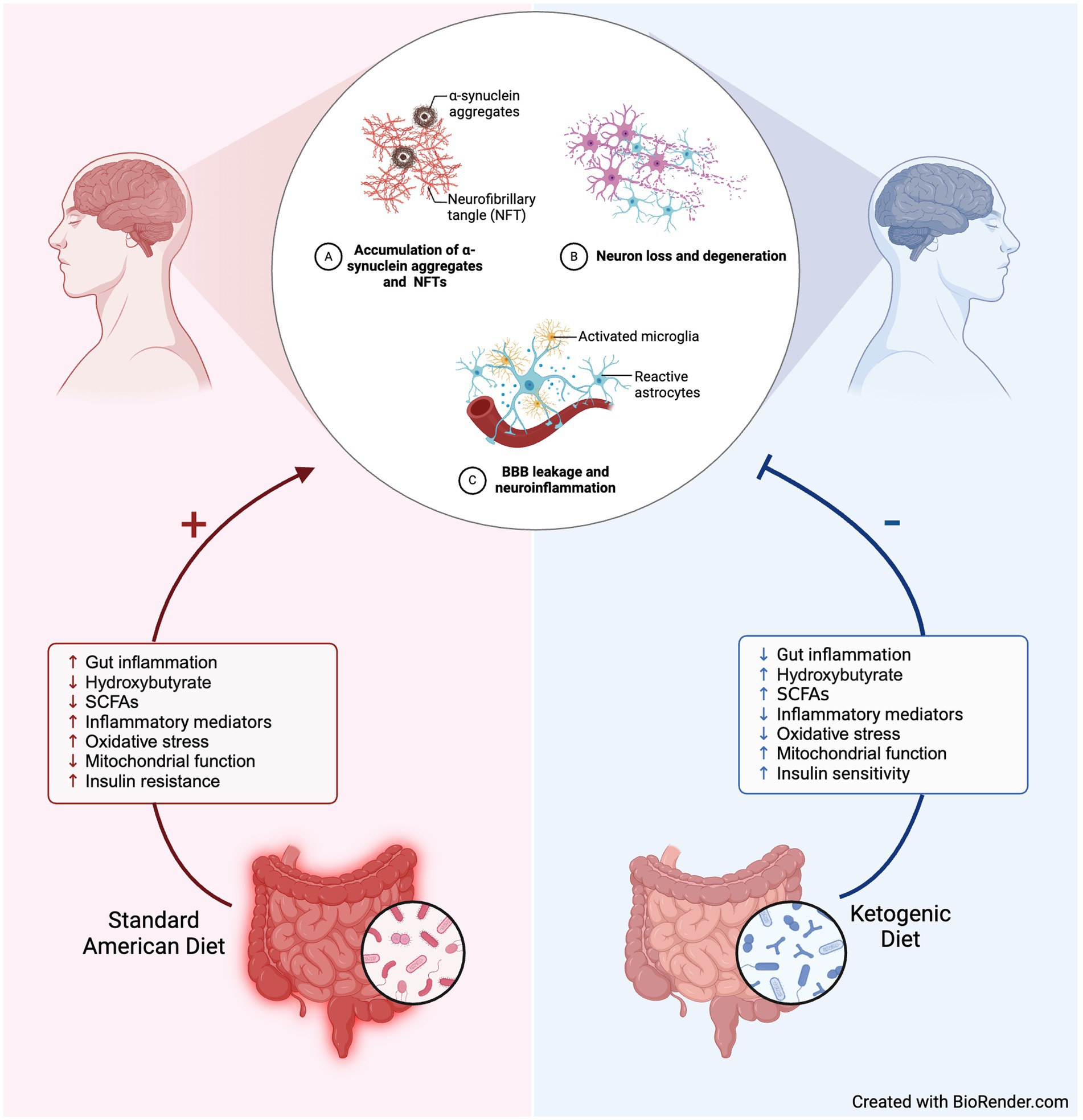
Recent studies are exploring the ketogenic diet’s influence on various health conditions. Researchers are investigating its effects on metabolic health, cognitive function, and disease prevention. While some findings show promising benefits, others call for caution and further exploration.
Consider the study examining keto’s role in managing type 2 diabetes. Early results suggest improved insulin sensitivity, but is this sustainable long-term? More extensive trials are needed to provide conclusive evidence.
Innovations In Dietary Approaches
Innovation is key in adapting dietary approaches to meet diverse health needs. Some experts are experimenting with modified versions of the ketogenic diet to make it more inclusive and sustainable. These adaptations aim to balance nutritional requirements with keto principles.
Picture a diet that retains keto’s benefits but includes more fiber-rich foods. This could potentially address common concerns like digestive health. How might such innovations influence your dietary choices?
As research progresses, it’s crucial to stay informed and open-minded. Your current understanding of nutrition may evolve as new studies emerge. Are you ready to embrace potential changes in dietary standards?
Credit: www.frontiersin.org
Frequently Asked Questions
What Is The Ketogenic Diet?
The ketogenic diet is a low-carb, high-fat diet. It shifts the body’s metabolism to burn fat for energy. By reducing carbohydrate intake, the body enters a state called ketosis. This process helps in weight loss and can improve certain health markers.
It’s popular for its potential benefits in managing blood sugar levels.
How Does Keto Affect Nutritional Balance?
The keto diet can change your nutritional balance significantly. It reduces carbs drastically, increasing fats and moderate protein intake. While it promotes weight loss, it may lack essential nutrients found in grains and fruits. It’s important to plan meals wisely, including nutrient-rich vegetables and supplements if necessary.
Is The Keto Diet Safe Long-term?
The keto diet is generally safe short-term. Long-term safety depends on individual health conditions. Some people may experience nutrient deficiencies or other health issues. Consulting a healthcare provider is recommended before starting. Regular monitoring ensures that the diet remains balanced and doesn’t negatively impact your health.
Can Keto Improve Mental Clarity?
Yes, the keto diet may improve mental clarity. It boosts energy levels by using ketones instead of glucose. Many individuals report better focus and concentration. However, experiences vary. Some might need time to adjust before noticing cognitive benefits. It’s crucial to maintain a balanced diet for optimal brain function.
Conclusion
The ketogenic diet changes how we view nutrition. It challenges traditional standards. People see benefits like weight loss and more energy. But, it may not fit everyone. Nutrient balance is important for health. Always consult a doctor before changing diets.
Research continues on the keto diet’s effects. Understanding its impact helps make informed choices. Balancing carbs, proteins, and fats is key. Every diet has its pros and cons. Choose what works best for you. Listen to your body. Stay informed and make wise decisions.
Health should always be the priority.