
Are you considering a liquid diet but worried about missing out on essential nutrients? You’re not alone.
Many people turn to liquid diets for various reasons, such as medical needs, weight loss, or detoxification, but the concern about getting the necessary nutrition remains a common hurdle. Imagine sipping your way to better health without compromising on vital nutrients.
Sounds appealing, right? In this guide, we’ll reveal how you can effectively gather all the nutrition you need from a liquid diet. You’ll discover practical tips and smart strategies to ensure your body gets everything it requires to function optimally. Whether you’re new to the concept or looking to enhance your current liquid diet, this article is packed with valuable insights tailored just for you. Stick around and uncover how you can nourish your body with the power of liquid nutrition.

Credit: www.drinkliquidplus.com
Benefits Of Liquid Diets
Liquid diets can provide essential nutrients through smoothies, soups, and juices. They offer an easy-to-digest option while maintaining balanced nutrition.
A liquid diet can provide essential nutrients in an easy-to-digest form. It offers several benefits that support overall health and wellness. This approach suits various lifestyles and health needs. Let’s explore the benefits of liquid diets in detail.Weight Management
Liquid diets can aid in weight management. They help control calorie intake. This can lead to weight loss or maintenance. Replacing high-calorie meals with nutrient-rich liquids reduces daily calorie consumption. This method supports a healthier weight.Digestive Health
Liquid diets are gentle on the digestive system. They help people with digestive issues. Liquids require less energy to digest. This reduces strain on the stomach and intestines. It can alleviate symptoms like bloating and discomfort.Convenience
Liquid diets offer convenience for busy lifestyles. Preparing a liquid meal is quick and simple. Many products are ready-to-drink or require minimal preparation. This saves time in meal planning and cooking. It’s perfect for those with hectic schedules.Types Of Liquid Diets
Various liquid diets offer essential nutrients through smoothies, soups, and juices. Blended fruits and vegetables provide vitamins and minerals. Protein shakes can supplement daily protein needs effectively.
Embarking on a liquid diet can seem daunting, but understanding the different types can make the journey smoother and more rewarding. A liquid diet isn’t just about sipping soup; it’s a versatile approach that caters to various health needs and lifestyle choices. Whether you’re recovering from surgery or looking for a quick nutritional boost, there’s a liquid diet type for you. Let’s dive into the details and explore which might be your best fit.Clear Liquid Diet
A clear liquid diet focuses on easily digestible liquids that provide hydration and some essential nutrients. Think about broth, clear juices, and gelatin. These are ideal when your digestive system needs a break or you’re prepping for certain medical procedures. While you might miss solid food, the simplicity of clear liquids can be surprisingly refreshing. Imagine sipping a warm broth that feels like a gentle hug from the inside.Full Liquid Diet
Moving beyond clear liquids, the full liquid diet includes more variety like smoothies, milk, and creamy soups. This diet is perfect if you need more calories and nutrients but still require ease on your digestion. You can get creative with blending fruits and vegetables, making nutrient-rich concoctions that taste delicious. Picture a creamy potato soup that not only warms you up but also fuels your body with much-needed energy.Meal Replacement Shakes
Meal replacement shakes offer convenience and balanced nutrition for those on the go. They’re packed with protein, vitamins, and minerals, making them a popular choice for weight management or busy lifestyles. You can find these shakes in various flavors, or even make your own at home. Have you ever tried a chocolate shake that tastes indulgent but is actually good for you? It’s like having dessert for lunch without any guilt. Which type of liquid diet sounds most appealing to you? Each has its unique benefits, and the best choice often depends on your personal needs and goals. Whether it’s the simplicity of clear liquids, the rich nutrients in full liquids, or the practicality of meal replacement shakes, there’s a liquid diet plan that can seamlessly fit into your life.Key Nutrients To Include
Key nutrients in a liquid diet include proteins, vitamins, and minerals. Smoothies with spinach and yogurt provide essential vitamins. Protein shakes can offer necessary amino acids.
Liquid diets can be nutritious and satisfying. To ensure you get all necessary nutrients, focus on including proteins, carbohydrates, fats, vitamins, and minerals. This section will guide you on the key nutrients to include in a liquid diet for optimal health.Proteins
Proteins are essential for body repair and growth. They keep muscles strong and support immune function. Include protein-rich liquids like milk, yogurt, and protein shakes. You can also add protein powder to smoothies for extra nutrition.Carbohydrates
Carbohydrates provide energy for daily activities. They help maintain blood sugar levels. Choose sources like fruit smoothies, vegetable juices, and oatmeal. These options are rich in fiber and vitamins, supporting digestive health.Fats
Healthy fats are crucial for brain function and hormone production. They keep skin and hair healthy. Include sources like nut butters, flaxseed oil, and avocado smoothies. These provide essential fatty acids, promoting heart health.Vitamins And Minerals
Vitamins and minerals support body functions and prevent deficiencies. They boost immunity and enhance energy levels. Use fortified juices, vegetable blends, and supplements. Ensure a balanced intake for well-rounded nutrition.
Credit: apps.apple.com
Creating Balanced Liquid Meals
Creating balanced liquid meals ensures proper nutrition, even on a liquid diet. Combine proteins, healthy fats, and vitamins for a nutritious blend. Use fresh vegetables, fruits, and supplements to maintain health and energy.
Creating balanced liquid meals offers a nutritious approach to a liquid diet. These meals ensure you receive essential nutrients in an easy-to-digest form. Focusing on ingredient combinations, supplements, and nutrient balance is key.Combining Ingredients
Creating a balanced liquid meal starts with diverse ingredients. Blend fruits for vitamins and natural sweetness. Add vegetables for minerals and fiber. Proteins like yogurt or tofu enhance satiety and muscle health. Healthy fats from nuts or avocados provide energy and support brain function. Use spices for flavor and additional health benefits.Using Supplements
Supplements can fill nutritional gaps in a liquid diet. Protein powders boost protein intake without extra calories. Vitamin and mineral supplements ensure you meet daily requirements. Omega-3 supplements support heart health. Choose supplements that fit your dietary needs and consult a healthcare provider for advice.Avoiding Nutrient Deficiency
Monitor nutrient intake to avoid deficiencies. Track vitamins, minerals, and macronutrients to maintain balance. Rotate ingredients to ensure a variety of nutrients. Keep meals colorful and diverse for a wide nutrient range. Regularly review your diet with a nutritionist to ensure it remains balanced and healthy.Safety Tips For Liquid Diets
Embarking on a liquid diet can be a transformative experience, whether you’re aiming for weight loss or addressing specific health concerns. However, ensuring safety while adhering to this diet is paramount. As you navigate through this dietary journey, it’s crucial to prioritize your health and wellbeing. Here are some essential safety tips to keep in mind.
Consulting With Healthcare Professionals
Before diving into a liquid diet, seeking guidance from a healthcare professional is vital. They can tailor recommendations to fit your unique health needs. Their expertise ensures that you’re not compromising your nutritional intake.
For example, a dietitian can suggest nutrient-rich liquids that align with your health goals. This personalized approach minimizes risks and enhances benefits.
Monitoring Health Changes
Keep a close eye on how your body responds to the liquid diet. Are you feeling more energized or unusually tired? Tracking these changes can reveal important insights.
Consider maintaining a daily journal to record your mood, energy levels, and any physical changes. This helps you identify patterns and make necessary adjustments.
Ensuring Adequate Hydration
Hydration is a critical component of any liquid diet. It’s easy to overlook, but it’s foundational to your health. Are you drinking enough water in addition to your liquid meals?
Set reminders to sip water throughout the day, especially if your liquid diet includes caffeinated beverages, which can dehydrate you. Adequate hydration supports your body’s essential functions.
Popular Liquid Diet Recipes
Liquid diets can offer essential nutrients through blended fruits, vegetables, and proteins. Smoothies with spinach, banana, and almond milk provide vitamins and minerals. Soups made from pureed vegetables like carrots and lentils offer fiber and protein.
Liquid diets can be nutritious and satisfying. They offer a range of flavors and nutrients. Popular liquid diet recipes are easy to make. They ensure you get essential vitamins and minerals. Here’s a collection of delicious recipes to include in your liquid diet.Smoothies
Smoothies are a tasty way to enjoy fruits and vegetables. They are packed with fiber and vitamins. Try blending:- 1 banana
- 1 cup spinach
- 1 cup almond milk
- 1 tablespoon peanut butter
- Ice cubes for a refreshing touch
- 1 cup frozen berries
- 1 cup Greek yogurt
- 1 tablespoon honey
- 1/2 cup orange juice
Soups
Soups are warm and comforting. They provide hydration and nutrients. Try this simple recipe:- 1 cup chopped carrots
- 1 cup chopped celery
- 1 cup vegetable broth
- Salt and pepper to taste
- 1 cup diced tomatoes
- 1/2 cup basil leaves
- 1 cup chicken broth
- 1/4 cup cream
Juices
Juices are refreshing and full of vitamins. They are quick to prepare. Start with:- 2 apples
- 3 carrots
- 1 small beet
- 1-inch piece of ginger
- 1 cucumber
- 1/2 lemon
- 5 kale leaves
- 1 green apple
Challenges And Solutions
Balancing nutrients in a liquid diet can be tough. Blending fruits, vegetables, and protein shakes ensures essential vitamins and minerals. Consult a dietitian for personalized advice and meal plans.
Embarking on a liquid diet can bring unique challenges. Staying nourished while sipping your meals requires a thoughtful approach. Here, we discuss the hurdles you might face and offer practical solutions to ensure you get the nutrition you need without compromising your lifestyle.Dealing With Hunger
Feeling hungry is a common concern on a liquid diet. To combat this, opt for nutrient-dense liquids that keep you fuller for longer. Consider smoothies with avocado, Greek yogurt, or nut butters. Adding fiber supplements like chia seeds or flaxseeds can also help manage hunger. They expand in your stomach, providing a sense of fullness without solid food. Don’t forget about hydration. Often, thirst is mistaken for hunger. Make it a habit to drink water regularly throughout the day.Maintaining Energy Levels
Keeping your energy up is crucial, especially if you’re active. Protein shakes can be a game changer, offering a quick energy boost. Choose those with a good blend of carbohydrates and proteins to sustain your energy. Incorporate green juices or smoothies for a natural energy lift. They are packed with vitamins and minerals your body craves. Tracking your calorie intake can help ensure you’re consuming enough to meet your energy needs. Use apps or journals to monitor your daily intake.Social And Lifestyle Adjustments
Adapting your social life to a liquid diet may seem daunting. However, it can be managed with a few smart choices. Inform friends about your diet and suggest places with options that suit your needs. Bring your own liquid meals to gatherings, ensuring you have something to enjoy while others eat. This way, you’re part of the social experience without breaking your diet. Reflect on how this change affects your lifestyle. Are there activities you can include that align with your new diet? Adjusting your routine can help you stay social and committed to your health goals.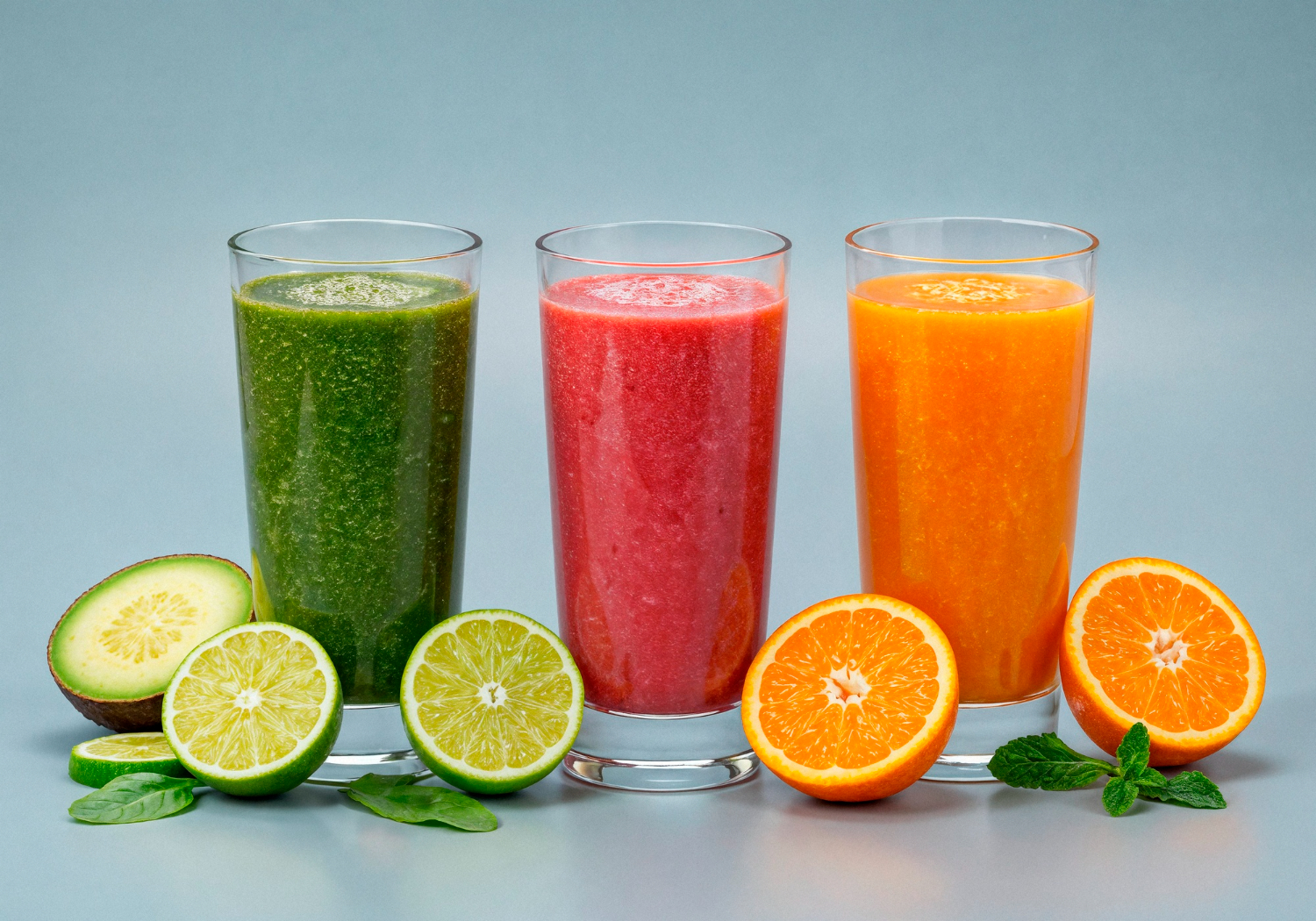
Credit: reverse.health
Frequently Asked Questions
What Is A Liquid Diet?
A liquid diet consists of consuming foods and drinks in liquid form. It’s often used for medical reasons or weight loss. Liquid diets can include smoothies, soups, and meal replacement shakes. They provide nutrients while being easy to digest. It’s important to ensure you’re getting balanced nutrition.
Can You Get Enough Nutrients From Liquids?
Yes, it’s possible to get adequate nutrients from liquids. Focus on nutrient-rich options like smoothies with fruits, vegetables, and protein powders. Incorporate various soups and broths with beans and lean meats. Consult a nutritionist to ensure your liquid diet meets your nutritional needs.
Are All Liquid Diets Safe?
Not all liquid diets are safe for everyone. Some may lack essential nutrients and calories. It’s important to choose a balanced liquid diet under medical supervision. Ensure it includes a variety of nutrients to maintain health. Always consult a healthcare professional before starting a liquid diet.
How Long Can You Stay On A Liquid Diet?
The duration of a liquid diet varies based on individual needs. Short-term liquid diets are often safe for medical reasons or detoxing. Long-term liquid diets require careful planning to ensure nutritional adequacy. Always consult a healthcare provider to determine the appropriate duration for your situation.
Conclusion
Exploring a liquid diet can be both nutritious and satisfying. Focus on balanced ingredients for complete nourishment. Include proteins, vitamins, and healthy fats in your drinks. Smoothies with fruits and veggies are great choices. Stay hydrated with water or herbal teas.
Listen to your body and adjust your intake as needed. Consulting a nutritionist can help tailor the diet to your needs. Enjoy the journey to better health through mindful liquid choices. Simple steps can lead to significant health improvements. Stay committed and enjoy the benefits of a well-planned liquid diet.