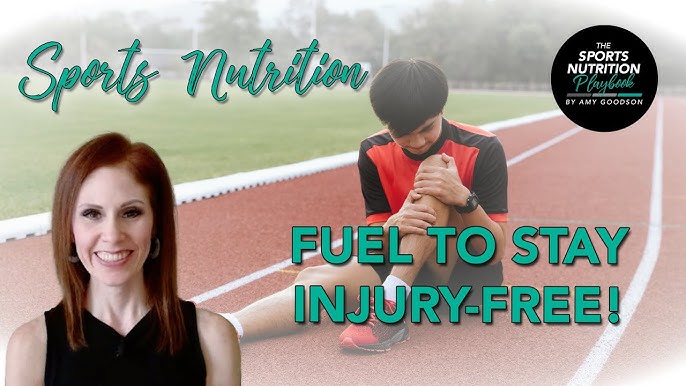
Imagine waking up every morning feeling energized and ready to tackle your day. No more worrying about unexpected injuries slowing you down.
Sounds like a dream, right? But what if I told you that the secret to achieving this could be as simple as what you put on your plate? Nutrition is not just about fueling your body; it’s about fortifying it against injuries that could disrupt your life.
You might wonder, how does what you eat really prevent injuries? The answer lies in the powerful connection between nutrition and your body’s resilience. By understanding this link, you can take control of your health and safeguard your body against common injuries. Intrigued to learn how a few changes in your diet can have such a profound impact? Keep reading to discover the essential nutrients that could be your hidden armor in staying injury-free and living your best life.

Credit: www.instagram.com
Role Of Nutrition In Injury Prevention
Have you ever wondered how the food you eat can be your best defense against injuries? Nutrition plays a critical role in keeping your body resilient and ready to tackle any physical challenge. The right nutrients can help strengthen muscles, maintain tissue health, and aid in recovery, ensuring you’re always at your best.
Essential Nutrients For Muscle Strength
Your muscles are the powerhouse of your body, and they need the right fuel to stay strong. Proteins are fundamental; they help repair and build muscle tissue. Incorporate lean meats, dairy, and plant-based proteins into your meals for optimal muscle health.
Don’t forget about calcium and vitamin D. These nutrients are crucial for muscle contraction and overall bone health. A balanced diet rich in leafy greens and fortified foods can help you maintain strong bones and muscles.
Impact Of Hydration On Tissue Health
Hydration is often overlooked, yet it’s vital for maintaining healthy tissues. Water supports cellular functions and helps transport nutrients to where they’re needed most. Are you drinking enough water daily?
Consider integrating hydrating foods like cucumbers and watermelon into your diet. They can boost your water intake while providing essential vitamins and minerals.
Antioxidants And Recovery
Antioxidants play a pivotal role in recovery by combating free radicals that cause oxidative stress. Incorporate colorful fruits and vegetables like berries and spinach to bolster your antioxidant intake.
Have you tried adding a splash of turmeric to your meals? It’s a powerful antioxidant that can enhance your recovery process, reducing inflammation and speeding up healing.
Nutrition isn’t just about fueling your body; it’s about fortifying it against injury. Start exploring how you can make small dietary changes to protect your physical well-being today. What will you add to your plate to boost your health and prevent injuries?

Credit: www.briankellymd.com
Macronutrients For Optimal Performance
Nutrition plays a vital role in injury prevention. It provides the body with essential nutrients. Macronutrients are crucial for athletes and active individuals. They fuel workouts, aid recovery, and support overall health. Understanding the role of carbohydrates, proteins, and healthy fats can enhance performance.
Carbohydrates For Energy
Carbohydrates are the body’s main energy source. They fuel muscles during exercise. Eating enough carbs helps maintain energy levels. This prevents fatigue and reduces the risk of injury. Foods like whole grains, fruits, and vegetables are rich in carbohydrates.
Proteins For Muscle Repair
Proteins are essential for muscle repair and growth. After exercise, muscles need protein to recover. Consuming enough protein can prevent muscle damage. It also aids in faster recovery. Sources of protein include lean meats, beans, and dairy products.
Healthy Fats For Joint Lubrication
Healthy fats support joint health. They help reduce inflammation and lubricate joints. This can prevent injuries and improve mobility. Foods like avocados, nuts, and olive oil provide healthy fats. Including these in your diet can benefit joint function.
Micronutrients And Their Benefits
Nutrition plays a crucial role in preventing injuries, and micronutrients are the unsung heroes in this process. They might be needed in tiny amounts, but their impact is significant. These essential nutrients bolster your immune system, strengthen your bones, and ensure your muscles function optimally. Understanding how these tiny components contribute to your overall health can make a real difference in your injury prevention strategy.
Vitamins For Immune Support
Vitamins are your first line of defense when it comes to maintaining a robust immune system. Vitamin C, for instance, is not just about fighting colds; it helps in the repair and growth of tissues. Vitamin D, on the other hand, not only supports your bone health but also plays a role in immune function. Have you ever noticed how a balanced diet can help you recover faster from minor injuries? That’s the vitamins at work.
Minerals For Bone Health
Strong bones are your body’s framework, and minerals like calcium and phosphorus are fundamental for their strength. Calcium is often associated with dairy, but leafy greens and almonds are also rich sources. Magnesium, although less talked about, is vital in bone formation. Including these minerals in your diet can be a proactive step in preventing fractures and bone-related injuries.
Electrolytes For Preventing Cramps
Electrolytes, including sodium, potassium, and magnesium, are vital for muscle function. Have you ever experienced muscle cramps during a workout? That’s often a sign of an electrolyte imbalance. Balancing these minerals helps maintain fluid balance and muscle contractions. A simple banana or a handful of nuts can help keep those pesky cramps at bay.
Timing And Balance Of Nutritional Intake
Understanding the timing and balance of nutritional intake is crucial for injury prevention and overall performance. Your body thrives on a well-timed supply of nutrients that support muscle repair, energy replenishment, and bone strength. But are you optimizing your nutrition schedule to maximize your physical resilience and minimize injury risks?
Pre-exercise Nutrition Strategies
Eating the right food before exercise can be a game-changer. Aim for meals or snacks rich in carbohydrates and proteins about 1-2 hours before your workout. This helps provide energy and reduce muscle fatigue. Try a banana with a scoop of peanut butter or oatmeal with berries.
Hydration is equally important. Drinking water or a sports drink can maintain fluid balance and prevent cramps. Notice how a well-fueled body feels more energetic and less prone to strains?
Post-exercise Recovery Meals
Your body needs nourishment after a workout to recover efficiently. Within 30-60 minutes post-exercise, consume foods high in protein and carbohydrates. This aids in muscle repair and glycogen replenishment. Consider a smoothie with spinach, protein powder, and a handful of nuts.
Rehydrating is essential too. Why not add electrolytes to your water to restore lost minerals and prevent dehydration?
Balancing Nutrient Timing
Timing isn’t just about pre and post-exercise; it’s about maintaining a steady flow of nutrients throughout the day. Spread out your meals and snacks to keep your energy levels stable and support continuous muscle recovery.
Listen to your body. It tells you when it’s hungry and when it needs a boost. Are you paying attention to those cues to prevent fatigue-related injuries?
Nutrition Plans For Different Athlete Types
Nutrition plays a crucial role in preventing injuries among athletes. Tailoring nutrition plans to specific athlete types ensures that each individual gets the necessary nutrients to support their unique physical demands. By understanding the distinct needs of endurance athletes, strength athletes, and team sport players, you can optimize performance and reduce injury risks.
Endurance Athletes
Endurance athletes, like marathon runners and cyclists, rely heavily on carbohydrates for energy. Prioritize complex carbs like whole grains and sweet potatoes to maintain energy levels during long training sessions.
Hydration is key. Consider electrolyte drinks to replenish minerals lost through sweat. Include lean proteins and healthy fats for muscle recovery.
Have you ever felt fatigued mid-race? A balanced meal with the right macros can make a difference in sustaining endurance.
Strength Athletes
Strength athletes, such as weightlifters, need more protein for muscle growth and repair. Aim for sources like chicken, fish, and plant-based options like tofu.
Focus on consuming carbohydrates post-workout to replenish glycogen stores. Don’t underestimate healthy fats; they support hormone balance and joint health.
Consider a protein shake post-workout. What if your recovery could be faster with just this simple addition?
Team Sport Players
Team sport players, like soccer and basketball athletes, require a balanced mix of carbs, proteins, and fats. This ensures energy and agility throughout the game.
During intense training periods, keep snacks like nuts and fruit handy. They help maintain energy levels without feeling weighed down.
Ever noticed how sluggish you feel after a heavy meal? Opt for lighter, nutrient-dense options for sustained performance.
Common Nutritional Mistakes And Their Consequences
Nutrition plays a crucial role in injury prevention. Yet, many athletes and fitness enthusiasts often make nutritional mistakes that can hinder their performance and increase injury risk. Understanding these common errors and their consequences is essential for maintaining optimal health and preventing setbacks.
Over-reliance On Supplements
Supplements can be beneficial but relying too heavily on them is risky. Many people assume supplements can replace whole foods. This misconception leads to nutrient imbalances. Whole foods provide essential vitamins, minerals, and fiber that supplements lack. Missing out on these can weaken the immune system and slow recovery.
Ignoring Hydration Needs
Proper hydration is often overlooked. Dehydration impacts muscle function and increases injury risk. Water regulates body temperature and lubricates joints. Ignoring hydration needs can lead to cramps, fatigue, and poor performance. Drinking enough water each day is crucial for staying injury-free.
Underestimating Caloric Needs
Many athletes underestimate their caloric needs. Not consuming enough calories leads to energy deficiency. This affects muscle repair and growth. Insufficient caloric intake can result in fatigue and prolonged recovery times. Ensuring adequate calorie consumption supports energy levels and overall health.
Personalizing Nutrition For Peak Performance
Personalizing nutrition helps prevent injuries by providing essential nutrients for muscle repair and recovery. Balanced diets strengthen bones and enhance tissue resilience, reducing the risk of strains and sprains. Tailored nutrition plans ensure optimal energy levels, supporting overall athletic performance and minimizing injury chances.
When it comes to maximizing athletic performance, nutrition plays a pivotal role. Personalizing your nutrition can help you achieve peak performance and minimize injury risks. A well-tailored diet ensures your body gets the right nutrients at the right times, enhancing recovery and supporting overall health. Personalization is not a one-size-fits-all approach; it’s about understanding your unique needs and adapting your diet accordingly.Assessing Individual Nutritional Requirements
Understanding your body’s specific nutritional needs is the first step. Consider factors like your age, gender, weight, and activity level. Consulting with a nutritionist can provide insights into your unique requirements. Use tools like food diaries or apps to track your current intake. This helps identify any nutritional gaps. Ask yourself, are you getting enough protein, carbs, and fats?Adapting Diet To Training Cycles
Your nutritional needs can vary with different training phases. During high-intensity periods, you might need more carbohydrates for energy. In contrast, rest days could mean a greater focus on protein and fats for recovery. Adjust your meal plans based on your training schedule. Doing so ensures that your body has the necessary fuel when it needs it most. Is your current diet supporting your training goals?Monitoring And Adjusting Intake
Regularly review and tweak your nutrition plan. Track how your body responds to dietary changes. Are you feeling more energized, or are you experiencing fatigue? Stay flexible and open to adjustments. Your nutritional needs can change with your evolving fitness journey. Listen to your body and adapt your intake accordingly.
Credit: m.facebook.com
Frequently Asked Questions
How Does Nutrition Help Prevent Injuries?
Proper nutrition strengthens muscles and bones, reducing injury risk. Nutrients like proteins and vitamins promote muscle repair and bone health. Hydration keeps tissues flexible and less prone to tears. Balanced diets enhance energy levels, supporting better performance and recovery.
What Nutrients Are Essential For Injury Prevention?
Proteins, vitamins, and minerals are crucial for injury prevention. Proteins support muscle repair, while vitamins like D and calcium strengthen bones. Omega-3 fatty acids reduce inflammation. Hydration is key to maintaining muscle elasticity and preventing strains.
Can Hydration Reduce Injury Risk?
Yes, hydration is vital for reducing injury risk. Water keeps muscles and joints lubricated, reducing strain during physical activity. Proper hydration prevents cramps and enhances performance, enabling quicker recovery. Drinking enough water is essential for overall physical health and injury prevention.
How Does Diet Affect Muscle Recovery?
A balanced diet accelerates muscle recovery by providing essential nutrients. Proteins repair damaged tissues, while carbohydrates restore energy. Vitamins and minerals support cellular repair processes. Proper nutrition reduces recovery time and enhances overall performance, preventing future injuries.
Conclusion
Nutrition plays a vital role in injury prevention. Balanced meals strengthen the body. Strong muscles and bones resist damage better. Proper hydration keeps joints lubricated. Vitamins and minerals aid recovery and reduce inflammation. A nutrient-rich diet supports overall health. It helps athletes perform at their best.
Injury risks decrease when the body is nourished. Listen to your body. Fuel it with the right foods. Healthier choices today can prevent injuries tomorrow. Remember, nutrition is key to staying fit and active. Prioritize your diet. Protect your body.
Stay safe and strong.