Imagine you’re gearing up for your favorite sport, excitement buzzing through your veins. The last thing you want is an injury that sidelines you from the action.
But, did you know that many common sports injuries can be avoided with just a few simple precautions? Understanding how to prevent these injuries not only keeps you in the game but also enhances your performance and enjoyment. In this guide, you’ll discover practical strategies tailored to keep you at your best, injury-free.
Whether you’re a weekend warrior or a seasoned athlete, these tips are essential for maintaining your health and maximizing your potential. Ready to learn how you can stay safe while playing the sports you love? Let’s dive in.

Credit: www.facebook.com
Warm-up Techniques
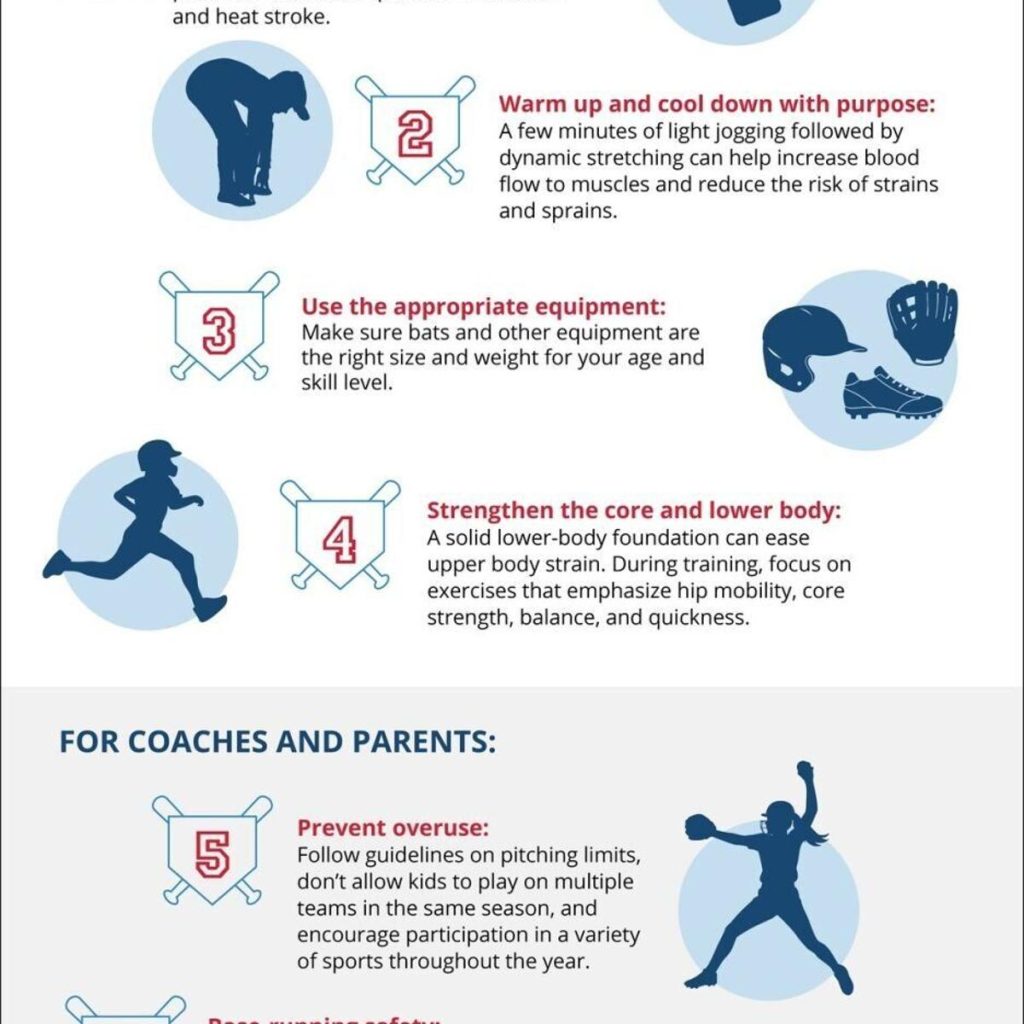
Warm-up techniques are crucial for preventing sports injuries. They prepare your body for the physical demands of your activity, improving flexibility, strength, and overall performance. A good warm-up routine can also enhance your focus and mental readiness. Let’s dive into some key strategies that can make your warm-up more effective.
Dynamic Stretching
Dynamic stretching involves active movements that take your muscles and joints through their full range of motion. This type of stretching is not only essential for warming up but also for boosting blood circulation. Try leg swings, arm circles, and lunges to activate the major muscle groups. Have you ever noticed how athletes move their arms and legs before a game? It’s not just for show—it’s about priming their bodies for action.
Cardio Exercises
Cardio exercises are excellent for increasing your heart rate and blood flow, making your muscles more pliable. Jogging, jumping jacks, or skipping are effective ways to get your heart pumping. Why not make it fun by adding a few dance moves? Remember, the goal is to elevate your heart rate without exhausting yourself. How does your body feel when you skip the cardio part of your warm-up? You might find you lack the energy needed for peak performance.

Credit: www.instagram.com
Proper Gear
Wearing proper gear is essential to prevent sports injuries. Protective equipment like helmets, pads, and supportive footwear can safeguard against harm. Ensuring the right fit and quality of gear enhances safety during activities.
Proper Gear Choosing the right gear can greatly reduce the risk of sports injuries. Proper equipment provides support and protection during physical activities. It helps maintain stability and enhances performance. Selecting appropriate gear is crucial for safety and comfort.Footwear Selection
Footwear is vital in preventing injuries. Shoes should fit well and offer support. Different sports require different types of shoes. Running shoes are designed for forward movement. Basketball shoes provide ankle support. The soles should provide grip. A good fit prevents blisters and discomfort.Protective Equipment
Protective gear is essential in contact sports. Helmets guard against head injuries. Pads protect elbows and knees. Mouthguards prevent dental injuries. Goggles shield eyes from debris. Each piece serves a specific purpose. Wearing proper gear reduces injury risk significantly. Equipment should be checked regularly for wear and tear.Training Methods
Training methods play a crucial role in preventing common sports injuries. They prepare the body for physical demands and reduce the risk of harm. Focusing on the right techniques can make a significant difference. Below are key training methods that enhance safety and performance.
Strength Conditioning
Strength conditioning builds muscles and supports joints. It helps the body withstand stress during sports activities. Start with basic exercises like squats and lunges. Gradually increase weights and repetitions. This approach strengthens muscles without causing strain. Consistent strength training also improves balance and coordination.
Flexibility Training
Flexibility training maintains joint mobility and muscle elasticity. It involves stretching exercises that increase the body’s range of motion. Regular stretching can prevent stiffness and reduce injury risk. Incorporate dynamic stretches before workouts and static stretches after. These practices help muscles relax and recover.
Hydration And Nutrition
Proper hydration and balanced nutrition are key to preventing common sports injuries. They support muscle function and aid recovery, reducing injury risk.
Hydration and nutrition play a vital role in preventing sports injuries. Proper intake keeps muscles energized and joints healthy. Athletes need to focus on these areas to maintain peak performance. Both elements support the body during rigorous activities and aid in recovery.Importance Of Hydration
Staying hydrated is crucial for athletes. Water fuels muscles and prevents cramps. It helps regulate body temperature. A well-hydrated body performs better. Dehydration can lead to fatigue and reduced coordination. Always drink enough water before, during, and after exercise.Balanced Diet For Athletes
A balanced diet is essential for athletic performance. It should include proteins, carbohydrates, and fats. Proteins repair tissues and build muscles. Carbohydrates provide energy for workouts. Healthy fats aid in absorbing nutrients. Include fruits and vegetables for vitamins and minerals. These nutrients protect against injuries and boost immunity. Eating a variety of foods ensures a well-rounded diet.Rest And Recovery
Effective rest and recovery can significantly reduce sports injuries. Adequate sleep repairs muscles and boosts performance. Regular breaks prevent overuse, keeping athletes in top condition.
Rest and recovery play a vital role in preventing sports injuries. Engaging in sports puts stress on the body. Without proper rest, this stress can lead to injuries. Rest allows muscles to repair and grow stronger. Recovery ensures the body is ready for the next activity. Let’s explore two key aspects of rest and recovery.Sleep Importance
Sleep is crucial for athletic performance and injury prevention. During sleep, the body repairs tissues and builds muscle. Lack of sleep can weaken the immune system, increasing injury risk. Aim for 7-9 hours of quality sleep each night. Create a relaxing bedtime routine for better sleep. Keep your sleep environment cool and dark. Avoid screens before bed to improve sleep quality.Active Recovery Techniques
Active recovery helps maintain fitness while allowing muscles to heal. It involves low-intensity activities like walking or yoga. These activities increase blood flow without straining the body. Active recovery reduces muscle soreness and improves flexibility. Include stretching exercises to enhance range of motion. Foam rolling can also be part of active recovery. It helps release muscle tension and improve circulation.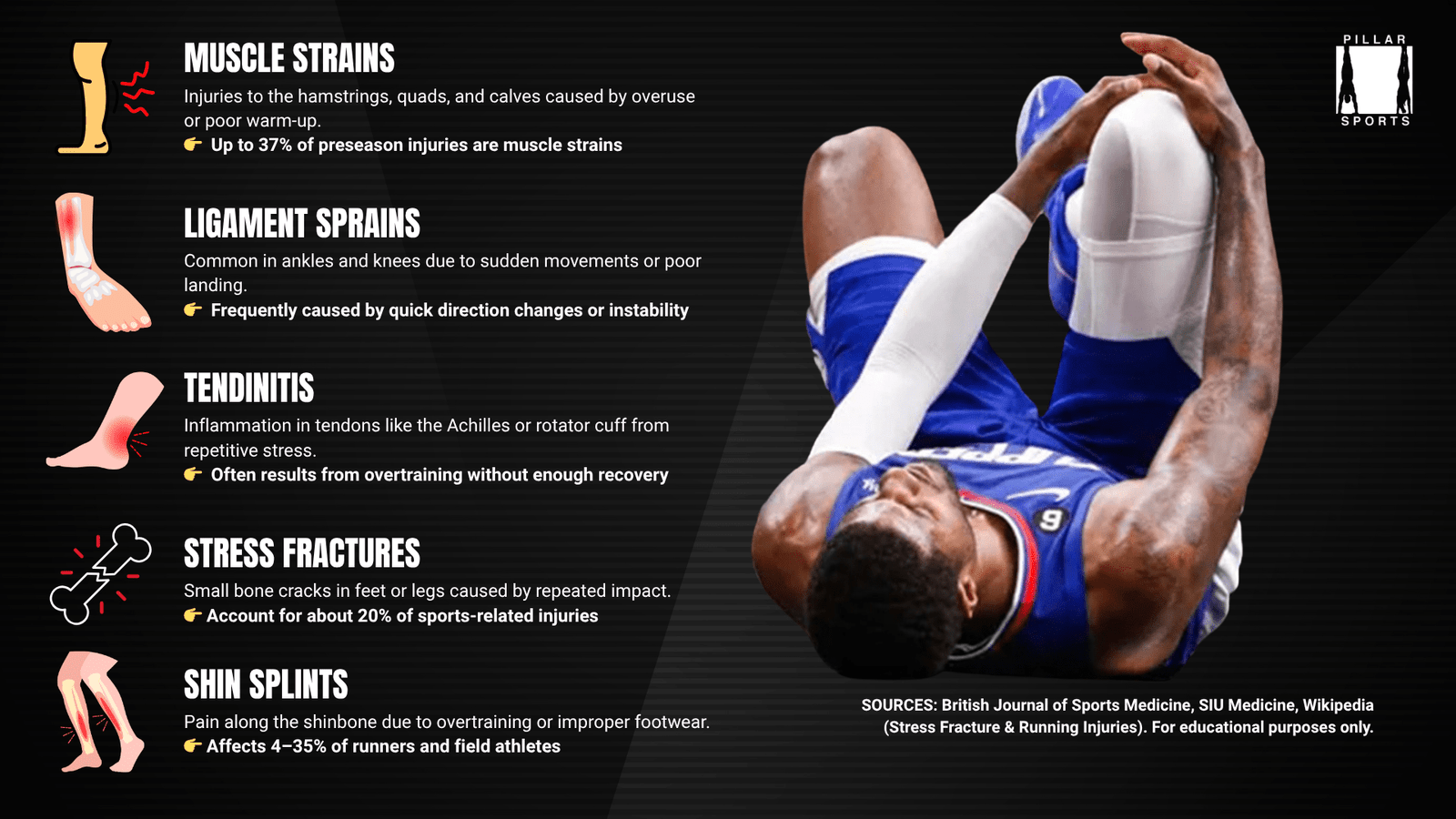
Credit: pillarsports.com
Recognizing Early Signs
Spotting early signs of common sports injuries is crucial. Quick recognition helps prevent worsening conditions. Watching for soreness, swelling, or unusual fatigue can be key.
Recognizing early signs of sports injuries is crucial. It helps prevent more severe damage. Understanding these signs empowers athletes to take timely action. Early detection often leads to quicker recovery. Awareness is the first step in safeguarding your athletic health.Common Symptoms
Common symptoms often hint at underlying sports injuries. Pain is a primary indicator. It might appear suddenly or gradually. Swelling is another sign. It indicates inflammation or tissue damage. Bruising can also occur. This usually shows internal bleeding or trauma. Stiffness and reduced range of motion are important symptoms. They suggest strain or sprain. Numbness or tingling may indicate nerve involvement. Listen to your body. It often signals when something is wrong.Preventive Measures
Preventive measures help avoid common sports injuries. Warm-up exercises are essential. They prepare your muscles for activity. Stretching improves flexibility. This reduces the risk of strains. Proper gear is crucial. It provides necessary support and protection. Hydration keeps muscles functioning well. It prevents cramps and fatigue. Rest is vital for recovery. It allows the body to heal and rejuvenate. Regular physical check-ups are beneficial. They help identify potential issues early. Adopting these measures can significantly reduce injury risks.Professional Guidance
Preventing sports injuries requires more than just practice and warm-ups. Professional guidance can significantly reduce risks and enhance performance. Expert advice can keep athletes safe and informed. Here, we explore how consulting a coach and seeking medical advice play crucial roles.
Consulting A Coach
A coach provides personalized training plans. They understand your strengths and weaknesses. With their guidance, you learn proper techniques. This reduces the chance of injury during practice or competition. Coaches also monitor your progress. They adjust your routine to match your evolving needs. Regular feedback from a coach ensures safe and effective training.
Seeking Medical Advice
Medical professionals offer valuable insights into injury prevention. They assess your physical condition and identify potential risks. A doctor can recommend exercises to strengthen weak areas. They also provide advice on nutrition and recovery. Regular check-ups help catch issues early before they become serious. Seeking medical advice ensures you stay fit and ready for sports activities.
Frequently Asked Questions
What Are Common Sports Injuries?
Common sports injuries include sprains, strains, fractures, and dislocations. These occur due to overuse, improper technique, or accidents. Understanding these injuries helps in taking preventive measures, enhancing safety, and maintaining performance levels.
How Can Stretching Prevent Injuries?
Stretching enhances flexibility and prepares muscles for physical activity. It reduces the risk of strains and sprains. Consistent stretching routines improve muscle elasticity and joint mobility, contributing to injury prevention.
Why Is Warming Up Essential?
Warming up increases blood flow to muscles, enhancing performance and reducing injury risks. It prepares the body for intense activity, improving muscle readiness and coordination, which helps prevent injuries during sports.
How Does Proper Equipment Help?
Using proper equipment ensures safety and minimizes injury risks. Helmets, pads, and supportive footwear protect vital areas and provide stability. Proper gear is crucial for preventing injuries and optimizing performance.
Conclusion
Sports injuries can be avoided with smart practices. Stretch before and after activities. Wear proper gear for safety. Listen to your body and rest when needed. Gradually increase exercise intensity to prevent strain. Stay hydrated for muscle health. Regular training helps build strength and flexibility.
Consult professionals for personalized advice. Warm-up routines are essential for injury prevention. Focus on technique to avoid accidents. Make injury prevention a priority in your routine. Consistent care leads to long-term athletic success. Enjoy sports safely by being proactive and mindful.
Stay active, stay healthy, and play smart.