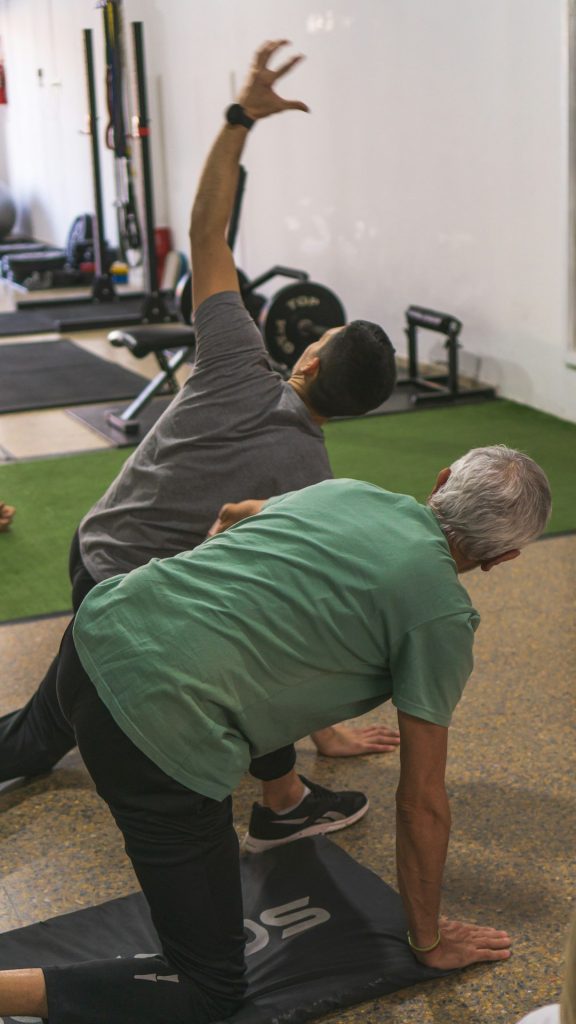
Imagine starting your day with a refreshing stretch, feeling your muscles wake up and your joints loosen. That simple act might be your secret weapon against injuries.
Flexibility is more than just touching your toes or doing a split. It’s a vital part of keeping your body safe and sound. You might wonder how exactly bending and stretching can shield you from harm. Well, your body is like a well-oiled machine, and flexibility ensures all parts move smoothly without strain.
You’ll discover the fascinating ways flexibility acts as your body’s natural armor, preventing injuries before they happen. Stick around, and you might just find the motivation to make flexibility a cornerstone of your daily routine.
Benefits Of Flexibility
Flexibility enhances muscle elasticity, reducing strain during movement. It allows joints to move smoothly, decreasing injury risk. Regular stretching improves blood flow, aiding muscle recovery and resilience.
Flexibility offers numerous benefits for overall health. It plays a key role in preventing injuries. A flexible body can move freely and more effectively. This contributes to better performance in various activities. Here’s a closer look at the benefits of flexibility. A better range of motion allows joints to move freely. This reduces the risk of strains and sprains. With regular stretching, muscles lengthen and loosen. This aids in achieving optimal movement in activities.Enhanced Muscle Performance
Flexible muscles perform better and with less effort. This improvement in muscle performance can lead to increased endurance. It also helps in reducing muscle fatigue.Reduced Muscle Soreness
Stretching after exercise reduces muscle soreness. This is because it aids in quicker recovery. Muscles return to their resting length more efficiently. This leads to less discomfort post-exercise.Better Posture And Balance
Flexibility supports good posture. It ensures muscles align properly. This alignment helps in maintaining balance. Good posture reduces the risk of back and neck injuries.Decreased Risk Of Injury
Flexible bodies adjust better to physical stress. They absorb impacts more efficiently. This adaptability lowers the risk of sudden injuries. Stretching before activities prepares the body for movement.Understanding Body Mechanics
Understanding body mechanics is the cornerstone of preventing injury through flexibility. It’s about recognizing how your body moves and functions in everyday activities. Knowing this can empower you to make better decisions about your fitness routine and lifestyle.
Understanding Joint Movement
Your joints are the pivot points of your body. They enable movement and flexibility. Each joint has a specific range of motion. When you understand this, you can tailor your exercises to enhance their function.
Consider your shoulder joint, which has a wide range of motion. Properly stretching and strengthening it can prevent common injuries like rotator cuff strains. What are the daily activities that challenge your joints?
Muscle Coordination And Balance
Muscle coordination is crucial for fluid movement and balance. Flexibility aids in coordinating muscle groups, ensuring they work together seamlessly. This synchronization reduces strain and risk of injury.
Think about walking on uneven ground. Your muscles must coordinate to keep you upright. With better flexibility, your body responds faster and more accurately. Have you noticed how balance improves with regular stretching?
Recognizing Your Limits
Understanding your body’s limits is vital in preventing injuries. Flexibility helps you recognize these boundaries. Pushing beyond them can lead to strains or sprains.
Ask yourself: Do you know when to stop during a workout? Listening to your body and respecting its limits can be the key to staying injury-free. Sometimes, less can be more when it comes to physical exertion.
Improving Posture
Flexibility plays a significant role in maintaining good posture. Tight muscles can lead to poor alignment and increased injury risk. Regular stretching can combat this by elongating muscles and correcting posture.
Consider the impact of sitting at a desk all day. Flexibility exercises can counteract the negative effects of prolonged sitting. Could a few minutes of stretching make a difference in your posture?
Adapting To Daily Activities
Everyday activities require a certain level of flexibility and body awareness. Whether you’re lifting groceries or playing with kids, understanding your body’s mechanics ensures you do these tasks safely.
Have you ever strained your back lifting something heavy? Applying flexibility techniques can make these movements safer and more efficient. What small changes can you make to your daily routine?
Role Of Muscles In Flexibility
Muscles play a crucial role in flexibility, helping prevent injuries by allowing smooth movement and reducing strain. Flexible muscles absorb impact better, minimizing the risk of tears and sprains during physical activities. Regular stretching enhances muscle elasticity, supporting overall joint health and injury prevention.
Flexibility plays a crucial role in preventing injuries. It keeps muscles healthy and adaptable. Flexible muscles can handle stress better. They stretch and move easily. This ability reduces strain and injury risk. Let’s explore how muscles contribute to flexibility.Understanding Muscle Elasticity
Muscle elasticity helps in movement. It allows muscles to stretch. This is important for flexibility. Elastic muscles return to their shape easily. This reduces the chance of tears and strains.The Connection Between Muscle Length And Flexibility
Longer muscles improve flexibility. They allow a wider range of motion. Short muscles restrict movement. They increase injury risk. Stretching helps in lengthening muscles.The Importance Of Muscle Strength
Strength supports flexibility. Strong muscles balance the body’s movements. They provide stability and prevent overextension. This balance is key in avoiding injuries.The Role Of Connective Tissues
Connective tissues support muscles. They include tendons and ligaments. These tissues need flexibility, too. They work with muscles to enable smooth movement. Proper stretching keeps them flexible and injury-free.The Impact Of Muscle Temperature
Warm muscles are more flexible. Warm-up exercises increase muscle temperature. This makes muscles pliable and reduces injury risk. Cold muscles are stiff and more prone to injury.Impact On Joint Health
Flexibility supports joint health by allowing a greater range of motion. This reduces stress on the joints, preventing injuries during physical activities.
The impact of flexibility on joint health is profound. Flexibility helps maintain the full range of motion in joints. This reduces strain during movement. A flexible joint can withstand stress better. It can also move smoothly and efficiently. This reduces the risk of injuries significantly. Flexibility enhances joint range of motion. This allows smoother and more efficient movement. More movement means less stiffness. Stiffness can lead to discomfort and injury.Reduced Joint Stress
Flexible muscles ease joint stress. Less stress means fewer injuries. This promotes long-term joint health. It also improves overall mobility.Injury Prevention
Flexible joints resist injuries better. They can handle more pressure. This resilience helps prevent common injuries. It also supports active lifestyles.Enhanced Recovery
Flexibility aids quicker recovery. After physical activity, it reduces soreness. This helps maintain joint health over time. It also encourages a faster return to normal activities.Reducing Muscle Tension
Improving flexibility helps prevent injuries by reducing muscle tension. Stretching increases range of motion and enhances muscle coordination. This leads to better movement patterns and lowers the risk of strains or sprains during physical activities.
Reducing muscle tension is like giving your body a break from constant stress. When muscles are tense, they’re more prone to strains and tears. Flexibility exercises help your muscles relax, making them less likely to get injured. Imagine your muscles as rubber bands; the more you stretch them, the less likely they are to snap.Understanding Muscle Tension
Muscle tension is often a result of stress or overuse. You might notice it after a long day at work or an intense workout. When muscles are tense, they lose their elasticity. This can lead to discomfort and increase the risk of injury. Think about the last time you felt tightness in your neck or back. It’s a signal that your muscles need to unwind.Benefits Of Stretching
Stretching can be your secret weapon against muscle tension. It increases blood flow and helps your muscles relax. This improved circulation can speed up recovery and reduce pain. Imagine feeling more relaxed and at ease just by dedicating a few minutes to stretching each day. It’s a simple yet effective way to maintain muscle health.Practical Stretching Techniques
Incorporate stretching into your daily routine with simple techniques. Try a few minutes of gentle stretching when you wake up or before bed. You can also add stretches to your workout regimen. Focus on areas that tend to hold tension, like your shoulders, neck, and lower back. With regular practice, you’ll notice your muscles feeling less tense and more flexible.Personal Experience And Insights
Consider how your body feels after a good stretch. There’s a noticeable difference in relaxation and ease of movement. Personally, I’ve found that a morning stretch session helps me start the day without lingering muscle tension. What would your day look like if you felt less tight and more energized? By incorporating stretching, you might find your body thanking you with fewer aches and pains.
Credit: www.facebook.com
Improved Range Of Motion
Flexibility is more than just bending without breaking. It plays a key role in preventing injuries by improving your range of motion. Better range of motion allows your joints and muscles to move freely. This increased freedom reduces the risk of strains and sprains. With a flexible body, daily tasks become easier and safer. You also enhance your athletic performance. Flexibility ensures your body can handle various movements without stress.
Enhanced Joint Mobility
Improved flexibility leads to enhanced joint mobility. This means your joints can move through their full range of motion. It helps in reducing stiffness and pain. Flexible joints are less prone to injuries. They can adapt to sudden movements with ease.
Muscle Balance
Flexibility contributes to muscle balance. Balanced muscles work more efficiently. They support each other during movement. This prevents overuse and reduces injury risk. Balanced muscles also improve posture.
Better Posture
Good flexibility supports better posture. It aligns your spine and body. Proper posture reduces strain on muscles and joints. It also decreases the risk of back and neck pain. By maintaining good posture, you prevent long-term injuries.
Injury Recovery
Flexibility aids in faster injury recovery. It promotes blood flow to injured areas. This speeds up the healing process. Flexible muscles repair themselves more quickly. They regain strength faster after an injury.
Improved Athletic Performance
A flexible body performs better in sports. It allows for quick and smooth movements. Flexibility enhances your agility and speed. It also reduces the risk of sports-related injuries. Athletes with good flexibility experience fewer injuries.
Stress Reduction
Flexibility exercises help in stress reduction. They relax your body and mind. A relaxed body is less prone to injuries. Stress-free muscles function more efficiently. This further reduces the risk of injuries.
Flexibility And Injury Prevention
Improving flexibility helps muscles stretch easily, reducing the risk of strains. Flexible joints move better, decreasing injury chances during activities.
Flexibility plays a crucial role in preventing injuries. Stretching enhances muscle length and joint mobility, reducing strain. This allows the body to move efficiently, minimizing the risk of tears and sprains. Athletes and fitness enthusiasts often prioritize flexibility to safeguard their muscles and joints. Understanding its importance can lead to healthier, injury-free workouts.Understanding Muscle Flexibility
Flexible muscles adapt to stress easily. They stretch and contract without damage. Regular stretching exercises boost this adaptability. This reduces the chances of muscle pulls during physical activity.Joint Mobility And Stability
Flexibility improves joint mobility. It helps maintain stability during movement. A flexible joint can move through its range without resistance. This lessens the risk of joint injuries like dislocations.Reducing Muscle Imbalances
Muscle imbalances occur when one muscle group is stronger than another. Flexibility helps balance muscle groups. Balanced muscles work together, reducing injury risks.Enhancing Range Of Motion
A greater range of motion allows for safer movements. Stretching increases this range. Activities become smoother and less stressful on the body.Improving Athletic Performance
Flexibility contributes to better performance. It allows for quicker and more efficient movements. Athletes with good flexibility can execute skills with precision.Incorporating Flexibility In Routine
Incorporate stretching in daily routines. Warm up before workouts and cool down afterward. This maintains flexibility and prevents injuries. Regular practice keeps muscles and joints healthy.
Credit: www.instagram.com
Incorporating Stretching Routines
Incorporating stretching routines into your daily life can significantly reduce the risk of injuries, enhance your athletic performance, and improve overall flexibility. Stretching not only prepares your muscles for movement but also increases blood flow and warms up the body. Consider stretching as a preventive measure that safeguards your body against strains and sprains. But how do you effectively add stretching to your routine? Let’s dive into some techniques that can make a real difference.
Dynamic Stretching Techniques
Dynamic stretching involves active movements that mimic the activity you are about to perform. These stretches are ideal for pre-workout warm-ups as they gradually increase your heart rate and blood flow to your muscles. Think about leg swings, arm circles, or high knees. They are not static; they keep you moving, helping to enhance flexibility and reduce the risk of injuries by preparing your body for more vigorous activities.
- Leg Swings: Stand next to a wall or sturdy surface. Swing one leg forward and backward for 10-15 reps. Switch legs.
- Arm Circles: Extend your arms out to the sides. Move them in circles, first small, then gradually larger, for about 30 seconds.
- High Knees: Jog in place, bringing your knees up toward your chest. Do this for a minute to increase your heart rate.
Dynamic stretching can be particularly beneficial before sports or high-intensity workouts. It’s a great way to wake up your muscles and get your body ready for action. How often do you warm up dynamically before exercising? Consider adding these stretches to see the difference.
Static Stretching Methods
Static stretching, on the other hand, involves holding a stretch in one position for a period of time, typically 15-60 seconds. These stretches are best performed post-workout when your muscles are warm and pliable. They help in cooling down and releasing muscle tension, leading to improved flexibility over time.
- Hamstring Stretch: Sit on the floor with one leg straight and the other bent. Reach towards your toes and hold for 30 seconds. Switch sides.
- Quadriceps Stretch: Stand and pull your foot towards your buttock. Hold onto your ankle for balance. Maintain the position for 30 seconds per leg.
- Shoulder Stretch: Bring one arm across your chest and use the other arm to hold it in place. Hold for 30 seconds on each side.
Static stretching is a moment to reflect and relax your body after a workout. It can be a meditative experience, allowing you to focus on your breathing and feel the stretch deepen. Have you ever noticed the calming effect of holding a stretch after exercise? Try incorporating these into your routine and observe the benefits.
Common Misconceptions
Flexibility often gets overlooked in injury prevention. Many believe only strength matters, but flexible muscles reduce strain. Improved flexibility helps maintain balance and proper posture, minimizing injury risk.
Flexibility is often misunderstood in the realm of injury prevention. People might think stretching guarantees protection from injuries. Many misconceptions exist about the role of flexibility in preventing injuries. Clarifying these misunderstandings can help individuals make better choices for their health.Stretching Solves Everything
Some believe stretching alone prevents injuries. It’s not that simple. While stretching aids flexibility, it doesn’t make muscles immune to injury. Other factors like strength and proper technique are vital too.More Flexibility Equals Less Injury
Many assume more flexibility means fewer injuries. That’s not always true. Excessive flexibility can lead to joint instability. Balance between flexibility and strength is crucial for injury prevention.Static Stretching Is Essential Before Exercise
Static stretching before exercise is often seen as necessary. Research shows it might not be the best approach. Dynamic stretching, which involves movement, can better prepare muscles for activity.Flexible People Don’t Need Strength Training
There’s a myth that flexible people don’t need strength training. Flexibility alone doesn’t build resilience. Strength training complements flexibility, enhancing muscle protection against injuries.Flexibility Is Only For Athletes
Flexibility is commonly associated with athletes. This is misleading. Everyone benefits from improved flexibility. It aids daily movement, reducing strain and preventing common injuries for all.Flexibility In Daily Activities
Flexibility isn’t just for athletes; it’s a vital part of everyday life. Whether you’re reaching for something on a high shelf or bending down to tie your shoes, flexibility plays a crucial role. It helps you move with ease, reducing the risk of strains or sprains during daily tasks.
Flexibility In Household Chores
Have you ever felt a twinge in your back while vacuuming or cleaning? Flexibility can prevent such discomfort. Stretching regularly keeps your muscles supple, making chores less taxing on your body. Next time you’re tidying up, notice how much easier it feels when your muscles are relaxed.
Flexibility In Office Work
Sitting at a desk for hours can lead to stiffness. Incorporating stretches during breaks keeps your muscles flexible, preventing tension build-up. Try simple stretches for your neck and shoulders throughout the workday. You might find you’re less fatigued and more focused.
Flexibility In Recreational Activities
Engaging in hobbies like gardening or playing with your kids can be physically demanding. Flexibility helps you enjoy these activities without risking injury. Stretch before and after to keep your body agile and ready for movement. This not only boosts performance but also enhances your enjoyment.
Flexibility In Transportation
Ever felt cramped during a long car ride or flight? Flexibility can ease such discomfort. Stretching your legs and back before and after travel can prevent stiffness. Next time you travel, take a moment to stretch; you’ll arrive feeling more refreshed and ready to enjoy your destination.
Consider your daily routine. Where can flexibility make a difference for you? Implement small changes and notice the impact on your overall well-being. Your body will thank you for it!
Long-term Benefits Of Flexibility
Flexibility enhances muscle strength and coordination, reducing the risk of strains and sprains. It supports joint health, allowing for smoother movements during physical activities. Consistent stretching improves body balance, helping to prevent falls and injuries over time.
Flexibility is more than just being able to touch your toes. It plays a crucial role in injury prevention over time. Having flexible muscles and joints can significantly enhance your physical health. By incorporating flexibility exercises into your routine, you not only improve your current physical performance but also safeguard against future injuries. Let’s explore the long-term benefits of flexibility. Flexible muscles allow joints to move freely. This improved range of motion reduces stress on muscles and joints. Less stress means a lower risk of injury during physical activities. Consistent stretching can help maintain and expand this range.Enhanced Muscle Efficiency
Flexible muscles work better. They require less energy to move, making activities more efficient. This efficiency prevents fatigue-related injuries. With less energy needed, you can perform activities longer and safer.Better Posture
Flexibility contributes to better posture. Good posture reduces strain on muscles and ligaments. It ensures that your body is aligned correctly. This alignment minimizes the risk of chronic back pain and other injuries.Reduced Muscle Soreness
Stretching regularly helps reduce muscle soreness. After exercise, flexible muscles recover faster. This quick recovery minimizes discomfort and promotes overall muscle health. Less soreness means you’re ready for your next workout.Improved Balance And Coordination
Flexibility enhances balance and coordination. These are crucial for preventing falls and related injuries. With better balance, you can navigate uneven surfaces confidently. Coordination ensures smooth and safe movements during various activities.Stress Relief
Flexible muscles help in stress relief. Stretching reduces tension built up in muscles. Less tension means a relaxed body and mind. This relaxation helps in maintaining overall well-being and injury prevention.
Credit: torrentbjj.com
Frequently Asked Questions
How Does Flexibility Improve Athletic Performance?
Flexibility enhances range of motion, allowing athletes to perform movements with greater efficiency. Improved flexibility reduces muscle stiffness, decreasing the risk of strains. It also aids in better posture and balance, contributing to overall athletic performance. Regular stretching exercises can significantly enhance flexibility over time.
Can Stretching Reduce The Risk Of Injuries?
Yes, stretching can significantly reduce the risk of injuries. It helps muscles become more pliable and resilient. Regular stretching improves blood flow to muscles, enhancing their elasticity. This reduces the chances of strains and sprains. Moreover, stretching prepares the muscles for physical activities, minimizing injury risks.
Why Is Flexibility Important For Joint Health?
Flexibility is crucial for maintaining joint health. It allows joints to move freely without strain. Enhanced flexibility reduces wear and tear on joints, preventing chronic issues. It also helps in maintaining a balanced posture, reducing stress on joints during movements.
Regular stretching supports overall joint mobility and health.
What Is The Best Time To Stretch For Flexibility?
The best time to stretch is after a warm-up or workout. Muscles are warmer and more pliable, reducing injury risks. Post-exercise stretching helps in recovery and improves flexibility over time. Avoid stretching cold muscles, as it may cause strains. Incorporate dynamic stretches during warm-ups for optimal results.
Conclusion
Flexibility plays a key role in preventing injuries. Stretching keeps muscles loose and strong. This helps reduce the risk of strains and sprains. Regular flexibility exercises improve joint range of motion. Better range means less stress on muscles and ligaments.
Simple activities like yoga or stretching routines can help. Consistent practice is important for lasting benefits. Flexibility also enhances overall physical performance. So, include flexibility exercises in your routine. Stay active, safe, and injury-free. Remember, a flexible body is a healthy body.
Prioritize flexibility for better health and wellness.