Ever wondered how injuries can disrupt your daily life and steal your peace of mind? Imagine playing your favorite sport or simply going about your daily routine without the fear of sudden accidents.
Sounds like a dream, right? Well, the good news is that preventing injuries is not just possible but straightforward with the right knowledge. You’ll discover practical, actionable tips that can safeguard you and your loved ones from unwanted mishaps. Empower yourself with the tools to enhance your safety and live life to the fullest without the constant worry of getting hurt.
Curious to know how? Keep reading to unlock the secrets of injury prevention that could transform your life.
Importance Of Injury Prevention
Regular exercise and stretching can help prevent injuries. Proper technique and equipment are also essential. Pay attention to your body. Recognize signs of fatigue. Stay informed and safe.
Injury prevention is crucial for maintaining an active and healthy lifestyle. By focusing on preventing injuries, you can save yourself from unnecessary pain and setbacks. It also ensures that you can continue enjoying your favorite activities without interruptions.Understanding The Consequences Of Injuries
Injuries can have a significant impact on your life, affecting both physical and mental well-being. They can lead to prolonged recovery periods, limiting your ability to perform daily tasks. The emotional toll can be equally challenging, as frustration and anxiety often accompany physical setbacks.Benefits Of Staying Injury-free
Staying injury-free allows you to maintain a consistent routine, which is key to achieving fitness goals. It helps you build momentum and confidence in your activities. Moreover, it keeps you motivated and engaged, knowing that you’re on the right track without disruptions.Simple Strategies For Injury Prevention
Implementing simple strategies can greatly reduce your risk of injuries. Prioritize proper warm-ups before engaging in any physical activity. This prepares your muscles and joints, reducing the likelihood of strains and sprains. Regularly incorporate stretching exercises into your routine. Stretching enhances flexibility and helps prevent muscle tightness. It also promotes better posture and reduces the risk of overuse injuries. Wearing appropriate gear is another essential aspect. Choose shoes that provide adequate support and cushioning for your specific activity. Proper footwear can prevent common injuries like ankle sprains and shin splints.Listening To Your Body
Pay attention to your body’s signals. If you feel discomfort or pain, don’t push through it. Ignoring warning signs can exacerbate injuries and lead to longer recovery times. Consider this: How often do you find yourself ignoring a minor ache, hoping it will go away? By acknowledging these early signs, you can address issues before they develop into more serious problems. Injury prevention is about being proactive and making thoughtful choices. By adopting these practices, you can continue to enjoy the activities you love while minimizing the risk of injuries.
Credit: www.facebook.com
Common Causes Of Injuries
Identifying common causes of injuries helps in prevention efforts. Slippery floors, poor lighting, and improper lifting techniques are frequent culprits. Regular safety checks and proper training can minimize risks and maintain a safe environment.
Injuries can disrupt your life and hinder your daily activities. Understanding their common causes is the first step in prevention. Whether at work, home, or during leisure activities, being aware of potential hazards can help you avoid unnecessary harm.Workplace Hazards
Work environments often present a range of risks. Slippery floors, improper lifting techniques, and inadequate safety equipment can lead to serious injuries. It’s crucial to wear protective gear and follow safety protocols. Regular safety training can minimize accidents. Are you taking all necessary precautions at your workplace?Home Accidents
Your home should be a safe haven, yet it can be a source of injuries. Falls from stairs, burns from cooking, and cuts from household tools are common. Keep your space organized and ensure that potentially dangerous items are stored properly. Simple actions like installing handrails can prevent falls. Have you checked your home for potential hazards lately?Sports And Recreation
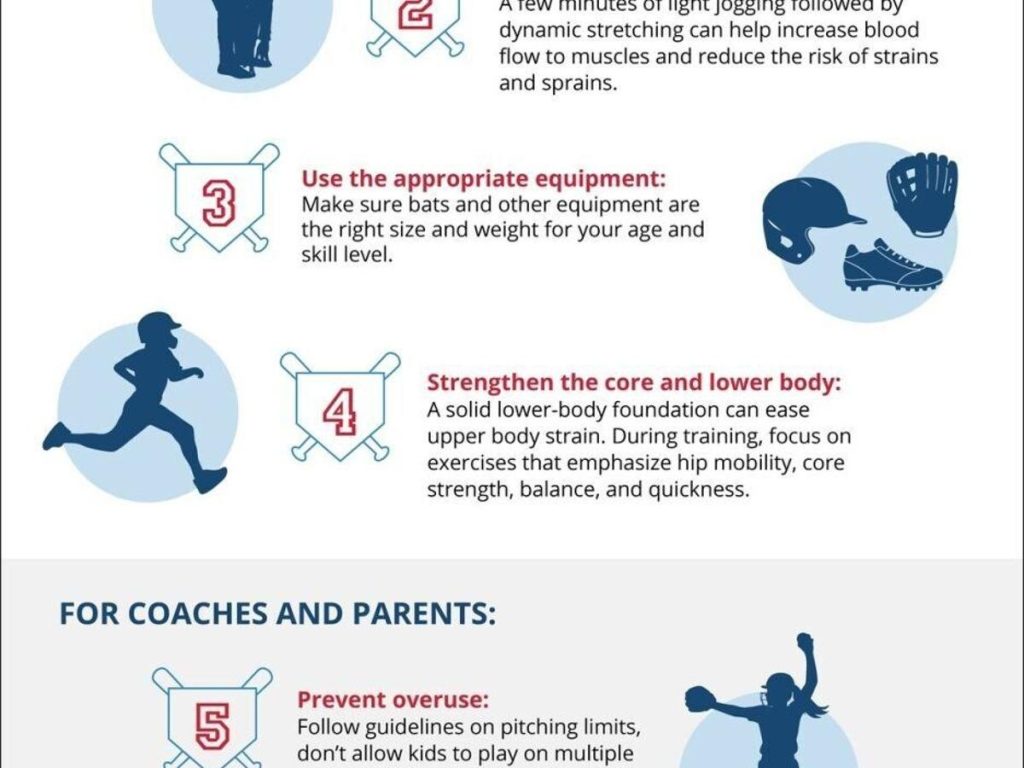
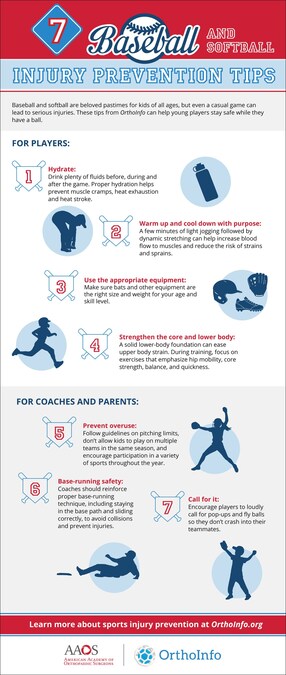
Engaging in sports and recreational activities is a great way to stay fit, but it comes with risks. Sprains, fractures, and concussions are prevalent, especially when safety guidelines are ignored. Warm up properly and use the right equipment to reduce the risk. Listening to your body and knowing when to stop is crucial. Are you taking care of yourself during your sports sessions?Safety Measures At Work
Ensure proper training and equipment usage to minimize workplace accidents. Regular safety drills help in preparing for emergencies. Encourage open communication about hazards and implement strict safety protocols.
Ensuring safety at work is crucial for preventing injuries and creating a productive environment. By embracing practical safety measures, you can significantly reduce the risk of accidents and enhance workplace morale. Let’s dive into some key strategies that can make a difference in your work setting.Proper Equipment Use
Understanding how to use equipment correctly is vital. Misuse can lead to accidents, so always familiarize yourself with the tools at hand. Consider a colleague who ignored safety instructions and ended up with a severe cut from a machine. This could have been avoided with proper training and equipment handling. Implement clear guidelines for equipment use. Ensure that all employees know the importance of wearing protective gear like helmets and gloves. This simple act can prevent countless injuries.Ergonomic Practices
Ergonomics isn’t just a buzzword; it’s a practical approach to safety. Improper posture or workstation setup can lead to chronic pain or injuries. Think about the last time you sat hunched over your desk. Did you feel discomfort later? Adjusting your chair and desk height can make a world of difference. Encourage employees to take regular breaks to stretch. Small changes, like standing desks or ergonomic chairs, can prevent long-term health issues. Would you rather invest in a comfortable chair or pay hefty medical bills later? The choice seems clear.Regular Training
Safety training should be more than a one-time event. Continuous learning keeps safety protocols fresh in everyone’s minds. Imagine attending a workshop and discovering a new technique that prevents common workplace injuries. Isn’t it empowering to know you can protect yourself better? Organize periodic training sessions to cover updated safety procedures. Use engaging methods like role-playing or interactive videos to make these sessions memorable. How can you ensure everyone retains this crucial information? Keep it interesting and relevant, and watch the positive impact unfold.
Credit: arrowheadtribal.com
Home Safety Tips
Home should be a sanctuary where you feel safe and secure. However, accidents can happen even in the most familiar places. By taking a few proactive measures, you can drastically reduce the risk of injuries in your home. Whether you’re concerned about fire hazards, falls, or keeping your little ones safe, these practical tips will help you create a safer environment for everyone.
Fire Prevention
Fire safety in the home is crucial. Start by installing smoke detectors on every floor and test them monthly. Replace batteries at least once a year. Keep a fire extinguisher in the kitchen and learn how to use it properly. Avoid overloading electrical outlets and unplug appliances when not in use. Are your fire escape routes clear and accessible? Regular checks can make all the difference.
Fall Protection
Falls are a common household injury, especially for the elderly. Secure loose rugs with non-slip mats and install handrails in stairways. Consider adding grab bars in the bathroom. Use bright lighting in hallways and staircases to improve visibility. If you have steps leading to your front door, ensure they are in good repair. Small changes can prevent big accidents.
Childproofing Techniques
Children are naturally curious, making childproofing essential. Use safety gates at the top and bottom of stairs. Lock cabinets containing cleaning supplies and medications. Cover electrical outlets with protective caps. Secure furniture that can tip over, like bookshelves or dressers, with brackets. What areas of your home could pose a danger to little explorers? Identifying these spots is the first step to preventing mishaps.
Sports Safety Guidelines
Proper warm-ups and stretching can reduce injury risks in sports activities. Wearing appropriate gear like helmets and pads adds extra protection. Following expert advice and guidelines ensures safer play and minimizes harm.
Participating in sports is an excellent way to maintain physical fitness and have fun. However, ensuring safety while engaging in these activities is crucial to prevent injuries. Following sports safety guidelines can significantly reduce the risk of accidents and enhance your overall experience. Let’s delve into some key aspects of sports safety that you should consider.Protective Gear
Wearing the right protective gear can make a significant difference in preventing injuries. Whether it’s helmets for cyclists, knee pads for skaters, or mouthguards for contact sports, each piece of equipment plays a vital role. Don’t underestimate the power of this gear; it could be the difference between a minor scrape and a major injury. Choosing the right fit is essential. Ill-fitting gear can be just as dangerous as having no protection at all. Make sure to try on equipment and adjust it properly before hitting the field or court.Warm-up Exercises
Warm-up exercises are often overlooked but are critical for preparing your body for physical activity. Simple stretches and light jogging can increase blood flow and flexibility, reducing the risk of strains or sprains. Have you ever skipped a warm-up and regretted it later? Many athletes have learned this lesson the hard way. A good warm-up doesn’t have to be lengthy. Even a 5-10 minute routine tailored to your sport can have remarkable benefits. Think about how much better you’ll perform when your muscles are ready to go.Recognizing Signs Of Injury
Being able to recognize the early signs of injury can prevent more serious problems down the line. Pain, swelling, and reduced range of motion are clear indicators that something might be wrong. How often do you push through the pain, thinking it’ll just go away? Ignoring these signs can lead to chronic issues. Instead, listen to your body and seek professional advice if needed. It’s better to miss a game or two than to be sidelined for an entire season due to a severe injury. Prioritizing your long-term health is always the smart choice.Road Safety Strategies
Implementing road safety strategies can significantly reduce injuries. Focus on proper signage and traffic signals, which help drivers navigate safely. Encourage seatbelt use and regular vehicle maintenance to prevent accidents and protect passengers.
Road safety strategies are essential to protect everyone on the road. Simple actions can prevent accidents and save lives. By focusing on a few key areas, you can make a significant difference in road safety. Let’s explore some practical strategies you can adopt.Vehicle Maintenance
Regular vehicle maintenance is crucial for safe driving. Ensure your brakes, tires, and lights are in optimal condition. A well-maintained vehicle is less likely to malfunction on the road. Consider setting reminders for routine checks. This proactive approach can prevent unexpected breakdowns. How often do you check your car’s oil level or tire pressure?Seat Belt Importance
Wearing a seat belt is one of the simplest ways to protect yourself. It reduces the risk of injury in an accident. Make it a habit to buckle up every time you get in the car. Encourage passengers to do the same. This simple act can save lives and prevent severe injuries. Why risk it when a seat belt is just a click away?Distracted Driving Prevention
Distracted driving is a leading cause of road accidents. Stay focused and keep your eyes on the road. Avoid using your phone or adjusting the radio while driving. Consider using hands-free devices if necessary. This helps you stay connected without losing focus. What small adjustments can you make to eliminate distractions?Emergency Preparedness
Injuries can be prevented by creating a detailed emergency plan. Practice safety drills regularly to ensure everyone knows what to do. Keep a well-stocked first aid kit nearby for quick responses to minor injuries.
Injuries can happen when we least expect them, making emergency preparedness a crucial aspect of injury prevention. Being prepared not only minimizes the severity of injuries but also boosts confidence in handling unexpected situations. Imagine being in a scenario where a friend suddenly collapses, would you know what to do? Having a plan and the right tools can make all the difference.First Aid Kits
A well-stocked first aid kit is your first line of defense against injuries. It should contain essentials like band-aids, antiseptic wipes, gauze, and a pair of tweezers. You can purchase a pre-made kit or create your own, tailored to your needs. Place kits in accessible locations at home, work, and in your vehicle. Regularly check and replenish the supplies to ensure everything is up-to-date. It’s also helpful to familiarize yourself with the contents and their uses.Cpr Training
Knowing CPR can be a life-saving skill. Courses are available online and in-person, making it easy to get certified. Practicing CPR equips you with the confidence to act swiftly in emergencies. Think about the peace of mind you’d have knowing you could save a life. Consider encouraging family and friends to join a training session with you. Collective knowledge can create a safer environment for everyone.Emergency Contacts
Having a list of emergency contacts is vital. This includes numbers for local emergency services, family members, and your doctor. Keep this list updated and accessible to all household members. Store contacts in your phone but also have a hard copy in your first aid kit. This ensures availability even if your phone battery dies. Encourage everyone in your household to memorize at least one emergency contact number. Emergency preparedness isn’t just about having supplies or skills; it’s about peace of mind. By taking these simple steps, you can protect yourself and your loved ones. So, are you prepared for an emergency?Role Of Technology In Safety
In today’s fast-paced world, technology plays a crucial role in ensuring our safety. From smart devices to wearable technology, these advancements have transformed the way we prevent injuries. As you navigate your daily activities, have you ever wondered how technology can be your guardian angel, silently working to keep you safe?
Smart Devices
Smart devices are increasingly becoming part of our daily lives, offering more than just convenience. Imagine a smart home system that alerts you to potential hazards like smoke or gas leaks. These devices can detect unusual patterns and send alerts to your phone, allowing you to take swift action. It’s like having a vigilant friend who watches over your home, ensuring you and your loved ones are safe.
Safety Apps
Safety apps are another technological marvel that can prevent injuries. These apps provide real-time information and alerts about potential dangers. Whether you’re hiking in the mountains or walking in a busy city, safety apps can guide you away from risky areas. They can also help track your location, sharing it with trusted contacts in case of emergencies. It’s comforting to know that with a tap, help is just a moment away.
Wearable Technology
Wearable technology, such as fitness trackers and smartwatches, goes beyond monitoring your health. These devices can detect falls, alerting emergency services if necessary. Some wearables can even monitor your heart rate and stress levels, prompting you to take breaks and avoid overexertion. They’re like your personal health coach, constantly encouraging you to stay safe and healthy. Have you ever considered how a simple wristband could be your lifesaver?
Credit: www.prnewswire.com
Frequently Asked Questions
What Are Common Injury Prevention Methods?
Common methods include proper warm-up, stretching, and using protective gear. Additionally, maintaining a balanced diet and staying hydrated can prevent injuries. Regular exercise and strength training also help in injury prevention. Always listen to your body and rest when needed.
How Does Stretching Help Prevent Injuries?
Stretching improves flexibility and range of motion, reducing the risk of muscle strains. It prepares the body for physical activity by increasing blood flow to muscles. Regular stretching can enhance performance and decrease injury likelihood. Incorporate dynamic stretches before activities and static stretches afterward.
Can Proper Footwear Prevent Injuries?
Yes, proper footwear provides support and stability, reducing injury risk. Shoes designed for specific activities help avoid strains and sprains. They cushion feet, absorb impact, and improve balance. Always choose footwear that fits well and suits the activity to enhance safety.
Why Is Hydration Important In Injury Prevention?
Hydration maintains muscle function and reduces cramp risks. Water helps transport nutrients for muscle repair and recovery. Staying hydrated also improves focus and energy levels, reducing accident likelihood. Drink water regularly before, during, and after physical activities.
Conclusion
Preventing injuries is crucial for a healthy life. Simple steps help. Wear protective gear. Warm up before exercising. Stay aware of your surroundings. Maintain good posture. Listen to your body. Rest when needed. Prioritize safety in every activity. Encourage others to do the same.
Small changes lead to big results. Better health. Fewer injuries. Consistent care and caution are key. Everyone can take action. Make safety a habit. Stay informed and proactive. Enjoy activities without fear. Live safer, live better. Remember, prevention is always better than cure.
Stay safe. Stay strong.