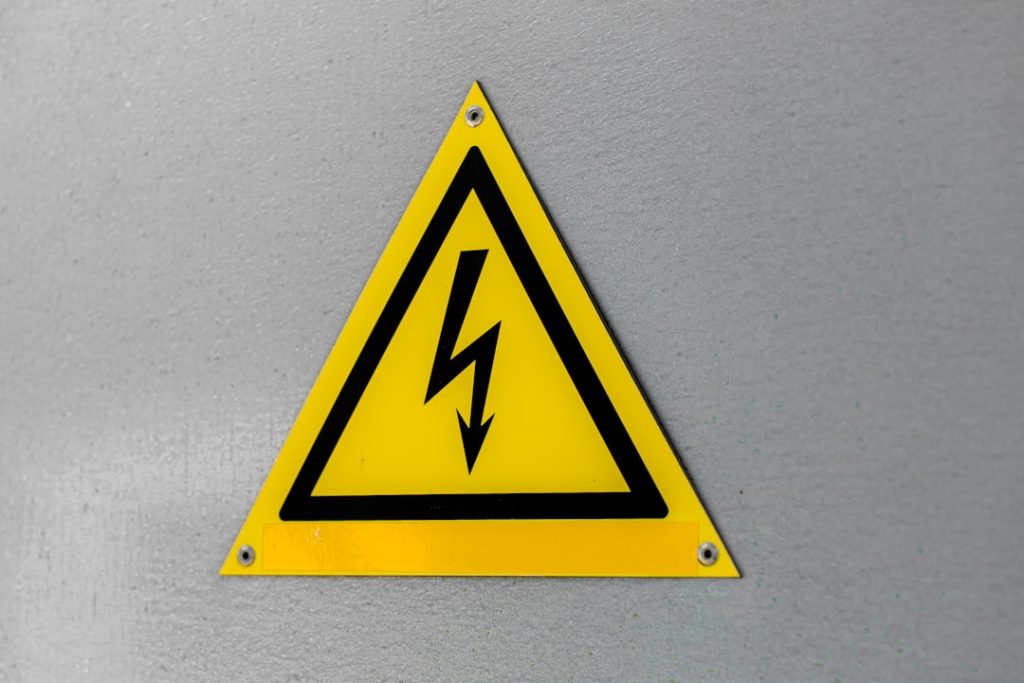
Imagine a sudden flash of bright light, a powerful burst of energy, and then chaos. An arc flash is not just a technical term—it’s a dangerous reality that can happen in the blink of an eye.
If you work around electrical equipment, the risk of an arc flash injury is something you can’t afford to ignore. But here’s the good news: you have the power to protect yourself. By understanding the risks and learning how to prevent them, you can turn a potentially life-threatening situation into a manageable safety precaution.
You’ll discover straightforward strategies and expert tips to keep you safe from arc flash injuries. Are you ready to take control of your safety and ensure peace of mind in your work environment? Let’s dive in and explore how you can stay protected.
Understanding Arc Flash
Understanding arc flash is crucial for anyone working in environments where electrical equipment is present. Arc flashes are sudden, intense bursts of electrical energy that can lead to serious injuries or even fatalities. By grasping the essentials of what arc flash entails, you can significantly reduce the risks associated with it and protect yourself and your colleagues from harm.
What Is An Arc Flash?
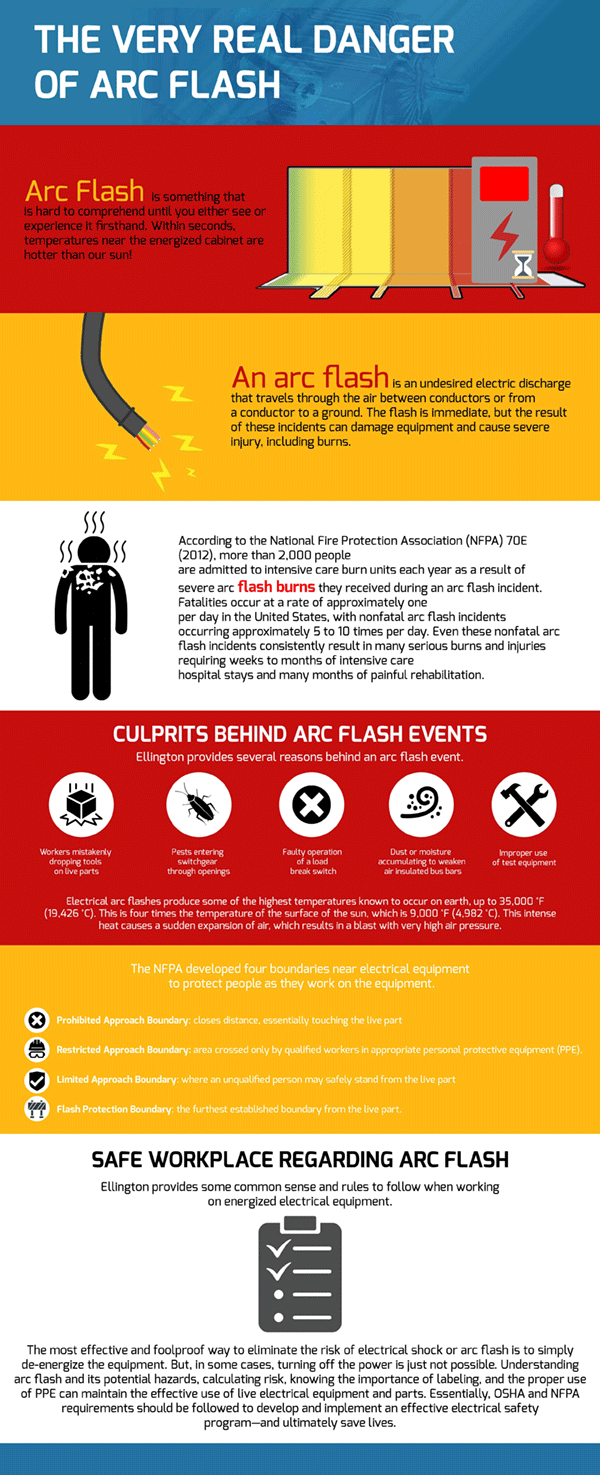
An arc flash is a rapid release of energy due to an electrical fault. It occurs when electrical current jumps across an air gap between conductors, causing a burst of heat and light. This can result in severe burns, blindness, or even death. Imagine a bolt of lightning, but confined within a workspace—it’s that powerful and dangerous.
Arc flashes can generate temperatures as high as 35,000 degrees Fahrenheit. That’s hotter than the surface of the sun. You might wonder, how can something so small cause so much damage? It’s the concentrated energy released in a split second that makes arc flashes so destructive. Understanding this gives you the urgency to follow safety protocols meticulously.
Common Causes Of Arc Flash
Arc flashes can be triggered by several factors. Equipment failure is a leading cause, often due to poor maintenance or outdated equipment. When was the last time your workplace conducted a thorough equipment check? Ensuring regular inspections can prevent many unnecessary incidents.
- Human error:Mistakes like dropping tools or accidentally touching live wires can lead to arc flashes.
- Dust and debris:Accumulation in electrical panels can provide a path for electricity to arc.
- Corrosion:Over time, corrosion can degrade equipment, increasing the risk of arcs.
Think about it—each of these causes can be mitigated with vigilance and proper training. Are you aware of the common causes in your workplace? Knowledge is power, and being informed can be the difference between safety and disaster.
Credit: manney.medium.com
Safety Regulations And Standards
Protective clothing and equipment are essential to prevent arc flash injuries. Regular training and adherence to safety standards minimize risks. Conducting risk assessments ensures a safer work environment.
Safety regulations and standards play a crucial role in preventing arc flash injuries. Understanding these guidelines helps create a safer work environment. These standards provide clear instructions on how to manage electrical hazards. Compliance with these rules minimizes the risks associated with arc flashes. Let’s explore some of the key standards and guidelines.Osha Guidelines
The Occupational Safety and Health Administration (OSHA) sets crucial regulations. These rules aim to protect workers from electrical hazards. Employers must follow specific practices to ensure safety. OSHA requires regular safety training for all employees. This training includes proper handling of electrical equipment. OSHA mandates the use of protective gear to minimize injury risks. Employers must conduct thorough risk assessments. Regular inspections help identify potential hazards. Following OSHA guidelines ensures a safer workplace.Nfpa 70e Standard
The National Fire Protection Association (NFPA) created the 70E standard. This standard focuses on electrical safety in the workplace. NFPA 70E outlines safety procedures for electrical tasks. It emphasizes the importance of personal protective equipment. The standard requires detailed hazard analysis. It guides employers on how to assess potential risks. NFPA 70E promotes safe work practices for electrical operations. Following these guidelines reduces the chance of arc flash injuries. Regular training ensures employees understand these safety measures.Risk Assessment And Planning
Arc flash injuries are serious and can cause severe harm. Understanding how to prevent them is crucial for safety in workplaces. Effective risk assessment and planning are key components in minimizing these dangers. These steps help identify potential hazards and create strategies to mitigate risks.
Conducting Risk Assessments
Risk assessments are the first step in preventing arc flash injuries. They involve identifying potential hazards within electrical systems. Experts examine equipment and processes to find areas of concern. This includes checking for outdated or damaged components. Assessments also consider the working environment and employee practices. Regular reviews ensure that any new risks are addressed promptly. Proper documentation helps track findings and improvements over time.
Creating An Arc Flash Safety Plan
Once risks are identified, a safety plan is essential. This plan outlines procedures to reduce or eliminate arc flash hazards. It includes training employees on safe practices and emergency responses. The plan should specify personal protective equipment (PPE) requirements. Clear guidelines help workers understand their roles in maintaining safety. Regular training sessions keep skills sharp and knowledge up-to-date. Updating the plan as conditions change ensures ongoing protection.
Protective Equipment
Arc flash injuries can be avoided with proper protective equipment. Use fire-resistant clothing, face shields, and insulated gloves. Regular equipment maintenance is crucial to safety.
Preventing arc flash injuries is crucial for anyone working with or around electrical equipment. One of the most effective ways to minimize the risk is by using proper protective equipment. This gear acts as a barrier between you and potential electrical hazards, ensuring safety while on the job. Understanding the types of protective equipment available and choosing the right gear can make all the difference.Types Of Personal Protective Equipment
Personal Protective Equipment (PPE) for arc flash protection includes a variety of items designed to safeguard different parts of the body. Arc-rated clothing is essential, typically made from flame-resistant materials that can withstand high temperatures. Items like gloves, face shields, and safety goggles protect hands and eyes from electric shock and thermal burns. Footwear is another vital component. Non-conductive boots help prevent electrical current from traveling through your body. Each piece of gear plays a critical role in ensuring comprehensive protection.Selecting The Right Gear
Choosing the appropriate PPE can be challenging yet vital for your safety. Begin by assessing the hazard risk category of your specific work environment. This will guide you in selecting gear with the correct arc rating. Consider comfort and fit, as ill-fitting equipment can hinder movement and reduce protection. A comfortable worker is more likely to wear their equipment consistently and correctly. Finally, always check for compliance with safety standards. Gear that meets industry regulations ensures you’re getting reliable protection. How confident are you that your current equipment is up to the task? Regularly reviewing and updating your PPE is a proactive step towards safety.Training And Awareness
Understanding arc flash risks is crucial for safety. Proper training and awareness help prevent serious injuries. Use protective gear and follow safety protocols to reduce hazards.
Training and awareness are critical components in preventing arc flash injuries. They empower employees with the knowledge and skills necessary to safely handle electrical equipment, reducing the risk of accidents. By focusing on these areas, organizations can create a safer work environment that protects everyone involved.Employee Training Programs
Creating effective employee training programs is key to minimizing arc flash hazards. These programs should include hands-on exercises, where employees can practice safe procedures in a controlled setting. Engaging experts to conduct workshops can also provide deeper insights and practical tips. Make sure your training sessions cover the latest safety protocols and regulations. Regularly update your programs to reflect any changes in standards or technology. Encouraging employees to ask questions can also enhance their understanding and retention of information.Promoting Safety Awareness
Building a culture of safety starts with awareness. Regular safety meetings and briefings can reinforce the importance of vigilance in preventing arc flash incidents. Encouraging open discussions about near-misses and potential hazards helps create a proactive safety environment. Visual aids like posters and signs can serve as constant reminders of safety practices. Consider using real-life stories or testimonials to drive home the importance of safety. How often do you reflect on your safety habits? Keep the conversation ongoing to ensure safety is always top of mind.Safe Work Practices
Wearing protective clothing and equipment can greatly reduce arc flash injuries. Regularly inspect electrical systems to prevent faults. Educate workers about potential hazards and safe practices to enhance workplace safety.
Safe work practices are essential to prevent arc flash injuries. They not only safeguard workers but also ensure a smooth workflow. By being proactive, you can minimize risks and create a safer work environment. How do you ensure that your team is always protected?Lockout/tagout Procedures
Implementing lockout/tagout (LOTO) procedures is crucial for safety. This process involves shutting off and locking out power sources before any electrical work begins. You can use a simple checklist to ensure every step is followed correctly. Consider a situation where a worker accidentally energizes a circuit. Without LOTO, this could lead to serious injury. Make it a habit to double-check locks and tags before starting any task. Training your team on these procedures is essential. Regular refreshers can prevent complacency and keep safety at the forefront. Have you scheduled your next training session yet?Maintaining Safe Distances
Keeping a safe distance from energized equipment is another vital practice. This reduces the risk of arc flash incidents significantly. You should always know the recommended safe distance for the equipment you are working with. Sometimes, urgency makes it tempting to cut corners. But imagine the potential consequences if a sudden arc flash occurs. Would a few saved minutes be worth the risk? Using barriers or signs to mark safe zones can help maintain these distances. Encourage your team to respect these boundaries even during routine tasks. How can you make these safety zones more visible in your workspace?Emergency Response
Preventing arc flash injuries involves regular equipment maintenance and conducting safety training. Use protective gear to minimize risk.
Emergency responses are crucial in preventing severe arc flash injuries. Quick action can save lives and reduce harm. Knowing what to do during an arc flash incident is vital. This section will guide you on effective emergency response strategies.First Aid For Arc Flash Injuries
Immediate first aid can prevent further injury. Cool the burn area with water. Use clean, cool water to soothe the burn. Avoid using ice as it can damage the skin. Remove clothing near the burn, but do not peel off stuck fabric. Cover the burn with a sterile bandage or cloth. This keeps the area clean and reduces infection risk. Seek medical help immediately.Developing An Emergency Plan
An emergency plan is essential for workplace safety. Start with identifying potential hazards. Know where arc flash incidents might occur. Conduct regular safety drills with your team. Practice makes response swift and effective. Ensure all employees know emergency exits. Clearly mark escape routes in the facility. Provide training on using safety equipment. Fire extinguishers and first aid kits should be accessible. Review and update the plan regularly. Address changes in layout or personnel.
Credit: www.youtube.com
Technological Solutions
Implement safety measures like proper PPE and regular training sessions. Use advanced electrical systems to minimize arc flash risks. Regular equipment maintenance is essential to ensure safety compliance.
Technological solutions play a crucial role in preventing arc flash injuries. They offer innovative ways to enhance workplace safety. Implementing advanced systems can significantly reduce risks. These solutions help detect and manage electrical hazards effectively.Advanced Detection Systems
Modern detection systems identify potential arc flash events. They use sensors and software to monitor electrical systems. Early detection allows timely intervention. These systems alert workers to hazards before incidents occur. This proactive approach saves lives and equipment. Advanced systems are essential in high-risk environments. They provide real-time data on electrical conditions. This information aids in making informed safety decisions.Automated Safety Measures
Automation in safety measures is vital. These systems reduce human error and enhance safety protocols. Automated systems can shut down equipment during emergencies. They minimize exposure to dangerous electrical currents. Automation includes smart circuit breakers and relay systems. These devices react swiftly to electrical faults. Automated measures ensure consistent safety practices. They maintain a protective environment around electrical equipment.Continuous Improvement
Continuous improvement is key to preventing arc flash injuries. Regularly revisiting and updating safety measures can save lives. It ensures that all protocols remain effective and up-to-date.
Regular Audits And Inspections
Conduct regular audits to identify potential risks. Inspections help spot equipment wear and tear early. They also ensure compliance with safety standards. Schedule these audits at consistent intervals. This keeps safety a top priority. Involve trained professionals in the process. Their expertise can highlight overlooked hazards.
Updating Safety Protocols
Safety protocols need regular reviews. Update them as new information becomes available. This includes technological advancements and industry best practices. Employees should be informed of any changes promptly. Use clear communication methods. Training sessions can help reinforce updated protocols. Keep documentation accessible for all staff. This ensures everyone is on the same page.

Credit: www.blog.oelsales.com
Frequently Asked Questions
What Is An Arc Flash?
An arc flash is a sudden electrical discharge through the air. It occurs due to a fault or short circuit. It can cause injuries like burns or blindness. Preventative measures are crucial to ensure safety in environments with electrical equipment.
How Can Arc Flash Injuries Be Prevented?
Arc flash injuries can be prevented by using proper protective gear. Conducting regular maintenance checks on electrical systems is essential. Implementing safety protocols and training employees also helps. Ensuring equipment is properly rated and labeled is vital.
Why Is Ppe Important For Arc Flash?
Personal Protective Equipment (PPE) protects against severe injuries during an arc flash. It includes flame-resistant clothing and face shields. PPE minimizes burns and other injuries. Proper use and maintenance of PPE are essential for effective protection.
What Training Helps Prevent Arc Flash?
Training on arc flash awareness and safety is crucial. It includes understanding hazards and safe work practices. Regular safety drills and updates on regulations are important. Training ensures employees know how to respond in emergencies.
Conclusion
Preventing arc flash injuries is crucial for workplace safety. Always use proper safety gear. Train employees regularly on safety protocols. Understand the risks involved with electrical work. Maintain equipment to prevent malfunctions. Implement strict safety guidelines and procedures. Encourage a culture of safety in your organization.
Regular inspections can identify potential hazards early. Document and review safety practices frequently. By taking these steps, you protect your team. Reduce the risk of arc flash incidents. Safety is a shared responsibility. Everyone must be vigilant and informed. Prioritize safety to ensure a safer work environment.