Imagine being able to enjoy your favorite activities without the constant worry of knee injuries. Whether you’re an athlete, a weekend warrior, or someone simply looking to maintain an active lifestyle, the fear of knee injuries can be a real concern.
You might be wondering, “Do knee braces really prevent injury? ” This question is more than just a fleeting thought; it’s a matter that could impact how you protect one of your body’s most important joints. We’ll explore the effectiveness of knee braces and uncover the truth behind their ability to prevent injuries.
You’ll learn the science behind these supportive devices, and by the end, you’ll have a clearer understanding of whether a knee brace is the right choice for your needs. So, if you’re ready to discover how you can take a proactive step towards safeguarding your knees, keep reading. Your knees will thank you.
Knee Brace Types
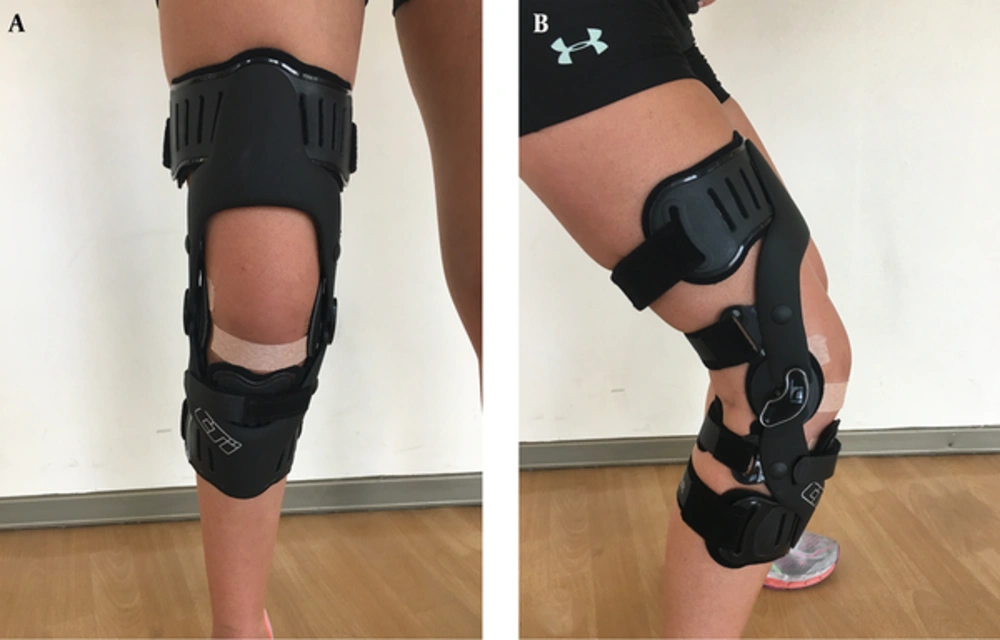
Knee braces come in various types, each designed to support and stabilize the knee. They can help prevent injuries by providing compression, alignment, and limiting movement. Choosing the right brace depends on the specific needs of the knee, whether for sports or recovery.
Knee braces come in different types, each designed to serve a specific purpose. Whether you’re recovering from an injury or seeking to prevent one, understanding the types of knee braces available can be crucial. Selecting the right brace can make a significant difference in comfort and effectiveness.Functional Braces
Functional braces are commonly used by individuals who have already experienced a knee injury. They offer support to unstable knees, helping you continue with daily activities without fear of further injury. If you’ve had ACL surgery, you might find a functional brace particularly beneficial.Prophylactic Braces
Prophylactic braces are designed for those who participate in contact sports. They aim to reduce the risk of knee injuries during activities like football or basketball. Wearing a prophylactic brace can give you peace of mind on the field, providing an extra layer of protection.Rehabilitative Braces
Rehabilitative braces are often prescribed post-surgery to protect the knee during recovery. They limit the knee’s range of motion, preventing harmful movements while you heal. If you’re recovering from a knee operation, a rehabilitative brace could be a crucial part of your recovery plan.Unloader Braces
Unloader braces are typically recommended for those with arthritis. They work by shifting weight away from the affected part of the knee, reducing pain and improving function. If you’re dealing with osteoarthritis, an unloader brace might just help you regain some mobility. Understanding the specific functions of these braces can help you make a more informed decision. Which type do you think would suit your needs best?
Credit: www.cnn.com
How Knee Braces Work
Knee braces are designed to support and protect the knee joint. They help reduce the risk of injury by providing stability and alignment. Understanding how knee braces work can help you decide if they are right for you.
Support And Stability
Knee braces offer essential support to the knee. They limit unwanted movement that can cause injury. By holding the knee in a stable position, braces prevent excessive strain. Athletes often use them to reduce the risk of sprains. Stability is crucial for maintaining joint health.
Compression Benefits
Compression is a key feature of many knee braces. It enhances blood circulation around the knee. Improved circulation can reduce swelling and pain. Compression also supports muscles, aiding in faster recovery. It provides a snug fit, keeping the brace in place.
Alignment Correction
Correct alignment is vital for knee health. Knee braces assist in proper joint alignment. They help guide the knee’s movement in a safe manner. Misalignment can lead to injury and long-term issues. Braces encourage natural movement patterns, reducing strain on ligaments.
Scientific Evidence
Understanding the role of knee braces in injury prevention requires scientific evidence. Researchers have conducted numerous studies to explore their effectiveness. Insights from experts provide valuable perspectives. Comparing different types of knee braces can also shed light on their benefits.
Research Studies
Research studies offer insights into the effectiveness of knee braces. They investigate how braces support the knee joint during physical activities. Some studies show reduced injury rates among athletes using knee braces. Others highlight how braces stabilize the knee, minimizing injury risks. Researchers often focus on specific sports or activities. This helps identify which braces work best for various movements.
Expert Opinions
Experts provide insights based on clinical experience and research. Many orthopedic specialists recommend knee braces for injury prevention. They emphasize braces’ role in providing support during physical activities. Physical therapists also note the benefits of braces for athletes. They often advise using braces as part of a broader injury prevention strategy.
Comparative Analysis
Comparative analysis helps understand different knee brace types. Some braces are designed for specific injuries or activities. Hinged braces offer stability and are popular among athletes. Compression sleeves provide support and are often used for mild injuries. Studies compare the effectiveness of these braces. Findings can guide individuals in choosing the right brace for their needs.
Potential Risks And Limitations
Knee braces may not fully prevent injuries and can lead to dependency. Incorrect use might cause discomfort or skin irritation.
Potential Risks and Limitations Knee braces can be useful. They offer support during activities. But they come with risks and limitations. Understanding these helps you make informed decisions.Skin Irritation
Wearing knee braces may cause skin irritation. Tight straps and material rubbing lead to discomfort. Moisture can build up under the brace. This results in rashes or chafing. Proper fit and breathable fabric reduce these issues. Regular checks keep skin healthy.Dependency Issues
Some people rely too much on knee braces. This can weaken muscles over time. Braces provide external support. But they might reduce natural muscle function. Physical therapy helps maintain strength. Balance between support and muscle use is key.Restricted Mobility
Knee braces may limit movement. They can restrict bending and flexibility. This affects performance in sports or activities. Choosing the right brace helps balance support and mobility. Consult professionals for advice on suitable options.Knee Braces In Sports
Knee braces have become a common sight in sports arenas, promising athletes the support they need to excel while safeguarding them from injuries. But do these braces truly live up to their claims? As a sports enthusiast who has witnessed the highs and lows of wearing knee braces, there’s plenty to unravel about their role in sports. Let’s dive into how athletes use them, their impact on performance, and strategies to prevent injuries effectively.
Usage Among Athletes
Many athletes swear by knee braces, especially those recovering from injury or facing joint instability. Whether you’re a runner tackling rugged terrains or a basketball player making swift cuts, knee braces offer the reassurance of added support. They come in various types, from compression sleeves to hinged models, each serving specific needs. Have you ever tried using a knee brace during your workouts? You might find the extra confidence it brings to be quite motivating.
Performance Impact
There’s a constant debate about whether knee braces enhance or hinder athletic performance. Some athletes report improved stability and reduced pain, allowing them to push their limits. On the flip side, others feel restricted, claiming the brace hampers their natural movement. It’s crucial to find the right fit and type to avoid any negative impact. How would wearing a knee brace change your approach to training?
Injury Prevention Strategies
While knee braces can be part of injury prevention, they should be accompanied by other strategies for maximum effectiveness. Strengthening exercises, proper warm-ups, and maintaining a healthy weight are key components in safeguarding your knees. A brace can be an excellent tool, but relying solely on it might not be enough. Are you incorporating a balanced approach to protect your knees from potential injuries?

Credit: www.cnn.com
Choosing The Right Knee Brace
Choosing the right knee brace can be a daunting task, but it’s crucial for preventing injury and ensuring proper support during physical activities. With a variety of options available, understanding the key factors can make all the difference in selecting the best brace for your needs. Whether you’re an athlete pushing your limits or someone looking to protect a previous injury, a knee brace can offer the stability and confidence you need to move freely.
Material Considerations
The material of a knee brace plays a significant role in its functionality and comfort. Common materials include neoprene, fabric, and metal. Neoprene is popular for its flexibility and warmth, making it ideal for sports activities. Fabric braces offer breathability and are generally more comfortable for extended wear. Metal braces provide robust support, often used in post-surgery recovery. Consider the activity level and environment to choose a material that fits your lifestyle.
Fit And Comfort
A knee brace should fit snugly yet comfortably, without restricting movement. It’s essential to try on different sizes and styles to find the perfect match. Adjustable straps can provide a customized fit, ensuring the brace stays in place during vigorous activities. Pay attention to any pinching or slipping, as these can lead to discomfort or reduced effectiveness. Remember, a well-fitted brace should feel like an extension of your body, not an intrusion.
Consultation With Professionals
Seeking advice from healthcare or sports professionals can provide valuable insights into choosing the right knee brace. They can assess your specific needs, considering factors like previous injuries, activity level, and overall health. A professional consultation ensures you choose a brace that not only fits well but also provides the necessary support. Why guess when you can get expert advice tailored to your situation?
Alternatives To Knee Braces
Knee braces provide support but might not fully prevent injuries. Strengthening exercises can be an effective alternative. Stretching and balance training also help maintain knee health, offering protective benefits.
Alternatives to knee braces offer unique approaches to managing knee pain and preventing injury. While knee braces can provide support, exploring other options might give you more control over your knee health. Let’s dive into some effective alternatives that could enhance your mobility and strengthen your knees.Physical Therapy
Physical therapy can be a game-changer for your knees. A skilled therapist will tailor exercises specifically for your condition. They can help improve your flexibility, balance, and strength. Personalized sessions ensure you’re not just following a generic plan, but truly addressing your unique needs. Have you ever considered how targeted exercises can prevent injuries before they happen?Strengthening Exercises
Strengthening exercises are a proactive way to protect your knees. Simple routines like squats, lunges, and leg presses can build muscle around your knee joint. These exercises don’t require fancy equipment and can be done at home. Consistency is key—how committed are you to maintaining a routine? Strong muscles act as a natural brace, reducing the risk of injury.Lifestyle Modifications
Lifestyle modifications might be the most overlooked alternative. Small changes can make a big difference in knee health. Consider weight management; even a few pounds less can relieve stress on your knees. Opt for low-impact activities like swimming or cycling instead of high-impact sports. Are you willing to adjust your daily habits to protect your knees? Embracing a healthier lifestyle could be your best defense against knee injuries.
Credit: brieflands.com
Frequently Asked Questions
Do Knee Braces Prevent All Knee Injuries?
Knee braces can help reduce the risk of certain injuries by providing support and stability. However, they may not prevent all types of knee injuries, especially those caused by high-impact activities or accidents. It’s crucial to combine knee braces with proper training and exercise to minimize injury risks.
Are Knee Braces Effective For Athletes?
Yes, knee braces are often used by athletes to prevent and manage injuries. They offer support and can enhance performance by stabilizing the knee during physical activities. However, effectiveness varies depending on the type of brace and sport, and they should be used in conjunction with proper training.
Can Knee Braces Be Worn Daily?
Knee braces can be worn daily if recommended by healthcare professionals. They can provide support for chronic conditions or during recovery. However, prolonged use without medical guidance may lead to muscle dependency or weakness. It’s essential to follow professional advice and balance brace use with exercises.
Do Knee Braces Help With Arthritis?
Knee braces can offer relief to arthritis sufferers by providing support and reducing pain. They help stabilize the joint, which can improve mobility and function. Different types of braces may be recommended based on the severity of arthritis, so consultation with a healthcare provider is advised.
Conclusion
Knee braces can help reduce injury risk. They offer support during activities. Especially useful for those with prior knee issues. While not a foolproof solution, they add protection. Choosing the right brace is crucial. Consult a professional for guidance. Remember, knee braces are just one part of injury prevention.
Combine them with strength exercises and proper techniques. Listen to your body and rest when needed. Stay proactive about your knee health. By doing this, you can enjoy activities with more confidence. Keep your knees safe and strong.