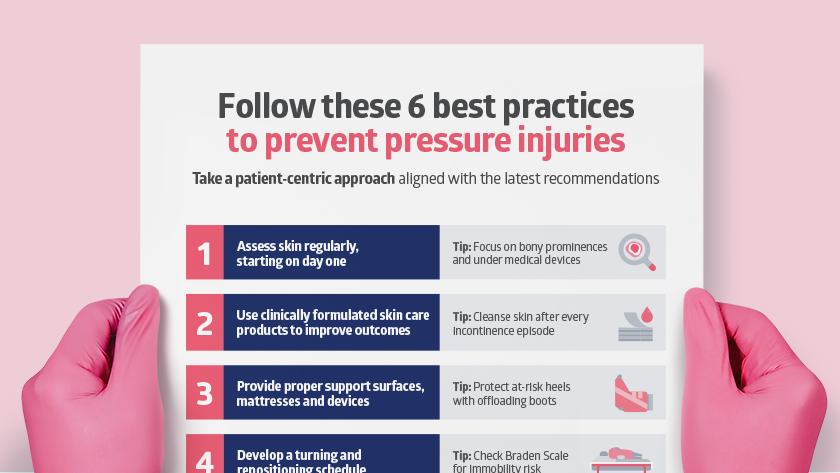
Imagine going through your day without a single worry about unexpected accidents. Sounds ideal, right?
Personal injuries can disrupt your life in an instant, affecting everything from your health to your finances. But what if you could take control and drastically reduce the chances of these mishaps? You have more power than you think to prevent personal injuries, and it starts with understanding the right methods.
You’ll discover practical tips that not only safeguard you but also empower you to live more confidently. Curious about how to transform your daily routine into a safer haven? Keep reading, and unlock the secrets to a life less fraught with unnecessary risks. Your peace of mind is just a few steps away.
Safety Measures At Home
Install non-slip mats in bathrooms and kitchens to reduce fall risks. Secure heavy furniture to walls to prevent tipping. Ensure good lighting in all areas to avoid accidents. Keep pathways clear of clutter for safe movement. Regularly check and replace smoke detector batteries for fire safety.
Safety measures at home are essential to prevent personal injuries. Simple steps can make a big difference. From lighting to secure floors, each measure enhances safety. Creating a safer environment means fewer accidents. It also brings peace of mind knowing your home is secure.Proper Lighting
Good lighting is crucial in preventing falls. Ensure all areas are well-lit. Use bright bulbs in hallways and stairs. Install nightlights in bathrooms and bedrooms. They help during nighttime trips. Check bulbs regularly. Replace any that are dim or burned out.Secure Floors And Carpets
Slippery floors can cause accidents. Fix loose tiles immediately. Use non-slip mats in kitchens and bathrooms. Ensure carpets are securely fastened. Tape edges and corners. This prevents tripping hazards. Keep floors free from clutter. Make sure pathways are clear.Childproofing Essentials
Children are curious explorers. Childproofing is vital for their safety. Secure heavy furniture to walls. Install safety gates at stairways. Use outlet covers to prevent electrical shocks. Lock cabinets with harmful substances. Keep small objects out of reach. These steps protect little ones from harm.Workplace Safety Practices
Workplace safety practices are essential for preventing personal injuries and ensuring a healthy work environment. Imagine working in a space where every step you take is backed by safety measures, making you feel secure and focused. While it might seem like common sense, many workplaces often overlook simple strategies that can significantly reduce risks. How can you ensure that your workspace is a safe haven? Let’s explore some practical approaches.
Ergonomic Workstations
Ergonomic workstations are more than just fancy chairs and desks. They are about creating a space that supports your body, reduces strain, and prevents injuries. Consider adjusting your chair to support your back and keep your feet flat on the ground. Your computer screen should be at eye level to avoid neck strain.
Standing desks can also be a great option. Alternating between sitting and standing throughout the day can improve circulation and reduce fatigue. A colleague of mine once transformed her productivity by simply adjusting her desk height and adding a supportive footrest. What changes can you make to your workspace?
Regular Safety Training
Safety training is not just a one-time event. Regular sessions keep employees informed about potential hazards and how to handle them. Whether it’s learning how to properly lift heavy objects or understanding chemical safety, these trainings are vital.
Imagine a scenario where a spill happens and everyone knows exactly what to do. By participating in regular training, you equip yourself with the knowledge to act quickly and efficiently. It’s a small investment of time that pays off greatly in ensuring safety.
Emergency Protocols
Having clear emergency protocols is crucial. Do you know the quickest exit route from your office? Are you aware of the location of the first-aid kit? Regular drills can help familiarize everyone with these essential details.
In one company, the implementation of monthly drills significantly reduced panic during an actual emergency. By practicing, employees were able to evacuate swiftly and safely. Remember, knowing what to do in emergencies can save lives and minimize injuries.
Incorporating these practices into your workplace can make a difference in how safe and secure you feel at work. What steps will you take to enhance your workspace safety today?
Outdoor Activity Precautions
Wear proper gear to protect yourself. Stay hydrated and take breaks to prevent exhaustion. Always be aware of your surroundings for safety.
Venturing outdoors is a thrilling experience, offering a chance to connect with nature and enjoy physical activities. However, these adventures come with risks that can result in personal injuries if precautions are not taken. Whether you’re hiking, biking, or simply enjoying a walk in the park, understanding and implementing safety measures can significantly reduce the likelihood of accidents. Let’s dive into some practical methods to ensure your outdoor activities are safe and enjoyable.Use Protective Gear
Protective gear is your first line of defense against injuries during outdoor activities. Helmets, knee pads, and elbow pads are essential for biking or skating. They cushion impacts and prevent scrapes and bruises. Reflective clothing can enhance visibility, especially during early morning or late evening activities. This ensures you are seen by other pedestrians or vehicles. Consider how wearing the right gear can transform a potentially risky adventure into a safe and fun experience.Awareness Of Environment
Being aware of your surroundings is crucial. Familiarize yourself with the terrain before setting off on a hike or trail run. Identify potential hazards like loose rocks or slippery paths. Notice how your environment changes. Are there wild animals you should be cautious of? Are certain areas prone to sudden weather changes? Your awareness can prevent accidents and ensure you enjoy the beauty of the outdoors without unnecessary risks.Weather Considerations
Weather can be unpredictable, yet it plays a significant role in outdoor safety. Check weather forecasts before heading out. This simple step can inform your clothing choices and dictate whether it’s safe to proceed with your plans. Extreme temperatures or sudden storms can transform a pleasant outing into a dangerous situation. Have you ever been caught in a sudden downpour without a raincoat or umbrella? Planning for weather conditions can help you avoid these uncomfortable and potentially unsafe scenarios.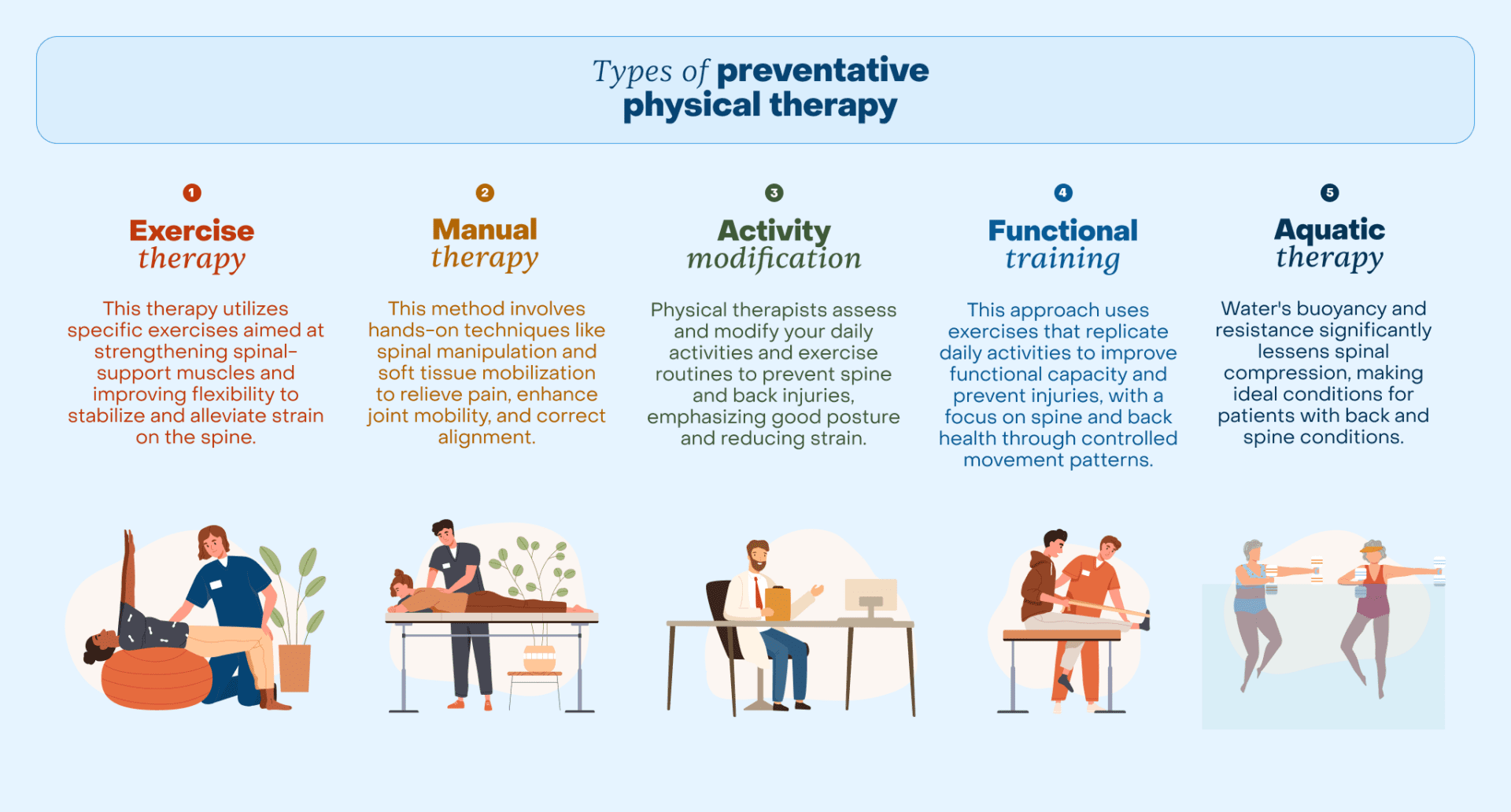
Credit: spinehealth.org
Vehicle Safety Tips
Regular vehicle maintenance is crucial. Check brakes, lights, and tire pressure to ensure safe driving conditions. Wearing a seatbelt significantly reduces the risk of injury. Avoid distractions like phone use to stay focused on the road. Always follow traffic signals and speed limits to prevent accidents.
Vehicle safety is vital for preventing personal injuries on the road. Implementing simple safety measures can make a significant difference. Here are some practical vehicle safety tips to keep you and others safe.Regular Maintenance
Regular vehicle maintenance is crucial for safety. Check brakes, tires, and lights frequently. Ensure your car’s oil and fluid levels are adequate. Regular tune-ups prevent unexpected breakdowns. Clean and clear windshields for better visibility. Inspect seatbelts for wear and tear. A well-maintained car reduces accident risks.Seatbelt Importance
Seatbelts save lives. Always buckle up before driving. Encourage all passengers to wear seatbelts. Seatbelts reduce injury risks during accidents. They keep passengers secure in sudden stops. Wearing a seatbelt is a simple, lifesaving act. Never underestimate its importance for safety.Defensive Driving Techniques
Practice defensive driving to stay safe. Stay alert and aware of surroundings. Keep a safe distance from other vehicles. Anticipate potential hazards and react calmly. Avoid distractions like texting or eating while driving. Follow traffic rules and speed limits. Defensive driving minimizes collision risks.Exercise And Sports Safety
Warm-up exercises prepare muscles for activity, reducing injury risk. Wearing appropriate gear ensures protection during sports. Hydration maintains energy levels and prevents cramps.
Engaging in exercise and sports is a fantastic way to boost your health, but it also comes with the risk of personal injury. Whether you’re a seasoned athlete or a weekend warrior, taking proactive steps to prevent injuries is crucial. Let’s explore some practical strategies to ensure your safety while staying active.Warm-up And Cool-down
Before diving into your workout, a proper warm-up is essential. It prepares your muscles and joints for the activity ahead, reducing the risk of strains and sprains. Spend at least 5-10 minutes on dynamic stretches or light cardio. Cooling down post-exercise is equally important. It helps your body transition to a resting state and prevents stiffness. Consider gentle stretching to enhance flexibility and recovery. Have you ever skipped a cool-down and regretted it the next day?Proper Equipment
Using the right equipment can make a world of difference in preventing injuries. Ensure your gear is suitable for your activity. For example, running shoes need the right support and cushioning for your feet. Safety gear like helmets and knee pads are non-negotiable in high-risk sports. Investing in quality equipment is an investment in your safety. How often do you check the condition of your gear?Understanding Limits
Pushing beyond your limits might seem like a way to achieve more, but it can lead to severe injuries. Listen to your body and recognize when it’s time to stop. Gradually increase intensity and duration to build strength and stamina. Are you challenging yourself within a safe range? Knowing your limits is about balancing ambition with caution. Remember, it’s better to miss one workout than to be sidelined for weeks with an injury.
Credit: www.stopthebleed.org
Health And Wellness Strategies
Health and wellness strategies are essential for preventing personal injuries. By focusing on maintaining a balanced lifestyle, you can significantly reduce the risk of injuries in your daily life. Here are some key strategies to incorporate into your routine:
Healthy Diet
Eating a well-balanced diet is crucial for maintaining your body’s strength and resilience. Nutrient-rich foods like fruits, vegetables, lean proteins, and whole grains provide the energy and nutrients needed for optimal health. Consider making small changes like swapping sugary snacks for nuts or fruits, which can boost your immune system and keep your body in top shape.
Regular Exercise
Engaging in regular physical activity is an excellent way to enhance your body’s flexibility and strength. Even a simple daily walk or a yoga session can strengthen muscles and improve balance, reducing the likelihood of falls or strains. Start with activities you enjoy, and gradually increase intensity to keep your body challenged and injury-free.
Stress Management
Stress can lead to physical tension and an increased risk of injury. Incorporating stress management techniques like meditation, deep breathing, or even journaling can help you maintain mental clarity and physical relaxation. Ask yourself, how do you currently handle stress, and could these simple techniques make a difference in your wellbeing?

Credit: www.instagram.com
Frequently Asked Questions
How Can I Avoid Personal Injuries At Home?
To avoid personal injuries at home, keep floors clear of clutter and secure loose rugs. Install safety devices like smoke detectors and grab bars in bathrooms. Regularly check and maintain appliances to prevent accidents. Educate family members about safety practices to ensure everyone is aware and prepared.
What Are Common Workplace Injury Prevention Methods?
Common workplace injury prevention methods include ergonomic assessments to optimize workstation setups and regular safety training sessions. Implementing protective gear, adhering to safety protocols, and maintaining equipment properly are crucial. Encouraging open communication about hazards can significantly reduce injury risks in the workplace.
How Does Regular Exercise Prevent Injuries?
Regular exercise strengthens muscles, improves flexibility, and enhances balance, reducing the risk of injuries. It helps maintain a healthy weight, decreasing stress on joints and bones. Exercise also boosts overall physical health, preparing the body to better withstand potential injury-causing situations.
Why Is Safety Equipment Essential In Sports?
Safety equipment in sports, like helmets and pads, protects athletes from injuries. It minimizes impact and shields vulnerable areas during physical activity. Proper gear ensures athletes can perform safely, reducing the risk of serious harm and allowing for a longer, healthier sporting career.
Conclusion
Preventing personal injury requires awareness and smart choices. Stay alert at all times. Use safety gear consistently. Follow rules and guidelines. These actions reduce risks significantly. Protect yourself and others by being vigilant. Educate yourself about safety measures. Practice them daily.
Consider your environment’s potential hazards. Make safety a priority in every situation. Small steps lead to big safety improvements. Regularly review your habits and surroundings. Adjust them as needed. This proactive approach ensures well-being and peace of mind. Stay safe and informed to enjoy a healthier life.