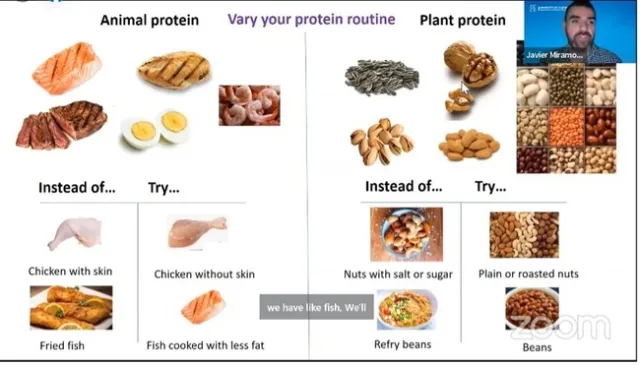
Are you wondering if your nutritional diet is truly healthy? With countless diet plans and conflicting advice out there, it can be overwhelming to know if you’re making the right choices for your body.
You’re not alone in this confusion. Many people struggle to find a clear path to optimal health. But here’s the good news: understanding whether your nutritional diet is beneficial doesn’t have to be a mystery. By focusing on key indicators and simple strategies, you can confidently assess and improve your eating habits.
This guide will reveal the secrets to determining the effectiveness of your diet, ensuring you nourish your body with the nutrients it needs to thrive. Get ready to unlock the power of a healthy diet that works for you!
Benefits Of A Nutritional Diet
A nutritional diet offers a wealth of benefits. It supports overall well-being. People often notice improvements in many areas of life. A balanced diet impacts physical health, mental state, and energy levels. Let’s explore these benefits in detail.
Physical Health Improvements
A nutritional diet can strengthen your immune system. It helps in maintaining a healthy weight. This diet reduces the risk of chronic diseases. It supports healthy bones and muscles. Vitamins and minerals in a balanced diet promote skin health. They also aid in faster recovery from illnesses. Each meal can be a step towards better health.
Mental Health Enhancements
Eating the right foods boosts brain function. It can improve your mood and reduce anxiety. Nutrient-rich foods enhance concentration and memory. Omega-3 fatty acids, for example, support brain health. B vitamins help manage stress levels. A nutritious diet can lead to a happier, calmer mind.
Energy And Vitality Increase
A balanced diet provides the energy needed for daily tasks. Carbohydrates, proteins, and fats in the right amounts fuel the body. They sustain energy levels throughout the day. You feel less fatigued and more active. A good diet can improve endurance and physical performance. With consistent meals, vitality becomes part of life.

Credit: www.instagram.com
Key Components Of A Nutritional Diet
A nutritional diet is essential for maintaining overall health and wellness. Understanding its key components can help in making informed choices. This section explores the elements that form the foundation of a well-rounded nutritional diet.
Balanced Macronutrients
Macronutrients are the building blocks of a diet. They include carbohydrates, proteins, and fats. Each plays a unique role in body functions. Carbohydrates provide energy, proteins repair tissues, and fats support cell growth. A balanced intake ensures your body functions optimally. Strive for a mix that suits your lifestyle and health goals.
Essential Vitamins And Minerals
Vitamins and minerals are crucial for body processes. They support immune function, bone health, and energy production. Vitamins like A, C, and D, along with minerals like calcium and iron, should be part of your diet. Eating a variety of fruits and vegetables helps meet these needs. Supplements can fill gaps but focus on whole foods first.
Hydration And Its Role
Water is vital for every cell in your body. It aids digestion, regulates temperature, and removes waste. Staying hydrated keeps you energized and focused. Drink plenty of water throughout the day. Include hydrating foods like cucumbers and watermelon. Proper hydration is as important as solid food intake.
Evaluating Dietary Impact On Health
Understanding how your diet affects your health is crucial. Proper evaluation helps in making informed dietary choices. This section delves into key aspects that reflect dietary impact on health. Observing changes in physical appearance, mental wellness, and energy levels can provide valuable insights.
Tracking Physical Changes
Physical changes are often the first indicators of dietary impact. Watch for shifts in weight, skin condition, and muscle tone. Regularly check your weight to spot trends. Notice your skin’s texture and appearance for signs of improvement or issues. Observe muscle strength and endurance during physical activities.
Monitoring Mental Wellness
Mental wellness is deeply connected to diet. Keep track of mood fluctuations and cognitive functions. Notice if your mood is stable or if you feel anxious. Pay attention to memory and focus levels. A balanced diet can support mental clarity and emotional stability.
Assessing Energy Levels
Energy levels can reveal how well your diet supports your daily activities. Feelings of fatigue or vitality are significant indicators. Monitor your energy during different times of the day. Note if you feel sluggish or energized after meals. Proper nutrition boosts overall energy and productivity.
Scientific Studies On Nutrition And Health
Understanding nutritional diet relies on scientific studies examining food impact on health. Research identifies essential nutrients and balanced diets that promote well-being. Careful analysis of dietary patterns helps in selecting the right foods for optimal health benefits.
Scientific studies on nutrition and health play a crucial role in understanding dietary impacts. Researchers conduct various experiments to evaluate how different foods influence our well-being. These findings help guide nutritional advice and policy-making. By examining these studies, individuals can make informed choices about their diets.Research Findings
Research findings provide insight into how nutrition affects health. Many studies focus on specific nutrients and their benefits. For example, vitamin C boosts the immune system. Omega-3 fatty acids support heart health. Fiber aids digestion and promotes regularity. These findings highlight the importance of a balanced diet.Case Studies And Examples
Case studies offer detailed insights into real-world dietary impacts. A famous study involved a group adopting a Mediterranean diet. Participants showed improved heart health and reduced inflammation. Another example observed individuals increasing fruit and vegetable intake. Results showed better weight management and energy levels.Limitations And Considerations
Scientific studies have limitations and considerations to note. Sample sizes may be small, affecting result reliability. Not all studies account for lifestyle factors like exercise or stress. Dietary effects can vary due to genetics and personal health conditions. It’s essential to consider these factors when evaluating study results.Tools And Methods For Personal Assessment
Evaluating your nutritional diet can seem daunting, but with the right tools and methods, it’s completely manageable. Whether you’re trying to lose weight, gain muscle, or just eat healthier, assessing your current habits is crucial. This section will guide you through practical ways to assess your diet, using tools that fit seamlessly into your everyday routine.
Dietary Journals
Keeping a dietary journal is a simple yet powerful tool for tracking what you eat. By jotting down everything you consume, you gain insights into your eating patterns and identify areas for improvement. You might be surprised to see how often you reach for snacks or forget to drink enough water.
Start by noting down your meals and snacks each day. Be honest and detailed. You can use a notebook or an app on your phone. Reflect on your entries weekly to spot trends and make informed decisions about changes you want to make.
Health Apps And Technology
Technology has revolutionized personal health assessments, making it easier than ever to keep track of your diet. Health apps can provide a wealth of information right at your fingertips. They offer features like calorie counting, nutrient tracking, and personalized meal plans.
Choose an app that fits your goals and lifestyle. Many apps sync with wearable devices, giving you a comprehensive view of your activity levels alongside your dietary intake. Regularly check your app’s insights to stay motivated and informed about your progress.
Consultation With Professionals
If you feel overwhelmed by diet assessments or need expert advice, consulting with professionals can be invaluable. Nutritionists or dietitians offer personalized guidance based on your health goals, dietary preferences, and lifestyle.
Consider scheduling an appointment to discuss your eating habits and any concerns you have. Professionals can provide tailored advice and help create a sustainable plan. This collaboration not only boosts your confidence but also ensures you’re making changes that truly benefit your health.

Credit: www.facebook.com
Common Misconceptions About Nutritional Diets
Many people misunderstand nutritional diets. These misconceptions can lead to unhealthy choices. It’s crucial to distinguish facts from myths. Knowing the truth helps in making better dietary decisions.
Fads Versus Facts
Diet fads often promise quick results. They may not be backed by science. Many believe popular diets are effective. Long-term evidence is often lacking. Facts about nutrition are based on research. They focus on balanced eating. Choose diets that have scientific support. Avoid trends that lack evidence.
Overemphasis On Specific Nutrients
Some diets stress one nutrient too much. This can lead to imbalances. Many believe protein is the key to health. Others focus solely on carbs or fats. Each nutrient plays a role in health. A balanced diet includes all types. Eating varied foods ensures proper nutrition.
Understanding Long-term Effects
Short-term diets often overlook long-term health. Quick fixes may harm the body over time. Many diets focus only on immediate weight loss. Long-term effects are crucial to consider. A healthy diet supports lifelong well-being. Choose diets that promote sustainable habits.
Tips For Implementing A Nutritional Diet
Embarking on a journey towards a nutritional diet can be both exciting and daunting. The key to success lies in the thoughtful implementation of practical strategies. Here are some actionable tips to help you integrate a balanced diet into your daily life, ensuring you stay on track and achieve your health goals.
Setting Realistic Goals
Begin by setting achievable goals that align with your lifestyle. Instead of aiming for drastic changes, focus on small, manageable adjustments that can gradually become part of your routine. Consider what you want to achieve—whether it’s increased energy, weight management, or improved overall health—and tailor your goals accordingly.
Reflect on past experiences. What worked for you before? What didn’t? Use these insights to set goals that are both realistic and motivating.
Creating Balanced Meal Plans
A balanced meal plan is the backbone of any nutritional diet. Strive to include a variety of food groups in your meals: proteins, carbohydrates, fats, and plenty of fruits and vegetables. This diversity ensures you get a wide range of essential nutrients.
Plan your meals weekly to avoid last-minute unhealthy choices. For example, you can prepare a simple table to outline your meals:
| Day | Breakfast | Lunch | Dinner |
|---|---|---|---|
| Monday | Oatmeal with berries | Grilled chicken salad | Quinoa and roasted veggies |
Keep your meals colorful and varied. This not only makes eating more enjoyable but also ensures a broader intake of nutrients.
Staying Motivated And Consistent
Staying motivated is often the toughest part of maintaining a nutritional diet. Celebrate small victories along the way to keep your spirits high. Perhaps you managed to eat a healthy breakfast every day for a week—acknowledge this achievement.
Engage with a community or find a buddy with similar goals. Sharing experiences and challenges can provide support and accountability. Ask yourself regularly: what keeps you going? Identifying your core motivation can reignite your commitment when things get tough.
Remember, consistency is more important than perfection. It’s okay to have an off day; what’s crucial is getting back on track the next day.
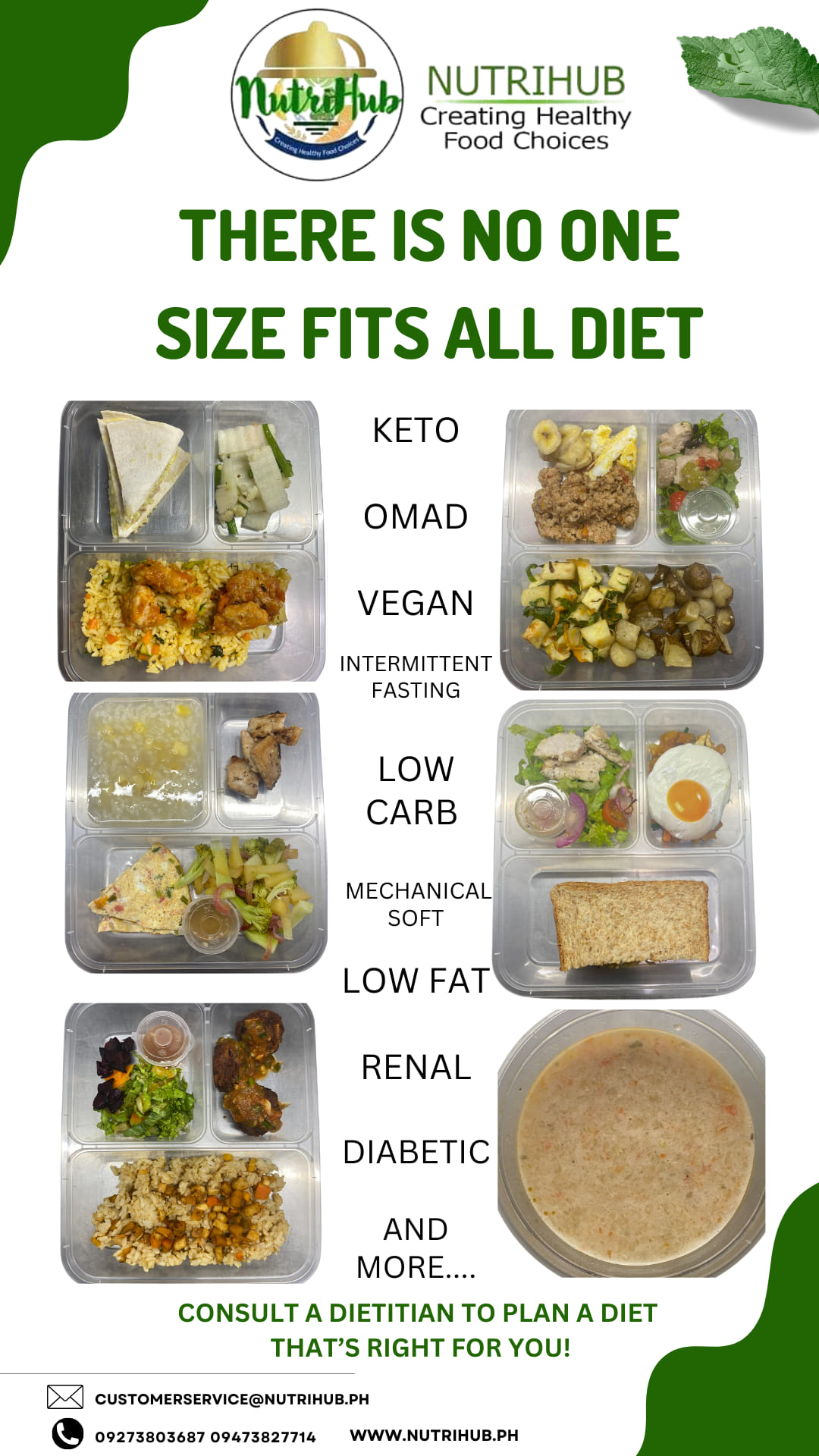
Credit: www.facebook.com
Frequently Asked Questions
What Makes A Diet Nutritional?
A nutritional diet includes a balance of macronutrients and micronutrients. It should contain proteins, carbohydrates, fats, vitamins, and minerals. Eating a variety of foods ensures nutrient diversity. Whole grains, lean proteins, fruits, and vegetables are essential. Avoid processed foods and excessive sugar for optimal health.
How To Identify A Balanced Diet?
A balanced diet includes various food groups in appropriate portions. Include fruits, vegetables, proteins, and whole grains daily. Monitor portion sizes and maintain a variety. Limit sugary drinks and high-calorie snacks. Balance ensures your body gets essential nutrients for energy and health.
Can Supplements Replace A Nutritional Diet?
Supplements cannot replace a nutritional diet completely. Whole foods provide essential nutrients and fiber. Supplements can fill gaps but lack the benefits of whole foods. They should be used when specific deficiencies are diagnosed. Always consult a healthcare professional before using supplements.
How Does Hydration Affect Nutrition?
Hydration is crucial for overall health and nutrition. Water aids in digestion, nutrient absorption, and waste elimination. Dehydration can impair bodily functions and nutrient delivery. Drink plenty of water daily. Hydrating foods like fruits and vegetables contribute to overall fluid intake.
Conclusion
Choosing the right nutritional diet can be simple and rewarding. Start by understanding your body’s needs. Listen to signals like hunger and energy levels. Balance is key; include fruits, vegetables, proteins, and grains. Avoid processed foods and excess sugars. Consider consulting a nutritionist for personalized guidance.
Experiment with different foods to find what works for you. Stay informed and make adjustments as needed. Remember, a healthy diet supports overall well-being and happiness. Eating mindfully can lead to a healthier lifestyle. Make small changes today for a better tomorrow.
Your body will thank you.