Are you curious about how your diet might influence the nutrition of your breast milk? As a new mom, you want the best for your baby, and understanding the connection between what you eat and the nourishment you provide can be empowering.
Imagine having the ability to enhance your baby’s growth and development through simple dietary choices. This article will uncover the fascinating link between your meals and your milk, helping you make informed decisions that benefit both you and your little one.
Keep reading to discover how you can optimize your diet for the ultimate gift of nutrition.
Breast Milk Composition
Diet plays a crucial role in breast milk nutrition. A balanced diet ensures essential nutrients are present in breast milk. Nutrient-rich foods can enhance the quality of breast milk, benefiting the baby’s growth and development.
Breast milk is a vital source of nutrition for newborns. It contains a complex mix of nutrients. These nutrients support a baby’s growth and development. The composition of breast milk can change. It adapts to meet the needs of the growing infant.Essential Nutrients
Breast milk provides essential nutrients for babies. It contains vitamins, minerals, and antibodies. These components help strengthen the baby’s immune system. Vitamins like A, D, E, and K are crucial. They support the baby’s vision, bone health, and blood clotting. Minerals such as calcium and iron are also present. They play a role in bone development and oxygen transport.Role Of Macronutrients
Macronutrients in breast milk are vital for energy. They include proteins, fats, and carbohydrates. Proteins help in tissue growth and repair. They are crucial for the baby’s overall development. Fats are a significant part of breast milk. They provide energy and aid in brain development. Carbohydrates, mainly lactose, offer a quick energy source. They also help in calcium absorption, supporting bone health.Impact Of Maternal Diet
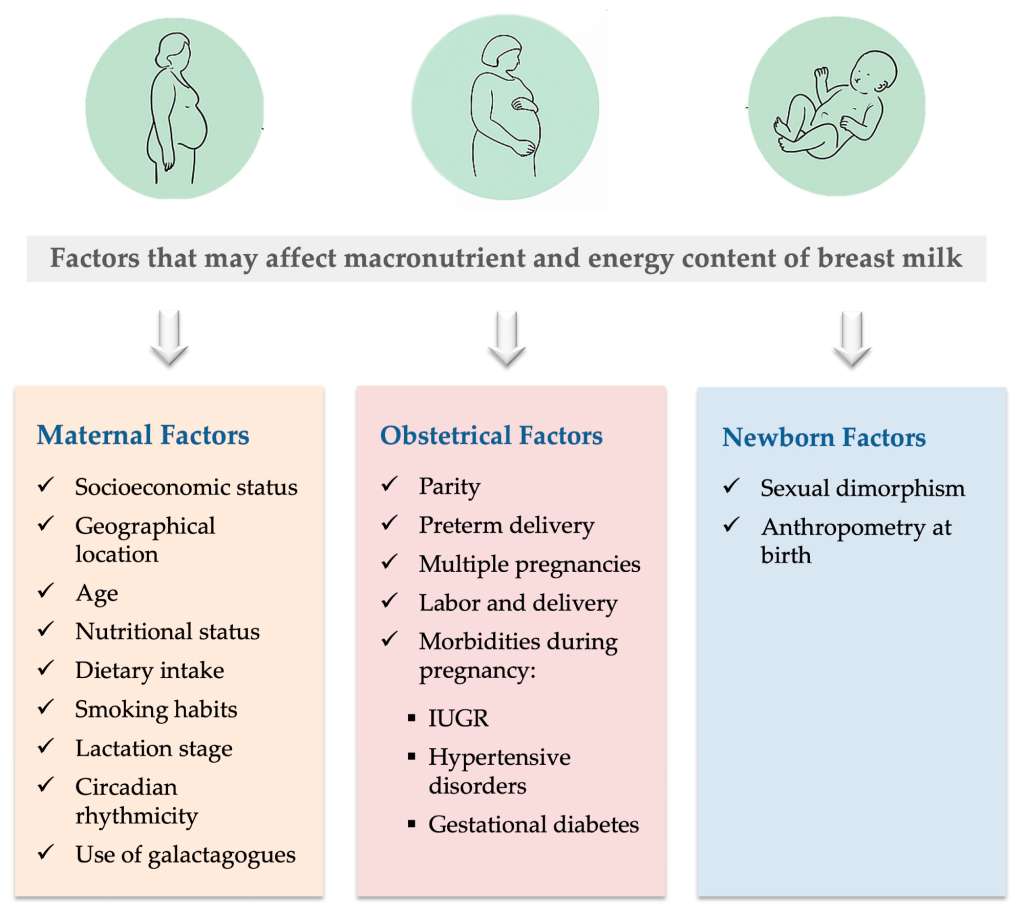
Breast milk is a vital source of nutrition for newborns. The maternal diet plays a significant role in shaping the quality of breast milk. What a mother eats can influence the nutrients in her milk. Understanding this connection helps mothers make informed dietary choices. This section explores the impact of vitamins, minerals, and hydration on breast milk nutrition.
Influence Of Vitamins And Minerals
Vitamins and minerals in a mother’s diet directly affect breast milk. Essential vitamins like A, D, and B12 are crucial. They support the baby’s growth and immune system. A balanced intake of minerals such as calcium and iron is vital. These elements help in bone development and prevent anemia in infants. Eating a variety of fruits, vegetables, and whole grains ensures adequate nutrient supply.
Effect Of Hydration
Hydration is key to maintaining milk production. Drinking enough water ensures the mother stays hydrated. This impacts the volume and consistency of breast milk. Dehydration can reduce milk supply. It is important for mothers to drink fluids regularly. Water, herbal teas, and milk are good choices. Staying hydrated also benefits overall health and energy levels.
Foods To Enhance Milk Quality
A mother’s diet can impact breast milk nutrition significantly. Consuming foods rich in omega-3 fatty acids, vitamins, and minerals helps enhance milk quality. Fresh fruits, vegetables, whole grains, and lean proteins are essential for nourishing both mother and baby.
Breastfeeding is a beautiful journey that supports both mother and child. The quality of breast milk can be influenced by a mother’s diet. Consuming certain foods can enhance the nutritional profile of breast milk. Here’s a look at foods that can boost milk quality.Nutrient-rich Foods
A well-balanced diet ensures the best milk quality. Include these nutrient-rich foods:- Leafy Greens:Spinach, kale, and broccoli are rich in vitamins A and C.
- Whole Grains:Oats and brown rice provide energy and are rich in fiber.
- Nuts and Seeds:Almonds and flaxseeds offer healthy fats and protein.
- Fatty Fish:Salmon and sardines are high in omega-3 fatty acids.
- Fruits and Berries:Blueberries and oranges are packed with antioxidants.
Foods To Avoid
Some foods might not be ideal during breastfeeding. Consider avoiding:- High-Mercury Fish:Swordfish and king mackerel can harm infant development.
- Excessive Caffeine:Large amounts of coffee and tea may disturb baby’s sleep.
- Alcohol:Alcohol can transfer to breast milk and affect the baby.
- Spicy Foods:Foods like hot peppers can change milk taste and upset baby.
- Highly Processed Foods:Limit sugary snacks and fast food for better nutrition.

Credit: oshwellness.com
Myths And Misconceptions
When it comes to breastfeeding, many new mothers find themselves swamped with advice and information, often leading to confusion and uncertainty. One of the most hotly debated topics is whether a mother’s diet significantly impacts the nutrition of her breast milk. With so many voices weighing in, it’s easy to stumble upon myths and misconceptions that can cloud your understanding. Let’s clear the air and examine what science really says about this topic.
Common Misbeliefs
One widespread myth is that mothers must maintain a perfect diet to produce nutritious breast milk. You might have heard that eating certain foods can drastically alter the quality of your milk. This belief can be daunting, making you worry about every meal choice. In reality, your body is incredibly efficient at producing milk that meets your baby’s needs, regardless of occasional dietary indulgences.
Another common misconception is that mothers need to drink milk to produce milk. While staying hydrated is crucial, your body doesn’t require milk from other animals to manufacture breast milk. Instead, focus on drinking water and eating a balanced diet to keep yourself healthy and energized.
Scientific Evidence
Research consistently shows that the nutritional quality of breast milk is resilient and only marginally influenced by dietary changes. Essential nutrients such as proteins, fats, and most vitamins are unaffected by a mother’s diet. Your body prioritizes your baby’s needs, even if your own nutrient intake is less than ideal.
However, certain nutrients like vitamin B12, iodine, and DHA can be impacted if they’re deficient in your diet. This is particularly relevant for vegetarians or vegans who may need to pay closer attention to these nutrients. But, a deficiency doesn’t mean your milk lacks these entirely—just that it might contain lower levels.
So, what should you take from this? While you don’t need a perfect diet, ensuring a variety of foods and adequate intake of specific nutrients can benefit both you and your baby. Have you ever found yourself worrying about every bite during breastfeeding? Remember, your body is designed to nurture your baby effectively. Focus on balanced eating and enjoy this special time without undue stress.
Cultural Dietary Practices
Exploring cultural dietary practices reveals that a mother’s diet can influence breast milk nutrition. Different cultures emphasize various foods, impacting the vitamins and minerals in breast milk. Understanding these practices helps support infant health worldwide.
Cultural dietary practices can influence the nutrition of breast milk. Different cultures have unique beliefs and approaches towards diet during breastfeeding. These practices are often shaped by traditions, modern science, and personal choices. Understanding these can provide insights into how diet impacts breast milk quality.Traditional Beliefs
Many cultures have age-old beliefs about foods that benefit breastfeeding. For example, some Asian cultures recommend consuming warm foods. They believe warmth helps in milk production and keeps mothers healthy. Spices like fenugreek are often used in Indian cuisine. These are thought to enhance milk supply and are included in daily meals. In African cultures, certain grains and vegetables are favored. These are believed to strengthen both mother and child. These traditional practices often stem from generations of observations and experiences.Modern Approaches
Today’s mothers often look to science for guidance. Nutritional experts emphasize balanced diets rich in vitamins and minerals. Fresh fruits, vegetables, whole grains, and proteins are commonly recommended. These foods ensure that both mother and child receive essential nutrients. Modern diets may also include supplements. Vitamins D and omega-3 fatty acids are popular choices. These help in maintaining overall health and milk quality. Many mothers also consult healthcare providers to tailor diets to individual needs. This approach combines tradition with scientific evidence for optimal results. Understanding cultural practices helps in appreciating diverse approaches to breastfeeding nutrition.
Credit: www.instagram.com
Expert Recommendations
Understanding how diet impacts breast milk nutrition is crucial for new mothers. Experts suggest that while breast milk composition is largely stable, certain dietary choices can enhance its quality. But what exactly should you eat to ensure your baby gets the best nutrients?
Balanced Diet Guidelines
Eating a balanced diet can play a vital role in maintaining the nutritional quality of your breast milk. Focus on incorporating a variety of foods that provide essential nutrients.
- Fruits and Vegetables:They are rich in vitamins and antioxidants. Aim for a colorful plate to get a range of nutrients.
- Proteins:Lean meats, beans, and nuts can boost your protein intake, which supports overall health.
- Healthy Fats:Avocados, nuts, and olive oil are good sources that help with the absorption of fat-soluble vitamins.
Hydration is equally important. Make sure you drink plenty of water, as it can aid in milk production.
Consulting Healthcare Professionals
It’s always wise to consult healthcare professionals when considering dietary changes. They can offer personalized advice based on your nutritional needs and health conditions.
Have you ever wondered if your diet might lack essential nutrients? A dietitian can help you identify gaps and suggest ways to fill them.
Why not ask your doctor during your next visit about the best foods for breastfeeding? They can also provide valuable insights into supplements if necessary.
Ultimately, it’s about making informed choices that benefit both you and your baby. Are you ready to explore the impact of diet on breast milk with guidance from experts?
Credit: www.news-medical.net
Frequently Asked Questions
How Does Diet Impact Breast Milk Quality?
A mother’s diet directly affects the nutrients in breast milk. Consuming a balanced diet ensures essential vitamins and minerals are present. Diet rich in fruits, vegetables, lean proteins, and healthy fats positively impacts milk quality, supporting infant growth and development.
Can Poor Diet Affect Breast Milk Supply?
Yes, inadequate nutrition can lead to reduced milk supply. A diet lacking in essential nutrients may result in lower milk production. Ensuring adequate calorie intake and hydration supports optimal milk supply for breastfeeding mothers.
Are Certain Foods Beneficial For Breast Milk?
Certain foods can enhance breast milk nutrition. Oats, leafy greens, nuts, and seeds are beneficial. These foods are rich in nutrients like iron, calcium, and omega-3 fatty acids, which contribute to healthier breast milk.
Does Hydration Influence Breast Milk Nutrition?
Hydration plays a crucial role in breast milk production. Adequate fluid intake ensures proper milk supply and helps in maintaining its quality. Breastfeeding mothers should drink water regularly to support milk production and hydration levels.
Conclusion
Diet plays a crucial role in breast milk nutrition. Eating balanced meals provides essential nutrients. These nutrients support both mother and baby. Fresh fruits and vegetables are beneficial. Whole grains and lean proteins also help. Avoid processed foods for better health.
Hydration is important for milk production. Drinking enough water boosts supply. Consult a healthcare provider for personalized advice. Every mother’s body is unique. What works for one may differ for another. Making informed choices benefits everyone involved. Remember, a healthy diet is key.
For both mother and baby.