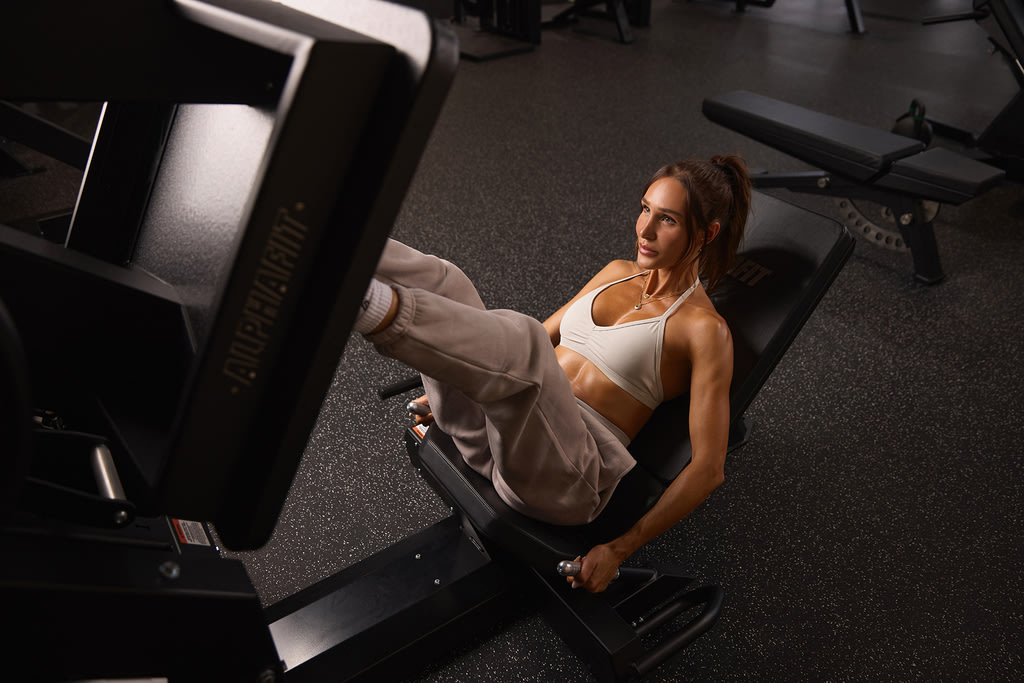
Ever walked into a gym and felt overwhelmed by all the workout equipment? You’re not alone.
Many people find themselves staring at rows of machines and weights, unsure of where to start or how to use them. But here’s the good news: mastering gym equipment is easier than you think, and it can transform your fitness journey.
Imagine confidently walking into the gym, knowing exactly how to use each piece of equipment to maximize your workout. Picture the progress you’ll make, the strength you’ll build, and the satisfaction of achieving your fitness goals. This article is your guide to unlocking the potential of gym equipment. You’ll learn simple, practical tips that will help you use each machine effectively and safely. Ready to take control of your gym experience and see real results? Let’s dive in and discover how you can make the most of every workout session.
Choosing The Right Equipment
Choosing the right equipment at the gym is crucial for effective workouts. With a wide array of machines and tools available, selecting the best one can be overwhelming. Understanding your fitness goals and the types of equipment can help you make informed choices.
Assessing Fitness Goals
Define what you want to achieve. Weight loss, muscle building, or endurance? Different goals need different equipment. Cardio machines like treadmills and ellipticals are great for burning calories. Strength training tools help in building muscles. Knowing your aim guides your equipment choice.
Understanding Equipment Types
Gyms offer a variety of equipment. Familiarize yourself with the types. Cardio machines include treadmills, bikes, and rowing machines. Free weights consist of dumbbells and barbells. Resistance machines focus on specific muscle groups. Understand how each type serves your goals.

Credit: www.speediance.com
Basic Gym Etiquette
Basic gym etiquette ensures a pleasant experience for everyone. It helps maintain a respectful and clean environment. Knowing the unwritten rules makes you a considerate gym-goer. It fosters a positive atmosphere where everyone feels comfortable.
Respecting Others
Always be mindful of personal space. Avoid crowding others during workouts. Wait patiently if someone is using equipment you need. Never interrupt others while they are focusing on their exercise. Be courteous and keep noise levels down. Loud conversations can distract those concentrating. Use headphones if you enjoy music while working out. This minimizes disturbance to others. Respect shared areas and equipment, ensuring equal access for all.
Cleaning Equipment After Use
Wipe down machines after you finish. Sweat can make surfaces slippery and unsanitary. Use available cleaning supplies provided by the gym. This prevents the spread of germs and keeps equipment in good condition. Return weights and accessories to their original place. Misplaced items create clutter and inconvenience for others. Keeping the gym tidy benefits everyone. It promotes a more organized and efficient workout space.
Cardio Machines
Mastering cardio machines involves simple steps. Start by adjusting the settings to match your fitness level. Familiarize yourself with the controls for a safe workout experience.
Cardio machines are a staple in any gym, offering an array of benefits from heart health to weight loss. These machines provide a straightforward way to get your heart pumping and burn calories. Whether you’re a beginner or a seasoned gym-goer, understanding how to use these machines effectively can enhance your workout experience.Treadmill Techniques
The treadmill is an excellent choice for those who enjoy walking or running indoors. Start by adjusting the incline to mimic outdoor terrain, which can challenge different muscle groups and boost calorie burn. Use the handrails for balance if needed, but avoid relying on them for support. Set a pace that feels comfortable yet pushes your limits. Consider interval training by alternating between high speed and recovery periods. Not only does this keep your workout interesting, but it also maximizes fat burning.Elliptical Basics
Ellipticals are perfect for low-impact cardio. Position your feet comfortably on the pedals and grasp the handles. The motion should be smooth and fluid, engaging both your upper and lower body. Focus on maintaining a steady pace, and experiment with resistance levels to vary the intensity. If you’re looking for a challenge, try reversing the motion. This targets different muscles, adding variety to your workout routine.Using Stationary Bikes
Stationary bikes offer a fantastic workout for your legs and cardiovascular system. Adjust the seat height so your legs have a slight bend at the bottom of the pedal stroke. This ensures comfort and reduces strain on your knees. Warm up with a leisurely pedal, then increase the resistance to simulate cycling uphill. Incorporate sprint intervals to elevate your heart rate and improve endurance. Remember, it’s not just about speed; consistency is key to seeing results. Which cardio machine do you prefer? Each machine has unique benefits, so it’s worth trying them all to find what works best for you.Strength Training Equipment
Strength training equipment plays a vital role in building muscle. It boosts endurance and improves overall fitness. Whether you’re new or experienced, understanding the equipment is key. Each tool offers unique benefits. They target different muscle groups and fitness goals. Let’s explore the essentials of strength training equipment.
Free Weights Vs. Machines
Free weights include dumbbells and barbells. They provide a full range of motion. This engages more muscles for balance and control. Machines guide your movements. They focus on specific muscles. Great for beginners learning correct form. Both have advantages. Free weights enhance stabilization. Machines reduce injury risk with controlled paths.
Proper Form And Posture
Maintaining correct form is crucial. It prevents injuries and maximizes results. Keep your back straight and core engaged. Avoid locking your joints. Use mirrors to check your posture. Start with lighter weights. Gradually increase as you master the form. Consistent practice leads to better posture and technique.
Adjusting Weights Safely
Safety is paramount in strength training. Adjust weights carefully. Ensure clips are secure on barbells. Test machines for proper alignment. Use spotters for heavy lifts. Gradually increase weight to avoid strain. Listen to your body. Stop if you feel pain or discomfort. Proper weight adjustment ensures effective and safe workouts.
Functional Training Tools
Functional training tools are essential for a balanced workout routine. They enhance your strength, flexibility, and coordination. These tools focus on movements that mimic daily activities. They boost your body’s ability to perform tasks efficiently. At the gym, you can find a variety of functional training equipment. Each tool offers unique benefits. Explore how to effectively use kettlebells, resistance bands, and medicine balls for your workout.
Using Kettlebells
Kettlebells come in different weights and shapes. They are versatile tools for building strength and endurance. Start with a weight suitable for your fitness level. Perform exercises like swings, goblet squats, and lunges. These moves engage multiple muscle groups. They improve your core stability and grip strength. Ensure proper form to avoid injury. Keep your back straight during swings. Control the kettlebell throughout each movement. Gradually increase weight as you progress.
Resistance Bands Basics
Resistance bands are lightweight and portable. They offer various levels of resistance. This makes them perfect for strength training. Wrap the band around your feet or hands. Perform exercises like bicep curls, shoulder presses, and leg lifts. These bands are excellent for stretching and flexibility. They help improve muscle tone and endurance. Adjust the tension for different exercises. This variation targets different muscle groups. Use steady movements to maintain control.
Medicine Balls Workouts
Medicine balls are great for explosive exercises. They enhance power and coordination. Choose a ball that matches your strength level. Use it for activities like wall throws, slams, and twists. These workouts boost your cardiovascular fitness. They also strengthen your core and upper body. Ensure your form is correct during exercises. Balance and control are key. Keep movements smooth and deliberate. Medicine ball workouts are dynamic and engaging.

Credit: orbitfitness.com.au
Safety Tips For Beginners
Explore gym workout equipment with confidence. Begin by understanding each machine’s purpose and instructions. Adjust settings to match your fitness level.
Embarking on a fitness journey at the gym can be both exciting and a bit daunting, especially for beginners. Understanding how to safely use workout equipment is crucial to avoid injuries and make the most out of your workouts. Whether you’re just starting out or looking to refine your gym routine, following some key safety tips can ensure a productive and injury-free experience.Warming Up And Cooling Down
Starting your workout without a proper warm-up is like jumping into a cold pool without testing the water. A good warm-up prepares your muscles and increases your heart rate gradually. Spend at least five to ten minutes doing light cardio exercises such as jogging on the treadmill or cycling. Cooling down is equally essential. It helps your body transition back to rest and reduces muscle soreness. Try incorporating stretching exercises to improve flexibility and prevent stiffness.Listening To Your Body
Your body often gives signals when something isn’t right. Pay attention to any discomfort or pain during exercises. If an exercise feels wrong or causes sharp pain, stop immediately. It’s easy to get caught up in the excitement of trying new equipment. Remember, it’s okay to start slow and gradually increase intensity. Pushing yourself too hard can lead to injuries, so trust your instincts and know your limits. Have you ever felt the pressure to keep up with others in the gym? It’s crucial to focus on your own progress rather than comparing yourself to others. Each fitness journey is unique, and respecting your body’s pace will lead to better results in the long run.Creating A Balanced Workout Routine
Explore gym equipment for a balanced workout. Mix cardio machines with strength training tools. Adjust settings to fit your fitness level, ensuring safe and effective sessions.
Creating a balanced workout routine is essential for success at the gym. It ensures all muscle groups get the attention they need. This balance helps prevent injury and boosts overall fitness. A well-rounded routine also keeps workouts exciting and motivating.Incorporating Variety
Include different types of exercises in your routine. Mix strength training with cardio and flexibility workouts. Use machines, free weights, and bodyweight exercises. This variety prevents boredom and challenges your muscles in new ways. Different exercises also work different muscle fibers. This improves your strength and endurance.Setting Realistic Goals
Set goals that match your fitness level and lifestyle. Start with small, achievable targets. This builds confidence and keeps motivation high. Track your progress regularly to see improvements. Adjust your goals as needed to keep moving forward. Celebrate small victories to stay inspired.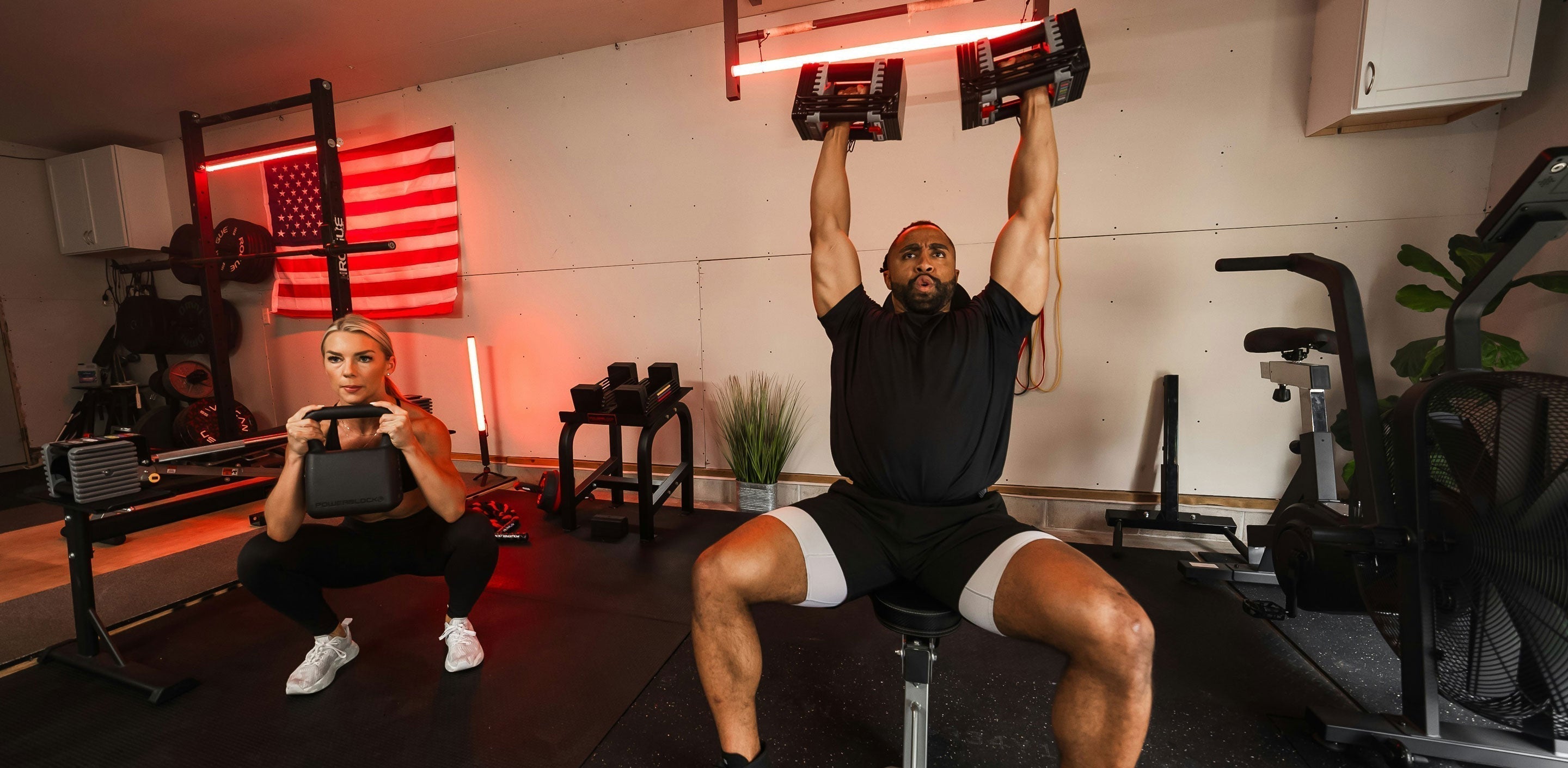
Credit: powerblock.com
Frequently Asked Questions
How Do I Start Using Gym Equipment?
Begin with a gym tour to familiarize yourself with the equipment. Start with basic machines like treadmills and bikes. Always read the instructions on each machine and adjust the settings to your body. Consider asking a trainer for a demonstration to ensure proper form and prevent injuries.
What Gym Equipment Is Best For Beginners?
For beginners, start with machines like the treadmill, stationary bike, and rowing machine. These are user-friendly and help build cardiovascular fitness. Strength machines with guided movements, like leg press and chest press, are also great. They ensure correct form and reduce the risk of injury.
How Can I Use Weights Safely At The Gym?
Always start with lighter weights to master the form. Gradually increase the weight as you gain strength. Use a mirror to maintain proper posture and alignment. Consider having a spotter when lifting heavy weights to ensure safety. Remember to breathe and avoid locking your joints.
Can I Use Gym Equipment Without A Trainer?
Yes, you can use gym equipment without a trainer by following machine instructions. Start with simple equipment and gradually progress. Watch online tutorials or read guides for specific equipment. However, consulting a trainer initially can help you learn the correct form and prevent injuries.
Conclusion
Using workout equipment can seem hard at first. With practice, it gets easier. Start with simple machines. Ask for help if needed. Focus on your form. Always warm up before using equipment. Cool down after your workout. Check your progress regularly.
Adjust your routine for better results. Safety should be your top priority. Respect gym rules and other users. Stay consistent for lasting benefits. Enjoy your time at the gym. Fitness journey is unique for everyone. Keep learning and improving. Stay motivated and have fun.
Your health is worth the effort.