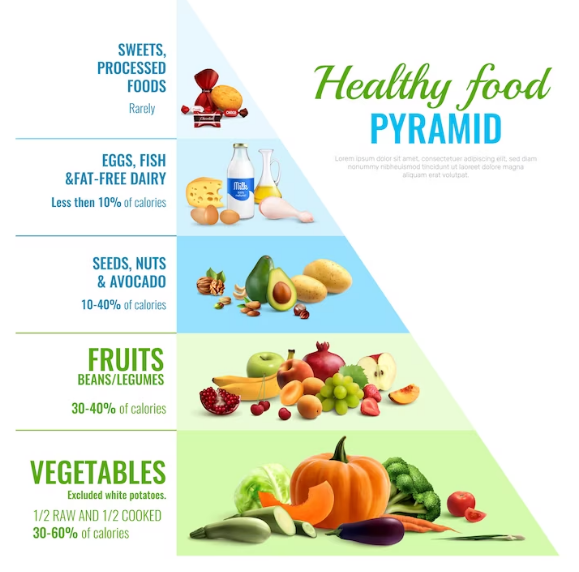
Are you confused about what good nutrition really means? Do you find yourself wondering if your diet is actually healthy?
You’re not alone. Many people struggle to understand the basics of nutrition and how to maintain a balanced diet. But don’t worry, you’re about to discover the secrets to a healthier lifestyle. Imagine feeling more energetic, improving your mood, and even preventing certain health issues just by making a few changes to your eating habits.
It all starts with understanding the core elements of good nutrition and how they fit into your daily meals. By the end of this article, you’ll know exactly what steps to take to fuel your body the right way. Keep reading, because your health is worth it!
Basics Of Good Nutrition
Understanding the basics of good nutrition is crucial for anyone aiming to maintain a healthy lifestyle. Good nutrition is not just about eating; it’s about choosing the right foods that provide your body with essential nutrients. It’s about balance, quality, and making informed choices that support your overall well-being.
Macronutrients And Micronutrients
Macronutrients are the nutrients that your body needs in larger amounts. They include carbohydrates, proteins, and fats. Each plays a vital role in maintaining your energy levels and supporting bodily functions.
- Carbohydrates:These are your body’s main source of energy. Whole grains, fruits, and vegetables are excellent sources.
- Proteins:Proteins help repair body tissues and build muscles. Include lean meats, beans, and nuts in your diet.
- Fats:Not all fats are bad. Healthy fats like those found in avocados and olive oil are important for brain health.
Micronutrients, though needed in smaller quantities, are equally important. They include vitamins and minerals that support various bodily functions, from bone health to immune support.
Consider your last meal. Did it include a variety of these nutrients? If not, it’s time to rethink your plate.
Importance Of Balanced Diet
A balanced diet means consuming the right proportions of macronutrients and micronutrients. It’s about variety and moderation. Eating a wide range of foods ensures you get a spectrum of nutrients needed for optimal health.
Think about your favorite meals. Are they diverse, or do you tend to stick to the same foods? Challenge yourself to try new ingredients and recipes.
Imagine feeling more energetic and vibrant. A balanced diet can make this a reality. By choosing a mix of colorful fruits and vegetables, lean proteins, and whole grains, you give your body the best tools to thrive.
What changes can you make today to embrace better nutrition? Start small, and remember that every meal is an opportunity to fuel your body in the best way possible.
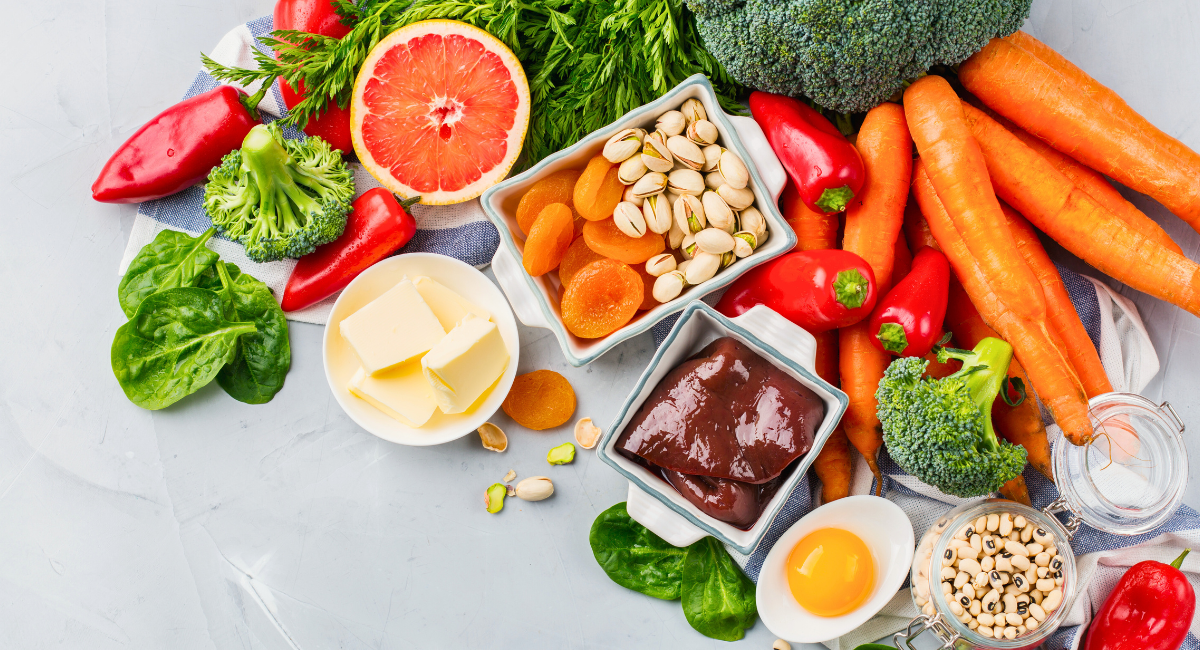
Credit: monadnockcommunityhospital.com
Components Of A Healthy Diet
A healthy diet consists of various essential components. These provide the body with the nutrients it needs. A balanced diet promotes good health and boosts energy levels. Understanding these components can help make informed food choices.
Fruits And Vegetables
Fruits and vegetables are rich in vitamins and minerals. They provide antioxidants that protect the body from diseases. Eating a variety of colors ensures a range of nutrients. They are also high in fiber, aiding digestion and promoting fullness.
Whole Grains
Whole grains are a vital part of a healthy diet. They include foods like oats, brown rice, and whole wheat bread. These grains are rich in fiber and essential nutrients. They help maintain a healthy weight and reduce the risk of heart disease.
Lean Proteins
Lean proteins are crucial for muscle growth and repair. They include chicken, fish, beans, and tofu. These proteins are low in fat, providing essential amino acids. They support metabolism and help maintain muscle mass.
Healthy Fats
Healthy fats are important for brain and heart health. They include sources like avocados, nuts, and olive oil. These fats help absorb vitamins and provide energy. They also play a role in reducing inflammation in the body.
Benefits Of Good Nutrition
Good nutrition and a healthy diet boost energy levels and enhance mental clarity. They support weight management and improve overall health. Eating balanced meals strengthens the immune system, reducing the risk of chronic diseases.
Good nutrition lays the foundation for a healthy life. It impacts your body and mind positively. Eating a balanced diet boosts your health. Let’s explore how good nutrition benefits you.Physical Health
Good nutrition strengthens your body. It provides essential nutrients. These nutrients support growth and repair. They keep your energy levels high. You feel more active and energetic. Strong muscles and bones are another benefit. A balanced diet helps maintain a healthy weight. It reduces the risk of obesity-related issues. Overall, your physical health thrives.Mental Well-being
A healthy diet nourishes your brain. It improves mood and cognitive function. You think more clearly and feel happier. Foods rich in omega-3 fatty acids are good for your mind. Vitamins and minerals boost brain health too. Proper nutrition reduces stress and anxiety. It promotes emotional balance. You experience better mental clarity and focus.Disease Prevention
Eating well protects you from diseases. A balanced diet reduces the risk of chronic illnesses. Heart disease, diabetes, and certain cancers are less likely. Antioxidants in fruits and vegetables fight free radicals. They prevent cell damage and strengthen immunity. Whole grains and lean proteins support a healthy heart. Good nutrition is a shield against many health problems.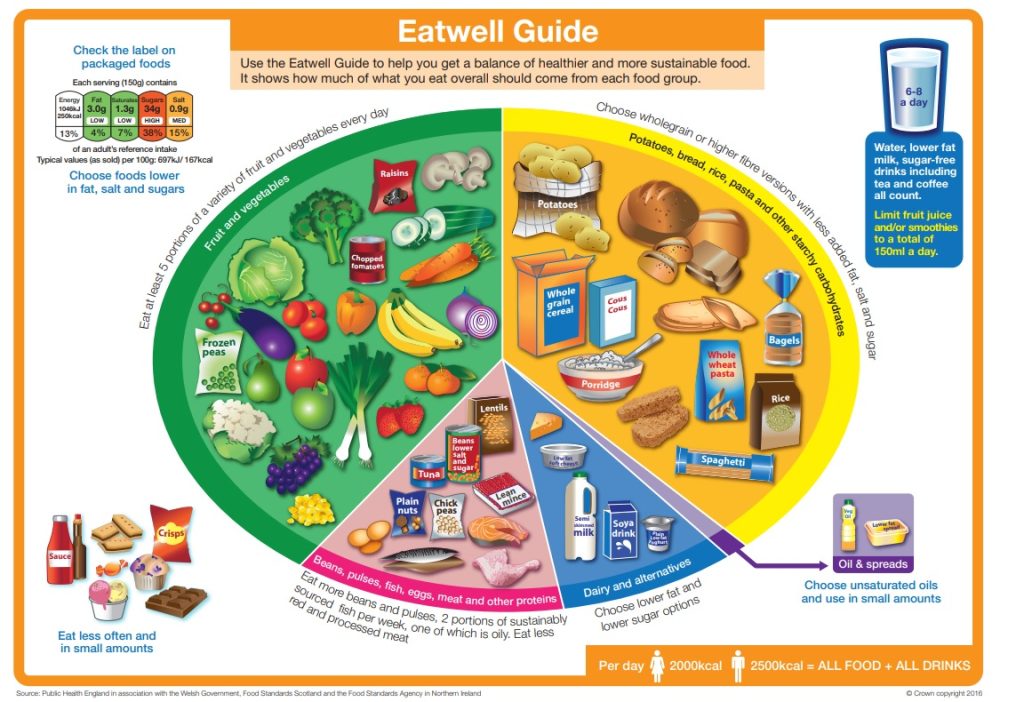
Credit: www.gatesheadhealth.nhs.uk
Common Nutritional Myths
Understanding nutrition involves debunking common myths. Many misconceptions about food can confuse those seeking a healthy diet. Recognizing these myths helps make informed dietary choices.
Carbs And Weight Gain
Carbohydrates often get blamed for weight gain. Many people believe eating carbs leads to extra pounds. Carbs are a necessary part of a balanced diet. They provide energy for daily activities. Whole grains, fruits, and vegetables are healthy sources of carbs. The key is choosing the right types and amounts.
Fat-free Products
Fat-free products seem like a healthier choice. Many assume cutting fat leads to better health. These products often contain added sugars or chemicals for taste. This can lead to weight gain and other health issues. Healthy fats are essential for brain function and cell growth. Opt for natural sources like nuts, seeds, and avocados.
Detox Diets
Detox diets promise to cleanse the body quickly. Many believe they remove toxins and boost health. The body naturally detoxifies through the liver and kidneys. Extreme diets can harm more than help. Balanced meals with fruits, vegetables, and water support natural detoxification. Focus on long-term healthy eating habits.
Tips For Maintaining A Healthy Diet
Good nutrition involves eating a balanced diet rich in fruits, vegetables, proteins, and whole grains. A healthy diet helps maintain energy, supports immune function, and promotes overall well-being.
Eating well is vital for a healthy life. Following a nutritious diet is key. It can improve mood and boost energy. Here are some tips to maintain a healthy diet.Meal Planning
Organizing meals ahead helps avoid impulsive eating. Create a weekly menu. Include various food groups. Focus on fruits, vegetables, proteins, and grains. This ensures balanced nutrition. Shopping with a list saves time and money. It reduces the temptation to buy unhealthy snacks.Portion Control
Eating correct portions prevents overeating. Use smaller plates to reduce serving sizes. Listen to your body’s hunger signals. Stop eating when you feel full. Avoid large meals late at night. This aids digestion and promotes better sleep.Mindful Eating
Pay attention to what you eat. Savor each bite slowly. This enhances the eating experience. Avoid distractions like TV or phones during meals. Focus on flavors, textures, and aromas. Mindful eating helps recognize hunger and satisfaction cues. It encourages a healthier relationship with food.Challenges In Achieving Good Nutrition
Achieving good nutrition and maintaining a healthy diet can be more challenging than it seems. While we often understand what makes up a nutritious meal, incorporating these elements into our daily lives can be a struggle. Let’s delve into some common hurdles you might face on this journey.
Busy Lifestyle
In today’s fast-paced world, finding time to plan, shop for, and prepare healthy meals can feel impossible. When you’re juggling work, family, and personal commitments, grabbing a quick, less nutritious meal might seem like the only viable option. How can you carve out moments for meal prep amidst a packed schedule?
Consider setting aside a couple of hours on the weekend to prepare meals for the week ahead. This practice can save time and reduce stress during busy weekdays. Additionally, exploring quick and nutritious recipes can make healthy eating more feasible.
Accessibility Of Healthy Foods
Not everyone has easy access to fresh fruits, vegetables, and other healthy ingredients. Living in a food desert, where grocery stores are scarce or far away, can severely limit your choices. Even if stores are nearby, they may not stock a diverse range of healthy options.
Getting creative with what’s available is key. Joining a local community garden or participating in food co-ops can expand your access to fresh produce. Also, consider growing your own herbs and vegetables, even if it’s just a small pot on your balcony.
Budget Constraints
Healthy eating is often perceived as expensive, and budget constraints can make it seem out of reach. But do you really have to break the bank to eat well? Not necessarily.
Buying in bulk, choosing seasonal produce, and planning meals can significantly cut costs. Emphasize whole grains, legumes, and frozen fruits and vegetables, which can be both nutritious and economical. With a little planning, you can nourish your body without overspending.
What challenges do you face in your quest for good nutrition? Reflect on your unique obstacles and consider creative solutions to turn them into opportunities for healthier choices.
Role Of Hydration In Nutrition
Hydration is a cornerstone of good nutrition and a healthy diet. It’s not just about drinking water when you’re thirsty; it’s about maintaining a balance that supports your body’s functions. But what exactly is the role of hydration in nutrition? Let’s dive into how water impacts your overall health and why it’s crucial for your wellbeing.
Importance Of Water
Water is more than just a thirst-quencher. It acts as a transporter, moving nutrients and oxygen to cells while taking waste products away. Without adequate water, your body struggles to perform these essential tasks.
Have you ever noticed how much better you feel after drinking a glass of water? That’s because every system in your body depends on water. From regulating temperature to aiding digestion, water is essential for keeping your body running smoothly.
Consider this: your body is made up of about 60% water. This means staying hydrated is not just a health tip; it’s a necessity. Are you drinking enough water each day?
Effects Of Dehydration
Dehydration can sneak up on you. Even mild dehydration can lead to fatigue, dizziness, and confusion. It can affect your mood and concentration, making everyday tasks more challenging.
Ever felt sluggish or had a headache after skipping a few glasses of water? That’s your body signaling that it needs more hydration. Long-term dehydration can lead to more serious health issues, including kidney stones and urinary tract infections.
So, how can you ensure you’re properly hydrated? Start by listening to your body. Thirst is a clear indicator, but don’t wait until you’re thirsty. Keeping a water bottle handy can remind you to sip throughout the day.
Being proactive about hydration can transform your health. It’s a small change with a big impact. Are you ready to make water a priority in your nutrition plan?
Personalizing Your Diet
Understanding good nutrition and a healthy diet involves tailoring meals to individual needs. Consider your lifestyle, preferences, and health goals. This approach ensures balanced intake, supporting overall well-being.
Personalizing your diet can lead to a healthier lifestyle. Everyone’s nutritional needs are unique. Tailoring your diet helps meet those specific needs. This can improve your overall well-being. It may also prevent health issues.Considering Allergies And Intolerances
Allergies and intolerances can impact your diet. Identifying them is crucial for health. Common food allergies include nuts and dairy. Some people are intolerant to gluten. Avoiding these foods can prevent discomfort. Read labels carefully. Consult a doctor for advice. They can help identify problematic foods.Adjusting For Physical Activity Levels
Physical activity affects nutritional needs. Active individuals need more calories. Protein is vital for muscle repair. Carbohydrates provide energy. Balance your diet to match activity levels. Sedentary people need fewer calories. Choose nutrient-rich foods over empty calories. Tailor meals to support your lifestyle. This keeps energy levels stable.
Credit: medium.com
Frequently Asked Questions
What Is Good Nutrition?
Good nutrition means consuming a balanced diet with essential nutrients. It includes proteins, carbohydrates, fats, vitamins, and minerals. These nutrients support growth, energy, and overall health. Eating a variety of foods ensures you get all necessary nutrients. Good nutrition helps maintain a healthy weight and reduces disease risk.
How To Start A Healthy Diet?
Start a healthy diet by incorporating more fruits and vegetables. Limit processed foods and sugary drinks. Choose whole grains over refined ones. Include lean proteins like fish, poultry, and beans. Drink plenty of water. Gradually reduce salt and unhealthy fats.
Aim for balanced meals with moderate portions.
Why Is Hydration Important In A Diet?
Hydration is crucial for maintaining bodily functions. Water aids digestion, nutrient absorption, and temperature regulation. It helps transport nutrients and oxygen throughout the body. Staying hydrated improves energy levels and mental clarity. Water also helps with weight management by reducing appetite and increasing metabolism.
Can A Healthy Diet Prevent Diseases?
Yes, a healthy diet can prevent diseases. It reduces the risk of chronic conditions like heart disease, diabetes, and obesity. Consuming antioxidants from fruits and vegetables supports immune health. A balanced diet helps maintain blood pressure and cholesterol levels. Regularly eating healthy can improve longevity and quality of life.
Conclusion
Good nutrition and a healthy diet keep you strong and happy. They help prevent many diseases and improve overall well-being. Eating a balanced mix of fruits, vegetables, proteins, and grains is key. Listen to your body’s needs and make smart food choices daily.
Small changes in your diet can make a big difference. Stay hydrated and enjoy meals mindfully. Remember, healthy eating is a lifelong journey. You don’t have to be perfect, just consistent. Choose health, feel better, and live well. Make each meal a step towards a healthier you.