Are you curious about how to maximize nutrition on a vegetarian diet? You’re not alone.
Many people worry about getting all the essential nutrients without meat. The good news is, it’s entirely possible to thrive as a vegetarian with the right knowledge and choices. Imagine feeling energized and vibrant every day, all while sticking to a plant-based lifestyle.
That’s what you’ll discover here. We’ll guide you through simple steps to ensure you’re getting the best out of your vegetarian diet. Whether you’re new to this lifestyle or a seasoned veggie lover, understanding key nutritional elements is crucial. Get ready to unlock the secrets to a balanced and nourishing vegetarian diet that will keep you feeling your best. Keep reading to transform your meals into powerhouses of health and vitality.

Credit: www.yahoo.com
Benefits Of A Vegetarian Diet
Eating a vegetarian diet can provide essential nutrients and improve overall health. Focus on diverse vegetables, fruits, whole grains, and legumes. These foods offer vitamins, minerals, and protein needed for a balanced diet.
Switching to a vegetarian diet can be a significant lifestyle change with numerous benefits for your health and well-being. Many people find that cutting out meat helps them feel more energetic and focused. But what exactly are the benefits of a vegetarian diet, and how can it impact your life?Improved Heart Health
A vegetarian diet is often rich in fruits, vegetables, whole grains, nuts, and seeds, all of which are excellent for heart health. These foods are typically low in saturated fats and cholesterol, which can help lower your risk of heart disease. Including plenty of fiber-rich foods can also maintain healthy blood pressure and cholesterol levels.Weight Management
Many people turn to a vegetarian diet to help with weight management. A plant-based diet is often lower in calories, making it easier to maintain a healthy weight without feeling deprived. Have you ever noticed how filling a big salad can be compared to a heavy meal? This is because vegetarian foods are often high in fiber, keeping you full longer.Reduced Risk Of Chronic Diseases
Eating a variety of plant-based foods can significantly reduce your risk of chronic diseases such as diabetes and certain cancers. Whole foods packed with antioxidants and phytochemicals can protect your body from harmful diseases. Have you considered how powerful these natural foods can be in promoting long-term health?Environmental Impact
Choosing a vegetarian diet can also have positive effects on the environment. Plant-based diets generally require fewer resources such as water and land, and they produce fewer greenhouse gases compared to diets high in meat. By opting for vegetarian meals, you contribute to a more sustainable planet.Enhanced Digestive Health
A diet rich in fruits, vegetables, and whole grains supports better digestion. These foods are naturally high in fiber, which aids in regular bowel movements and prevents constipation. Have you ever felt the lightness after a fiber-packed meal?Ethical Considerations
For many, adopting a vegetarian diet aligns with ethical beliefs about animal welfare. Reducing or eliminating meat consumption can decrease the demand for factory farming, which is often associated with poor animal welfare. If you care about animal rights, this can be a compelling reason to consider vegetarianism. Embracing a vegetarian diet can be a rewarding choice, providing numerous health benefits while also supporting a more ethical and sustainable lifestyle. Have you thought about the impact of your diet on your health and the world around you?
Credit: www.simplysupplements.co.uk
Essential Nutrients For Vegetarians
Vegetarians can meet their nutritional needs by including a variety of foods. Beans, lentils, and tofu offer protein. Leafy greens and fortified cereals provide essential iron. Dairy or fortified plant milk ensures adequate calcium intake.
Switching to a vegetarian diet can be a rewarding journey toward better health and environmental consciousness. However, ensuring that you get all the essential nutrients is crucial. Without careful planning, you might miss out on key vitamins and minerals. Let’s explore how you can maintain a balanced vegetarian diet by focusing on essential nutrients.Protein Sources
Many people worry about not getting enough protein on a vegetarian diet. But there are plenty of plant-based options to keep your protein intake up. Include a variety of foods like lentils, chickpeas, and beans. These legumes are not only high in protein but also rich in fiber. Nuts and seeds are excellent additions as well. Almonds, chia seeds, and hemp seeds can be sprinkled on salads or blended into smoothies. Don’t forget about tofu and tempeh. These soy-based products are versatile and can easily absorb flavors, making them perfect for stir-fries and curries.Iron And Calcium
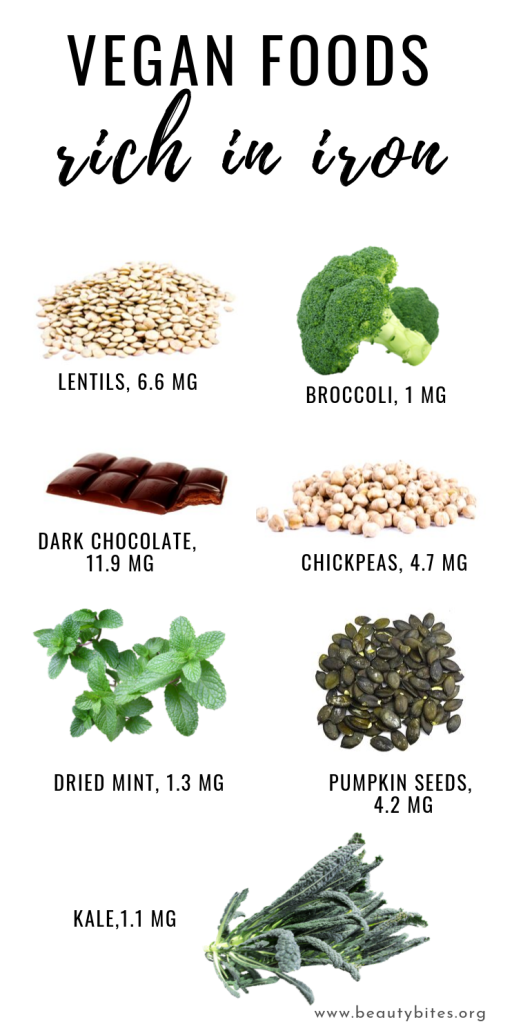
Iron is vital for energy levels, and vegetarians need to consume it in adequate amounts. Leafy greens like spinach and kale are good sources. Pair them with vitamin C-rich foods like oranges or bell peppers to enhance iron absorption. Calcium is essential for bone health. While dairy products are a well-known source, you can also find calcium in fortified plant-based milk, almonds, and broccoli. Have you ever tried tahini? This sesame seed paste is not only delicious but also a surprising source of calcium.Vitamin B12
Vitamin B12 is one of the trickier nutrients to obtain on a vegetarian diet since it’s primarily found in animal products. Fortified foods are your best bet. Look for fortified cereals and plant-based milks. Considering a B12 supplement might be wise if your diet lacks fortified foods. Regularly check your vitamin B12 levels with your healthcare provider to ensure you’re getting enough.Omega-3 Fatty Acids
Omega-3 fatty acids support heart and brain health. While fish is a common source, vegetarians can turn to flaxseeds, chia seeds, and walnuts. Do you enjoy smoothies? Add a tablespoon of ground flaxseed to boost your omega-3 intake. Algal oil is another option, derived from algae, providing a direct source of DHA, an important type of omega-3. By understanding and addressing these nutrient needs, you can thrive on a vegetarian diet. Are you already incorporating these foods into your meals? If not, what’s stopping you from making a small change today?Creating A Balanced Meal Plan
Getting the best nutrition from a vegetarian diet involves mixing various food groups. Include grains, vegetables, fruits, legumes, and nuts. Ensure protein sources like beans and tofu are present for balanced meals.
Creating a balanced meal plan is key for a nutritious vegetarian diet. It ensures you get essential nutrients while enjoying a variety of flavors. Planning meals in advance helps maintain consistency and avoids nutritional gaps. You can focus on diverse ingredients, making your meals both exciting and healthy.Variety And Balance
A vegetarian diet should include a wide range of foods. Each meal can have different colors, textures, and flavors. Aim for a mix of fruits, vegetables, grains, and proteins. This variety provides essential vitamins and minerals. Include leafy greens, whole grains, and legumes regularly. Nuts and seeds offer healthy fats and proteins. Balance is crucial to ensure you receive all nutrients. Pair foods to complement each other’s nutritional profile. For example, eat beans with rice for complete protein. This balance supports overall health and well-being.Meal Prep Tips
Preparing meals ahead saves time and ensures balanced nutrition. Start by planning your meals for the week. Make a shopping list with all necessary ingredients. Cook large batches of grains and legumes. Store them in containers for easy access. Prepare fresh vegetables and fruits for snacks. Use airtight containers to keep them fresh. You can create ready-to-eat salads with various toppings. Experiment with different dressings and spices. This makes meal prep fun and keeps meals varied.
Credit: www.youtube.com
Plant-based Proteins
In a vegetarian diet, ensuring you get enough protein can be a concern. However, plant-based proteins offer a variety of delicious and nutritious options. Whether you’re a seasoned vegetarian or just starting out, understanding the power of plant-based proteins can help you craft meals that are both satisfying and nourishing. Let’s dive into some of the best sources of plant-based proteins and how they can fit into your everyday diet.
Legumes And Beans
Legumes and beans are a powerhouse of protein. They are versatile and can be used in numerous dishes from soups to salads. Lentils, chickpeas, and black beans are popular choices that provide not only protein but also essential vitamins and minerals.
Consider adding lentils to your favorite vegetable stew or creating a hearty chickpea salad. Ever tried making black bean tacos? They are delicious and pack a protein punch. What’s your favorite bean dish?
Tofu And Tempeh
Tofu and tempeh are staples in many vegetarian diets, offering a substantial amount of protein. Tofu, made from soybeans, is incredibly versatile and can absorb flavors easily. Tempeh, with its nutty flavor, is perfect for grilling or adding to stir-fries.
Have you experimented with marinated tofu? It’s a game-changer. Grilled tempeh can add a delightful texture to your salads or sandwiches. These soy products are not only rich in protein but also in calcium and iron.
Nuts And Seeds
Nuts and seeds are fantastic for snacking or adding crunch to your meals. Almonds, walnuts, chia seeds, and flaxseeds not only provide protein but also healthy fats and fiber.
Sprinkle chia seeds on your morning yogurt or add a handful of walnuts to your salad for an extra protein boost. Making your own nut butter can be a fun way to enjoy almonds or peanuts while knowing exactly what’s in it. Do you prefer nuts in savory or sweet dishes?
Incorporating Whole Grains
Whole grains like quinoa and brown rice boost nutrition in vegetarian diets. They offer fiber, vitamins, and minerals essential for health. Including them in meals ensures balanced nourishment and energy throughout the day.
Incorporating whole grains in a vegetarian diet boosts nutrition. Whole grains provide fiber, vitamins, and minerals. They help maintain energy levels throughout the day. Whole grains also support heart health and digestion. Including them in meals can be simple and delicious. Here are some nutritious options.Quinoa And Brown Rice
Quinoa and brown rice are excellent choices. Quinoa is rich in protein and contains all nine essential amino acids. It is gluten-free and easy to prepare. Brown rice is high in fiber and B vitamins. It supports digestion and helps maintain blood sugar levels. Try swapping white rice with brown rice in dishes. Add cooked quinoa to salads for a protein boost.Oats And Barley
Oats are versatile and nutritious. They contain soluble fiber, which aids heart health. Oats can be eaten as oatmeal or added to smoothies. Barley is another excellent grain. It is rich in fiber, selenium, and magnesium. Barley can be used in soups, stews, or salads. These grains keep you full and satisfied.Maximizing Nutrient Absorption
Eating a variety of colorful vegetables and fruits boosts nutrient intake in a vegetarian diet. Pairing foods wisely, like vitamin C-rich items with iron sources, enhances absorption.
Maximizing nutrient absorption is key to reaping the full benefits of a vegetarian diet. While choosing the right foods is crucial, how you prepare and pair them can significantly impact nutrient intake. This section will explore effective cooking techniques and smart food combinations to enhance nutrient absorption in your vegetarian meals.Cooking Techniques
Cooking can change the nutritional value of your food. Steaming and sautéing vegetables can help retain their vital nutrients. Boiling, on the other hand, may cause vitamins like vitamin C to leach into the water. Consider using minimal water when cooking to preserve nutrients. Roasting is another great technique that brings out the natural flavors without losing too many nutrients. Have you tried microwaving vegetables? It’s surprisingly effective at preserving antioxidants.Pairing Foods
Pairing certain foods can enhance your body’s ability to absorb nutrients. Combining vitamin C-rich foods with iron-rich plant foods can boost iron absorption. Think about adding lemon juice to your spinach salad or pairing bell peppers with chickpeas. Calcium absorption can be increased by pairing it with vitamin D-rich foods. Enjoying a glass of fortified plant milk with your meal can be a simple way to achieve this. Are you aware that pairing turmeric with black pepper enhances curcumin absorption? Don’t overlook healthy fats. They assist in absorbing fat-soluble vitamins like A, D, E, and K. Drizzle some olive oil on your salad or add avocado to your dishes to make the most of these nutrients.Common Challenges And Solutions
Transitioning to a vegetarian diet offers numerous health benefits. Yet, it comes with challenges that many face. Understanding these challenges helps in overcoming them effectively. Let’s explore some common hurdles and their solutions.
Dealing With Cravings
Cravings for meat and dairy can be tough for new vegetarians. These cravings often stem from habit rather than need. Here are some tips to manage cravings:
- Find plant-based alternatives that mimic the taste and texture of meat.
- Keep your meals diverse and flavorful to prevent boredom.
- Experiment with spices and herbs to enhance flavors.
Over time, your taste buds will adjust to the new diet.
Ensuring Nutrient Sufficiency
Nutrient deficiency is a concern in vegetarian diets. Key nutrients include protein, iron, and vitamin B12. Here’s how to ensure sufficiency:
- Consume a variety of beans, lentils, and tofu for protein.
- Include leafy greens, nuts, and seeds for iron intake.
- Consider fortified foods or supplements for vitamin B12.
Planning meals in advance can help meet nutritional needs effectively.
Expert Tips For Vegetarian Nutrition
Embracing a vegetarian lifestyle offers numerous health benefits, from improved heart health to enhanced digestion. Yet, maintaining balanced nutrition is key to reaping these rewards. Expert tips can guide you in ensuring your vegetarian diet covers all essential nutrients, helping you thrive. These tips can aid in crafting a diet that supports your unique health needs.
Consulting A Nutritionist
A nutritionist can be your best ally in achieving optimal vegetarian nutrition. They provide personalized advice tailored to your dietary preferences and health goals. During consultations, nutritionists assess your current diet, pinpointing any nutritional gaps. They help you incorporate diverse food sources to meet your nutritional needs. With their expertise, you gain insights into which vitamins and minerals your body might lack. This guidance can be invaluable, ensuring your vegetarian diet is balanced and fulfilling.
Regular Health Check-ups
Frequent health check-ups play a crucial role in monitoring your nutritional status. These check-ups help detect any deficiencies early, allowing prompt intervention. Blood tests can reveal levels of important nutrients like iron, B12, and calcium. Regular visits to healthcare providers ensure you stay informed about your body’s needs. This proactive approach helps you adjust your diet to address any emerging health concerns. Staying updated with your health status empowers you to maintain a nourishing vegetarian lifestyle.
Frequently Asked Questions
What Are Essential Nutrients For Vegetarians?
Vegetarians need protein, iron, calcium, vitamin B12, and omega-3s. These nutrients are crucial for maintaining energy and overall health. Plant-based sources like legumes, nuts, seeds, and leafy greens can help meet these nutritional needs. Consider fortified foods or supplements for vitamin B12 and omega-3s to ensure adequate intake.
How Can Vegetarians Get Enough Protein?
Vegetarians can obtain protein from beans, lentils, tofu, tempeh, and quinoa. These foods are rich in protein and other essential nutrients. Nuts and seeds also provide healthy fats and proteins. Combining different plant-based protein sources ensures a complete amino acid profile for optimal health.
What Foods Are High In Iron For Vegetarians?
Spinach, lentils, chickpeas, and quinoa are excellent vegetarian iron sources. Pair them with vitamin C-rich foods like oranges or peppers to enhance absorption. Fortified cereals and bread can also boost iron intake. Regularly including these foods in meals supports healthy blood and energy levels.
How Do Vegetarians Get Vitamin B12?
Vegetarians can obtain vitamin B12 from fortified cereals and plant-based milk. Some nutritional yeast brands also contain B12. Since B12 is primarily found in animal products, vegetarians might need supplements. Regularly checking B12 levels ensures adequate intake and prevents deficiencies.
Conclusion
Eating well on a vegetarian diet is simple and rewarding. Focus on diverse foods to meet all nutrient needs. Beans, lentils, and tofu offer great protein. Leafy greens and nuts provide essential minerals. Whole grains are rich in fiber. Don’t forget fruits for natural sweetness and vitamins.
Consider fortified foods or supplements for vitamin B12 and iron. Planning meals helps maintain balance and variety. Enjoy exploring new recipes and flavors. Your health benefits from mindful choices. Eating vegetarian can be both delicious and nutritious. Stay committed, and your body will thank you.