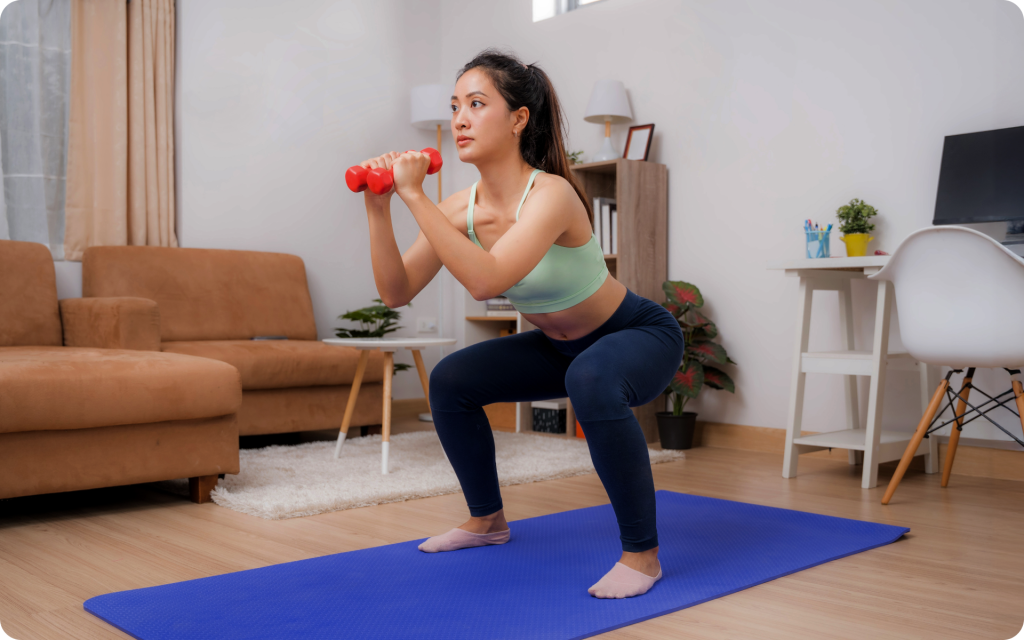
Are you wondering how many squats you need to do each day to build muscle effectively? You’re not alone.
Squats are one of the most powerful exercises for building strength and boosting muscle growth, but finding the right number can feel like cracking a secret code. The truth is, the perfect squat count isn’t just a number; it’s a gateway to transforming your fitness routine and unlocking your full potential.
Imagine sculpting your legs, enhancing your core, and feeling stronger with every step you take. This article will guide you through understanding the magic number of squats tailored just for you, helping you reach your muscle-building goals efficiently and safely. Keep reading, and discover how you can maximize your squat routine to achieve real, noticeable results.
Benefits Of Squats
Building muscle through daily squats requires consistency and the right number of repetitions. Aim for 50 to 100 squats daily to see noticeable results in muscle growth. Adjust the count based on your fitness level for optimal benefits.
Squats are a key exercise in building muscle. They offer many benefits beyond just muscle growth. Squats can improve flexibility, increase strength, and more. Adding squats to your routine can enhance your fitness journey significantly.Muscle Building
Squats target several muscle groups. They work the quads, hamstrings, and glutes. This makes them effective for building muscle mass. The movement also engages the core and lower back. This helps with overall body strength. Doing squats regularly can lead to noticeable muscle gains.Improved Flexibility
Squats can improve flexibility over time. They require a full range of motion. This stretches and strengthens muscles and joints. The hips, knees, and ankles benefit the most. Improved flexibility helps in daily activities. It can also reduce the risk of injury.Increased Strength
Squats are excellent for building strength. They make the legs and core stronger. A strong core supports better balance and posture. Strong legs improve performance in other exercises. Regular squats can lead to significant strength improvements. This makes daily tasks easier.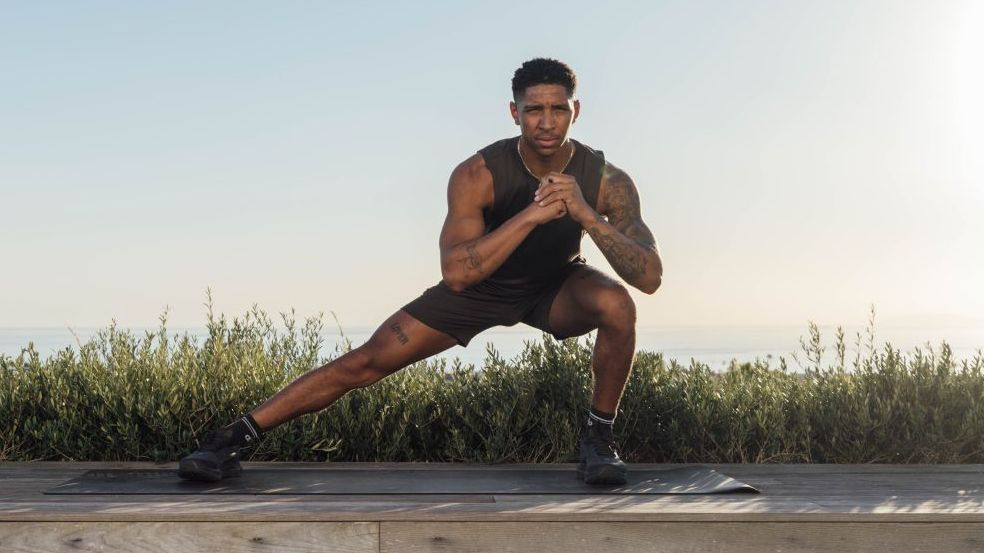
Credit: www.fitandwell.com
Understanding Muscle Growth
Understanding muscle growth is crucial if you’re looking to build muscle through squats. It’s not just about how many squats you do each day, but also about understanding the science behind muscle development. Let’s dive into the factors that contribute to muscle growth, including the concept of hypertrophy and the role of nutrition.
Hypertrophy Explained
Hypertrophy refers to the increase in muscle size due to exercise. When you perform squats, you are essentially stressing your muscle fibers, causing tiny tears. Your body repairs these tears, resulting in muscle growth.
This process requires progressive overload, meaning you gradually increase the weight or number of squats to continue challenging your muscles. Consistency is key. You might be wondering, how do you know if you’re doing enough? Pay attention to your body’s response. Are you feeling stronger? Is your technique improving?
Role Of Nutrition
Nutrition plays a pivotal role in muscle growth. Your muscles need fuel to repair and grow, and that’s where your diet comes in. Consuming enough protein is essential as it helps in repairing those tiny tears in your muscle fibers.
But it’s not just about protein. Carbohydrates provide energy for your workouts, while fats support hormonal balance crucial for muscle growth. Consider keeping a food diary to track your intake. Are you eating enough to support your squat goals?
Reflect on your meals. Are they balanced? You might find that small adjustments can make a big difference in your muscle-building journey.
Recommended Squat Frequency
Building muscle through squats is a popular choice for fitness enthusiasts, but determining the right frequency is crucial for optimal results. The recommended squat frequency largely depends on your fitness goals, current level, and recovery capacity. The key is to strike a balance between challenging yourself and allowing adequate recovery time. Let’s explore the pros and cons of daily squats and how a weekly squat routine can be tailored to your needs.
Daily Squats: Pros And Cons
Performing squats every day can seem like a fast track to building muscle, but it comes with its own set of advantages and drawbacks.
- Pros:Daily squats can help you develop a strong routine, improve your form, and quickly boost your endurance. Consistency often leads to habit formation, making it easier to stick with your fitness goals.
- Cons:Your muscles need time to recover and grow. Overworking them can lead to fatigue, decreased performance, and even injury. Without proper recovery, you might find yourself plateauing sooner than expected.
Think about your own body’s response: Do you feel energized or drained after daily workouts? Your body’s feedback is invaluable in deciding your squat frequency.
Weekly Squat Routine
A weekly squat routine offers flexibility and allows for recovery, which is crucial for muscle growth.
- Consider squatting 2-3 times a week, allowing for rest days in between. This frequency can help maintain intensity without risking overtraining.
- Focus on a mix of squat variations to target different muscle groups and keep your routine engaging. Incorporate front squats, sumo squats, and pistol squats to diversify your workouts.
Assess your progress regularly. Are you seeing improvements in strength and muscle mass? Adjust your routine as needed to continue seeing results.
Ultimately, the perfect squat frequency is unique to you. Listen to your body, track your progress, and find the balance that supports your fitness journey.
Squat Variations For Growth
When aiming to build muscle through squats, mixing up your routine with different squat variations can lead to impressive growth. Each type of squat targets different muscle groups, offering unique benefits and challenges. By incorporating these variations, you can ensure balanced muscle development and prevent workout monotony.
Back Squat
The back squat is a staple in muscle-building routines. It primarily targets your quads, hamstrings, and glutes. Position the barbell across your upper back, engage your core, and squat down while keeping your chest up.
Many lifters, myself included, find this squat variation essential for building lower body strength. Start with a weight you can handle comfortably and gradually increase as you build confidence and strength. Are you ready to feel the burn and see the gains?
Front Squat
The front squat shifts the focus more towards your quads and core. Holding the barbell across the front of your shoulders requires a strong core to maintain balance. This squat is great for improving posture and promoting muscle symmetry.
Beginners often find front squats challenging due to the balance required. However, once mastered, they become a powerful tool in your muscle-building arsenal. Do you have the discipline to perfect your form?
Goblet Squat
The goblet squat is perfect for those new to squatting or looking to refine their technique. Holding a dumbbell or kettlebell close to your chest helps you focus on form and depth. This variation is excellent for increasing flexibility and strength in your lower body.
Incorporating goblet squats in my routine helped me overcome initial form issues. They serve as an excellent warm-up or a high-rep finisher to exhaust your muscles. Are you willing to challenge yourself with higher reps for added endurance?
By experimenting with these squat variations, you can enhance your strength and muscle growth effectively. Remember, consistency and proper form are crucial in any fitness journey. Which squat variation will you incorporate first to break through your plateau?
Incorporating Rest And Recovery
Building muscle through squats requires more than just repetitions. Rest and recovery are key components of any effective workout plan. They help your muscles repair and grow stronger. Skipping rest can lead to fatigue and injury. Balance your squat routine with proper rest to see the best results.
Importance Of Rest Days
Rest days are crucial for muscle recovery. During rest, muscles repair themselves from the stress of exercise. This repair process strengthens them, preparing for future workouts. Without rest, you risk overtraining and injury. Ensure you schedule regular rest days in your squat routine.
Active Recovery Techniques
Active recovery involves low-intensity activities that keep the body moving. It aids in muscle recovery without overexertion. Consider activities like walking, swimming, or yoga. These activities promote blood flow and help reduce muscle soreness. Incorporate active recovery to maintain momentum while resting your muscles.
Common Mistakes To Avoid
Overtraining can lead to injury and burnout. Gradually increase squat reps to build muscle safely. Proper form is crucial for effectiveness and preventing harm.
When aiming to build muscle through squats, it’s crucial to sidestep common pitfalls that can hinder progress. Avoiding mistakes not only ensures effective workouts but also keeps injuries at bay. Understanding these errors can lead to more productive and safer training sessions.Improper Form
One of the most common mistakes in squatting is improper form. Many individuals squat with their knees caving in or their heels lifting off the ground. This not only reduces the effectiveness of the exercise but also increases the risk of injury. Imagine squatting with a slight forward lean, which can stress your lower back. Instead, maintain a straight back and keep your chest up. Focus on driving through your heels to engage the right muscles. Using mirrors can help correct your posture. Alternatively, consider recording your squats to review your form. Remember, quality over quantity is key for muscle building.Overtraining Risks
Overtraining is another pitfall that many squat enthusiasts fall into. You might think more is better, but muscles need time to recover and grow. Hitting squats every day without rest can lead to fatigue and decreased performance. Have you ever felt consistently sore with diminishing returns on your workouts? That’s a sign you’re overdoing it. Incorporating rest days allows your muscles to repair and grow stronger. Listen to your body. If you’re feeling drained, it might be time to take a break. Balancing workout intensity and recovery ensures sustainable muscle growth.Expert Tips For Maximizing Results
Building muscle through squats requires more than just repetition; it demands a strategic approach to maximize results. While the number of squats you perform daily plays a role, understanding how to enhance your workout can make a significant difference. These expert tips are designed to help you push beyond your limits while maintaining safety and efficiency.
Progressive Overload
Progressive overload is a cornerstone for muscle growth. It involves gradually increasing the weight or resistance to challenge your muscles continuously. You might start with bodyweight squats and then advance to using weights or resistance bands. Tracking your progress through a workout log can help identify when it’s time to raise the stakes.
Consistency is key, but remember, pushing too hard can lead to injury. Adjust your routine to include incremental increases in weight or repetitions. This way, your muscles adapt and grow over time. Consider adding a few more squats each week or slightly increasing the weight every session.
Listening To Your Body
Your body often knows what it needs better than any plan. Pay attention to signs of fatigue or discomfort. It’s crucial to distinguish between a healthy muscle burn and potential injury. Rest days are as important as workout days; your muscles need time to repair and grow.
If you feel pain, don’t ignore it. Adjust your form or take a break to prevent long-term damage. Sometimes, reducing intensity can lead to better results in the long run. You might find that alternating between high-intensity days and lighter, recovery-focused sessions yields optimal results.
Are you pushing yourself too hard, or are you holding back? These questions can guide you in adjusting your routine for better outcomes. Always aim for a balance between challenging your body and respecting its limits.
Credit: www.lemon8-app.com

Credit: www.menshealth.com
Frequently Asked Questions
How Many Squats Should I Do Daily?
To build muscle, aim for 15-30 squats daily. Adjust based on fitness level and goals. Ensure proper form to maximize muscle growth and minimize injury risks. Gradually increase reps or weight for continued progress. Consistency is key for effective muscle building.
Can Squats Alone Build Muscle?
Yes, squats can build muscle, especially in the legs and glutes. They engage multiple muscle groups, promoting growth. Combine squats with other exercises for balanced development. Nutrition and rest are vital for muscle building. Ensure a well-rounded fitness routine for optimal results.
Do Squats Help With Weight Loss?
Squats can aid weight loss by boosting metabolism and burning calories. They engage large muscle groups, increasing calorie expenditure. Pair squats with cardio and a balanced diet for best results. Consistency and intensity matter in achieving weight loss goals.
How Can I Improve Squat Form?
To improve squat form, focus on posture and alignment. Keep your chest up, back straight, and knees over toes. Engage your core for stability. Practice regularly and consider professional guidance if needed. Proper form prevents injuries and enhances muscle development.
Conclusion
Building muscle through squats is all about consistency. Start small. Increase gradually. Listen to your body. Squats engage major muscle groups. They boost strength and endurance. Aim for a balanced routine. Mix squat variations. Keep workouts diverse. Rest is crucial.
Muscles grow during recovery. Proper form prevents injury. Stay focused on technique. Nutrition supports muscle growth. Eat a balanced diet. Stay hydrated. Always warm up before squats. Avoid overtraining. Track progress. Adjust goals as needed. Squats can transform your fitness journey.
Feel stronger. Move with confidence. Embrace the squat challenge. Your muscles will thank you.