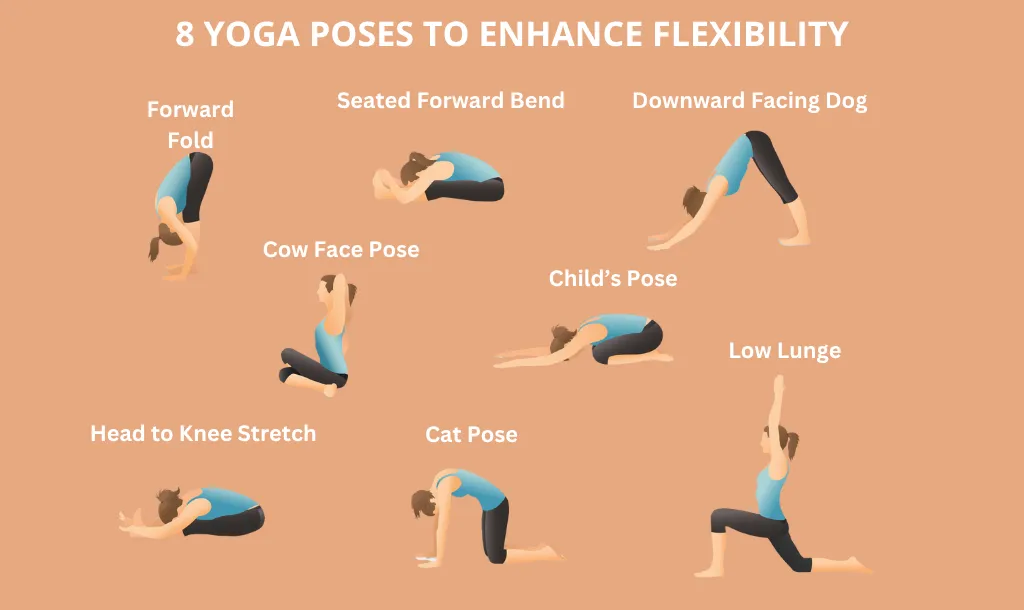
Ever wondered how yoga can transform your flexibility? You might have heard about the wonders of yoga, but do you truly know how it affects your body scientifically?
Imagine being able to move with ease, feeling less stiffness, and enjoying a more fluid range of motion in your daily life. This isn’t just hearsay; there’s solid science backing these benefits. You’ll discover exactly how yoga works its magic on your flexibility.
We’ll dive into the fascinating scientific details and reveal how each pose contributes to making your body more adaptable. If you’re curious about unlocking your body’s potential and want to harness the power of yoga for flexibility, you’re in the right place. Keep reading to uncover the secrets that could change how you move forever.
The Science Behind Yoga And Flexibility
Have you ever wondered why yoga is often associated with enhanced flexibility? The science behind this lies in the body’s physiological response to regular stretching and mindful movement. Yoga not only stretches muscles but also improves the range of motion in joints. Let’s dive deeper into how this works.
Understanding Flexibility
Flexibility is the ability of your muscles and joints to move through their full range of motion. It’s not something you either have or don’t have; it’s a skill that can be developed over time. Regular yoga practice helps in gradually increasing this range, making your body more adaptable and resilient.
Consider your daily activities. How often do you stretch your arms above your head or reach down to touch your toes? Yoga incorporates these movements, encouraging you to explore and expand your body’s current capabilities. The more you practice, the more you notice improvements in your flexibility.
Role Of Muscles And Joints
Your muscles and joints play a crucial role in determining your flexibility. Muscles need to be pliable and joints need to be well-lubricated to allow for smooth and pain-free movement. Yoga helps in elongating the muscles and maintaining joint health.
Each time you hold a yoga pose, your muscles are stretched, increasing their elasticity. This is similar to gently pulling on a rubber band, making it more flexible with each stretch. Over time, this leads to improved muscle flexibility and joint mobility.
Think about the last time you felt stiff after sitting for too long. Yoga can counteract this by keeping your muscles engaged and your joints in motion. As a result, you might find yourself bending and twisting in ways you never thought possible.
Have you experienced a transformation in your flexibility through yoga? Share your thoughts and insights in the comments below!
Yoga Techniques For Enhanced Flexibility
Yoga enhances flexibility by stretching muscles and tendons, improving their range of motion. Scientific studies show regular practice increases muscle elasticity and joint mobility.
Yoga Techniques for Enhanced Flexibility Flexibility is a core component of yoga. It involves a variety of techniques that help stretch and lengthen muscles. These techniques also improve joint mobility and range of motion. By practicing yoga regularly, you can see significant improvements in your flexibility.Stretching And Poses
Stretching is essential in yoga for increasing flexibility. It helps to elongate muscles and improve their elasticity. Common yoga poses like the Downward Dog, Cobra, and Warrior stretch different muscle groups. Each pose targets specific areas, promoting balance and alignment. Consistent practice of these poses can make muscles more flexible. This reduces the risk of injury and enhances overall physical performance.Breath Control And Relaxation
Breath control plays a vital role in yoga. It aids in relaxation and enhances flexibility. Deep breathing techniques help to calm the mind. This allows muscles to stretch more effectively. When you focus on your breath, tension in the body reduces. This creates a state of relaxation, allowing deeper stretches. Practicing controlled breathing with poses can lead to better flexibility over time.Physiological Changes Through Yoga
Yoga enhances flexibility by stretching muscles and ligaments. Regular practice increases range of motion and reduces stiffness. Scientific studies show improved joint health and muscle elasticity.
Yoga is more than just a series of postures—it is a transformative practice that brings about significant physiological changes in your body. One of the most profound effects of yoga is its impact on flexibility. Understanding how yoga influences your body at a physiological level can provide you with insights into why your yoga practice is so beneficial.Impact On Muscle Fibers
Yoga stretches are not just superficial; they work deep into your muscle fibers. When you hold a yoga pose, your muscles are gently lengthened, which increases the elasticity of the muscle fibers. Over time, this leads to longer and more flexible muscles. This stretching also promotes the formation of new muscle fibers and increases blood flow, providing your muscles with the oxygen and nutrients they need to become more pliable. Have you noticed how you can stretch deeper into a pose after a few weeks of consistent practice? That’s your muscle fibers adapting and becoming more flexible.Joint Lubrication And Mobility
Yoga enhances the lubrication of your joints, which is crucial for maintaining mobility. The synovial fluid within your joints is responsible for reducing friction and allowing smooth movement. Regular yoga practice increases the production of this fluid, which helps keep your joints healthy. When your joints are well-lubricated, you can move more freely without discomfort. Poses that gently rotate and stretch the joints can lead to improved range of motion. Have you ever experienced that satisfying feeling of ease in your movements after a yoga session? It’s your joints thanking you for the lubrication boost. How has your flexibility journey been with yoga? Have you felt these changes in your own body? Embrace each yoga session as a step towards a more flexible you.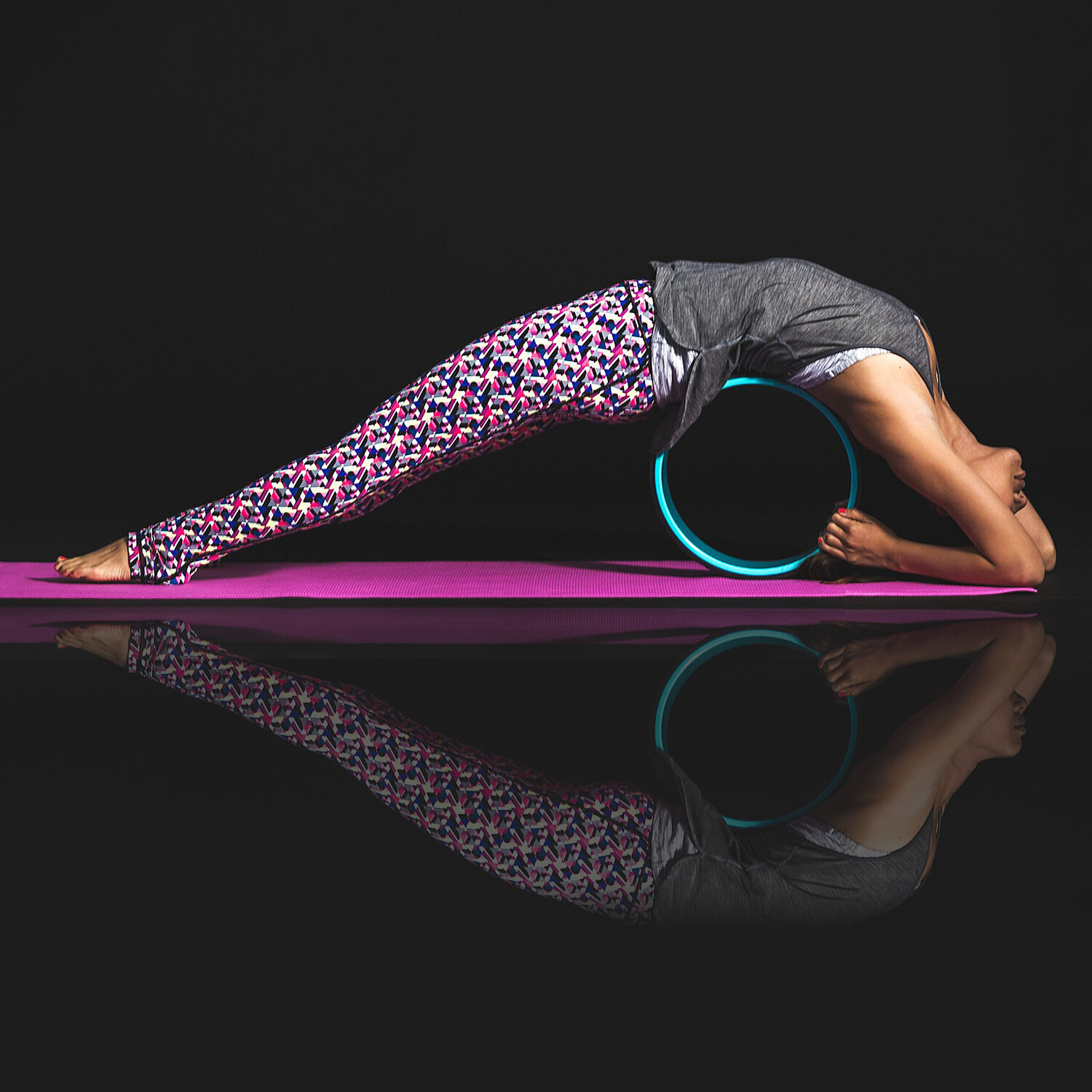
Credit: www.advancedhumanperformance.com
Comparing Yoga With Other Flexibility Exercises
Yoga enhances flexibility through its unique poses and stretches, targeting various muscle groups. Scientific studies highlight its effectiveness compared to traditional flexibility exercises. Regular practice results in improved range of motion and reduced stiffness.
Yoga is well-known for enhancing flexibility. It’s intriguing to compare it with other exercises that aim to improve flexibility. This comparison helps understand how yoga stands out and what unique benefits it provides. Flexibility exercises vary in their approach and impact on the body. Yoga, static stretching, and dynamic stretching are different in execution and outcomes.Yoga Vs. Static Stretching
Yoga incorporates both stretching and strength-building in its routines. Static stretching involves holding a stretch position for a period. Yoga flows through poses, engaging multiple muscle groups. This dynamic movement aids in flexibility and balance. Yoga promotes mindfulness, enhancing the mind-body connection. Static stretching focuses solely on lengthening muscles.Yoga Vs. Dynamic Stretching
Dynamic stretching uses movement to prepare muscles. Yoga offers a slower pace, focusing on breath and alignment. Dynamic stretches are often quick and rhythmic. Yoga’s deliberate pace enhances flexibility and relaxation. Dynamic stretching gears toward warming up muscles before activity. Yoga benefits flexibility and mental calmness, making it a holistic practice.Research And Studies Supporting Yoga
Scientific studies show that yoga improves flexibility by stretching muscles safely. Regular practice enhances joint movement and reduces stiffness. Deep breathing in yoga supports muscle relaxation, aiding in increased range of motion.
Yoga has long been associated with improving flexibility. Scientific research offers compelling evidence to support this claim. Various studies have explored how yoga impacts flexibility and overall physical health.Clinical Trials And Findings
Clinical trials have investigated yoga’s effects on flexibility. One study found that regular yoga practice increased flexibility in participants by 35% over eight weeks. Researchers observed significant improvements in joint mobility and muscle elasticity. Another trial focused on older adults. It revealed that yoga helped maintain flexibility despite age-related stiffness. These findings suggest that yoga can be beneficial for people of all ages.Expert Opinions And Reviews
Experts in the field of physical therapy endorse yoga. Many believe it plays a crucial role in enhancing flexibility. A respected physiotherapist noted that yoga helps lengthen muscles and improve range of motion. In reviews, fitness professionals often highlight yoga’s impact. They commend its ability to improve flexibility without causing injury. Reviews often emphasize that yoga is accessible to beginners and advanced practitioners alike. Research and expert opinions consistently show yoga’s positive effects. They affirm its role in enhancing flexibility and promoting well-being.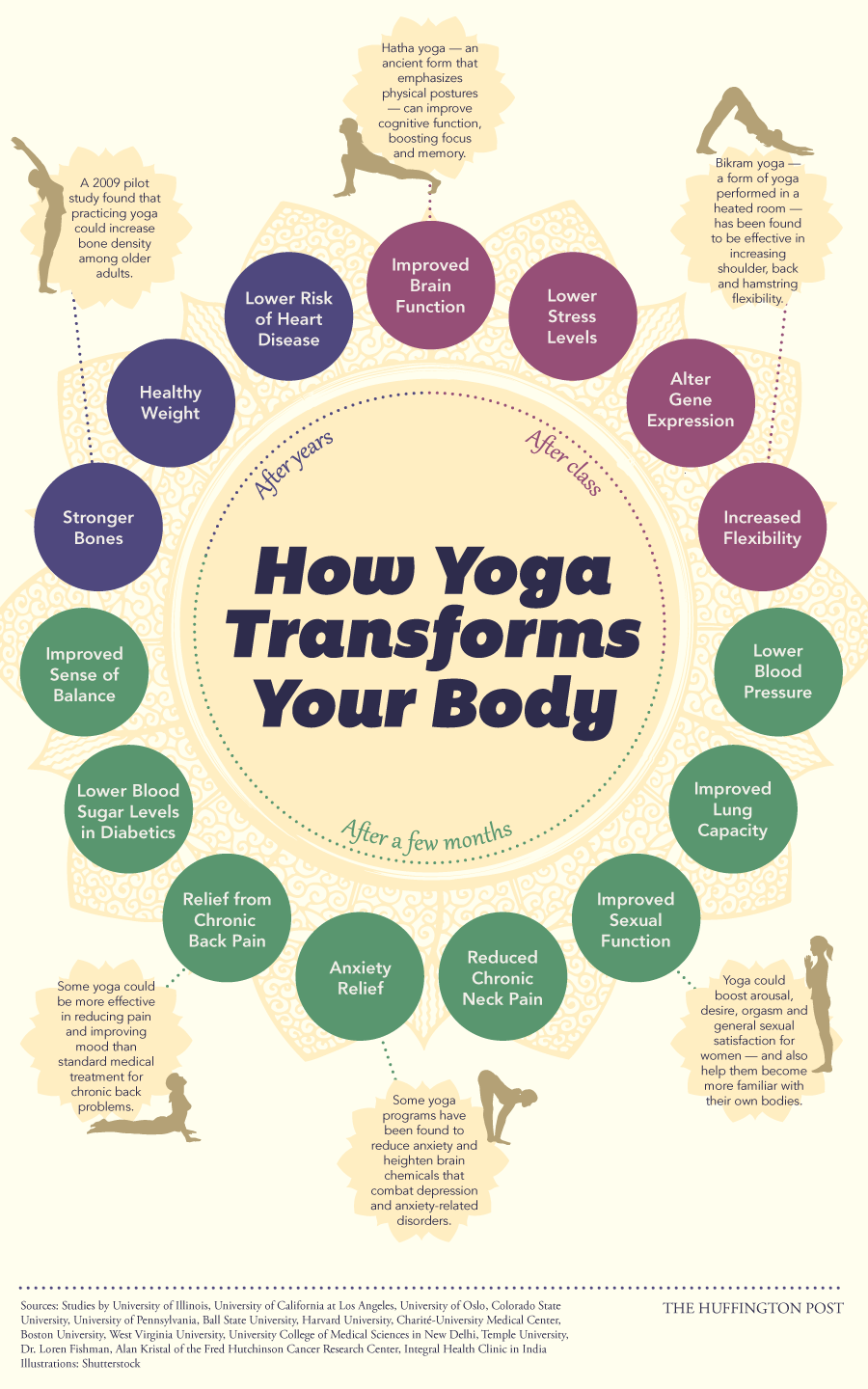
Credit: medium.com
Practical Tips For Increasing Flexibility With Yoga
Yoga enhances flexibility by stretching muscles and improving their range of motion. Regular practice helps joints move more freely, reducing stiffness. Scientific studies show that yoga increases muscle length and elasticity over time.
Flexibility is often seen as the secret sauce that enhances your yoga practice. It’s not just about bending your body into impressive shapes; it’s about creating more freedom of movement in your everyday life. If you’ve ever wondered how yoga can improve your flexibility and how you can maximize these benefits, you’re in the right place. Here, we share practical tips for increasing your flexibility with yoga.Daily Practice Strategies
Consistency is key when it comes to improving flexibility through yoga. A daily routine, even if it’s just 15 minutes, can make a noticeable difference over time. Focus on poses that target multiple muscle groups like the Downward Dog or the Pigeon Pose. Create a schedule that fits your lifestyle. If mornings are chaotic, consider a calming evening session. Personalize your practice to maintain motivation and prevent burnout.Safety And Precautions
Safety should be your priority as you work on flexibility. Always warm up with gentle movements to prepare your muscles. Pay attention to your body’s signals and avoid pushing through pain. Consider consulting a certified yoga instructor if you’re unsure about your form. They can provide guidance to prevent injuries and ensure you’re getting the most from your practice. Remember, flexibility is a journey, not a race.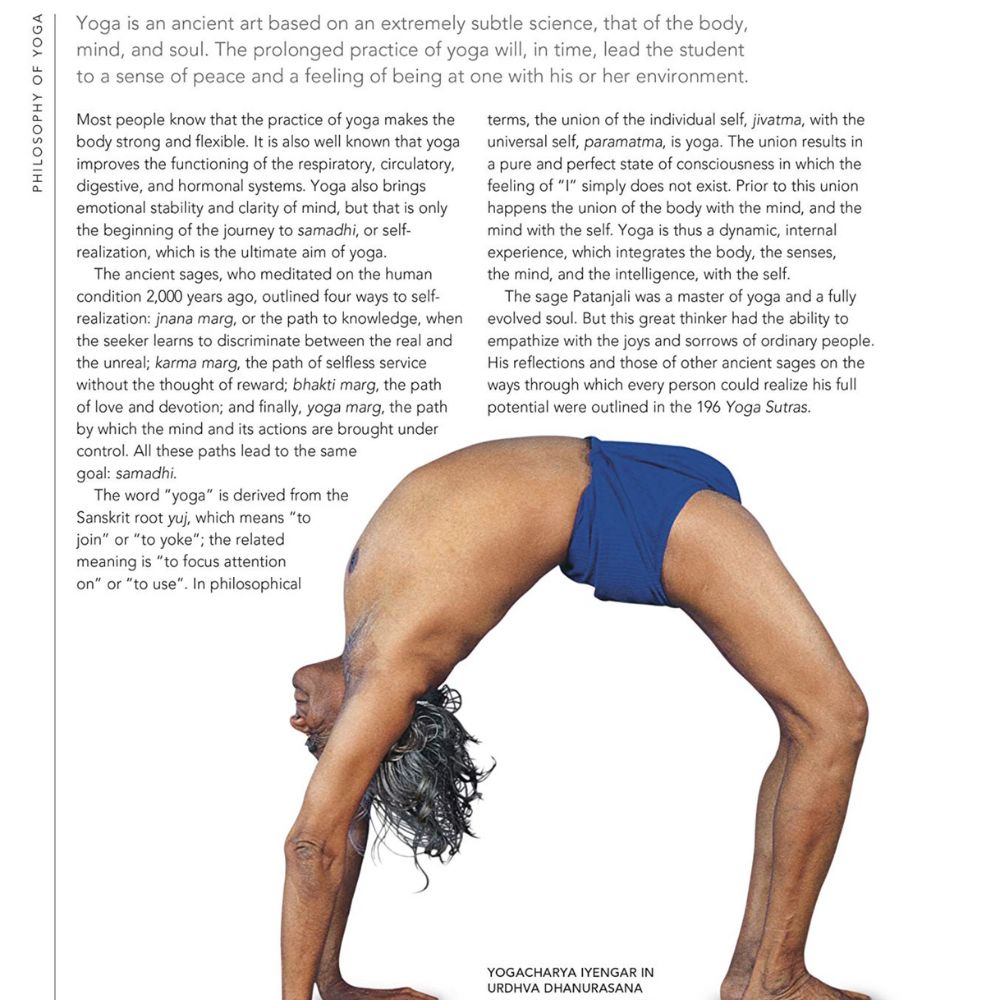
Credit: yogajourney.ca
Frequently Asked Questions
How Does Yoga Improve Flexibility?
Yoga enhances flexibility by stretching muscles and increasing joint range of motion. Consistent practice helps lengthen tight muscles. This results in improved overall flexibility. Yoga poses target different muscle groups, promoting balanced flexibility. Regular sessions lead to noticeable improvements over time.
Can Beginners Improve Flexibility With Yoga?
Yes, beginners can improve flexibility with yoga. Yoga provides gentle stretches suitable for all levels. Starting with beginner-friendly poses helps gradually increase flexibility. Regular practice and proper technique are crucial. Over time, even beginners will notice significant improvements in their flexibility.
Which Yoga Poses Boost Flexibility?
Certain yoga poses are excellent for boosting flexibility. Poses like Downward Dog, Forward Bend, and Warrior II are effective. These poses stretch major muscle groups and enhance joint mobility. Consistent practice of these poses leads to increased flexibility. Incorporating these into your routine can yield noticeable results.
How Quickly Does Yoga Improve Flexibility?
Yoga can improve flexibility relatively quickly with consistent practice. Most people notice improvements within a few weeks. Practicing yoga 2-3 times a week is effective. The pace of improvement varies for each individual. Consistency and dedication are key to achieving quicker results.
Conclusion
Yoga helps improve flexibility in a natural way. It stretches muscles gently. Regular practice leads to greater range of motion. Over time, your body feels more agile. Yoga strengthens muscles too. This balance reduces injury risk. Science shows consistent yoga boosts flexibility.
It’s effective for all ages. Beginners and experts alike benefit. It promotes better posture and balance. Flexibility enhances daily movements. Yoga offers peace of mind as well. It relaxes the body and mind. Enjoy the journey of becoming more flexible.
Embrace yoga and feel the change. Your body will thank you.