Are you feeling the weight of juggling fitness and mental health? You’re not alone.
Many people struggle to find harmony between staying physically active and maintaining mental well-being. It’s easy to get caught up in fitness goals and forget about the impact they have on your mind. But what if I told you that striking the right balance can enhance both your body and mind?
Imagine waking up each day feeling energized, focused, and at peace. The key lies in understanding how these two aspects of your life are intertwined. In this guide, you’ll discover simple yet powerful strategies to achieve this balance. Dive in and uncover the secrets to a healthier, happier you.

Credit: nsquarefitness.com
Importance Of Fitness And Mental Health
Balancing fitness and mental health is key to overall well-being. Regular exercise boosts mood and reduces stress. Prioritizing mental health through mindfulness and rest enhances physical performance.
Balancing fitness and mental health is more crucial than many realize. Physical activity isn’t just about sculpting your body; it plays a vital role in maintaining a healthy mind. Similarly, nurturing your mental health can significantly boost your physical fitness efforts. Understanding their intertwined relationship can transform your overall well-being.
Physical Fitness: A Pillar Of Mental Well-being
Regular physical activity releases endorphins, often referred to as ‘feel-good’ hormones. These chemicals act as natural painkillers and mood elevators. Many people find that even a short walk can lift their spirits and reduce stress. Exercise also improves sleep, which is essential for mental health. Better sleep can lead to increased energy levels and a more positive outlook on life. Have you noticed how a good night’s sleep can make everything seem more manageable?
Mental Health: The Foundation For Physical Fitness
Mental health influences your motivation to exercise. When you feel mentally strong, you’re more likely to stick to a fitness routine. On the flip side, poor mental health can sap your energy and enthusiasm. Self-care practices like mindfulness and meditation can enhance your mental resilience. This resilience can make it easier to overcome obstacles in your fitness journey. What mental health practices do you incorporate into your routine?
Creating A Balanced Approach
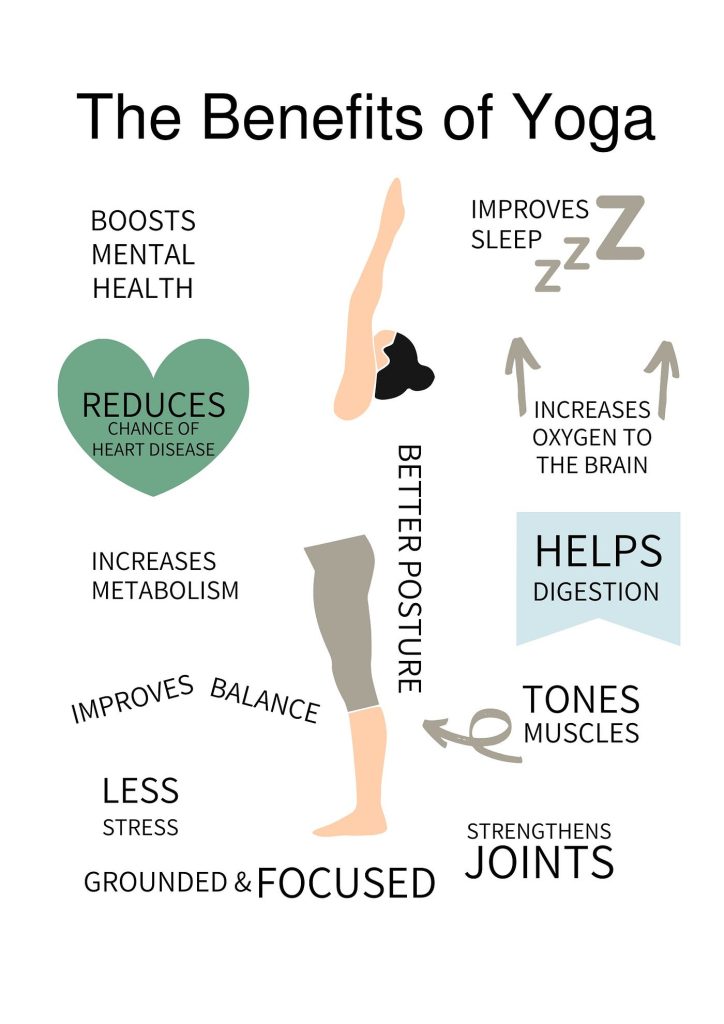
Finding the right balance between fitness and mental health requires intention. Start by setting realistic fitness goals that align with your mental health needs. This ensures you’re not overexerting yourself physically or mentally. Incorporate activities that nourish both your body and mind. Yoga, for instance, combines physical movement with mindfulness. Have you tried integrating such dual-benefit activities into your schedule?
Listening To Your Body And Mind
Your body and mind often give signals when they’re out of balance. Pay attention to these cues. If you’re feeling overwhelmed, it might be time to prioritize mental health over a rigorous workout. Conversely, if you notice a dip in mood, a brisk walk or jog might be the remedy you need. How do you respond when your body or mind sends these signals? Remember, the goal is not perfection but progress. By valuing both fitness and mental health, you’re investing in a happier, healthier you.
Benefits Of A Holistic Approach
Balancing fitness and mental health requires a holistic approach. This method considers the whole person. It nurtures both body and mind. Embracing this approach offers numerous benefits. It promotes a healthier lifestyle.
It also enhances emotional well-being. This balance leads to improved overall health. Here are some key benefits of a holistic approach.
Improved Physical Health
A holistic approach boosts physical health. Regular exercise strengthens muscles. It also improves cardiovascular health. Eating nutritious foods supports energy levels. Together, these habits enhance physical fitness.
Enhanced Mental Clarity
Mental clarity is crucial for well-being. A balanced lifestyle improves focus. It reduces stress and anxiety. Mindfulness practices, like meditation, help calm the mind. This approach fosters mental peace.
Better Stress Management
Stress affects both body and mind. Holistic practices teach stress management. Techniques such as yoga and deep breathing are effective. They help release tension and promote relaxation.
Improved Mood And Emotional Balance
Exercise releases endorphins. These are chemicals that improve mood. A balanced diet supports brain health. This combination promotes emotional stability. It helps in maintaining a positive outlook.
Stronger Social Connections
Engaging in group activities fosters social bonds. Sharing fitness goals with others strengthens connections. These relationships offer emotional support. They play a vital role in mental well-being.
Creating A Balanced Routine
Balancing fitness and mental health requires a thoughtful routine. Prioritize exercise and include calming activities like meditation. Ensure each day has moments for physical movement and mental relaxation.
Creating a balanced routine is essential for maintaining both physical fitness and mental health. It’s not just about hitting the gym or meditating; it’s about finding a rhythm that works for you. A well-rounded routine should nurture your body and mind, helping you achieve harmony in your daily life. So, how do you create a balanced routine that supports both aspects? Let’s dive into some practical strategies to guide you.
Setting Realistic Goals
Start by setting achievable goals. Ask yourself, what do you really want to accomplish? Make sure your objectives are specific, measurable, and attainable. Consider breaking larger goals into smaller, manageable steps. For instance, if you aim to run a marathon, begin with short runs and gradually increase your distance. This prevents burnout and keeps you motivated. Remember, consistency is more important than perfection. Reflect on what truly matters to you. Does your goal align with your values and passions? Ensure your fitness and mental health goals are interconnected. This creates a sense of purpose and drives you to stay committed.
Incorporating Variety
Variety is the spice of life, and your routine should reflect that. Mix different activities to keep things fresh and exciting. This not only prevents boredom but also engages different muscle groups and mental faculties. Consider combining physical exercise with mental relaxation activities. Pair a morning jog with a quiet meditation session. Or, try yoga followed by journaling to release tension and boost creativity. Explore new hobbies or sports. Have you ever tried dancing or rock climbing? These activities challenge both your body and mind, offering a fun way to enhance your routine. Embrace change and keep exploring new avenues for growth. Creating a balanced routine requires experimentation and flexibility. Are you ready to find what truly works for you?

Credit: www.youtube.com
Mindful Exercises
Balancing fitness and mental health involves mindful exercises that nurture both body and mind. Activities like yoga and meditation enhance physical strength while promoting emotional well-being. Integrating these practices into daily routines helps achieve a harmonious lifestyle.
Mindful exercises blend physical movement with mental focus. They help balance fitness and mental health. These exercises connect your body and mind. They reduce stress and improve overall well-being. Let’s explore some effective mindful exercises.
Yoga And Meditation
Yoga combines physical poses with breathing. It calms the mind and strengthens the body. Regular practice reduces anxiety and boosts mood. Meditation focuses the mind and eases tension. It involves sitting quietly and observing your thoughts. This practice enhances concentration and promotes inner peace.
Breathing Techniques
Breathing exercises are simple yet powerful. They control stress and enhance relaxation. Try deep breathing to calm nerves. Inhale slowly through the nose. Hold for a few seconds. Exhale gently through the mouth. Repeat this cycle several times. It soothes the mind and relaxes the body. Mindful exercises like yoga and breathing techniques are beneficial. They nurture both mental and physical health. They offer a holistic approach to well-being. Engaging in these practices can lead to a more balanced life.
Nutrition And Mental Wellbeing
Balancing fitness and mental health is a delicate act, with nutrition playing a pivotal role in the equation. What you eat not only fuels your physical body but also influences your mental state. The right nutrients can boost your mood, enhance cognitive function, and reduce stress. As you consider your dietary choices, think about how they impact your mental wellbeing, not just your waistline.
Foods For Mental Health
Have you ever noticed how certain foods can make you feel better? Foods rich in omega-3 fatty acids like salmon and walnuts are known to support brain health. Leafy greens such as spinach and kale provide essential vitamins that may help combat anxiety.
Whole grains like oats and quinoa can stabilize your blood sugar and improve your mood. Next time you’re grocery shopping, ask yourself: what foods will support my mental health?
Hydration And Mood
Could a glass of water be the key to a better mood? Staying hydrated is crucial for maintaining mental clarity and emotional stability. Dehydration can lead to feelings of fatigue and confusion, affecting your mental wellbeing.
Make it a habit to carry a water bottle wherever you go. Setting a daily goal, such as drinking eight glasses of water, can make a significant difference. What steps will you take to ensure you’re adequately hydrated?
Building A Support System
Creating a support system is key to balancing fitness and mental health. It helps you feel connected and motivated. A strong network provides encouragement during tough times. You can share your experiences and learn from others. This makes the journey more enjoyable and less lonely.
Community And Social Connections
Joining a fitness community can be beneficial. It provides a sense of belonging. You find people with similar goals. They understand your challenges and successes. Social connections boost motivation. They offer support when needed. Engaging with others can lift your spirits. It reduces feelings of isolation.
Participate in group activities. Attend local fitness events. Connect with friends who enjoy exercise. Share your progress on social media. These actions foster a supportive environment. They help you stay committed and positive.
Professional Guidance
Seek professional advice for balanced health. Trainers can tailor workouts to your needs. They ensure safe and effective routines. Mental health professionals offer coping strategies. They help manage stress and anxiety. Both types of guidance are valuable.
Consult a nutritionist for dietary advice. A balanced diet supports mental health. It enhances physical performance too. Professionals provide expertise and accountability. They motivate you to maintain healthy habits.
Don’t hesitate to ask for help. Professional support makes the journey smoother. It ensures you stay on track with your goals.
Tracking Progress And Adjustments
Tracking progress helps balance fitness and mental health. Make necessary adjustments to routines to ensure both physical and mental well-being. Regularly evaluate your activities for a harmonious lifestyle.
Balancing fitness and mental health requires careful tracking and adjustments. Both elements thrive on consistency and awareness. Tracking progress is key to understanding what works. Adjustments ensure you stay on the right path. Let’s explore practical ways to track progress and make necessary changes.
Self-assessment Tools
Self-assessment tools provide insight into your fitness and mental health. Journals are a simple way to track feelings and workouts. Apps offer digital convenience for monitoring exercise and mood changes. Self-assessment helps identify patterns and areas needing improvement. Regularly reviewing this data keeps you informed and motivated.
Adapting To Changes
Life brings changes that affect fitness and mental health. Adjusting your routine helps maintain balance during these times. Flexibility in your plans allows for smooth transitions. Listen to your body and mind, and respond accordingly. Small tweaks can lead to big improvements. Be patient and persistent in your journey.
Overcoming Challenges
Balancing fitness and mental health requires setting realistic goals. Small steps can lead to big achievements. Regular exercise boosts mood and reduces stress. Remember, both physical activity and relaxation are important for overall well-being.
Balancing fitness and mental health can be challenging. Many face hurdles along this journey. These challenges can derail your progress. Staying on track requires patience and persistence. This section will explore ways to overcome these common challenges.
Dealing With Setbacks
Setbacks happen to everyone. They can be frustrating. Maybe you missed a workout. Or had a bad day. Don’t be too hard on yourself. Acknowledge the setback. Learn from it. Adjust your routine if needed. Focus on the positives. Celebrate small wins. These steps help you get back on track.
Maintaining Motivation
Motivation can waver. It’s normal. Set clear, realistic goals. Write them down. Track your progress. This keeps you focused. Find a workout buddy. They can encourage you. Mix up your routine. Try new activities. Keep things exciting. This prevents boredom. Remember why you started. Your reasons matter. They fuel your drive.

Credit: www.facebook.com
Frequently Asked Questions
How Can Fitness Improve Mental Health?
Exercise releases endorphins, which enhance mood and reduce stress. Regular workouts can improve sleep and boost self-esteem. Staying active also promotes better cognitive function and reduces symptoms of anxiety and depression. Integrating fitness into your routine can significantly enhance overall mental well-being.
What Are The Best Exercises For Mental Health?
Aerobic exercises like jogging, swimming, or cycling are excellent for mental health. Yoga and Pilates also help by reducing stress and promoting relaxation. These activities improve mood, boost energy, and enhance mental clarity. Engaging in regular physical activity can lead to significant mental health benefits.
How Often Should I Exercise For Mental Health?
Aim for at least 150 minutes of moderate exercise weekly. Break it down into sessions that fit your schedule. Consistency is key to reaping mental health benefits. Regular activity helps manage stress, improve mood, and increase energy levels. Find a routine that you enjoy and can maintain.
Can Meditation Enhance My Fitness Routine?
Yes, meditation complements fitness by improving focus and reducing stress. It enhances body awareness, helping prevent injuries during workouts. Combining meditation with exercise boosts mental clarity and emotional resilience. Practicing mindfulness can lead to a more balanced fitness and mental health routine.
Conclusion
Balancing fitness and mental health is key to overall well-being. Exercise boosts mood and reduces stress. Prioritize regular workouts. Make time for relaxation and mindfulness. Listen to your body. Don’t push too hard. Find activities that you enjoy. Mix physical exercises with mental health practices.
Remember, small steps lead to big changes. Celebrate progress, no matter how small. Stay consistent. Create a routine that suits your lifestyle. Include friends or family for support. Keep your mind and body in harmony. With balance, you’ll feel better every day.
Stay committed to nurturing both your fitness and mental health.