
Have you ever wondered if cardio is the secret ingredient to boosting your endurance? Picture yourself running longer distances, cycling up steep hills, or simply having the energy to keep up with an active lifestyle.
It’s enticing, isn’t it? But the question remains: does cardio genuinely hold the key to enhancing your endurance levels? We will delve into the fascinating connection between cardiovascular exercises and endurance. We’ll uncover the science, debunk myths, and give you the insights you need to make informed choices for your fitness journey.
Get ready to unlock the potential of your workouts and discover how cardio can transform your endurance. Keep reading to find out how you can harness the power of cardio to push your limits and achieve your fitness goals.
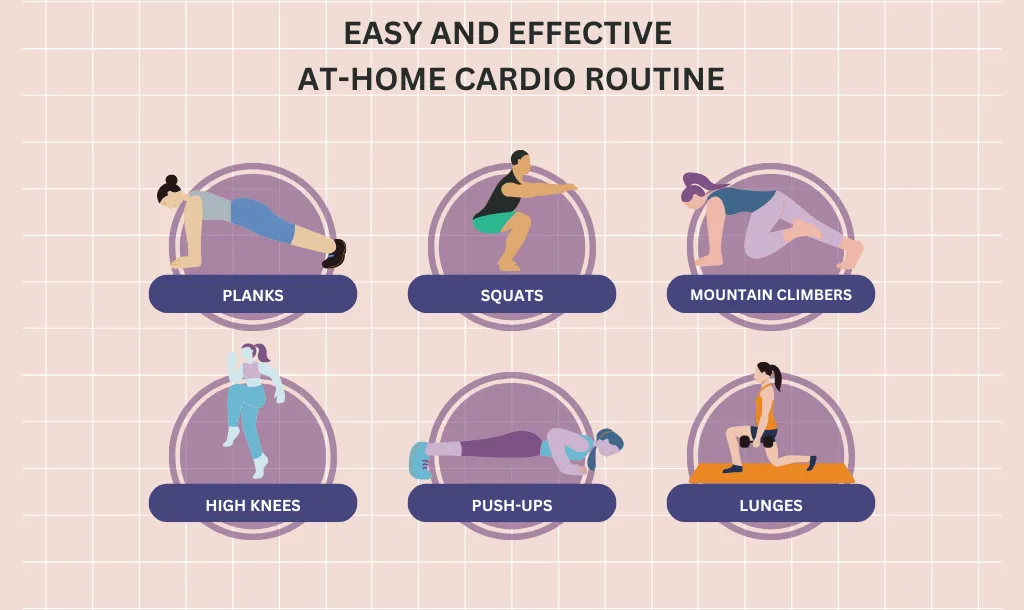
Credit: myyogateacher.com
Benefits Of Cardio For Endurance
Cardio exercises boost endurance by enhancing heart and lung efficiency. Regular practice builds stamina and reduces fatigue. Consistent cardio workouts lead to improved energy levels and better overall performance.
Cardio exercises are a cornerstone of fitness routines for many reasons. One of the most significant benefits they offer is the enhancement of endurance. Whether you’re training for a marathon or simply want to keep up with your kids at the park, boosting your endurance through cardio can be incredibly rewarding.Improved Heart Health
Cardio workouts strengthen the heart muscle. A stronger heart pumps more blood with each beat, which means your body gets more oxygen and nutrients efficiently. This improvement in circulation supports better endurance during physical activities.Increased Lung Capacity
Regular cardio exercise can boost your lung capacity. This means your body becomes more efficient at taking in oxygen and expelling carbon dioxide. Improved lung function allows you to sustain effort for longer periods without feeling winded.Enhanced Muscle Efficiency
Cardio helps your muscles work better. As you engage in activities like running or cycling, your muscles learn to use oxygen more efficiently. This adaptation is crucial for endurance, as it allows you to maintain activity without fatigue setting in too quickly.Better Energy Utilization
With consistent cardio, your body becomes better at using stored energy. You tap into fat reserves more effectively, providing a steady energy supply for prolonged activities. This change supports long-duration exercises, such as long-distance running or cycling.Mental Toughness
Cardio not only benefits the body but also the mind. Pushing through the discomfort of a tough workout builds mental resilience. This mental toughness is vital during endurance events where the mind often wants to quit before the body does.Reduced Recovery Time
Regular cardio can lead to quicker recovery times. As your endurance improves, your body becomes more adept at repairing itself post-exercise. This means you can train more frequently, enhancing your endurance even further over time.Personal Experience
After incorporating regular cardio sessions into my routine, I noticed I could hike longer trails without needing frequent breaks. This personal milestone showed me the power of cardio in boosting endurance. Have you ever felt the thrill of reaching a new personal best thanks to improved endurance? Enhancing your endurance through cardio is a journey that offers tangible rewards. Whether it’s climbing stairs without losing breath or achieving a new personal best, the benefits are well worth the effort. What’s your next endurance goal?Credit: www.lemon8-app.com
Types Of Cardio Exercises
Cardio exercises are essential for building endurance. They improve heart health and increase stamina. Various types of cardio exercises cater to different preferences and fitness levels. Each exercise offers unique benefits, making it easy to find one that suits you.
Running
Running is a popular cardio exercise. It requires minimal equipment and can be done anywhere. It strengthens the heart and improves lung capacity. Running regularly boosts endurance and enhances overall fitness.
Cycling
Cycling is a low-impact cardio exercise. It’s gentle on the joints and perfect for all ages. Cycling outdoors or using a stationary bike improves cardiovascular health. It builds leg strength and enhances endurance.
Swimming
Swimming is a full-body workout. It combines cardio with muscle strengthening. Swimming is easy on the joints and ideal for injury recovery. It enhances endurance while improving flexibility and coordination.
Rowing
Rowing is an excellent cardio exercise. It engages multiple muscle groups simultaneously. Rowing improves cardiovascular fitness and builds endurance. It’s efficient and suitable for all fitness levels.
How Cardio Enhances Stamina
Cardio exercises boost endurance by improving heart and lung efficiency. They increase oxygen supply to muscles, helping you sustain activities longer. Regular cardio strengthens stamina, making daily tasks feel easier.
Cardio exercises are vital for enhancing stamina, enabling individuals to perform activities longer without fatigue. Regular cardio workouts strengthen endurance, allowing the body to adapt to physical demands efficiently. This section explores how cardio boosts stamina, focusing on heart health, lung capacity, and metabolism.Improving Heart Health
Cardio strengthens the heart muscle, making it more efficient. A stronger heart pumps blood throughout the body with less effort. This efficiency reduces the workload on the heart during activities, extending exercise duration. Over time, heart health improvements enhance endurance significantly.Increasing Lung Capacity
Cardio exercises expand lung capacity, allowing more oxygen intake. Increased oxygen supply fuels muscles, delaying fatigue during workouts. Enhanced lung capacity improves overall aerobic performance. This adaptability helps the body sustain longer physical activity sessions.Boosting Metabolism
Cardio elevates the metabolism rate, promoting faster energy conversion. A boosted metabolism ensures quick energy availability during physical exertion. This rapid energy conversion supports prolonged exercise without tiring. Enhanced metabolism contributes to better stamina and endurance over time.Incorporating Cardio Into Your Routine
Cardio boosts endurance by strengthening the heart and lungs. Regular practice enhances stamina for longer activities. Integrating cardio exercises improves overall fitness and energy levels.
Incorporating cardio into your routine can boost endurance. It strengthens your heart and lungs. This makes them more efficient over time. You’ll notice improved stamina in daily activities. Cardio is also a great way to burn calories. It helps in weight management. For effective results, integrate cardio exercises smartly.Setting Goals
Start with clear, realistic goals. They keep you motivated. Decide on the frequency and duration of your cardio sessions. Aim for gradual progress. For instance, start with 20 minutes per session. Increase the time as your endurance improves. Keep track of your achievements. Adjust your goals to challenge yourself further.Choosing The Right Exercises
Select exercises that suit your fitness level. Walking, jogging, cycling, and swimming are great options. Enjoyment matters too. Choose activities you like. This increases the likelihood of sticking to your routine. Mix different exercises to avoid boredom. This also works different muscle groups. Variety enhances overall fitness.Balancing With Strength Training
Don’t neglect strength training. It complements cardio well. Strength exercises build muscle, which supports endurance. Plan your week to include both cardio and strength sessions. For example, alternate between cardio and strength days. This ensures balanced fitness development. It reduces the risk of injury. Plus, it makes your routine more dynamic.Common Mistakes To Avoid
Ignoring rest days can lead to burnout. Pushing too hard without proper recovery decreases endurance. Over-relying on cardio alone can neglect strength training, which is crucial for balanced fitness.
When aiming to boost your endurance through cardio, it’s easy to fall into some common traps that can hinder your progress. By learning from others’ experiences, you can avoid these pitfalls and maximize your endurance training. Let’s dive into a few mistakes you should be wary of.Overtraining
Pushing yourself too hard can lead to burnout and injury. Your enthusiasm might tempt you to do cardio every day, but this can backfire. It’s crucial to listen to your body. If you feel fatigued or notice a drop in performance, it might be time to take a step back. Balance your workouts to avoid overtraining. Mix in different cardio activities and adjust intensity levels. This approach not only helps your body recover but also keeps your routine exciting.Neglecting Recovery
Recovery is as vital as the workout itself. Skipping rest days or cool-downs can limit endurance gains. Think of recovery as a strategic part of your training plan, not just downtime. Incorporate rest days and consider active recovery methods like yoga or stretching. These practices can enhance flexibility and reduce muscle soreness, allowing you to return stronger.Ignoring Nutrition
Nutrition fuels your endurance journey. Missing out on key nutrients can diminish your stamina and slow down progress. Are you fueling your body adequately? Focus on a balanced diet that includes carbs for energy, proteins for muscle repair, and healthy fats for sustained power. Hydration is equally important; dehydration can drastically affect your performance. Remember, what you eat impacts how you train.Tracking Progress
Cardio exercises boost endurance by strengthening the heart and lungs. Regular sessions improve stamina and energy levels. Enhanced endurance supports longer and more efficient workouts.
Tracking your progress is a crucial part of improving your endurance through cardio. Without tracking, it’s challenging to determine what’s working and what needs adjustment. By monitoring your progress, you can set realistic goals and stay motivated on your fitness journey.Using Fitness Apps
Fitness apps are a game-changer for tracking cardio workouts. They offer features like distance tracking, pace monitoring, and calorie counting, making it easier to keep a record of your progress. Apps such as Strava or MyFitnessPal allow you to log each workout, track improvements over time, and even connect with a community for extra motivation. A personal experience with these apps can show just how much progress you’ve made, turning abstract goals into tangible achievements.Monitoring Heart Rate
Your heart rate is a key indicator of your cardiovascular fitness. By monitoring it during workouts, you can gauge how hard you’re working and ensure you’re training in the right zone. Invest in a heart rate monitor or use a smartwatch to keep track. When you notice your heart rate recovering faster post-exercise, it’s a sign your endurance is improving.Assessing Endurance Levels
How do you know if your endurance is really improving? The answer lies in consistent assessments. Try regular tests like a timed mile or a set distance run to evaluate improvements. Record your times and reflect on how your body feels during these assessments. Are you less fatigued? This tangible evidence can be incredibly encouraging and keep you pushing forward. Tracking progress not only highlights your achievements but also helps in identifying areas of improvement. Have you ever wondered how much further you could go by simply tracking your journey more diligently?Cardio Myths Debunked
Cardio exercises have long been touted as the go-to for boosting endurance. Yet, there’s a lot of misinformation swirling around that can lead you astray. Let’s unravel some common cardio myths and get to the heart of what truly enhances your stamina.
Cardio Vs. Strength Training
Many believe cardio is the only way to improve endurance, sidelining strength training entirely. This is a myth. Strength training supports endurance by building muscle resilience and supporting joint health.
Integrating strength workouts can improve your cardio sessions. Think about how lifting weights can make climbing stairs seem easier.
Spot Reduction Fallacy
Ever tried to lose belly fat by doing endless sit-ups? That’s the spot reduction fallacy in action. Cardio helps you lose weight overall, not from a specific body part.
Your body decides where it sheds fat, not your workout. Embrace a balanced routine for best results.
Intensity Vs. Duration
Is it better to run fast for a short time or slow for longer? The debate between intensity and duration is common. High-intensity workouts can boost endurance quickly, but longer sessions build it gradually.
Mixing both can prevent boredom and keep your body guessing. How might your routine change if you varied your approach?
By understanding these myths, you can better tailor your cardio routine for genuine endurance gains. What changes will you make to your workout strategy today?

Credit: www.facebook.com
Frequently Asked Questions
How Does Cardio Improve Endurance?
Cardio exercises, like running or cycling, enhance your heart and lung capacity. This increased capacity improves oxygen delivery to muscles. With better oxygen supply, muscles can perform longer and more efficiently. Over time, regular cardio strengthens endurance, allowing you to sustain physical activities with less fatigue.
Is Cardio Necessary For Endurance Sports?
Yes, cardio is essential for endurance sports. It boosts cardiovascular health and stamina, which are critical for performance. Cardio exercises train the heart and lungs to work efficiently. This efficiency is vital for long-duration sports like marathons, cycling, or swimming.
What Types Of Cardio Are Best For Endurance?
Running, cycling, and swimming are excellent cardio exercises for endurance. These activities engage large muscle groups, enhancing cardiovascular health. They also help improve stamina and oxygen utilization. Regularly performing these exercises increases endurance, allowing you to sustain activities longer and with less fatigue.
Can Cardio Alone Build Endurance?
Cardio significantly enhances endurance, but strength training complements it. While cardio boosts cardiovascular efficiency, strength training builds muscle strength. Together, they enhance overall performance and stamina. A balanced workout routine, combining both, is essential for optimal endurance development.
Conclusion
Cardio boosts endurance. It strengthens the heart and lungs. More oxygen reaches muscles. This leads to improved stamina. Regular cardio workouts build resilience over time. Running, cycling, or swimming can enhance endurance levels. Consistent practice is key. Small steps matter.
Gradual progress is important. Listen to your body. Rest when needed. Balanced cardio and rest improve performance. Everyone can benefit. No need for intense routines. A little goes a long way. Embrace the journey. Enjoy the process. Endurance grows with patience.
Aim for steady progress. Keep moving forward. Celebrate each achievement. Your endurance will improve. Feel the difference.