Ever wondered how well your heart and lungs are working together to keep you going strong? Cardio respiratory endurance is your body’s secret weapon for stamina and energy.
When you measure it, you unlock insights into your health and fitness levels. Imagine being able to run longer, breathe easier, and feel more vibrant each day. By mastering the art of measuring your cardio respiratory endurance, you’re taking control of your well-being.
Ready to discover how you can boost your endurance and feel amazing? Keep reading, because what you learn next could transform your approach to fitness and vitality.
What Is Cardio Respiratory Endurance?
Understanding cardio respiratory endurance can be the key to unlocking your fitness potential. It refers to the ability of your heart, lungs, and blood vessels to supply oxygen to your muscles during prolonged physical activity. When you improve this endurance, you’re essentially enhancing your body’s capability to sustain exercise over time without fatigue. But what does it mean for your daily life and fitness goals?
Cardio respiratory endurance is crucial for anyone looking to improve their overall health and fitness. It’s not just about running a marathon or completing a triathlon. It’s about how efficiently your body uses oxygen to fuel activity.
Think of it as your body’s stamina engine, powering you through everyday tasks and more intense workouts. When you have good cardio respiratory endurance, you can tackle stairs without huffing and puffing or enjoy a brisk walk without feeling exhausted.
Improving this aspect of fitness can lead to better heart health, increased energy levels, and even a more positive mood. Who wouldn’t want that?
Why Is Cardio Respiratory Endurance Important?
Imagine being able to climb several flights of stairs without needing to catch your breath. That’s a small glimpse of what strong cardio respiratory endurance can do for you.
It not only aids in performing daily activities with ease but also enhances your performance in sports and workouts. It’s a cornerstone for reducing the risk of chronic diseases such as heart disease and diabetes.
With improved endurance, your body becomes a more efficient oxygen machine, and this efficiency translates to better overall health. You might even find yourself enjoying exercises you once dreaded.
How Can You Improve Your Cardio Respiratory Endurance?
- Start with Aerobic Exercises:Activities like walking, jogging, swimming, and cycling are great for building endurance. They’re accessible and can be adjusted to fit any fitness level.
- Increase Intensity Gradually:As you become more comfortable, add intensity to your workouts. This could mean running faster or adding inclines to your walks.
- Consistency is Key:Regular exercise is essential. Aim for at least 150 minutes of moderate aerobic activity each week.
Cardio respiratory endurance is a critical component of fitness that can transform how you feel and perform daily. By focusing on this aspect, you’re investing in a healthier, more energetic future. Are you ready to breathe new life into your fitness routine?
Importance Of Cardio Respiratory Endurance
Understanding how to measure cardiorespiratory endurance is essential for assessing heart and lung health. This endurance reflects the body’s ability to sustain exercise, impacting overall fitness and well-being. Regular measurement helps track progress and improve performance.
Cardio respiratory endurance plays a crucial role in overall health. It refers to the ability of the heart, lungs, and circulatory system to supply oxygen during prolonged physical activity. Strong endurance supports efficient oxygen utilization, enhancing performance in daily activities and athletic endeavors. Good endurance reduces fatigue, allowing longer exercise periods without tiring quickly. It also aids in maintaining a healthy weight, improving cardiovascular health, and boosting energy levels.Boosts Heart Health
A strong cardio respiratory system keeps the heart healthy. Regular exercise strengthens the heart muscle, improving its ability to pump blood. This reduces the risk of heart disease and high blood pressure.Enhances Lung Capacity
Enhanced endurance improves lung capacity. Efficient breathing during exercise increases oxygen intake. This ensures muscles get the oxygen needed for sustained activity.Improves Physical Performance
Better endurance enhances physical performance. It allows individuals to engage in activities for extended periods. This can lead to improved athletic performance and daily activity levels.Supports Weight Management
Good endurance aids in weight management. It boosts metabolism, helping burn more calories during physical activity. This assists in maintaining a healthy weight and body composition.Increases Energy Levels
Higher endurance levels increase energy. Efficient energy use during exercise reduces fatigue. This leads to feeling more energetic throughout the day.Reduces Stress
Exercise improves mood and reduces stress. Endurance activities release endorphins, which enhance mood and relieve stress. This contributes to mental well-being and relaxation.Promotes Longevity
A healthy cardio respiratory system promotes longevity. Regular exercise supports vital organ function and reduces the risk of chronic diseases. This leads to a longer, healthier life.Methods To Measure Endurance
Assessing cardio respiratory endurance involves several methods. The VO2 max test measures oxygen use during intense activity. The Cooper Test evaluates endurance through a 12-minute run.
Understanding how to measure cardiorespiratory endurance can be a game-changer for your fitness journey. It allows you to assess how well your heart, lungs, and muscles work together during prolonged physical activity. Tracking your progress through various methods can motivate you to push further and enhance your overall health. But which method should you choose? Let’s explore some effective ways to gauge your endurance levels.Vo2 Max Testing
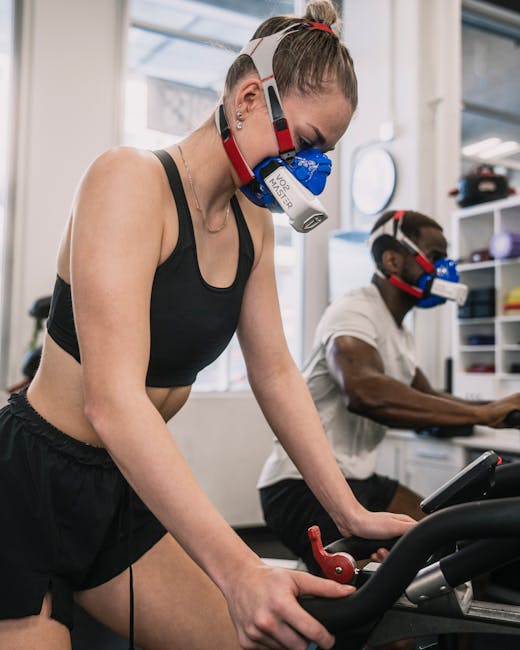
VO2 Max Testing is considered one of the most accurate ways to measure cardiorespiratory endurance. It determines the maximum amount of oxygen your body can utilize during intense exercise. Typically, this test is conducted in a lab setting, where you wear a mask while exercising on a treadmill or stationary bike. The data collected can provide valuable insights into your aerobic capacity. While it might sound technical, the information gathered can help tailor your training to improve performance.Heart Rate Monitoring
Heart rate monitoring offers a more accessible method to measure endurance. By tracking how quickly your heart rate returns to normal after exercise, you can assess your cardiovascular fitness. Using a heart rate monitor or even a fitness tracker can simplify this process. Aim to notice the changes in your resting heart rate over time as you become fitter. A lower resting heart rate is often a sign of improved cardiorespiratory endurance.Step Test
The Step Test is a simple yet effective way to measure your endurance at home. It involves stepping up and down on a platform at a set pace for a specific time. After completing the test, you measure your heart rate to gauge your fitness level. This method is cost-effective and doesn’t require fancy equipment, making it ideal for those just starting their fitness journey. Are you ready to challenge yourself with this straightforward test?Cooper Test
The Cooper Test is another popular method to assess endurance, often used in sports settings. It involves running as far as possible in 12 minutes. The distance covered provides an estimate of your cardiorespiratory fitness. Many people find this test motivating because it’s straightforward and offers a clear measure of progress. Challenge yourself to beat your previous distance and watch your endurance improve over time. These methods offer diverse ways to measure your cardiorespiratory endurance, each with its unique benefits and challenges. Consider your goals, resources, and preferences when choosing the best method for you.
Credit: www.jacc.org
Vo2 Max Testing Explained
Understanding VO2 Max is key for assessing cardio respiratory endurance. It measures the maximum oxygen your body can use during exercise. High VO2 Max indicates good fitness levels. Various methods exist for testing VO2 Max.
Laboratory Testing
Laboratory testing provides precise measurements. It uses specialized equipment. A treadmill or stationary bike is often used. The test involves increasing exercise intensity. Participants wear a mask. The mask measures breath and oxygen usage. Heart rate monitors track physiological responses. This method is highly accurate. It requires trained professionals.
Field Testing
Field testing offers a practical alternative. It’s less expensive than lab testing. The Cooper test is a common field test. Participants run as far as possible in 12 minutes. The distance covered estimates VO2 Max. Another method is the beep test. This involves running between markers. The pace increases until exhaustion. Field tests are useful for large groups. They’re accessible for most people.
Using Heart Rate As A Measure
Monitoring heart rate helps assess cardio respiratory endurance effectively. A lower resting heart rate indicates better endurance levels. Regular exercise can improve heart rate recovery after physical activity.
Using heart rate as a measure of cardiorespiratory endurance is both accessible and effective. By tracking your heart rate, you gain insight into how well your heart and lungs work together to supply oxygen to your muscles during exercise. This data can be invaluable in tailoring your workouts for maximum benefit.Resting Heart Rate
Your resting heart rate (RHR) is a simple yet powerful indicator of your cardiovascular health. To measure it, find a quiet moment, preferably in the morning before getting out of bed. Use two fingers to locate your pulse on your wrist or neck and count the beats for 60 seconds. A lower resting heart rate typically suggests a more efficient heart function and better fitness level. Athletes often have RHR values in the range of 40-60 beats per minute. Tracking changes in your RHR over time can reveal improvements in your endurance.Target Heart Rate Zone
Identifying your target heart rate zone helps optimize your workouts. Calculate your maximum heart rate by subtracting your age from 220. Your target zone is usually 50-85% of this maximum value. For example, if you’re 30 years old, your maximum heart rate is roughly 190 beats per minute. Aim to exercise within 95 to 162 beats per minute to effectively boost endurance. Finding the right intensity can feel challenging, but listen to your body and adjust accordingly. Are you pushing yourself enough to feel challenged but not so much that you’re exhausted? Use this zone to guide your workouts for steady improvement.Step Test Protocol
Step Test Protocol measures cardio-respiratory endurance through simple exercises. It involves stepping on and off a platform. Heart rate is recorded before and after to assess endurance levels.
The Step Test Protocol is a simple way to measure cardiorespiratory endurance. It involves stepping up and down on a platform at a set pace. This test is suitable for beginners and advanced athletes. It provides reliable data on your heart and lung capacity. Follow the easy steps to perform this test correctly.Equipment Needed
- Step platform or bench
- Stopwatch or timer
- Metronome or audio track
- Heart rate monitor (optional)
Procedure Steps
- Set the step platform at a height of 12 inches.
- Start the metronome at 96 beats per minute.
- Begin stepping up and down with the beat.
- Continue for three minutes without stopping.
- After the test, sit down quickly.
- Measure your pulse for 60 seconds.
- Record your heart rate to assess endurance.
Cooper Test Guidelines
The Cooper Test measures cardio respiratory endurance by assessing how far you can run in 12 minutes. This simple test provides insights into your fitness level and helps track progress over time. Regular practice and consistency can improve your results.
The Cooper Test is a popular method to measure cardio respiratory endurance. Designed by Dr. Kenneth H. Cooper in 1968, this test involves a 12-minute run to assess your aerobic fitness. It’s simple and effective, making it a favorite among athletes and fitness enthusiasts. If you’re wondering how to prepare for and interpret the Cooper Test, follow these guidelines.Preparation Steps
Before starting the Cooper Test, ensure you’re well-prepared. – Warm Up: Begin with a 10-minute warm-up, which should include light jogging and stretching exercises. This will help prevent injuries and prepare your muscles for the run. – Choose the Right Location: Find a flat track or a measured area where you can run uninterrupted for 12 minutes. A standard 400-meter track is ideal for this purpose. – Gear Up: Wear comfortable running shoes and clothing. A stopwatch or a fitness tracker is essential to accurately measure the time and distance covered. Are you ready to push your limits and discover your current fitness level?Scoring And Interpretation
Once you’ve completed the run, it’s time to evaluate your performance. – Calculate Distance: Measure the total distance you covered in 12 minutes. This is the primary metric for the Cooper Test. – Use a Table for Comparison: Compare your results with the standard Cooper Test tables, which categorize performance based on age and gender. These tables help you understand where you stand in terms of cardio respiratory endurance. – Set Goals: If you’re not satisfied with your score, set realistic goals for improvement. Regular training can significantly enhance your endurance levels over time. Isn’t it fascinating how a simple 12-minute test can provide such valuable insights into your fitness journey?
Credit: www.instagram.com
Tips For Accurate Measurement
Assess cardio respiratory endurance by performing a timed exercise like running or cycling. Track heart rate and breathing during activity to gauge efficiency. Regularly test and compare results to monitor improvement.
Measuring cardiorespiratory endurance accurately is crucial for tracking your fitness progress and setting realistic goals. Whether you’re an athlete or just getting started on your fitness journey, having reliable data can boost your motivation and help tailor your workout plan. To ensure that your measurements are precise, consider these essential tips.Consistency In Testing
Establishing a routine in your testing is vital. Choose a specific day and time for your tests to maintain consistency. This helps eliminate variables like fatigue or external conditions that can skew results. Keep track of your tests in a journal or digital app. Recording your results consistently helps you identify trends and understand your progress over time. Consider testing with a partner or trainer to ensure objectivity. They can help monitor your performance and provide an unbiased perspective on your endurance levels.Proper Warm-up
A warm-up is non-negotiable for accurate measurements. Engage in light cardio activities like brisk walking or cycling for 5-10 minutes before testing. This prepares your muscles and cardiovascular system for the effort ahead. Include dynamic stretches to enhance flexibility. Stretching reduces the risk of injury and can improve your performance during the test. Hydrate adequately before starting. Dehydration can affect your endurance, so ensure your body is well-prepared by drinking water beforehand.Use Of Technology
Leverage technology for precise data collection. Wearable fitness devices can track heart rate, VO2 max, and other key metrics during your test. This technology provides detailed insights into your cardiorespiratory endurance. Use apps that sync with your wearables for a comprehensive overview. Many apps offer analysis features that help you understand the nuances of your performance. Explore online platforms or software that offer virtual testing environments. These can simulate real-world conditions, providing additional data points for your assessment. Are you ready to take your measurements to the next level? Implement these tips and watch your fitness journey unfold with clarity and purpose.Improving Your Endurance
Measuring cardio respiratory endurance involves tracking your heart rate during exercise. Use a fitness tracker or a heart rate monitor for accuracy. Evaluate progress by noting changes over time, such as reduced resting heart rate or increased exercise duration.
Improving your endurance goes beyond just hitting the gym. It’s a holistic approach that combines regular exercise, balanced nutrition, and adequate rest and recovery. These elements work in harmony to enhance your cardiorespiratory endurance, ensuring you can tackle daily activities with ease and vigor. Let’s dive into each component and see how you can optimize your endurance levels.Regular Exercise
Engage in activities that challenge your heart and lungs. Cardiovascular exercises like running, cycling, and swimming are great options. They not only boost your endurance but also improve overall heart health. Consistency is key. Aim to exercise at least five times a week. Mix up your routine with strength training to increase muscle endurance and support your cardio efforts. Why not try a new sport or activity? Sometimes, breaking out of your comfort zone can ignite your passion for movement and make the process enjoyable.Balanced Nutrition
Fuel your body with the right nutrients. Whole grains, lean proteins, and plenty of fruits and vegetables should be staples in your diet. They provide the energy necessary for sustained physical activity. Hydration is crucial. Drink plenty of water before, during, and after exercise to maintain optimal performance. Remember, even mild dehydration can affect your endurance levels. Consider your meal timing. Eating a balanced meal two hours before exercise can provide the energy boost you need, while a healthy snack post-workout aids recovery.Rest And Recovery
Allow your body time to repair itself. Quality sleep is non-negotiable, as it’s during rest that your muscles recover and grow stronger. Aim for seven to nine hours each night. Incorporate rest days into your workout schedule. Listen to your body; if you’re feeling fatigued, a day off might be the best choice for long-term progress. Have you tried active recovery? Gentle activities like walking or yoga can aid recovery while keeping you moving. They prevent muscle stiffness and promote circulation. Improving your endurance requires dedication and patience. What changes will you make today to boost your endurance tomorrow?
Credit: www.facebook.com
Frequently Asked Questions
What Is Cardio Respiratory Endurance?
Cardio respiratory endurance is the ability of your heart and lungs to supply oxygen during prolonged physical activity. It is crucial for overall fitness and health. Improving this endurance can enhance your performance in aerobic exercises like running, cycling, and swimming.
How Can I Test My Cardio Respiratory Endurance?
You can test your cardio respiratory endurance through exercises like the Cooper Test, VO2 max tests, or the Step Test. These methods measure your aerobic capacity and efficiency. Consult with a fitness expert for guidance and accurate assessment.
Why Is Cardio Respiratory Endurance Important?
Cardio respiratory endurance is vital for maintaining heart health, lung capacity, and overall physical fitness. It supports efficient oxygen delivery to muscles during exercise. Enhancing this endurance reduces fatigue, improves stamina, and promotes longevity in physical activities.
How Do I Improve Cardio Respiratory Endurance?
Improve cardio respiratory endurance by engaging in regular aerobic exercises like jogging, cycling, and swimming. Incorporate interval training and gradually increase workout intensity. Consistency and balanced nutrition are key for effective improvement.
Conclusion
Building cardio respiratory endurance takes time and effort. Keep practicing regularly. Try different exercises like running, swimming, or cycling. Track your progress with simple tests. Listen to your body and adjust workouts as needed. Stay motivated by setting small goals.
Celebrate each achievement, big or small. Improved endurance boosts energy and overall health. Remember, consistency is key. So, embrace the journey towards better fitness. Enjoy each step as you grow stronger. Stay committed and watch your endurance improve. Your heart and lungs will thank you.