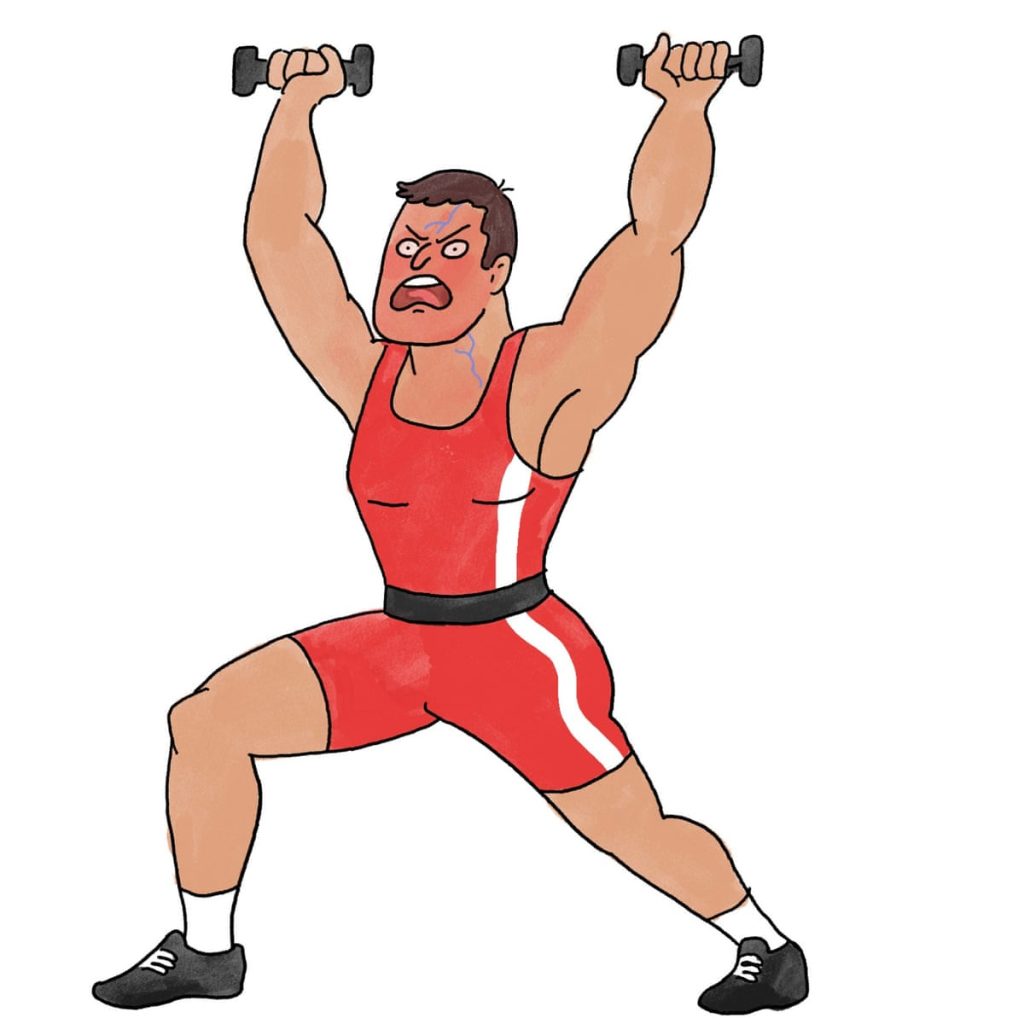
Are you on a quest to build muscle but unsure if lifting heavy weights is the only way to go? You’re not alone.
Many people wonder if they need to hoist hefty dumbbells and barbells to see real gains. Here’s a secret: building muscle isn’t just about how much you lift; it’s also about how you lift and what works best for your body.
Imagine unlocking the potential to sculpt your body without the fear of injury or overwhelming yourself with daunting weights. What if the path to stronger muscles could be more enjoyable and tailored to your unique strength levels? This article delves into the myths and truths about lifting heavy and offers you clear insights to help you achieve your fitness goals. Keep reading, and discover the strategies that could transform your workout routine and redefine what it means to build muscle effectively.

Credit: www.youtube.com
The Science Of Muscle Growth
Building muscle involves complex biological processes. It’s not just about lifting heavy weights. Understanding the science behind muscle growth can guide you. It helps tailor your workout for better results.
Understanding Hypertrophy
Hypertrophy is muscle growth through increased cell size. It’s triggered by resistance training. Muscles undergo stress, leading to microscopic tears. The body repairs these tears, making muscles bigger and stronger.
Muscle growth depends on several factors. Nutrition and rest play crucial roles. Consuming enough protein supports muscle repair and growth. Sleep allows muscles to recover and grow.
Role Of Resistance Training
Resistance training is key to muscle growth. It doesn’t always mean lifting heavy weights. Using lighter weights with higher repetitions can also be effective. This method increases muscle endurance and size over time.
Consistency is important in resistance training. Regular workouts keep muscles engaged and growing. Gradually increasing weight and intensity helps avoid plateaus.
Proper technique is essential for effective resistance training. Incorrect form can lead to injury and hinder progress. Focus on controlled movements to maximize muscle engagement.
Heavy Lifting Explained
When you think about building muscle, heavy lifting is often the first thing that comes to mind. But what does lifting heavy actually mean? It’s not just about picking up the biggest weights you can find. It’s about challenging your muscles with a weight that feels tough but manageable. The goal is to push your muscles to grow stronger and bigger, but without risking injury.
Benefits Of Lifting Heavy
Heavy lifting has some serious perks when it comes to muscle building. First, it stimulates your muscle fibers more intensely, leading to greater muscle growth. You might notice your muscles becoming more defined and stronger over time.
Additionally, lifting heavy boosts your metabolism. This means your body burns more calories even when you’re not working out. Who wouldn’t want to burn calories while sitting on the couch?
Finally, it can improve your overall strength and confidence. When you lift heavy, you might surprise yourself with how much you can actually handle. Every session becomes a test of your limits, helping you grow not just physically but mentally too.
Potential Risks
But there’s a flip side. Lifting heavy can pose some risks if not done correctly. You might strain a muscle or injure a joint if your form is off. It’s crucial to learn the right techniques before upping the weight.
Another risk is overtraining. Your body needs rest to recover and grow, and lifting heavy without breaks can lead to fatigue and burnout. Have you ever felt like you’re going backwards instead of making progress? That’s your body asking for a timeout.
Lastly, there’s the risk of becoming too obsessed with numbers. It’s easy to get caught up in the chase for heavier weights. But remember, lifting heavy is just one part of the muscle-building puzzle. Are you paying attention to your diet, rest, and overall fitness routine?
Alternatives To Heavy Lifting
Building muscle doesn’t always require lifting heavy weights. There are many effective methods to achieve muscle growth without straining your body with heavy loads. Exploring alternatives can keep your workouts diverse and enjoyable. These methods can also help prevent injuries and keep you motivated on your fitness journey.
Moderate Weights And High Reps
Using moderate weights with high repetitions can be very effective. This approach emphasizes muscle endurance and definition. By lifting lighter weights, you focus on form and control. Aim for 12 to 20 reps per set. This keeps your muscles under tension longer, promoting growth. It’s a great way to tone and strengthen without risking injury.
Bodyweight Exercises
Bodyweight exercises are convenient and versatile. They require no equipment and can be done anywhere. Push-ups, squats, and lunges are excellent choices. These exercises engage multiple muscle groups at once. They improve strength, balance, and coordination. For added challenge, increase repetitions or try advanced variations. Simple, yet highly effective for muscle building.
The Role Of Nutrition
Nutrition plays a vital role in muscle building, regardless of lifting heavy weights. Adequate protein intake supports muscle repair and growth, while balanced meals provide energy for workouts.
The journey to building muscle isn’t solely about the weights you lift. Nutrition plays a pivotal role in muscle development, shaping your results more than you might imagine. While heavy lifting can indeed help, your diet’s importance cannot be overstated.Protein Intake
Protein is a crucial building block for muscles. Your muscles rely on protein to repair and grow after workouts. Aim for a balanced protein intake spread throughout the day. This can come from sources like chicken, fish, beans, or tofu. Consider how much protein you’re consuming. Are you hitting your daily targets? Many experts suggest around 1.6 to 2.2 grams of protein per kilogram of body weight.Caloric Surplus
Gaining muscle requires more than just protein; you need to consume more calories than you burn. This is known as a caloric surplus. Think of your body as a machine that needs extra fuel for muscle growth. Without these extra calories, you might not see the muscle gains you desire, even if you’re lifting heavy. Track your daily caloric intake to ensure you’re consuming enough. Apps and websites can help you monitor your intake and adjust as needed. Take a moment to reflect on your current diet. Are you eating enough to support your muscle-building goals? Your nutrition could be the missing link in your fitness journey.Recovery And Rest
Building muscle doesn’t always require lifting heavy weights. Rest and recovery are essential for muscle growth. Prioritize balanced workouts and allow your body time to heal.
Recovery and rest are vital for muscle growth. They allow muscles to repair and strengthen after workouts. Without proper recovery, progress stalls. Many people focus solely on lifting heavy weights. But neglecting recovery can lead to burnout or injury. The body needs time to heal. So, understanding recovery is key to building muscle effectively.Importance Of Sleep
Sleep plays a critical role in muscle recovery. During sleep, the body repairs damaged tissues. Growth hormone, important for muscle building, is released. Aim for 7-9 hours of sleep each night. Quality sleep helps reduce muscle soreness. It also boosts overall energy levels. A consistent sleep schedule aids in better recovery.Active Recovery Techniques
Active recovery can enhance muscle healing. Light exercises keep blood flowing to muscles. Activities like walking or cycling are beneficial. Stretching helps maintain flexibility and prevent stiffness. Yoga can also be a gentle way to recover. Active recovery reduces fatigue and promotes relaxation. It keeps the body moving without additional strain.
Credit: www.instagram.com
Myths And Misconceptions
Lifting heavy weights isn’t the only way to build muscle. Lighter weights with more repetitions can also increase muscle growth. Understanding the balance between weight and reps is key for effective strength training.
Building muscle is often clouded by myths and misconceptions that can mislead even the most enthusiastic fitness enthusiasts. One of the biggest myths is the belief that lifting heavy weights is the only way to build muscle. While it’s true that lifting heavy can help, it’s not the only method that works. Understanding these myths can help you design a workout plan that suits your unique needs and goals.Spot Reduction Myths
Spot reduction is a common myth where people believe they can lose fat in specific areas by exercising those muscles. You might have heard that doing endless crunches will give you a flat stomach. Unfortunately, this isn’t how the body works. Muscle building and fat loss require a holistic approach that involves overall body workouts and a balanced diet. Instead of focusing solely on one body part, think about how different exercises can work together to improve your strength and tone your muscles. Engage in a mix of cardio and strength training for best results. This approach not only builds muscle but also supports fat loss across the entire body.Gender Differences In Muscle Building
Another misconception is that men and women should train differently to build muscle. It’s often assumed that women will bulk up quickly, which leads some to shy away from strength training. In reality, women generally have lower levels of testosterone than men, which affects how muscle is developed. Women can benefit from strength training just as much as men. It enhances muscle tone, boosts metabolism, and improves bone density. If you’re a woman worried about bulking up, consider focusing on your personal fitness goals rather than societal expectations. Think about what you want to achieve with your workouts. Are you looking for strength, endurance, or overall fitness? Tailor your routine to match these goals rather than conforming to myths that may not serve your needs.Expert Opinions
Building muscle doesn’t always require lifting heavy weights. Expert opinions suggest focusing on technique and consistency. Lighter weights and higher repetitions can also effectively increase muscle size and strength.
In the world of fitness, opinions on lifting heavy weights vary. Experts often share insights based on their experiences and research. Understanding these opinions can guide your muscle-building journey.Fitness Trainers’ Insights
Many trainers believe in lifting heavy for muscle growth. They argue that heavy weights challenge muscles more. This stress leads to muscle adaptation and growth. Trainers often recommend heavy lifting for those seeking faster results. But not all trainers agree. Some emphasize form over weight. Lifting with the correct form reduces injury risk. It also ensures muscles engage fully. These trainers suggest starting with lighter weights. Gradually increasing the weight can be safer and effective.Scientific Research Findings
Scientific studies provide varied insights into muscle building. Research shows both light and heavy weights can build muscle. It’s the overall volume that matters. Volume refers to sets and reps completed. Studies suggest high-volume training with lighter weights can be effective. It increases muscle endurance and size over time. Muscles adapt to the repeated stress, leading to growth. On the other hand, heavy weights build strength quickly. They engage fast-twitch muscle fibers. These fibers grow larger and stronger with heavy lifting. Research often highlights the benefits of combining both methods. This ensures balanced muscle development and strength.
Credit: www.instagram.com
Frequently Asked Questions
Do You Need To Lift Heavy For Muscle Growth?
No, you don’t always need to lift heavy to build muscle. Progressive overload is key, but can be achieved with moderate weights and high reps. Focus on form, variety, and consistency to stimulate muscle growth effectively.
Can Light Weights Build Muscle Effectively?
Yes, light weights can build muscle effectively. The key is to increase reps and maintain proper form. This ensures muscle fatigue, leading to growth. Incorporating light weights into your routine can reduce injury risk while still promoting hypertrophy.
How Often Should You Lift For Muscle Gain?
To gain muscle, aim to lift 3 to 5 times weekly. Ensure adequate rest and focus on different muscle groups. Consistency and progressive overload are crucial. This schedule allows for sufficient recovery and growth.
Does Lifting Heavy Increase Muscle Size Faster?
Lifting heavy can increase muscle size faster due to higher tension and stimulus. However, it’s not the only method. Incorporate varied weights and techniques for balanced growth. Listen to your body and ensure proper form to avoid injury.
Conclusion
Building muscle doesn’t always mean lifting heavy weights. Consistency matters more. Light weights can still help you grow stronger. Focus on good form and regular workouts. Listen to your body. Adjust your routine as needed. Balanced nutrition and rest are key.
They support muscle growth too. Everyone’s journey is different. Find what works for you. Stay committed to your fitness goals. Enjoy the process. Celebrate small wins. Progress takes time. Keep pushing forward. Stay motivated and focused. Your effort will pay off.