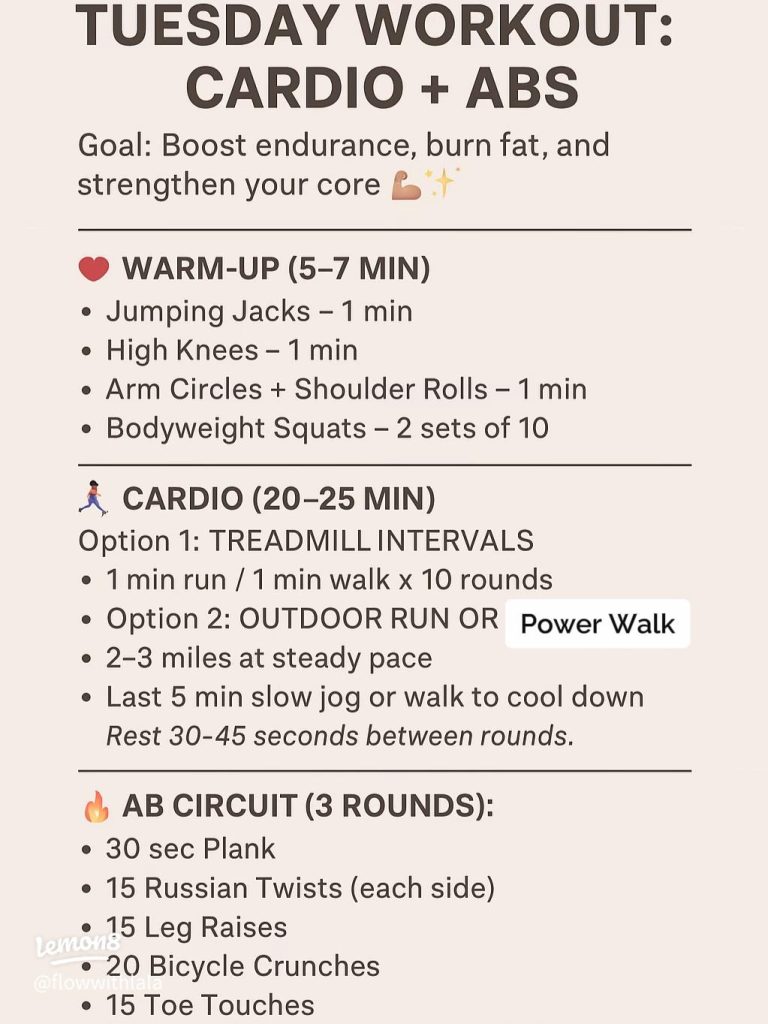
Ever wondered why some people can run for miles without breaking a sweat while others struggle to catch their breath after a quick jog? The secret lies in endurance.
If you’re looking to boost your stamina and improve your overall fitness, you might be asking yourself, “How many minutes of cardio do I need for endurance? ” Understanding the right balance of cardio can transform your workouts and push your limits further than you imagined.
You’ll discover the optimal amount of cardio minutes tailored just for you. Get ready to unlock the potential of your cardiovascular system and elevate your endurance to new heights. Keep reading, because the answers you find here could change the way you approach your fitness routine forever.

Credit: www.instagram.com
Benefits Of Cardio For Endurance
Cardio boosts endurance by strengthening the heart and lungs. Aim for at least 30 minutes daily to enhance stamina and energy levels. Regular sessions improve muscle efficiency, making physical activities easier over time.
Cardio exercises have long been hailed for their ability to boost endurance, and the benefits are plentiful. From enhancing your stamina to improving heart health, regular cardio can be a game-changer in your fitness journey. Imagine conquering that steep hiking trail with ease or effortlessly keeping up with your energetic kids. These real-life scenarios highlight the practical benefits of cardio for endurance. But how much should you actually do to reap these rewards?Increased Stamina And Energy Levels
Cardio workouts are like fuel for your body. They enhance your stamina, allowing you to tackle daily tasks with vigor. Have you ever noticed how you feel more energized after a brisk walk or a jog? That’s the magic of cardio. By incorporating regular cardio sessions, you build a reservoir of energy, making you feel less fatigued throughout the day. It’s like getting an energy upgrade without the caffeine jitters.Improved Heart Health
Your heart benefits immensely from cardio exercises. Each beat becomes more efficient, pumping blood with greater ease. Imagine your heart as a well-oiled machine, humming along without strain. Regular cardio strengthens this vital organ, reducing the risk of heart disease and improving overall cardiovascular health. So, while you’re out there breaking a sweat, your heart is quietly thanking you.Enhanced Mental Well-being
Cardio isn’t just about physical gains; it’s a mental booster too. Have you ever felt the post-exercise euphoria? That’s your body releasing endorphins, the feel-good hormones. Regular cardio can help reduce stress, anxiety, and even symptoms of depression. It’s like giving your mind a breath of fresh air, leaving you feeling more relaxed and focused.Weight Management
Struggling with weight issues? Cardio can be your ally. It helps burn calories efficiently, aiding in weight management. Whether you prefer cycling, running, or swimming, cardio activities are effective in shedding those extra pounds. Picture yourself fitting into that old pair of jeans again. Regular cardio can make this a reality, boosting your confidence along the way.Social Opportunities
Cardio can be a social affair. Joining a running club or attending group fitness classes opens doors to new friendships. Imagine bonding with others over shared sweat and goals. The camaraderie can be uplifting and motivating. Who knows, you might find a workout buddy who shares your passion for fitness and endurance.Practical Tips For Effective Cardio
Wondering how to start or improve your cardio routine? Here are some practical tips:- Set realistic goals to avoid burnout and stay motivated.
- Mix different cardio exercises to keep things interesting.
- Track your progress to see how far you’ve come.
- Stay hydrated and maintain a balanced diet for optimal performance.
Optimal Cardio Duration
Understanding the optimal duration for cardio can enhance endurance. Your goals and fitness level define the right balance. How long you exercise impacts your stamina and results. Let’s explore the ideal time you should dedicate to cardio for endurance.
Minimum Time For Results
Even short cardio sessions can build endurance. Aim for at least 30 minutes. This can be brisk walking, cycling, or swimming. Consistency is key. It matters more than the activity.
Balancing Intensity And Duration
Finding the right balance is crucial. High intensity means shorter sessions. Low intensity allows longer workouts. Mix both for better endurance. It keeps the routine interesting. Your body will adapt over time. Adjust the intensity as you progress.
Types Of Cardio Workouts
Endurance training relies heavily on various types of cardio workouts. Each type offers unique benefits and helps build stamina. Understanding these workouts is crucial for effective endurance training.
Steady-state Cardio
Steady-state cardio involves maintaining a constant pace. Activities like jogging, cycling, or swimming fit well here. This workout is ideal for those building basic endurance. It improves cardiovascular health and burns calories steadily. It’s great for beginners who need a manageable routine.
High-intensity Interval Training
High-Intensity Interval Training (HIIT) alternates between intense bursts and rest periods. This workout boosts endurance and burns calories quickly. It demands hard effort but offers significant results. It increases stamina in a shorter time compared to steady-state cardio. Perfect for those with limited workout time.
Factors Affecting Cardio Needs
Determining the right amount of cardio for endurance is essential. Several factors influence how much cardio you need. These factors ensure you get the most out of your workouts.
Individual Fitness Levels
Your current fitness level is a key factor. Beginners might start with shorter sessions. Experienced athletes can handle longer durations. Listening to your body is crucial. This prevents overtraining and injuries.
Age And Health Considerations
Age plays a significant role in cardio needs. Younger individuals often have more stamina. Older adults may require adjustments. Health conditions also impact your cardio routine. Consult with a healthcare provider before starting. This ensures safety and effectiveness.
Creating A Cardio Routine
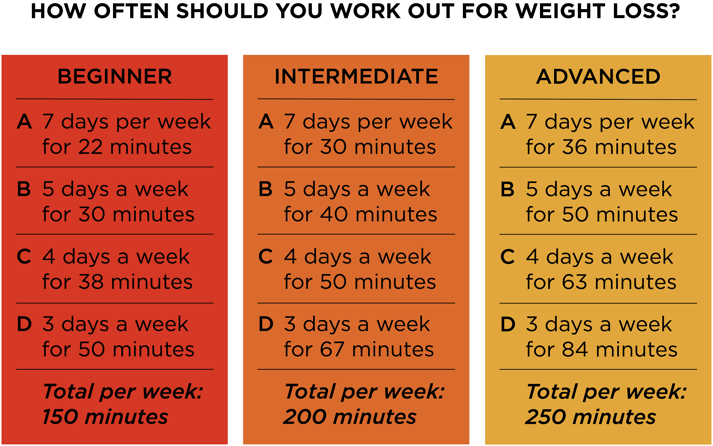
Building endurance through cardio requires consistency. Aim for at least 150 minutes of moderate-intensity cardio weekly. Break it into 30-minute sessions, five times a week. Adjust intensity to match fitness levels and goals.
Creating a cardio routine is essential for building endurance and achieving fitness goals. Whether you’re aiming to run a marathon or simply want to boost your stamina, a structured plan can make all the difference. It’s not just about how long you spend on cardio each day, but how you distribute it throughout the week. Let’s dive into crafting a sustainable and effective cardio schedule that balances effort with recovery.Weekly Schedule
Building a weekly cardio schedule requires balancing intensity and duration. Start by determining how many days a week you can dedicate to cardio. For beginners, aim for three to four days, while seasoned athletes might target five or six days. Consider mixing different types of cardio exercises, such as running, cycling, or swimming. This keeps workouts engaging and works different muscle groups. Adjust your workout time based on your goals. If endurance is your aim, gradually increase your cardio sessions to 45-60 minutes. Remember, consistency is key; sticking to your plan will yield better results than sporadic workouts.Incorporating Rest Days
Rest days are as crucial as workout days for endurance building. Your muscles need time to recover and repair, which helps prevent injuries and burnout. Determine how many rest days you need based on your fitness level and workout intensity. Use rest days for active recovery. Engage in low-intensity activities like walking or yoga to keep your body moving without straining it. Reflect on your progress during these days. Are you noticing increased stamina or less fatigue? Adjust your routine if necessary, ensuring you remain challenged without overexerting yourself.
Credit: www.tiktok.com
Tracking Progress And Adjustments
Tracking progress and making adjustments is key to improving endurance. Aim for at least 150 minutes of cardio each week. Regularly evaluate your performance and tweak your routine to enhance results.
Tracking your progress in cardio endurance is essential for improvement. It helps identify what’s working and what needs change. Regular monitoring ensures you’re on the right path. Adjustments keep the routine effective and engaging. Below are ways to track progress and make necessary changes.Using Fitness Apps
Fitness apps offer a simple way to track cardio workouts. They provide data on time, distance, and calories burned. Many apps allow setting goals and reminders. You can analyze trends over weeks or months. This helps in understanding progress and areas for improvement. Choose an app that suits your needs and preferences.Listening To Your Body
Your body gives important signals during workouts. Pay attention to fatigue levels and breathing patterns. If you feel overly tired, it might be time to rest. Notice improvements in stamina and recovery time. These signs indicate progress in endurance. Adjust your routine based on these observations. This ensures a balanced and effective cardio plan.Common Mistakes To Avoid
When it comes to building endurance through cardio, it’s crucial to recognize the common mistakes that can hinder your progress. Many enthusiasts dive in headfirst without considering the potential pitfalls that could lead to burnout or injury. Understanding these errors can make your journey more effective and enjoyable.
Overtraining Risks
One of the most common errors is overtraining. It’s easy to think that more cardio means more endurance. However, pushing your body too hard can lead to fatigue, injury, and even a decrease in performance. Your body needs time to recover and adapt to new stress levels. Balance is key, so listen to your body and incorporate rest days into your routine.
Consider this: have you ever felt drained rather than energized after a workout week? This could be a sign you’re overdoing it. Monitor your progress and adjust your cardio minutes accordingly, ensuring you’re not tipping the scale towards exhaustion.
Ignoring Proper Nutrition
Another mistake is ignoring the role of nutrition in endurance training. You can’t out-train a poor diet. Without the right fuel, your body struggles to perform and recover effectively. Prioritize a balanced diet rich in carbohydrates, proteins, and healthy fats to support your cardio sessions.
Reflect on your eating habits: are you consuming enough nutrients to sustain your workouts? Consider tracking your meals and adjusting your intake to match your activity level. This small change can significantly impact your endurance journey.
Credit: www.chicagoathleticclubs.com
Frequently Asked Questions
How Many Minutes Of Cardio Is Optimal?
For endurance, aim for 150 minutes of moderate cardio weekly. This can include walking, cycling, or swimming. Divide into 30-minute sessions over five days. Adjust according to fitness levels and goals. Consistency is key to building endurance effectively.
Can I Build Endurance With 30 Minutes Daily?
Yes, 30 minutes of daily cardio can enhance endurance. Focus on moderate-intensity activities like jogging or cycling. Consistent efforts lead to improved cardiovascular health. Ensure to include rest days to allow recovery. This balance helps sustain long-term endurance improvements.
Is 60 Minutes Of Cardio Too Much?
For most, 60 minutes of cardio isn’t excessive. It can significantly boost endurance and cardiovascular health. Ensure you’re not overtraining by listening to your body. Vary intensity and activity type to prevent burnout. This approach helps in maintaining a balanced exercise routine.
What Type Of Cardio Best Improves Endurance?
Running, cycling, and swimming are excellent for endurance. These activities involve continuous, rhythmic movements. They effectively improve cardiovascular and muscular endurance. Choose an activity that you enjoy and can sustain long-term. Consistent practice leads to better endurance results.
Conclusion
Finding the right cardio duration boosts endurance effectively. Aim for consistency and gradual increase in time. Start with manageable minutes, then extend as stamina grows. Listen to your body, it signals when to rest or push. Mix different cardio types to keep workouts fun and challenging.
Enjoy the journey of building endurance step by step. Stay motivated and patient; results come with dedication. Share your progress with friends to inspire each other. Remember, every minute counts towards a healthier, stronger you. Keep moving forward and celebrate small victories along the way.