
Are you tired of running out of breath before reaching your stride? Imagine feeling unstoppable as you glide effortlessly through your runs, with energy to spare.
Improving your cardio endurance for running isn’t just a dream—it’s a reality you can achieve. With the right techniques, you can transform your running experience and unlock your true potential. This guide will show you exactly how to boost your cardio endurance, so you can run longer, faster, and with more confidence.
Keep reading to discover the secrets that seasoned runners swear by, and take the first step toward becoming the runner you’ve always wanted to be.
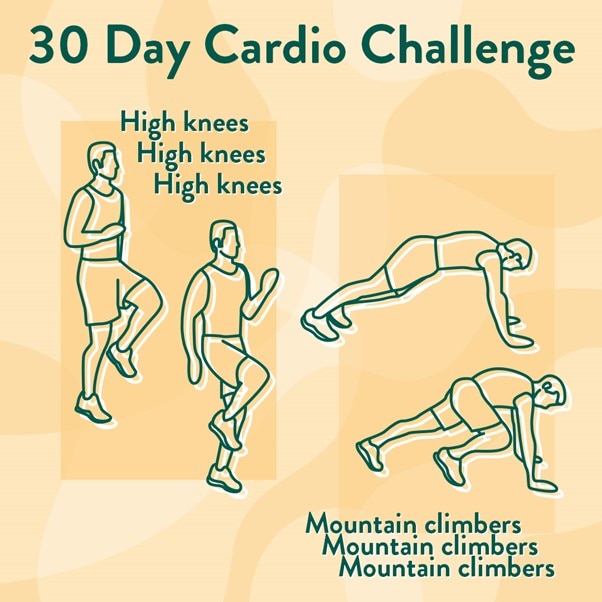
Credit: www.hollandandbarrett.com
Benefits Of Cardio Endurance
Improving cardio endurance enhances running performance and boosts heart health. Regular practice increases stamina, allowing longer and more efficient runs. Consistent training also supports weight management and reduces stress, making it a vital part of a balanced fitness routine.
Improving cardio endurance for running offers numerous benefits. It strengthens the heart, allowing it to pump blood more efficiently. This means more oxygen reaches your muscles, boosting performance and reducing fatigue. Enhanced endurance also aids in weight management, as it increases calorie burn. Moreover, it supports mental health by reducing stress and anxiety. Training your cardiovascular system leads to better overall health, improving daily activities and energy levels.Improved Heart Health
Cardio endurance strengthens the heart muscle. A stronger heart pumps blood more effectively. This reduces the risk of heart disease. It also lowers cholesterol and blood pressure.Increased Energy Levels
With better cardio endurance, daily activities become easier. You feel less tired during the day. More energy means you can enjoy activities longer.Enhanced Mental Well-being
Running boosts mood and reduces stress. It releases endorphins, the body’s natural mood elevators. Regular cardio can help combat anxiety and depression.Better Weight Management
Cardio workouts burn calories efficiently. They help in maintaining a healthy weight. Running regularly supports weight loss and prevents weight gain.Improved Lung Capacity
Cardio exercises strengthen the lungs. They increase oxygen intake, helping you breathe better. This is vital for endurance sports like running.Boosted Immune System
Regular cardio improves immune function. It helps the body fend off illnesses. A strong immune system is crucial for overall health.Setting Realistic Goals
Set specific milestones to track your progress in improving cardio endurance for running. Gradually increase distance and pace, allowing your body time to adapt. This approach helps maintain motivation and prevents burnout.
Setting realistic goals is a crucial aspect of improving your cardio endurance for running. Without clear objectives, you might find yourself overwhelmed and discouraged. Realistic goals provide you with a structured path, transforming a daunting challenge into achievable steps. This process not only enhances your physical abilities but also boosts your motivation and confidence as you see tangible progress.Evaluate Your Current Fitness Level
Before setting goals, understand where you stand. Are you running comfortably for 10 minutes, or do you struggle after five? Knowing your baseline helps you set attainable targets. Consider recording your current run times and distances. This gives you a concrete starting point to measure improvement.Define Your Purpose
Why do you want to improve your cardio endurance? Is it to complete a 5K race or to enhance overall health? Having a clear purpose keeps you focused. If your goal is to run a marathon, your training will differ from someone aiming to shed a few pounds. Tailor your goals to fit your personal needs.Break Down Your Goals
Big goals can be intimidating, but breaking them into smaller, manageable milestones makes them achievable. If your ultimate aim is to run a marathon, start with shorter distances like a 5K, then gradually build up. Celebrate these small victories—they add up over time and keep you motivated.Set A Realistic Timeline
Improvement doesn’t happen overnight. Set a timeline that allows for gradual progress. How many weeks or months do you need to reach your goal? Rushing can lead to burnout or injury. Give yourself ample time to adapt to increasing distances and intensities.Adjust Goals As Needed
Life happens—injuries, busy schedules, or unexpected events can derail your plans. Be flexible and ready to adjust your goals. If you can’t run five days a week, aim for three instead. It’s better to maintain consistency than to quit altogether.Track Your Progress
Keep a journal or use a fitness app to record your runs. Document distances, time, and how you feel after each session. Seeing progress on paper boosts your confidence and provides insights into what works best for you. Are you improving in speed or endurance? Tracking helps you answer such questions. Setting realistic goals is about striking a balance between ambition and achievability. Have you set your running goals yet? What steps will you take today to start your journey?Choosing The Right Training Plan
Choosing the right training plan is crucial for improving your cardio endurance for running. The perfect plan should be tailored to your current fitness level, goals, and schedule. Mixing different types of runs can help you build endurance, speed, and strength efficiently. So, how do you choose the right training plan that keeps you motivated and on track?
Interval Training
Interval training involves alternating between high-intensity and low-intensity running. This type of workout can significantly boost your cardiovascular fitness and running performance. Imagine running at your fastest pace for one minute, then jogging slowly for two minutes. Repeat this cycle to keep your heart rate elevated while allowing brief recovery periods.
Intervals can be adapted to suit your needs. If you’re a beginner, start with shorter intervals and gradually increase the intensity as your endurance improves. This form of training not only improves your speed but also helps in burning calories faster. What if you could shave off precious minutes from your race time?
Long Slow Distance Runs
Long slow distance (LSD) runs are the backbone of many training plans. They focus on running longer distances at a comfortable pace. These runs build your aerobic base and stamina. Picture yourself on a scenic route, where the goal is to keep going, not to push your limits.
Typically, LSD runs are done once a week, gradually increasing the distance as your endurance builds. They are crucial for preparing your body for the fatigue that comes with long races. Could you imagine the thrill of crossing the finish line feeling strong and steady?
Tempo Runs
Tempo runs are all about maintaining a challenging but sustainable pace. They help enhance your lactate threshold, allowing you to run faster for longer periods. Think of tempo runs as the sweet spot between easy jogs and all-out sprints.
A typical tempo run might start with a warm-up, followed by a sustained run at a comfortably hard pace, and finishing with a cool-down. It’s a workout that trains your body and mind to sustain effort without burning out. How would it feel to effortlessly glide through your next race?
Incorporating Cross-training
Enhance cardio endurance by mixing various exercises. Cycling, swimming, and strength training boost stamina and muscle strength. This approach diversifies your routine, preventing monotony and reducing injury risk.
Incorporating cross-training into your running routine is a smart way to enhance cardio endurance. It breaks the monotony of running, reduces injury risk, and boosts overall fitness. Let’s explore how different activities can complement your running and keep you motivated.Cycling
Cycling is an excellent low-impact exercise that builds cardiovascular stamina. It strengthens the leg muscles, particularly the quadriceps, without the heavy pounding on joints experienced in running. Try swapping one of your weekly runs with a cycling session, either outdoors or on a stationary bike, to give your body a break while still improving endurance.Swimming
Swimming engages almost every muscle group, providing a full-body workout while enhancing lung capacity. The resistance of the water helps build strength and endurance without stressing the joints. Consider adding a swim workout to your routine once a week to boost your cardiovascular health and enjoy a refreshing change of pace.Strength Training
Strength training is crucial for building muscle and improving running efficiency. It helps prevent injuries by strengthening muscles and connective tissues. Focus on exercises like squats, lunges, and deadlifts, which target the lower body, as well as core exercises like planks. Incorporate strength training two to three times a week to see noticeable improvements in your running endurance. How do you keep your cardio routine exciting and effective? Share your experiences or give these cross-training methods a try to elevate your running game.Importance Of Proper Nutrition
Improving cardio endurance for running requires more than just practice. Proper nutrition plays a crucial role in boosting your performance and recovery. Eating the right foods can provide the energy needed for a successful run. It helps maintain stamina and speed, while aiding muscle repair afterward. Knowing what and when to eat is essential for maximizing your running potential.
Pre-run Meals
Fueling your body before a run is vital. Choose meals rich in carbohydrates for sustained energy. Consider options like oatmeal, bananas, or whole-grain toast. These foods are easy to digest and provide quick energy. Avoid heavy or fatty foods which can cause discomfort during exercise.
Hydration Tips
Staying hydrated is key to maintaining endurance. Drink water throughout the day, especially before and during your run. Electrolyte drinks can help replenish lost minerals. Avoid sugary drinks which may lead to dehydration. Listen to your body’s thirst signals to keep your fluid levels balanced.
Post-run Recovery
Recovery nutrition helps repair and build muscles. Focus on protein-rich foods like chicken, fish, or beans. Adding carbohydrates aids in replenishing energy stores. Consider a balanced meal with lean protein and vegetables within an hour of finishing. Hydrate well to assist in the recovery process. Rest and nutrition work together to enhance endurance over time.

Credit: m.facebook.com
Monitoring Progress And Adjustments
Tracking your running sessions helps identify areas for improvement in cardio endurance. Adjusting pace and distance gradually enhances performance. Regular monitoring keeps progress on track.
Improving cardio endurance for running is not just about hitting the pavement day after day. It’s also about being smart with how you monitor your progress and make necessary adjustments. By tracking your performance, modifying your workouts, and listening to your body, you can make tangible improvements in your running endurance. Here’s how to ensure you’re on the right path.Tracking Performance
Tracking your performance is crucial for understanding your progress. Use a running app or a fitness tracker to monitor key metrics like distance, pace, and heart rate. Keeping a log of your runs helps identify patterns and areas that need improvement. Consider noting how you feel after each run, as this can give insights into your endurance levels. Setting specific, measurable goals can make your progress tangible. If your goal is to run a 5K in under 30 minutes, track how close you are to achieving it each week.Adjusting Workouts
As you track your performance, be ready to adjust your workouts. If you notice that your pace is slowing, incorporate interval training to boost speed and stamina. Mix up your routine to challenge different muscle groups and prevent boredom. Include cross-training activities like cycling or swimming to improve overall fitness without overworking your running muscles. Remember, progress isn’t always linear. If you’re feeling fatigued, it might be time to scale back slightly to allow your body to recover.Listening To Your Body
Listening to your body is one of the most important aspects of improving endurance. Pay attention to signs of overtraining, such as persistent fatigue or muscle soreness. Don’t ignore pain. While some discomfort is normal, sharp or persistent pain can indicate an injury that needs attention. Ask yourself, how do you feel after a workout? Energized or drained? Adjust your routine based on these cues to ensure you’re moving in the right direction. Trusting your body’s signals can help prevent burnout and keep your running journey enjoyable and sustainable.Mental Strategies For Endurance
Running requires more than physical strength; it demands mental endurance too. The mind can be a powerful ally in pushing through tough runs. Developing mental strategies enhances your ability to sustain effort and overcome challenges. Here are some techniques to boost your mental stamina for running.
Visualization Techniques
Picture yourself crossing the finish line. See yourself running smoothly and effortlessly. Visualization builds confidence and prepares your mind for success. Imagine the path, your breath, and each stride. This practice helps in reducing anxiety and enhancing focus.
Breathing Exercises
Consistent breathing stabilizes your heart rate and calms your mind. Try inhaling deeply through your nose and exhaling through your mouth. Focus on a steady rhythm. Controlled breathing enhances oxygen flow, reducing fatigue and improving concentration.
Staying Motivated
Set small, achievable goals. Celebrate each milestone. Motivation fuels endurance and keeps you moving forward. Listen to uplifting music or podcasts. Positive distractions help in maintaining a steady pace. Remember why you started, and keep that reason close. A strong purpose drives perseverance.

Credit: www.womenshealthmag.com
Avoiding Common Mistakes
Improving cardio endurance for running requires more than just hitting the pavement daily. Many runners unknowingly sabotage their progress by making common mistakes that hinder rather than help. Recognizing and sidestepping these pitfalls can make all the difference in your endurance journey.
Overtraining Risks
It’s easy to assume that more miles equal better endurance. However, pushing your body beyond its limits can lead to fatigue and injury. Instead of cramming your schedule with intense runs, balance your routine with varied workouts. Mix in cycling or swimming to give your muscles a break while still enhancing your stamina. Remember, quality trumps quantity.
Ignoring Rest Days
Rest days are not just a luxury; they’re essential for recovery. Your body needs time to repair and strengthen after intense sessions. Avoid the temptation to skip rest days in favor of squeezing in extra miles. Use this time to stretch, meditate, or engage in light activities that refresh your mind and body. How much more could you achieve if you valued rest as much as training?
Poor Footwear Choices
Wearing the wrong shoes can sideline your running ambitions fast. Invest in quality footwear that supports your arch and absorbs impact. Consider visiting a specialist store where you can get advice tailored to your foot shape and running style. Think about how much more enjoyable runs could be with the right pair cushioning your every step.
Utilizing Technology And Gadgets
In today’s fast-paced world, technology has become an integral part of our daily routines, including fitness. Harnessing the power of gadgets and apps can significantly boost your cardio endurance for running. From tracking your progress to optimizing your workouts, these tools offer invaluable insights that can enhance your running performance.
Fitness Trackers
Fitness trackers are your personal running companions that provide real-time data on your activity levels. They monitor steps, distance, and calories burned, giving you a clear picture of your progress. Imagine having a device that celebrates every milestone with you, pushing you to go that extra mile.
Most trackers come with GPS capabilities, allowing you to map your routes and discover new trails. They often sync with your smartphone, offering a seamless experience to review your statistics and set new goals. Have you considered how seeing your progress can motivate you to push harder?
Running Apps
Running apps are like having a coach in your pocket. They offer personalized training plans tailored to your fitness level and goals. Whether you’re a beginner or a seasoned runner, there’s an app to guide you through every step of your journey.
Many apps provide audio feedback, keeping you informed without breaking your stride. This hands-free approach lets you stay focused while getting the necessary cues to adjust your pace. Isn’t it intriguing how a simple notification can make all the difference in your performance?
Heart Rate Monitors
Heart rate monitors provide insights into how hard your heart is working during a run. By keeping track of your heart rate, you can ensure you’re training in the optimal zone for improving endurance. This data helps you adjust your intensity to avoid overtraining or undertraining.
Wearing a heart rate monitor can also help you understand how your body responds to different terrains or weather conditions. It’s a game-changer when it comes to fine-tuning your training strategy. Ever wondered how listening to your heart could lead to better results?
Embrace these technological tools to enhance your running experience and achieve your cardio endurance goals. What gadget will you try on your next run?
Frequently Asked Questions
How Can I Start Improving Cardio Endurance?
Begin with consistent, moderate-intensity workouts like brisk walking or cycling. Gradually increase duration and intensity each week. Incorporate interval training to boost stamina. Ensure proper warm-ups and cool-downs to prevent injury. Stay hydrated and maintain a balanced diet to support your endurance training.
What Are The Best Exercises For Cardio Endurance?
Running, cycling, and swimming are excellent for cardio endurance. Include activities like jump rope and rowing for variety. High-intensity interval training (HIIT) can also significantly improve endurance. Regularly changing exercises keeps workouts engaging and challenges different muscle groups, enhancing overall cardiovascular fitness.
How Often Should I Train For Endurance?
Aim for at least three to five days a week. Consistency is key to building endurance. Balance intense sessions with rest days to prevent overtraining. As endurance improves, gradually increase the intensity and duration. Listen to your body and adjust your schedule as needed.
How Long Does It Take To Improve Endurance?
Noticeable improvements in endurance can occur within four to six weeks. Progress depends on individual fitness levels and consistency in training. Regular workouts and a balanced diet support faster improvements. Patience and perseverance are essential to achieving long-term endurance goals.
Conclusion
Improving cardio endurance takes time and practice. Start with small goals. Gradually increase your running distance. Focus on consistent training. Listen to your body for signs of fatigue. Rest is crucial for recovery. Maintain a balanced diet for energy. Stay hydrated to keep your muscles working.
Mix up your workouts to avoid boredom. Try cross-training activities like cycling or swimming. Keep track of your progress. Celebrate small achievements. Stay motivated by running with friends. Remember, every step counts towards better endurance. Keep pushing your limits. Enjoy the journey to becoming a stronger runner.