
Are you wondering how often you should do cardio to boost your cardiovascular endurance? You’re not alone.
Many people grapple with finding the right balance between too little and too much exercise. The secret to enhancing your endurance isn’t just about the number of hours you sweat; it’s about understanding your body, setting the right goals, and creating a routine that fits seamlessly into your life.
Imagine effortlessly climbing stairs without losing your breath or joining friends for a spontaneous hike without hesitation. These aren’t just dreams; they’re achievable realities when you optimize your cardio routine. By the end of this article, you’ll discover the perfect cardio schedule tailored to your lifestyle, ensuring you not only meet but exceed your endurance goals. So, are you ready to transform your fitness journey and unlock a healthier, more vibrant you? Dive in, and let’s explore the best cardio practices for maximizing your cardiovascular endurance.
Credit: www.chicagoathleticclubs.com
Benefits Of Cardio
Boosting cardiovascular endurance requires regular cardio exercise. Aim for 150 minutes a week, spread over most days. Mix activities like walking, cycling, or swimming to keep it interesting and effective.
Cardio exercises are more than just a tool for burning calories; they are a gateway to a healthier lifestyle. Incorporating regular cardio into your routine offers a plethora of benefits that extend beyond the physical aspect. Whether it’s improving heart health, managing weight, or boosting mental well-being, cardio serves as a comprehensive solution to enhance your overall quality of life. Dive into the specific benefits that make cardio an essential component of your fitness regimen.Heart Health
Engaging in regular cardio strengthens your heart muscle, allowing it to pump blood more efficiently. This leads to improved circulation and a lower resting heart rate, which means your heart doesn’t have to work as hard during daily activities. Imagine the peace of mind knowing that your heart is thriving, reducing the risk of heart diseases and enhancing your longevity.Weight Management
Cardio is a powerful ally in the battle against unwanted weight. It helps you burn calories and shed those extra pounds, while also maintaining a healthy weight. By doing activities you enjoy, like cycling or swimming, you make weight management a sustainable part of your lifestyle.Mental Well-being
Have you ever felt a rush of happiness after a good jog? That’s the magic of cardio boosting your mood. Cardio exercises release endorphins, the body’s natural feel-good hormones, helping you combat stress and anxiety. They provide a mental escape, clearing your mind and offering a fresh perspective on challenges. How often do you prioritize your mental well-being through physical activity?
Credit: www.powertrain.com.au
Types Of Cardio Workouts
Cardio workouts vary from running and cycling to swimming and dance. Aim for 150 minutes weekly to boost cardiovascular endurance. Mix moderate and intense sessions for best results.
Cardio workouts boost cardiovascular endurance. They strengthen the heart and lungs. There are various types of cardio exercises. Each offers unique benefits and challenges. Choosing the right type can improve your fitness journey.Running And Jogging
Running and jogging are popular cardio activities. They are simple and effective. You can do them almost anywhere. Running increases heart rate and burns calories. Jogging is easier on the joints. It is great for beginners.Cycling
Cycling is another excellent cardio workout. It strengthens your lower body. It is low-impact, making it easier on the knees. You can cycle outdoors or use a stationary bike. Both options are effective.Swimming
Swimming is a full-body workout. It engages all major muscle groups. It is also gentle on the joints. Swimming builds endurance and improves flexibility. It is suitable for all fitness levels.Hiit
HIIT stands for High-Intensity Interval Training. It involves short bursts of intense activity. This is followed by rest periods. HIIT can be done with various exercises. It improves endurance and burns fat quickly.Factors Affecting Cardio Frequency
Determining cardio frequency depends on several key factors. Personal fitness goals, current endurance levels, and available time shape your routine. Tailoring these elements helps increase cardiovascular endurance effectively.
Understanding how often you should engage in cardio to boost your cardiovascular endurance isn’t just about picking a random number of days per week. Various factors influence your ideal cardio frequency. Knowing these can help tailor a workout routine that aligns with your unique needs and helps you achieve your fitness goals more effectively.Fitness Goals
Your fitness goals play a significant role in determining how often you should do cardio. If your primary aim is weight loss, you might find more frequent cardio sessions beneficial. On the other hand, if you’re training for a marathon, your focus will be more on longer, endurance-building sessions rather than frequency.Current Fitness Level
Your existing fitness level can greatly affect how often you should perform cardio exercises. Beginners might start with two to three days a week to avoid burnout and injury. If you’re more advanced, you may be able to handle up to six sessions a week, balancing intensity with rest days.Age And Health Conditions
Age and health conditions are crucial factors to consider in your cardio routine. Younger individuals may recover quicker and manage more frequent sessions. However, if you have health conditions or are older, you might need to adjust the intensity and frequency to ensure safety and optimal results. Engage with your body and listen to its signals. Are you feeling energized or worn out after a cardio session? Adjust your routine based on these insights to find the right balance for you.Recommended Cardio Frequency
Cardiovascular endurance is crucial for overall health and fitness. Regular cardio can boost heart health and stamina. But how often should you do cardio to improve? The answer varies based on fitness levels. Let’s explore the recommended frequency for different groups.
Beginners
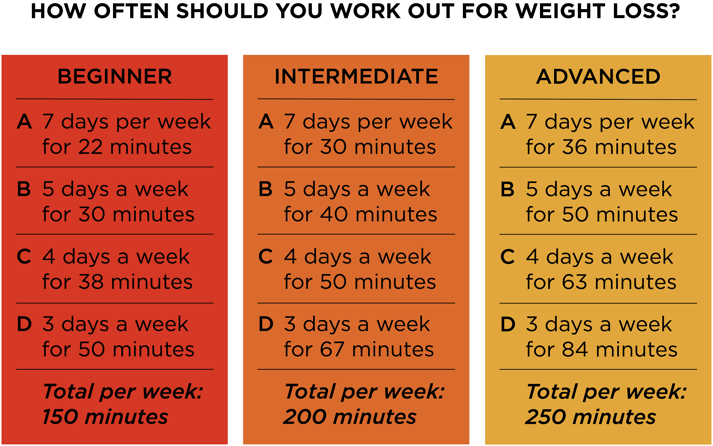
Beginners should aim for cardio 3 times a week. Start with 20-30 minute sessions. Choose low-impact activities like walking or cycling. These sessions build a solid foundation. Gradually increase intensity as you feel comfortable.
Intermediate Exercisers
Intermediate exercisers can handle more. Aim for 4-5 sessions per week. Each session should last 30-45 minutes. Mix up activities like running, swimming, or group classes. This variety prevents boredom and boosts motivation.
Advanced Athletes
Advanced athletes require more intense training. Aim for 5-6 sessions weekly. Include high-intensity interval training (HIIT) for best results. Sessions can range from 45-60 minutes. Listen to your body to prevent overtraining.
Balancing Cardio With Strength Training
Balancing cardio and strength training boosts cardiovascular endurance. Aim for cardio sessions three to five times a week. Vary intensity and duration to keep workouts engaging.
Balancing cardio with strength training is essential for optimal fitness. Cardio exercises boost heart health. Strength training builds muscle and enhances endurance. Combining both creates a well-rounded routine. This balance prevents workout monotony and overuse injuries. It also promotes overall health.Benefits Of Strength Training
Strength training offers many advantages. It increases muscle mass and boosts metabolism. Strong muscles support joints and prevent injuries. It also improves posture and balance. These benefits enhance daily activities and athletic performance.Creating A Balanced Routine
A balanced routine includes both cardio and strength exercises. Start with three cardio sessions per week. Add two strength training days. Vary the intensity and duration for each workout. Focus on different muscle groups each day. This keeps the routine fresh and engaging.
Credit: health.clevelandclinic.org
Signs Of Overtraining
Feeling constant fatigue and experiencing poor performance can indicate overtraining. Frequent illnesses and persistent soreness might also suggest your body needs rest. Balancing cardio sessions to prevent these signs is key to boosting cardiovascular endurance safely.
Recognizing the signs of overtraining is crucial for anyone aiming to improve their cardiovascular endurance through regular cardio workouts. It’s easy to get caught up in the excitement of pushing your limits, but doing too much can lead to setbacks rather than progress. Understanding how your body reacts to overtraining will help you maintain a balanced routine and achieve your fitness goals effectively.Fatigue And Exhaustion
Feeling tired after a workout is normal, but constant fatigue and exhaustion are red flags. If you find yourself struggling to get out of bed or feeling drained throughout the day, it might be time to reassess your cardio schedule. I once fell into the trap of daily intense cardio sessions, only to realize my energy levels were plummeting. You should listen to your body’s signals and allow for adequate rest to recover fully. Ask yourself, are you getting enough downtime between workouts?Injury And Soreness
Persistent soreness and frequent injuries can be clear indicators of overtraining. While a bit of muscle soreness is expected, ongoing pain and recurring injuries should not be ignored. When I pushed myself too hard, I ended up with a strained calf that kept me off my feet for weeks. Reflect on whether your cardio routine is leaving you more prone to injuries. Consider adjusting the intensity or duration of your workouts to protect your body and ensure longevity in your fitness journey. Are you prioritizing recovery and listening to your body’s needs?Tips For Effective Cardio Workouts
Improving cardiovascular endurance through effective cardio workouts can dramatically boost your energy levels and overall health. However, it’s essential to approach your cardio routine strategically to maximize results. Here are some actionable tips to ensure your workouts are both effective and enjoyable.
Setting Realistic Goals
Begin by setting achievable goals that align with your current fitness level. Consider factors like your schedule, physical condition, and long-term objectives. If you’re new to cardio, you might start with shorter sessions and gradually increase the duration and intensity. What goals will keep you motivated without overwhelming you?
Tracking Progress
Monitoring your progress keeps you accountable and lets you see how far you’ve come. Use a fitness app or a simple journal to record your workouts, noting duration, intensity, and how you feel afterward. Seeing improvement, such as longer distances or faster speeds, can be incredibly motivating. How will you track your journey?
Staying Motivated
Maintaining motivation can be challenging, but mixing up your routine can keep things fresh. Try different types of cardio like running, cycling, or swimming to avoid monotony. Set mini-goals to celebrate small victories along the way. What motivates you to lace up your shoes and hit the ground running?
Frequently Asked Questions
How Often Should You Do Cardio Weekly?
For optimal cardiovascular endurance, aim for at least 150 minutes of moderate cardio weekly. You can break this into 30-minute sessions, five days a week. Consistency is key for improving cardiovascular health and endurance. Adjust intensity and duration based on your fitness level and goals.
Is Daily Cardio Beneficial For Endurance?
Yes, daily cardio can enhance cardiovascular endurance if balanced with rest. Short, moderate sessions help maintain stamina without overtraining. Listen to your body and adjust intensity to avoid burnout. Ensure you vary workouts to prevent boredom and improve overall fitness.
Can Too Much Cardio Harm Endurance?
Excessive cardio can lead to overtraining, harming endurance and recovery. Balance cardio with strength training and rest. Listen to your body’s signals and adjust your routine accordingly. Maintaining a balanced workout plan ensures optimal cardiovascular health and performance.
What’s The Best Cardio Type For Endurance?
Running, cycling, and swimming are excellent for cardiovascular endurance. Each offers unique benefits and challenges. Choose one you enjoy to maintain consistency. Mixing different cardio types can prevent plateaus and improve overall fitness. Tailor your cardio routine to align with your personal fitness goals.
Conclusion
Finding the right cardio routine boosts heart health. Aim for regular exercise. A few days a week can make a difference. Listen to your body. Adjust intensity as needed. Mix activities for fun and variety. Running, cycling, swimming—all great choices.
Focus on consistency. Gradually increase time and effort. Keep track of progress. Celebrate small victories. Enjoy the journey towards better endurance. Stay motivated and inspired. Healthy habits lead to a stronger heart. Every step counts. Build a routine that fits your life.
Remember, it’s about steady improvement, not perfection. Stay active and enjoy better cardiovascular health!