Are you trying to lose weight but worried about losing muscle too? If you’ve ever thought about whether you can build muscle while in a calorie deficit, you’re not alone.
It might sound like a tricky balancing act, but it’s more achievable than you might think. Imagine sculpting your ideal physique while shedding those extra pounds. Intrigued? You should be. This article is your guide to unlocking the secrets of muscle growth even when you’re cutting calories.
By the end, you’ll know exactly how to fine-tune your diet and workouts to achieve both goals. Ready to discover how you can redefine your body? Keep reading to find out.
Muscle Growth Basics
Muscle growth might seem challenging in a calorie deficit. Yet, understanding the basics can help. It’s not just about lifting weights. It’s about nourishing your body right.
Role Of Protein In Muscle Building
Protein is vital for muscle repair and growth. It supplies amino acids, the building blocks of muscle tissue. Eating enough protein helps maintain muscle even in a calorie deficit. Aim for lean sources like chicken, fish, or beans.
Importance Of Resistance Training
Resistance training is key for stimulating muscle growth. Lifting weights or using resistance bands works well. This type of exercise challenges your muscles, making them stronger. Consistency matters. Train regularly for the best results.
Understanding Calorie Deficit
Understanding calorie deficit is crucial for fitness enthusiasts. It occurs when you consume fewer calories than your body burns. This leads to weight loss as the body uses stored fat for energy. Knowing how it works helps manage diet and exercise effectively.
How Calorie Deficit Works
A calorie deficit forces the body to find energy elsewhere. It uses stored fat, leading to weight loss. Balancing calorie intake with exercise ensures muscle retention. Eating enough protein supports muscle growth even in a deficit.
Common Misconceptions
Many believe a calorie deficit means no muscle gain. This is incorrect. Muscle can be built with the right diet and exercise. Another misconception is that extreme deficits speed up results. In reality, they can harm health and reduce muscle mass.
Building Muscle While In Deficit
Building muscle while in a calorie deficit might sound like a paradox, but it’s entirely possible with the right strategy. You don’t have to sacrifice muscle growth while shedding fat. By focusing on key areas like nutrition, exercise, and recovery, you can achieve a balanced approach that supports both goals.
Balancing Nutrition And Exercise
Nutrition plays a crucial role in building muscle during a calorie deficit. Prioritize protein intake to support muscle repair and growth. Consider dividing your meals into smaller portions throughout the day to keep your metabolism active and muscles fueled.
Pair your nutritional plan with a consistent exercise routine. Strength training should be the cornerstone of your workouts. This form of exercise helps maintain muscle mass and encourages your body to use fat for energy.
Optimizing Workout Routines
Your workout routine should be structured to maximize muscle retention and growth. Focus on compound movements like squats, deadlifts, and bench presses that engage multiple muscle groups. These exercises are efficient and effective, especially when time and calories are limited.
Progressive overload is key. Gradually increase the weight you lift or the intensity of your workouts. This approach ensures continuous muscle adaptation and growth, even when your calorie intake is reduced.
Importance Of Recovery And Rest
Never underestimate the power of rest and recovery. Your muscles grow and repair during periods of rest, making it a vital component of your fitness journey. Ensure you get enough sleep each night to support muscle recovery and overall well-being.
Include rest days in your workout schedule. This doesn’t mean complete inactivity—light activities like walking or stretching can help maintain circulation and prevent stiffness. Listen to your body’s signals; if you’re feeling fatigued, a day of rest might be more beneficial than pushing through another workout.
Have you ever noticed how your body feels stronger after a good night’s sleep or a restful day? Embrace these moments as part of your muscle-building strategy.
Nutritional Strategies
Building muscle in a calorie deficit is possible with strategic nutrition. Focus on high-protein foods to support muscle growth. Balance nutrient intake to maintain energy and aid recovery.
Building muscle while in a calorie deficit might sound challenging, but with the right nutritional strategies, it’s entirely possible. Focusing on what you eat and when you eat it can make a significant difference. Implementing the right combination of nutrients helps fuel your workouts and supports muscle growth even when you consume fewer calories. Let’s dive into some key nutritional strategies that can aid you in this process.High-protein Diets
Protein is your best friend when it comes to muscle building. Consuming high-protein foods helps preserve muscle mass during a calorie deficit. Aim for lean sources like chicken, fish, or plant-based options such as lentils and beans. Are you getting enough protein throughout the day? Spreading your intake evenly across meals can enhance muscle synthesis. Consider adding a protein-rich snack like Greek yogurt or a protein shake if you find it hard to meet your daily goals.Timing Of Meals And Snacks
Eating at the right times can optimize your energy levels and muscle recovery. Consuming protein-rich meals or snacks before and after workouts ensures your muscles have the fuel they need to repair and grow. Do you ever find yourself feeling sluggish during workouts? Adjusting your meal timing can help. A small pre-workout snack, like a banana with almond butter, can boost your performance, while a post-workout meal replenishes your energy.Supplementation Considerations
Supplements can be a useful addition to your diet if you’re struggling to meet your nutritional needs through food alone. Protein powders, BCAAs, and creatine are popular choices that support muscle growth. Are supplements necessary for everyone? Not always, but they can provide that extra push you need when dietary changes aren’t enough. Ensure you choose high-quality products and consult a healthcare professional if you’re unsure. By focusing on these nutritional strategies, you can effectively support muscle growth even in a calorie deficit. What changes will you make to your diet to achieve your fitness goals?Role Of Hormones
Building muscle while in a calorie deficit can feel like an uphill battle, but understanding the role of hormones can be your secret weapon. Hormones play a pivotal role in muscle growth, and optimizing their balance can make a significant difference. Imagine your body as a complex machine where hormones are the drivers. Your daily habits and lifestyle choices can influence these drivers to work for you or against you.
Impact Of Hormonal Balance
Hormones like testosterone and growth hormone are critical for muscle growth. You might be wondering, how can you ensure these hormones are in your favor when you’re consuming fewer calories? It’s all about maintaining balance.
One effective strategy is to focus on protein-rich foods. These not only support muscle repair but also help maintain hormone levels. Regular strength training can also promote higher testosterone levels, making your workouts more effective.
But here’s the twist—overtraining can lead to hormonal imbalance. So, listen to your body. Are you pushing too hard? Sometimes, taking a step back can propel you forward in your muscle-building journey.
Managing Stress And Sleep
Stress and sleep are often overlooked, yet they are crucial to maintaining hormonal balance. Cortisol, the stress hormone, can wreak havoc on your muscle-building goals if not kept in check. How do you manage stress effectively?
Incorporating relaxation techniques like meditation or deep breathing can lower cortisol levels. This simple addition to your routine can have a profound impact on your hormonal health.
Sleep is equally important. Lack of sleep can lead to decreased levels of growth hormone, which is essential for muscle recovery and growth. Aim for quality sleep. Ask yourself, is your sleep environment conducive to rest? Sometimes, minor tweaks like a comfortable mattress or blackout curtains can make a world of difference.
Are your hormones helping or hindering your muscle-building efforts? Recognize their impact and take charge by implementing these practical tips. Your journey to building muscle in a calorie deficit can be successful with the right hormonal balance.
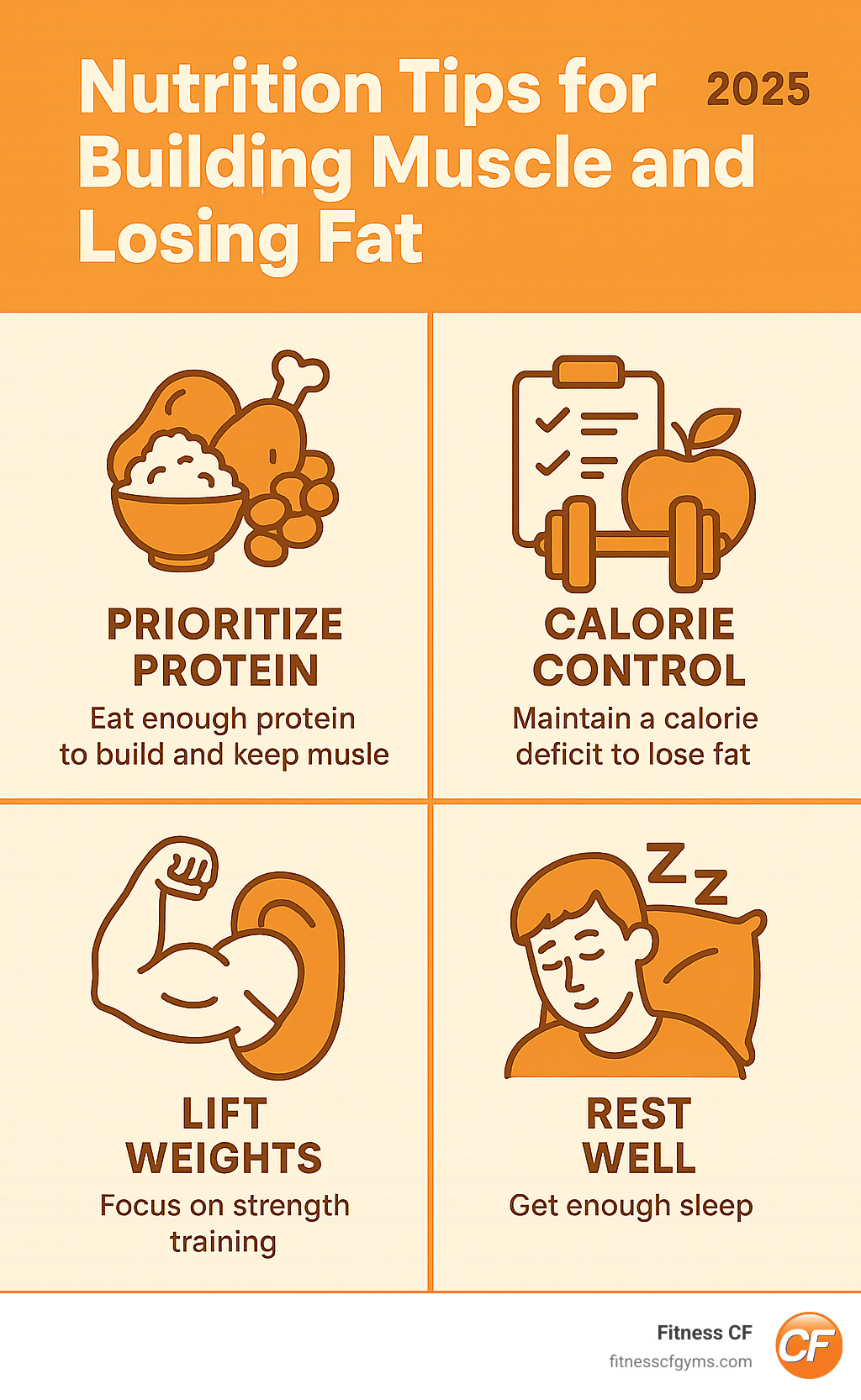
Credit: fitnesscfgyms.com
Tracking Progress
Building muscle in a calorie deficit is challenging but possible with the right approach. Focus on consuming enough protein and maintaining a consistent strength training regimen to support muscle growth. Tracking progress helps in adjusting your diet and exercise routine effectively to achieve desired results.
Tracking your progress is essential when trying to build muscle in a calorie deficit. It can be challenging, but with the right approach, you can achieve remarkable results. Understanding how to measure your strength gains and monitor your body composition can provide invaluable insights into your fitness journey.Measuring Strength Gains
Tracking strength gains is not just about lifting heavier weights. It’s also about improving your overall performance and endurance. Consider keeping a workout journal where you note the weights used, repetitions completed, and any changes in your routine. Celebrating small victories, like an extra rep or slightly heavier weights, can boost your motivation. It’s these incremental improvements that pave the way for significant muscle growth. Strength gains might not always be visible immediately, but they are crucial indicators of progress. How often do you challenge yourself to lift heavier or try new exercises?Monitoring Body Composition
Body composition is more than just weight; it’s about the balance between fat and muscle. Regularly assess your body fat percentage using tools like calipers or digital scales. Consider taking progress photos every few weeks. This visual documentation can reveal changes that scales might miss. Do you notice how your clothes fit differently? Sometimes, the mirror can be the best judge of progress. It’s about feeling stronger and healthier, not just lighter. By focusing on these measurable aspects, you can ensure that your efforts in building muscle in a calorie deficit are on the right track. What changes have you noticed in your journey?Expert Opinions
Building muscle while in a calorie deficit is possible with proper nutrition and strength training. Experts suggest focusing on protein intake and resistance exercises to maintain muscle growth. Balancing energy needs and exercise intensity helps achieve muscle gain despite fewer calories.
Building muscle while in a calorie deficit is a topic that often sparks debate among fitness enthusiasts and experts alike. Many people wonder if it’s truly possible to gain muscle when consuming fewer calories than your body needs. To shed light on this, we turn to expert opinions, which offer diverse insights based on both practical experience and scientific research.Insights From Fitness Professionals
Fitness professionals often emphasize the importance of protein intake and resistance training. They argue that even in a calorie deficit, consuming adequate protein can help maintain and build muscle. Personal trainer Jane Doe, for example, highlights the role of structured strength training routines tailored to individual needs. She suggests focusing on compound exercises, which engage multiple muscle groups and maximize muscle growth. Moreover, some trainers advocate for a strategic approach, where calorie deficit is not too extreme. This allows for energy to fuel workouts and recovery. Have you noticed that some athletes maintain muscle while trimming down for competitions? This is often achieved through meticulous planning and monitoring of macronutrient intake.Scientific Studies And Findings
Scientific studies provide compelling evidence supporting muscle growth during calorie deficits. Research conducted at the University of XYZ found that participants who maintained high protein diets while in a calorie deficit gained muscle mass over 12 weeks. The study concluded that protein synthesis can surpass breakdown, leading to muscle gain. Additionally, studies suggest that maintaining a slight calorie deficit while increasing protein intake can be beneficial. This approach ensures the body has enough nutrients to support muscle repair and growth. Have you ever considered how small changes in your diet can lead to significant results? In summary, expert opinions and scientific findings suggest that building muscle in a calorie deficit is possible with the right strategies. Balancing your diet and workout routine can make a difference. Have you tried adjusting your protein intake or workout intensity while in a deficit? Your experience could offer valuable insights to others navigating similar challenges.
Credit: www.instagram.com
Common Challenges
Building muscle in a calorie deficit presents unique challenges. The body needs energy to grow and repair muscles. A calorie deficit means consuming fewer calories than burned. This often leads to several obstacles on the path to muscle growth.
Overcoming Plateaus
Plateaus occur when progress halts. The body adapts to the routine, stopping muscle growth. To overcome this, change your workout routine regularly. Introduce new exercises or increase intensity.
Focus on compound exercises like squats and deadlifts. These engage multiple muscle groups. Ensure proper rest and recovery time. This prevents burnout and aids muscle repair.
Avoiding Muscle Loss
Calorie deficit risks muscle loss. Prioritize protein intake to protect muscles. Aim for protein-rich foods like chicken, fish, and legumes.
Strength training is essential. It signals the body to retain muscle. Avoid excessive cardio, which can lead to muscle breakdown. Balance is key to maintaining muscle while shedding fat.

Credit: m.facebook.com
Frequently Asked Questions
Can You Gain Muscle While On A Calorie Deficit?
Yes, gaining muscle in a calorie deficit is possible, especially for beginners. It requires a high-protein diet and strength training. Your body can use stored fat for energy, allowing muscle growth. Consistency and proper workout routines are key to achieving this goal.
What Is The Best Diet For Muscle Growth In Deficit?
A high-protein diet is essential for muscle growth in a deficit. Include lean proteins like chicken and fish. Ensure you consume plenty of vegetables and whole grains. Balance your macronutrients and stay hydrated to support muscle repair and growth.
How Does Strength Training Help In A Calorie Deficit?
Strength training stimulates muscle growth, even in a calorie deficit. It helps preserve muscle mass while losing fat. Regular workouts ensure that your body prioritizes muscle retention. It also increases your metabolism, aiding in fat loss and muscle gain simultaneously.
Do Protein Supplements Help Build Muscle In Deficit?
Protein supplements can support muscle growth during a calorie deficit. They provide the necessary amino acids for muscle repair. Supplements like whey protein are convenient and effective. However, prioritize whole food sources of protein for best results.
Conclusion
Building muscle in a calorie deficit is possible. It requires careful planning. Focus on protein intake and weightlifting. These help preserve muscle. Keep track of your progress. Adjust your diet and workout as needed. Listen to your body. Rest is crucial for recovery.
Stay consistent with your routine. Results take time and patience. Celebrate small victories. Every step counts towards your goal. Balanced nutrition and effort lead to success. Anyone can achieve muscle growth. Even with fewer calories. Keep pushing, and you’ll see changes.
The journey is rewarding. Stay motivated and committed.