
Are you tired of feeling like your legs are missing out on the gains your arms and abs are enjoying? Do you want to power up your thighs, making them stronger and more defined?
Building thigh muscles isn’t just about aesthetics; it’s about boosting your overall strength, improving your posture, and enhancing your athletic performance. Imagine walking, running, or cycling with more power and less effort. With the right techniques, you can transform your thighs into powerhouses that support your every move.
Keep reading to discover simple, effective ways to target those muscles and achieve the results you’ve always wanted.
Anatomy Of Thigh Muscles
The thigh muscles are a powerhouse of strength and agility, playing a crucial role in your daily activities. Understanding their anatomy is the first step towards building them effectively. Whether you’re sprinting, cycling, or simply walking, your thighs are constantly engaged. Let’s dive into the specifics of these muscular giants.
Quadriceps And Hamstrings
Your quadriceps are the muscles located at the front of your thigh. They are responsible for extending your knee and helping you stand up, climb stairs, or kick a ball. Strong quads are essential for explosive movements and stability.
On the flip side, your hamstrings are located at the back of your thigh. They allow for knee flexion and hip extension. These muscles are vital for activities like running and jumping. Neglecting them can lead to imbalances and injuries.
Adductors And Abductors
The adductors are the inner thigh muscles that pull your legs towards the midline of your body. They’re key for maintaining balance and controlling your leg movements.
Abductors, found on the outer thigh, move your legs away from the body. They are crucial for lateral movements and provide stability during activities such as skating or dancing.
As you consider building your thigh muscles, ask yourself: Are you focusing equally on all these muscle groups? A balanced approach can lead to more effective and safer workouts.
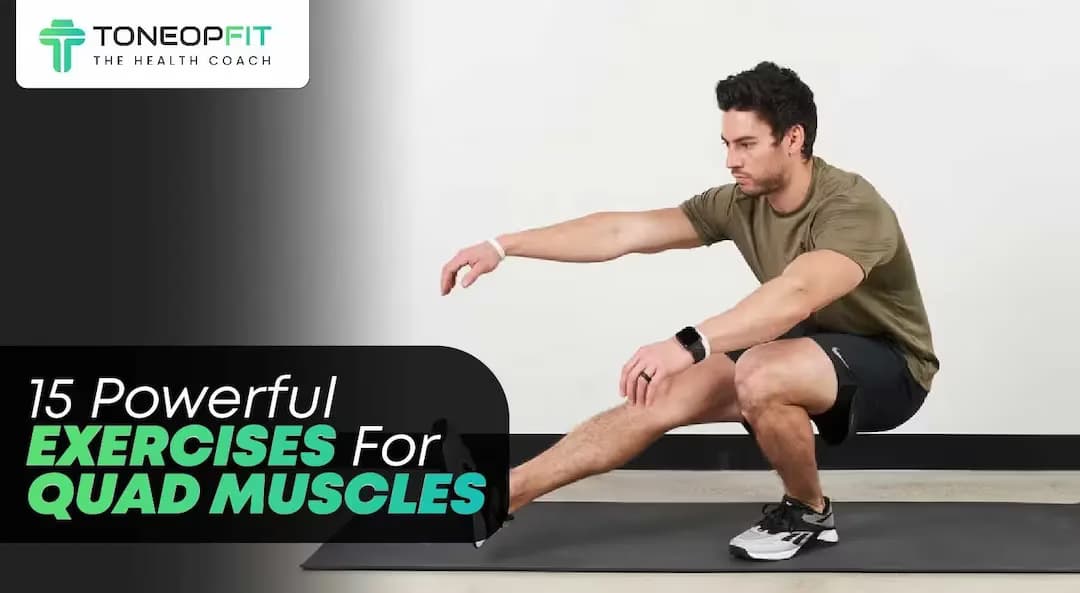
Credit: toneopfit.com
Key Exercises For Thigh Development
Squats, lunges, and leg presses are essential for building strong thigh muscles. These exercises target different areas, providing balanced development. Consistent practice can lead to improved strength and muscle tone.
Building strong thigh muscles is essential for overall leg strength and endurance. Key exercises for thigh development not only enhance muscle tone but also improve balance and agility. Incorporating these exercises into your routine can lead to significant gains in muscle mass and definition. Below, explore the most effective exercises that target the thigh muscles directly.Squats
Squats are foundational for thigh muscle development. They target the quadriceps, hamstrings, and glutes. Stand with your feet shoulder-width apart. Lower your body by bending your knees, keeping your back straight. Go as low as you comfortably can. Push through your heels to return to standing. Squats improve strength and stability.Lunges
Lunges are excellent for building thigh muscles. They focus on the quadriceps and hamstrings. Start by standing tall. Step forward with one leg, lowering your hips until both knees are bent at a 90-degree angle. Push back to the starting position. Alternate legs to keep balance. Lunges enhance coordination and muscle endurance.Leg Press
The leg press machine targets the thigh muscles effectively. Sit on the machine with your back flat against the seat. Place your feet shoulder-width apart on the footplate. Push the plate away by extending your legs. Keep your knees slightly bent at the top. Return to the starting position slowly. Leg presses increase strength and muscle mass.Incorporating Resistance Training
Building thigh muscles involves incorporating resistance training techniques. Use squats, lunges, and leg presses to target your thighs effectively. Gradually increase weights to challenge muscles and promote growth.
Incorporating resistance training is crucial for building strong thigh muscles. It challenges your muscles and promotes growth. Resistance training uses tools like bands or weights. This method is effective for muscle development and strength. You can customize your routine to fit your goals. It targets specific muscle groups, improving overall fitness.Benefits Of Resistance Bands
Resistance bands are versatile and portable. They add tension to your exercises. This tension helps build muscle effectively. Bands come in different resistance levels. You can start with light bands and progress over time. They’re great for beginners and advanced users alike. Bands engage multiple muscle groups simultaneously. This leads to balanced muscle development. You can use them anywhere, making them convenient.Using Free Weights
Free weights offer diverse exercise options. They help build strength and muscle mass. Dumbbells and barbells are common choices. You can adjust the weight to suit your needs. This flexibility aids gradual muscle progression. Free weights engage stabilizing muscles. This results in better coordination and balance. They help improve overall body strength. Proper form is essential when using free weights. This reduces the risk of injury.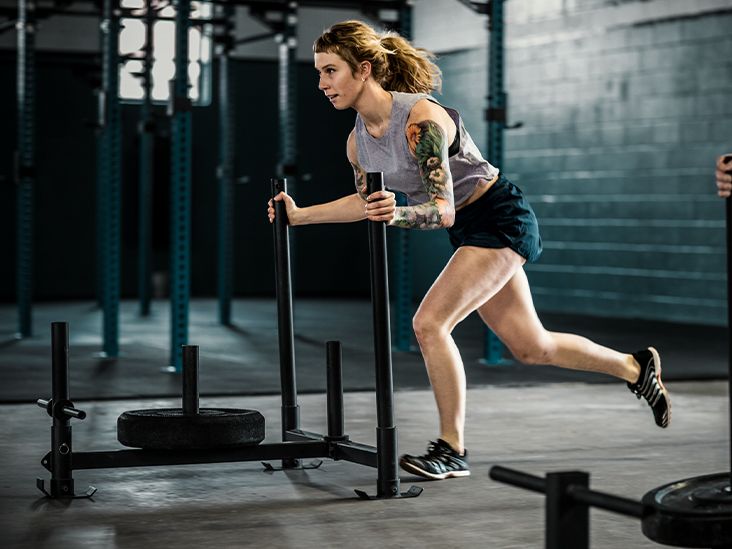
Credit: www.healthline.com
Role Of Nutrition In Muscle Growth
Building strong thigh muscles isn’t just about lifting weights or performing endless squats. Nutrition plays a critical role in muscle growth, and understanding its impact can significantly enhance your results. What you eat directly fuels your workouts and aids in recovery, making it essential to pay attention to your diet.
Protein Intake
Protein is the building block of muscles. Consuming the right amount of protein helps repair muscle fibers that break down during exercise. Aim for at least 1.2 to 2.0 grams of protein per kilogram of body weight daily.
Incorporate protein-rich foods like chicken, fish, tofu, and beans into your meals. You might also consider protein supplements if you’re struggling to meet your protein needs. Remember, timing is key—try to consume protein shortly after your workouts for optimal muscle repair.
Carbohydrates And Fats
Carbohydrates are your muscles’ primary energy source. They replenish glycogen stores, allowing you to power through intense workouts. Include complex carbs like oatmeal, quinoa, and sweet potatoes in your diet.
Healthy fats are equally important, providing a long-lasting energy source and supporting hormone production. Avocados, nuts, and olive oil are excellent choices. Balancing carbs and fats ensures you have the energy to train hard and recover effectively.
Have you noticed that your energy dips during workouts? Adjusting your carb intake might make a noticeable difference. Your diet should support your training, not hinder it.
Effective Recovery Techniques
Building thigh muscles requires more than just intense workouts. Recovery is crucial for muscle growth and overall performance. Effective recovery techniques help repair muscles and prevent injuries. They also improve flexibility and strength. Here, we explore key recovery methods to enhance your training results.
Stretching And Flexibility
Stretching keeps your muscles flexible and strong. It reduces the risk of injuries. Focus on your thighs after each workout session. Try dynamic stretches before exercising to warm up your muscles. Static stretches are ideal after workouts to cool down. Hold each stretch for 15-30 seconds. This helps lengthen the muscle fibers. Consistent stretching improves overall flexibility.
Importance Of Rest And Sleep
Rest is vital for muscle recovery. Your body repairs and grows muscles during rest. Make sure to have rest days in your workout plan. They allow your muscles to heal and strengthen. Sleep is another important factor. Aim for 7-9 hours of quality sleep every night. During sleep, your body produces growth hormones. These hormones aid in muscle recovery and growth. Prioritize a good sleep routine for better results.
Tracking Progress And Setting Goals
Building thigh muscles requires dedication and strategy. Tracking your progress is crucial. It helps you see how far you’ve come and where you need improvement. Setting clear goals keeps you focused and motivated. This approach ensures you’re on the right path to achieving stronger thighs.
Measuring Muscle Growth
Use a tape measure to track thigh size. Measure at the same spot each time. Record the numbers every two weeks. Notice changes in your jeans or shorts. Are they fitting differently? Photos can also help. Take pictures from the front and side. Compare them monthly. These methods show visible growth over time.
Adjusting Workout Plans
Reassess your workout every month. Are you seeing progress? If not, tweak your exercises. Increase weights or reps gradually. Try new exercises like lunges and squats. Add variety to challenge your muscles. Listen to your body. Rest if needed to prevent injury. Consistency is key in muscle building.
Common Mistakes To Avoid
Skipping warm-up exercises can lead to injuries. Using improper form strains muscles, slowing progress. Overtraining without rest hinders muscle growth and recovery.
Building thigh muscles can be a rewarding journey, but it’s crucial to avoid common pitfalls that can hinder your progress or lead to injury. Many fitness enthusiasts, eager to see quick results, make mistakes that can backfire. Let’s explore some common mistakes to sidestep on your path to stronger thighs.Overtraining
Overtraining is a common mistake among those eager to build muscle quickly. While the motivation is admirable, constantly pushing your muscles without adequate rest can lead to fatigue and even injury. Remember, muscles grow during rest periods, not during the workout itself. A friend of mine once hit the gym every day, thinking more was better. His progress stalled, and he ended up with an injury that sidelined him for weeks. It’s a lesson in patience: balance your workout schedule with rest days. Are you giving your muscles enough time to recover?Ignoring Form
Proper form is non-negotiable in any workout routine. Ignoring it can result in injuries and ineffective workouts. It’s easy to get caught up in lifting heavier weights, but if your form suffers, you’re doing more harm than good. I used to rush through squats, focusing on reps rather than form. My lower back would often ache post-workout. It wasn’t until a coach pointed out my poor form that I realized the importance of technique. Are you prioritizing the quality of your exercises over quantity?Expert Tips For Success
Building thigh muscles requires a mix of strength exercises like squats and lunges. Consistent workouts and balanced nutrition enhance muscle growth. Rest days are vital for recovery and muscle strengthening.
Building thigh muscles is a rewarding journey that combines dedication and strategic effort. To achieve significant growth, it’s essential to follow expert tips for success. These insights can help you maximize your workouts, avoid common pitfalls, and reach your fitness goals more efficiently.Consistency And Patience
Consistency is the bedrock of any successful fitness regimen. You won’t see results overnight, but sticking to a regular routine will lead to tangible progress. Consider setting a schedule with specific workout days and rest periods. Patience is equally important. Muscle growth takes time, and it’s easy to get discouraged if results aren’t immediate. Celebrate small wins, like lifting slightly heavier weights or feeling more energetic after workouts. Reflecting on these milestones will keep you motivated.Seeking Professional Guidance
Engaging with a fitness professional can be a game-changer. A personal trainer can tailor a workout program to your specific needs, ensuring you’re targeting the right muscles and using proper techniques. This personalized approach minimizes the risk of injury and maximizes efficiency. If in-person training isn’t feasible, online resources and virtual trainers are excellent alternatives. Many platforms offer customized plans and video demonstrations to guide your form and routine. Have you considered investing in professional guidance to elevate your workout strategy?
Credit: toneopfit.com
Frequently Asked Questions
What Exercises Build Thigh Muscles Fast?
Squats, lunges, and leg presses are effective for building thigh muscles quickly. These exercises target the quadriceps and hamstrings, promoting muscle growth. Consistent training with proper form and progressive overload will yield the best results. Adding resistance, like weights or resistance bands, can enhance muscle development.
How Often Should I Train My Thighs?
Training your thighs two to three times a week is recommended. This frequency allows for adequate recovery and muscle growth. Ensure each session targets different muscle groups within the thighs. Incorporate rest days to prevent overtraining and enhance muscle repair and development.
What Foods Help In Muscle Building?
Protein-rich foods like chicken, fish, and legumes support muscle growth. Additionally, carbohydrates from whole grains provide energy for workouts. Healthy fats, such as avocados and nuts, aid in muscle repair. Balanced nutrition, combined with strength training, optimizes thigh muscle development.
Can Cardio Help In Building Thigh Muscles?
Cardio can complement thigh muscle building by improving endurance and burning fat. Activities like cycling and stair climbing engage the thigh muscles effectively. However, focus on strength training for significant muscle growth. A balanced routine incorporating both cardio and resistance exercises is beneficial.
Conclusion
Building thigh muscles takes time and consistent effort. Regular exercise is crucial. Focus on squats, lunges, and leg presses. These exercises target your thighs effectively. Balanced diet supports muscle growth. Include protein-rich foods in your meals. Hydration is important too.
Drink enough water daily. Rest and recovery help muscles repair. Take breaks and get good sleep. Listen to your body and adjust routines as needed. Stay motivated and track progress. Celebrate small wins along the journey. Strong thighs improve daily activities.
Keep going, and enjoy the benefits of your hard work.