Have you ever wondered if you can build muscle mass without lifting heavy weights or spending endless hours at the gym? If so, you’re not alone.
With the buzz around various workout methods, you might have heard about isometric exercises. But can isometrics really help you build muscle mass? We’ll uncover the truth behind this intriguing question and explore how isometrics might just be the game-changer you’ve been searching for.
Get ready to discover a potentially revolutionary approach to achieving the muscle gains you’ve always wanted, without the traditional grind. Keep reading to find out how you can transform your fitness routine and maximize your muscle-building potential.
Credit: vertimax.com
Isometrics Explained
Isometric exercises are a unique way to build muscle mass. They focus on muscle tension without movement. This method can be an effective addition to your fitness routine. Understanding isometrics is crucial for maximizing their benefits.
Definition And Basics
Isometric exercises involve static muscle contractions. The muscles contract without visible movement. Think of pushing against a wall or holding a plank. The focus is on maintaining tension. This helps in building strength and endurance. Isometric exercises are different from dynamic exercises. They target muscle fibers in a unique way.
Types Of Isometric Exercises
There are various isometric exercises to try. Each targets different muscle groups. Here are some popular types:
- Planks: Strengthen your core and back.
- Wall Sits: Focus on your thighs and glutes.
- Isometric Push-Ups: Engage your chest and triceps.
- Static Lunges: Work on your legs and balance.
Each exercise holds its unique benefits. Incorporate them into your routine for best results.

Credit: www.reddit.com
Muscle Building Potential
Isometric exercises are often overlooked in traditional muscle-building routines, yet they hold a unique potential for muscle growth. Unlike dynamic movements, isometrics involve holding a position without changing the length of the muscle. This approach can lead to significant gains in muscle mass when utilized correctly.
How Muscles Grow
Muscle growth, scientifically known as hypertrophy, occurs when muscle fibers are exposed to stress, leading to microscopic damage. The body repairs this damage, making the fibers thicker and stronger. Isometrics can contribute to this process by creating sustained tension, which challenges the muscles differently than conventional exercises.
Consider the plank position. Holding this static pose engages multiple muscle groups simultaneously, forcing them to endure stress over time. This constant tension can stimulate muscle growth effectively, especially when you progressively increase the hold duration.
Role Of Tension And Time Under Tension
Muscle growth is heavily influenced by the concept of tension and time under tension (TUT). TUT refers to the duration your muscles are under strain during an exercise. Isometric exercises excel in this area by maximizing TUT without requiring repetitive movements.
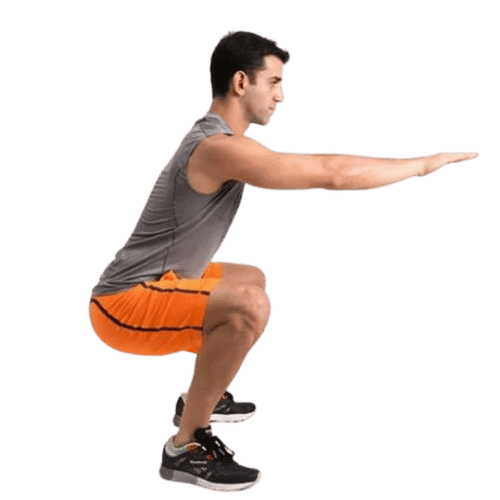
Imagine holding a squat position. Your muscles work hard to maintain stability, enduring tension throughout the hold. This prolonged stress can lead to increased muscle mass as your body adapts to the demand. The key is to challenge yourself with longer holds, gradually increasing the time to optimize muscle growth.
Have you ever wondered if static holds could replace traditional weightlifting? While isometrics can be a powerful tool, they should complement dynamic exercises for a balanced routine. Integrating isometric exercises can diversify your workout, offering a new pathway to muscle growth.
Benefits Of Isometrics
Isometric exercises offer a unique set of benefits for muscle building. Unlike traditional workouts, they focus on holding positions. This leads to improved muscle strength and endurance. Isometrics can enhance stability and aid in injury prevention. They are often used in rehabilitation programs. Let’s explore the specific benefits.
Strength Gains
Isometric exercises target muscle fibers intensely. Holding static positions engages muscles deeply, increasing strength. They build muscle mass by activating stabilizing muscles. Practicing isometrics regularly can lead to noticeable strength improvements.
Improved Stability And Endurance
Stability is crucial for everyday movements. Isometric exercises enhance stability by strengthening core muscles. Improved stability leads to better balance and coordination. These exercises also boost muscle endurance. Holding positions trains muscles to sustain effort over time.
Rehabilitation And Injury Prevention
Isometrics are gentle on joints, making them ideal for rehabilitation. They help rebuild strength without straining injuries. By strengthening muscles around joints, they reduce injury risks. Isometrics are effective for recovery and maintaining physical health.
Comparing Isometrics To Dynamic Training
When you’re looking to build muscle mass, you might wonder whether isometric exercises stand up to dynamic training. Isometrics, where you hold a position without moving, can seem static compared to dynamic exercises like squats or lunges, which involve movement through a range of motion. Both have their place in fitness, but how do they stack up against each other?
Advantages And Limitations
Isometrics have distinct advantages. They require no equipment, making them accessible anywhere. Holding a plank or wall sit can improve muscle endurance and strength. Isometrics are also low-impact, reducing injury risk. Yet, they have limitations. They don’t engage muscles through their full range of motion, which can limit muscle growth.
Dynamic training, meanwhile, promotes muscle hypertrophy due to movement through varied angles. It builds both strength and coordination. However, dynamic exercises can be high-impact, potentially stressing joints and muscles, especially if form is compromised.
Complementary Role In Fitness Regimens
Isometrics can complement dynamic training effectively. Imagine squeezing out that last rep of push-ups and then holding the plank position to maximize muscle fatigue. This combination can enhance your workout routine, targeting both endurance and strength.
Consider integrating isometric holds at the end of your dynamic sets. This approach can amplify muscle engagement, pushing your limits further. Many athletes use isometrics for injury prevention and recovery, providing a balanced approach to muscle development.
Have you tried combining both methods in your workouts? Mixing isometrics with dynamic exercises might be the key to breaking through plateaus. How you balance these techniques can define your progress. Are you ready to experiment and find what works best for you?
Effective Isometric Exercises
Isometric exercises involve holding a position without moving. They engage muscles intensely. These exercises boost muscle endurance and strength. Consistent practice can lead to muscle growth. Here are some effective isometric exercises.
Plank Variations
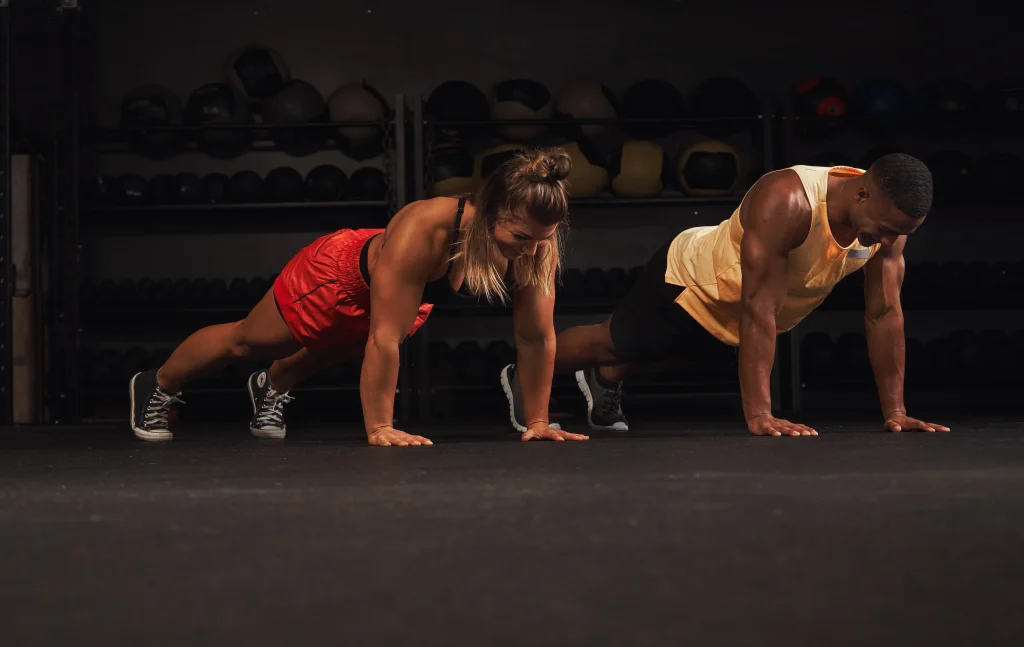
Planks work multiple muscle groups. Start with a basic plank. Keep your body straight and hold the position. Try side planks for oblique muscles. Lift one arm for more challenge. Each variation targets different muscles.
Wall Sits And Squats
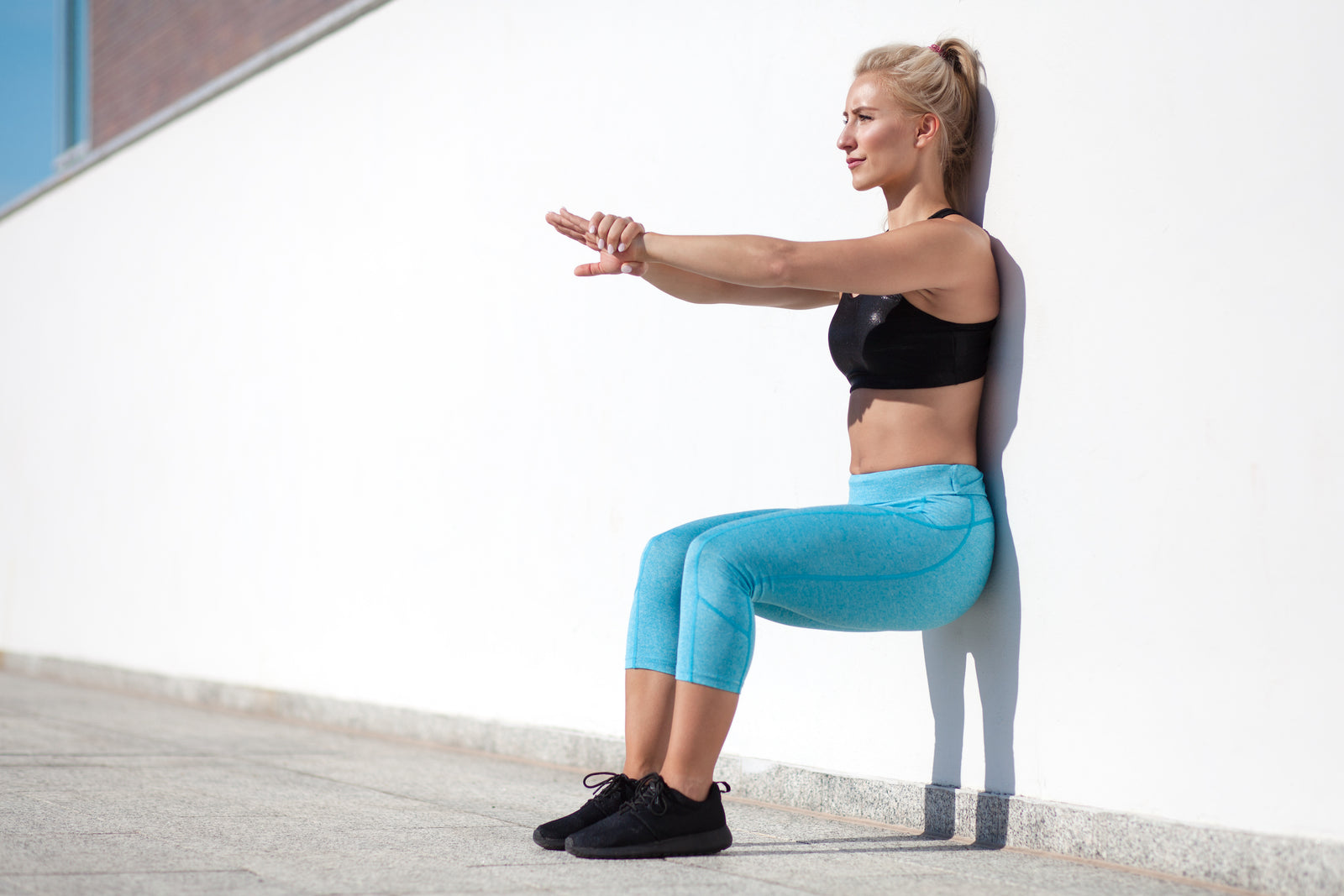
Wall sits are great for leg muscles. Stand with your back against the wall. Lower yourself into a sitting position. Hold this pose as long as you can. Squats can be static too. Pause at the lowest point to engage muscles.
Isometric Holds For Upper Body
Upper body holds build strength. Try a push-up hold at the bottom position. It targets chest and arm muscles. Hold a pull-up halfway for back muscles. These exercises require balance and control.
Designing An Isometric Workout Plan
Designing an effective isometric workout plan can be both exciting and rewarding. Isometrics, though often overlooked, offer a unique way to build muscle mass without the need for heavy weights or complex gym equipment. By focusing on holding positions and engaging muscles, you can create a workout plan that fits seamlessly into your fitness routine. Whether you’re a beginner or seasoned athlete, structuring your isometric exercises can enhance your strength and stability.
Frequency And Duration
Consider starting with isometric exercises two to three times a week. This frequency allows your muscles ample time to recover and grow. Each session should last about 20-30 minutes, providing enough time to perform various exercises without overtraining.
Pay attention to how long you hold each position. Aim for 10-20 seconds per hold, gradually increasing duration as your strength improves. It’s crucial to listen to your body and avoid pushing past your limits, as this can lead to injury.
Integrating With Other Training Methods
Isometrics can be a great complement to dynamic workouts. If you enjoy weightlifting or cardio, consider adding isometric holds to enhance muscle endurance and strength. For instance, after completing a set of squats, try holding the squat position for an added challenge.
You can also pair isometrics with plyometric exercises for explosive power. The combination helps in stabilizing muscles while boosting agility and speed. This integration keeps your workouts varied and engaging, preventing monotony.
What will you achieve by blending isometrics with other methods? A balanced workout that targets different muscle fibers, leading to comprehensive muscle growth and improved overall fitness.
Common Myths And Misconceptions
Isometric exercises are often misunderstood. Many believe they can’t build muscle mass. These myths can prevent people from trying isometrics. Some think isometrics are only for injury recovery. Others believe they don’t provide enough resistance. Let’s explore these misconceptions.
Addressing Skepticism
Isometrics don’t involve movement, which causes doubt. People think movement is key to muscle growth. This isn’t always true. Holding a position can engage muscles deeply. The tension helps muscles grow over time. Some athletes use isometrics to boost strength. It’s a part of their routine, not the whole plan.
Scientific Evidence And Studies
Research supports isometrics for muscle growth. Studies show increased muscle activation with isometrics. Muscles respond to tension, not just movement. Isometric exercises can increase strength and size. They are effective when combined with other exercises.
One study found isometrics improved muscle size in participants. The results were similar to traditional weightlifting. Another study showed increased muscle endurance. This proves isometrics can build muscle mass. They are not just for maintaining current strength.
Credit: swolverine.com
Tips For Maximizing Results
When it comes to building muscle mass through isometric exercises, getting the most out of your efforts requires a strategic approach. You might be wondering if simply holding a pose can really bulk up your muscles. The answer is yes, but only if you maximize your results with the right tips. Let’s dive into how you can make the most of your isometric workouts.
Proper Form And Technique
Maintaining proper form is crucial in isometric exercises. It’s easy to lose focus on technique when you’re holding a position for a long time. Make sure your body is aligned correctly to engage the right muscle groups. For example, in a plank, keep your back straight and your core tight. This not only prevents injury but also ensures you’re effectively targeting the muscles you want to build.
Consider this: a slight shift in posture can mean the difference between a workout that works and one that doesn’t. Pay attention to your body and adjust as needed. Use mirrors or video recordings to check your form. You’ll be surprised at how much a small tweak can enhance your workout.
Progressive Overload In Isometrics
Progressive overload is not just for lifting weights; it applies to isometrics too. Gradually increase the intensity by extending the duration of your holds. If you start with a 30-second wall sit, aim to increase it to 45 seconds and then a minute over time. This challenges your muscles to grow stronger and larger.
But it’s not just about time. You can add complexity to your poses or use resistance bands to increase the load. Have you tried adding weights to a plank? Or elevating your feet in a push-up hold? These modifications can break through plateaus and push your muscles to adapt and grow.
Are you ready to take your isometric workouts to the next level? Implement these tips and watch your muscle mass increase in ways you might not have imagined. Remember, the key is to focus on what your body is telling you and adjust accordingly. Your muscles will thank you!
Frequently Asked Questions
What Are Isometrics Exercises?
Isometric exercises involve muscle contraction without movement. These exercises can enhance strength and stability. Common examples include planks and wall sits. They are effective for muscle endurance and joint health. Isometrics can complement dynamic workouts for balanced fitness.
Can Isometrics Increase Muscle Size?
Isometrics can contribute to muscle growth when combined with other exercises. They primarily enhance strength and endurance. Muscle size increases when isometrics are part of a varied workout routine. Consistent practice and progressive overload are key for hypertrophy.
How Often Should You Do Isometrics?
Aim for isometric exercises two to three times weekly. Consistency is crucial for seeing results. Integrate them with other strength and cardiovascular exercises. Adjust frequency based on your fitness goals and recovery needs.
Are Isometrics Good For Beginners?
Yes, isometrics are beginner-friendly and safe. They require no equipment, making them accessible. Isometrics help build foundational strength and stability. They are excellent for those new to strength training. Always maintain proper form to prevent injury.
Conclusion
Isometrics can boost muscle mass for many people. They offer a unique way to exercise. You hold positions and engage muscles. This builds strength and endurance. Isometrics fit into busy schedules. You can do them almost anywhere. Consistency is key for muscle growth.
Pair isometrics with a healthy diet. Results will show over time. They complement other workouts well. Easy and effective, they add variety to fitness routines. Try isometrics. Feel the difference in your muscle tone.