
Have you ever wondered how much weight you’ve actually lost after weeks of hard work and dedication? Understanding how to calculate the percentage of body weight loss is a crucial step in tracking your fitness journey and celebrating your achievements.
It’s not just about the numbers on the scale; it’s about seeing your progress in a way that motivates you to keep going. Imagine the satisfaction of knowing exactly how far you’ve come and using that knowledge to push further.
In this guide, you will discover a simple method to calculate your weight loss percentage, empowering you with insights to take control of your health and fitness goals. Get ready to unlock the secrets behind those numbers and transform them into your biggest source of inspiration.

Credit: www.youtube.com
Understanding Body Weight
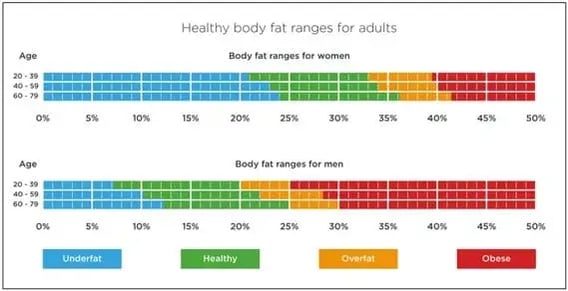
Understanding body weight is crucial for effective weight management. It involves knowing the components that make up your body and the factors that influence weight changes. Being aware of these can help you track progress and set realistic goals.
Components Of Body Weight
Body weight consists of various elements. Here are the main components:
- Water:It makes up a significant portion of your weight. Hydration levels can affect daily fluctuations.
- Fat:This is stored energy. Losing fat is often the goal of weight loss.
- Muscle:Muscle mass contributes to weight. It is denser than fat.
- Bone:Your skeleton also adds to your weight.
- Organs:Internal organs have weight but remain mostly constant.
Factors Affecting Weight Loss
Several factors can influence weight loss. They can affect how quickly or effectively you shed pounds.
- Diet:Your food choices play a vital role. Balanced nutrition supports healthy weight loss.
- Exercise:Physical activity burns calories. It also helps maintain muscle mass.
- Metabolism:A faster metabolism burns more calories. Age and genetics affect metabolic rate.
- Sleep:Lack of sleep can impact hormones. It may lead to weight gain.
- Stress:Stress can trigger hormonal changes. It might cause you to eat more.
Understanding these factors can guide your weight loss journey. It helps in tailoring a plan that suits your needs.
Credit: www.drbazire.uk
Setting Weight Loss Goals
Calculating the percentage of body weight loss is simple. Subtract your new weight from your starting weight. Then, divide the result by your starting weight. Multiply by 100 to get the percentage. This method helps track progress and stay motivated on your weight loss journey.
Setting weight loss goals is a crucial step in the journey to achieve a healthier body. Without clear goals, you might find yourself wandering aimlessly, unsure of where you’re heading. Establishing precise, achievable targets not only gives you direction but also fuels your motivation.Realistic Targets
Setting realistic targets is key to maintaining your motivation and ensuring long-term success. You might feel the urge to aim for dramatic weight loss, but remember that slow and steady wins the race. Aiming to lose 1-2 pounds per week is generally considered safe and sustainable. Consider your lifestyle, current weight, and health conditions. If you set overly ambitious goals, you risk burnout or disappointment. Have you ever set a goal so high that it felt overwhelming? Instead, break down your target into smaller, manageable milestones.Benefits Of Goal Setting
Goal setting provides a clear roadmap for your weight loss journey. It keeps you focused and accountable. With goals in place, you can track your progress and celebrate small victories along the way. Achieving these mini-milestones boosts your confidence and keeps you motivated. Think about how good it feels to check something off your list. It’s a powerful reminder that you’re moving in the right direction. Moreover, having specific goals helps you tailor your diet and exercise plans more effectively. You know exactly what you’re working towards, so your efforts are more targeted and efficient. What’s stopping you from taking that first step towards goal setting today?Calculating Percentage Of Weight Loss
Tracking your weight loss journey can feel challenging. A simple way is by calculating the percentage of weight loss. This helps you see progress clearly. Knowing how much weight you’ve lost is motivating. It keeps you on track and focused on your goals. Let’s explore how you can calculate it easily.
Initial And Current Weight
Start by knowing your initial weight. This is your weight before you began losing weight. Use a reliable scale for accuracy. Next, find your current weight. Weigh yourself at the same time each day. Consistency matters for precise results.
Mathematical Formula
Now, it’s time for some math. Use a simple formula to find the percentage of weight loss. Here’s the formula:
Percentage of Weight Loss = [(Initial Weight – Current Weight) / Initial Weight] 100
Subtract your current weight from your initial weight. Divide the result by your initial weight. Multiply by 100 to get the percentage. This number shows how much weight you’ve lost relative to your starting point.
Let’s illustrate with an example. Suppose your initial weight was 200 pounds. Your current weight is 180 pounds. Subtract 180 from 200. This equals 20 pounds lost. Divide 20 by your initial weight, 200. The result is 0.1. Multiply by 100 to get 10%. You’ve lost 10% of your body weight.
Tracking this percentage is insightful. It shows how far you’ve come in your weight loss journey. It provides a clear picture of your progress.
Tracking Progress
Tracking progress is crucial when aiming to lose body weight. It helps you stay motivated and adjust your methods. Understanding how much weight you’ve lost can be very fulfilling. To do this effectively, you have several tools at your disposal. Whether it’s digital or traditional, tracking methods can be simple and effective.
Using Weight Loss Apps
Weight loss apps make tracking easy. They offer features to log your daily weight. Many apps calculate the percentage of body weight loss for you. This helps you focus on progress, not just numbers. Apps often provide graphs and charts. These visuals make it simpler to see your journey over time. Some apps also offer reminders and motivational quotes. This keeps you engaged and on track.
Maintaining A Journal
Writing in a journal can be beneficial. It allows you to record your daily weight manually. You can calculate the percentage of weight loss yourself. This practice makes you more aware of your progress. Journals also let you note feelings and challenges. Reflecting on these can provide insights and boost motivation. You can look back and see how far you’ve come.
Expert Tips For Effective Weight Loss
Embarking on a weight loss journey can be both exciting and challenging. As you aim to calculate the percentage of body weight loss, understanding expert tips for effective weight loss can make a significant difference. While numbers provide a sense of accomplishment, it’s the lifestyle changes that truly transform your health. Let’s delve into practical advice on diet, exercise, and lifestyle habits that support your weight loss goals.
Balanced Diet Recommendations
Eating a balanced diet is foundational to effective weight loss. Focus on incorporating a variety of fruits, vegetables, lean proteins, and whole grains into your meals. Keep an eye on portion sizes to prevent overeating.
- Plan your meals ahead to avoid impulsive, unhealthy choices.
- Opt for cooking methods like grilling or steaming instead of frying.
- Listen to your body’s hunger cues and eat mindfully.
What small dietary change can you make today that will have a lasting impact on your health?
Exercise And Physical Activity
Regular exercise is crucial for burning calories and boosting metabolism. Aim for a mix of aerobic activities like walking or cycling, and strength training exercises to build muscle mass.
- Find activities you enjoy to make exercise a natural part of your day.
- Set realistic goals and gradually increase intensity as you get fitter.
- Remember, consistency is key. A little each day adds up!
Can you dedicate just 20 minutes today to get your heart pumping and muscles working?
Hydration And Sleep Importance
Hydration and sleep are often overlooked, yet they play a vital role in weight management. Drinking enough water helps in digestion and keeps cravings at bay, while quality sleep supports hormone regulation.
- Start your day with a glass of water and keep a bottle handy.
- Establish a regular sleep schedule to improve rest quality.
- Limit screen time before bed for more restful sleep.
Are you giving your body the rest and hydration it needs to function optimally?
Common Mistakes To Avoid
Understanding how to calculate the percentage of body weight loss is crucial. Many people make common mistakes that can hinder their progress. Being aware of these pitfalls can help maintain a healthy journey.
Crash Dieting Dangers
Crash diets promise rapid weight loss but pose risks. They can lead to nutrient deficiencies, affecting health. The body’s metabolism can slow down, making weight maintenance harder. This approach often leads to regaining weight quickly. Sustainable methods are key for long-term success.
Ignoring Muscle Mass
Focusing solely on weight numbers can be misleading. Muscle weighs more than fat, but is healthier. Ignoring muscle mass can result in loss of strength and endurance. It’s important to track body composition, not just weight. This ensures that the weight loss is healthy and balanced.
Benefits Of Maintaining A Healthy Weight
Maintaining a healthy weight is crucial for overall well-being. It helps improve physical health and boosts emotional wellness. Achieving a balanced weight can bring multiple benefits to your life.
Improved Health Outcomes
Healthy weight reduces the risk of chronic diseases. Heart disease and diabetes are less likely. Blood pressure stays in check. It enhances the immune system. A fit body fights infections better. Metabolic rates improve, leading to better digestion.
Enhanced Quality Of Life
A healthy weight leads to more energy. Daily activities become easier. Sleep quality improves, giving better rest. Mood swings reduce, promoting happiness. Confidence grows with a fit body. Social interactions become more enjoyable. It opens doors to new experiences.
Credit: www.tribuneindia.com
Frequently Asked Questions
What Is Body Weight Loss Percentage?
Body weight loss percentage measures weight reduction relative to initial weight. It’s calculated by dividing weight lost by initial weight, then multiplying by 100. This percentage helps track progress effectively, providing insight into health improvements and motivating further weight management efforts.
How Do I Calculate Weight Loss Percentage?
To calculate weight loss percentage, subtract current weight from initial weight. Divide the result by initial weight. Multiply by 100. This gives the percentage of weight lost, helping you understand your progress in a clear, quantifiable manner.
Why Track Body Weight Loss Percentage?
Tracking body weight loss percentage offers insights into progress and motivates sustained efforts. It provides a clear metric to gauge effectiveness of dietary and exercise changes, ensuring you stay focused on achieving your health goals.
What Factors Affect Weight Loss Percentage?
Factors affecting weight loss percentage include metabolism, diet, exercise, and lifestyle habits. Genetics and medical conditions also play roles. Understanding these factors helps tailor weight loss strategies for better results and long-term health improvements.
Conclusion
Understanding how to calculate body weight loss is essential. It helps track progress effectively. Remember, small changes add up. Stay consistent in your approach. Monitor your diet and exercise regularly. Use the formula to check your weight loss percentage. Celebrate every milestone achieved.
Keep your goals realistic and achievable. Stay motivated on your weight loss journey. Share your progress with friends or family. Support from loved ones boosts your morale. Keep learning and adjusting strategies. Your effort makes a difference. Stay committed and focused.
Achieving your weight loss goals is possible. Believe in yourself. Success is within reach.