Ever find yourself wondering how long your gym workout should really take? You’re not alone.
With so much conflicting advice out there, it can be tough to know what’s best for your schedule and fitness goals. The truth is, the duration of your workout can make a big difference in how you feel and the results you see.
Imagine walking into the gym, knowing exactly how much time you need to spend to get the most out of your efforts. Sounds good, right? This article will guide you through understanding the optimal workout time that fits into your busy life while maximizing your results. By the end, you’ll have a clear plan that feels both achievable and effective. So, let’s dive in and uncover how to make your gym time count!
Factors Influencing Workout Duration
Fitness goals and experience levels shape workout durations. Beginners may need shorter sessions, while advanced athletes often engage in longer workouts.
Understanding the factors that influence how long a gym workout takes is crucial for designing a routine that fits into your lifestyle. Whether you’re squeezing in a quick session before work or dedicating a weekend to longer training, knowing what affects workout duration can help you plan better. Let’s dive into some of the key elements that dictate how long you’ll be spending at the gym.Personal Fitness Goals
Your fitness goals are perhaps the biggest determinant of your workout duration. If you’re aiming for weight loss, your sessions might be cardio-heavy and last around 30 to 60 minutes. On the other hand, building muscle may require more time for lifting weights and resting between sets, often extending workouts to 60 to 90 minutes. Think about why you’re working out. Are you training for a marathon or just trying to stay active? Your goals will set the pace and length of your gym time.Experience Level
Are you new to the gym or a seasoned pro? Experience level plays a huge role in how long your workouts take. Beginners might focus on shorter, simpler routines to build consistency and confidence. As you gain experience, you’ll likely incorporate more complex exercises, which can extend your sessions. Remember your first gym visit? It was all about learning the ropes, which naturally takes more time than a routine you’ve mastered.Workout Type
Different workouts take different amounts of time. Strength training, for instance, usually requires longer rest periods between sets, leading to longer sessions. Cardio workouts, like running or cycling, can be as short as 20 minutes or extend beyond an hour, depending on intensity and goals. If you’re into classes like yoga or spinning, these usually have set durations, typically 45 to 60 minutes. Consider what type of workout aligns with your time availability and energy levels. Understanding these factors can help you tailor your workout sessions to be more efficient and aligned with your personal needs. What’s the best workout duration for you? It might be time to reassess your goals and schedule.
Credit: www.instagram.com
Cardio Workouts
Cardio workouts typically range from 20 to 60 minutes. The ideal duration depends on your fitness goals. Beginners might start with shorter sessions, gradually increasing time as endurance builds.
Cardio Workouts Cardio workouts are a crucial part of any fitness regimen. They improve heart health, burn calories, and boost endurance. But how long should your cardio session last to be effective?Short Sessions
Short cardio sessions are ideal if you’re pressed for time. A quick 20 to 30-minute run or a brisk walk can do wonders. These sessions are perfect for squeezing in a workout during your lunch break or before dinner. The key is intensity. A higher intensity in a shorter timeframe can still give you substantial benefits. Try interval training, where you alternate between high-intensity bursts and moderate recovery periods. Remember, it’s not always about the time spent but the effort you put in. Even a short session is better than skipping your workout altogether.Extended Endurance Training
If you have more time, extended endurance training could be your go-to option. Sessions lasting 45 minutes or more are great for building stamina. Long-distance running, cycling, or swimming are popular choices. These workouts are not just about physical endurance. They challenge your mental toughness too. You learn to push through fatigue and keep going. However, ensure you don’t overdo it. Listen to your body to avoid burnout or injury. Mixing in rest days is important for recovery and maintaining long-term motivation. Are you ready to challenge yourself with a longer session? Embrace the journey and celebrate every milestone you achieve.Strength Training
A gym workout typically takes 45 minutes to an hour. Strength training sessions can vary based on goals and fitness levels. It’s important to balance intensity and rest for effective results.
Strength training is a powerful tool for building muscle, increasing strength, and boosting confidence. It’s essential to tailor your workout duration based on your goals. Whether you’re focusing on one muscle group or tackling a full-body workout, understanding how long each type of session should take can help optimize your results.Single Muscle Group Focus
When you focus on a single muscle group, your workout can be shorter and more intense. Typically, these sessions range from 30 to 45 minutes. This allows you to concentrate on exercises that target specific muscles, like bicep curls or leg presses. I remember the first time I dedicated a session to just my arms—it was surprising how effective 30 minutes could be. You might find that focusing on one area at a time leads to noticeable progress. Have you ever considered how a focused workout might change your routine?Full-body Workouts
Full-body workouts are versatile and usually last about 45 to 60 minutes. They engage multiple muscle groups, providing a balanced approach that can be done a few times a week. Exercises like squats, push-ups, and deadlifts are staples in these sessions. Once, I decided to switch to full-body routines to save time during busy weeks. Not only did I feel more energized, but I also noticed improvements in my overall strength. Could a full-body workout be the answer to a packed schedule? Both types of workouts have their benefits, and choosing the right one depends on your individual goals and time constraints.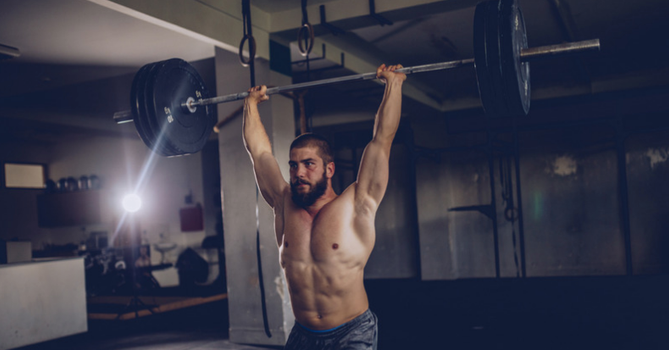
Credit: www.joe.co.uk
Flexibility And Mobility
A gym workout typically lasts 45 minutes to an hour, providing enough time for flexibility and mobility exercises. These exercises improve range of motion and reduce injury risk, enhancing overall fitness.
Flexibility and mobility are crucial for a balanced gym workout. They improve performance and reduce injury risk. Incorporating these elements into your routine enhances overall fitness. A well-rounded approach includes both stretching and yoga.Quick Stretching Routines
Quick stretching routines can fit into any schedule. Spend 5-10 minutes on simple stretches. Focus on major muscle groups. Stretch your legs, arms, and back. Hold each stretch for 15-30 seconds. Repeat each stretch 2-3 times. This helps maintain flexibility and prevents stiffness.Comprehensive Yoga Sessions
Comprehensive yoga sessions offer deeper flexibility benefits. Allocate 20-30 minutes for a yoga practice. Choose poses that target different areas. Include downward dog for hamstrings. Add child’s pose for back relaxation. Finish with a gentle twist for spinal mobility. Consistent yoga practice improves body awareness. It also enhances your overall mobility.High-intensity Interval Training
High-Intensity Interval Training (HIIT) can effectively fit into tight schedules. A typical gym workout with HIIT lasts about 30 minutes. This includes short bursts of intense exercise followed by brief rest periods.
High-Intensity Interval Training (HIIT) is a popular workout choice. It combines short bursts of intense exercise with rest periods. This approach appeals to many because it saves time and boosts fitness. HIIT workouts can be adapted to fit any schedule. They are effective for both beginners and seasoned athletes.Brief Intense Workouts
HIIT workouts are typically short. Sessions can last anywhere from 15 to 30 minutes. Each exercise is performed at maximum effort. This pushes your body to its limits quickly. Many choose HIIT for its efficiency. It provides a full-body workout in less time. Perfect for busy schedules.Recovery And Rest Periods
Rest is crucial in HIIT workouts. Between exercises, you take short breaks. These can last from 10 seconds to a minute. Recovery periods help your body reset. They prepare you for the next intense effort. Proper rest enhances overall performance. It reduces the risk of injury, too.Incorporating Warm-up And Cool Down
Including warm-up and cool down extends a gym workout by about 15-20 minutes. Warm-ups prep muscles for exercise, while cool downs help recovery and reduce soreness. Together, they enhance workout effectiveness and prevent injuries.
Incorporating warm-up and cool down routines into your gym workout can drastically improve your performance and recovery. These crucial steps are often overlooked, yet they hold significant value. Warm-ups prepare your body for the intense activities ahead, while cool downs help your muscles recover and prevent soreness. By dedicating time to both, you ensure a more effective and enjoyable workout session.Importance Of Warming Up
Warming up is your body’s way of saying, “I’m ready!” It increases blood flow to your muscles and enhances flexibility. Imagine jumping into a workout without loosening up—your muscles are stiff, and you’re prone to injury. A quick five to ten minutes of dynamic exercises like leg swings or arm circles can make a massive difference. Try jogging on the spot or perform jumping jacks to get your heart rate up. Your body will thank you with better performance and fewer post-workout aches.Effective Cool Down Techniques
Cooling down is like putting your body on standby mode. It gradually lowers your heart rate and relaxes your muscles. Skipping this step could lead to dizziness or muscle stiffness. Consider dedicating five to ten minutes to stretching or yoga poses. Focus on areas that worked the hardest, like your legs after a run or your shoulders post weight lifting. This ritual not only reduces soreness but also boosts flexibility over time. Why not try deep breathing during your cool down? It can help calm your mind and body, preparing you to tackle the rest of your day with ease.Balancing Time And Effectiveness
Finding the right balance between time and effectiveness in gym workouts is crucial. Typically, a session lasts 45-60 minutes, optimizing both muscle engagement and rest periods. Shorter workouts can still be effective if focused and intense.
Balancing time and effectiveness in a gym workout is crucial. Many people wonder about the ideal duration for exercise. It’s about finding the right balance between time and workout effectiveness. Spending hours at the gym isn’t always productive. Short, focused sessions can yield great results.Prioritizing Workout Efficiency
Focus on exercises that engage multiple muscles. Compound movements save time and boost effectiveness. Plan your workout with clear objectives. Aim to improve strength, endurance, or flexibility. Use a timer to track your progress. This helps maintain focus and intensity.Avoiding Overtraining
Overtraining can lead to injuries and fatigue. Listen to your body and rest when needed. Schedule regular breaks in your workout routine. Balance between intensity and recovery ensures steady progress. Keep workouts within a manageable duration. Avoid the urge to push beyond limits every time.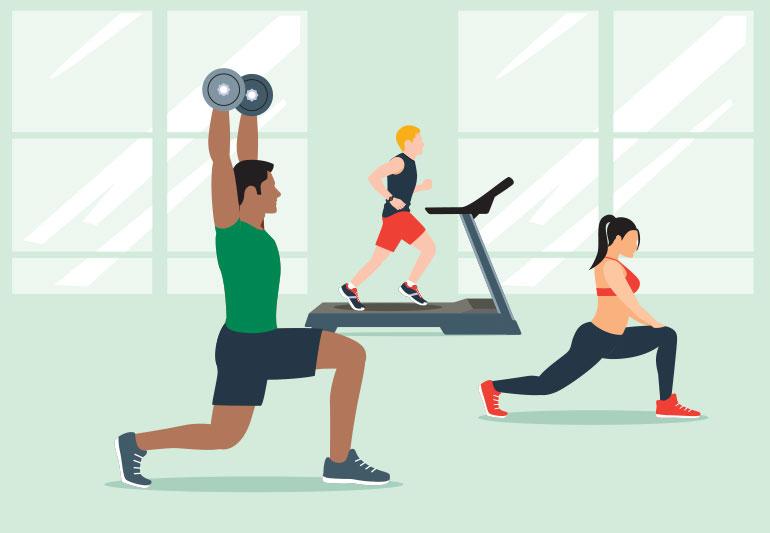
Credit: health.clevelandclinic.org
Customizing Workout Duration
Customizing workout duration allows individuals to tailor their gym sessions. Personal goals and daily schedules often dictate how long a workout lasts. Understanding how to adjust time for exercise can lead to more effective and enjoyable sessions.
Adjusting To Schedule Constraints
Busy days might limit time for gym workouts. Shorter sessions can still be effective. Focus on high-intensity exercises that maximize effort in less time. Consider circuit training, which combines cardio and strength. This method saves time while providing a full-body workout.
Planning workouts around daily commitments is essential. Early morning workouts can free up evenings. Lunchtime gym visits offer a break from work. Experiment with different times to find what suits your routine best.
Listening To Your Body
Your body often knows what it needs. Feeling fatigued might mean you should shorten your workout. Not every day requires a long session. Rest days are crucial for recovery and preventing injury.
Pay attention to how your body responds. Some days, energy levels may be high. On these days, extend your workout if time allows. Adjusting workout duration based on physical cues ensures sustainable fitness.
Frequently Asked Questions
How Long Is A Typical Gym Workout?
A typical gym workout usually lasts between 45 to 90 minutes. This time frame allows for a balanced routine, including warm-up, main exercises, and cool-down. However, the duration can vary based on individual fitness goals and workout intensity.
Is A 30-minute Gym Session Effective?
Yes, a 30-minute gym session can be effective if it’s well-structured. Focus on high-intensity interval training (HIIT) or targeted strength exercises. Efficiency and consistency are key to maximizing results in shorter workouts.
How Long Should A Beginner Spend At The Gym?
Beginners should aim for 30 to 60 minutes per session. This allows time to learn exercises properly and build endurance. Gradually increase the duration and intensity as fitness levels improve.
How Often Should I Work Out At The Gym?
For optimal results, aim for 3 to 5 gym sessions per week. Balance cardio, strength training, and rest days to prevent burnout. Listen to your body and adjust frequency as needed.
Conclusion
A gym workout varies in time. Beginners might spend 30 minutes. Those with experience may take an hour. Focus on your fitness goals. Listen to your body. Don’t rush your progress. Progress comes with patience and consistency. Short workouts can be effective.
Long sessions aren’t always necessary. Find what works best for you. Mix different exercises for variety. Make your workout fun and rewarding. Keep track of your time. Adjust as needed. Remember, balance is key. Enjoy your fitness journey. Stay committed and motivated.