
Imagine being able to climb a flight of stairs without gasping for air, or finishing a workout feeling invigorated rather than exhausted. Improving your cardiorespiratory endurance can make this your reality.
It’s not just about enhancing your physical fitness—it’s about boosting your overall quality of life. You might be wondering how you can achieve this apex of endurance without investing hours at the gym. The good news is, with the right strategies, you can significantly increase your stamina and lung capacity.
This guide will reveal practical and effective methods to elevate your cardiorespiratory endurance, helping you to thrive in your daily activities and feel more energetic than ever before. Whether you are a beginner or someone looking to push your limits, these tips are tailored to fit into your lifestyle seamlessly. Stay with us, and discover how to transform your endurance to new heights.
Benefits Of Cardiorespiratory Endurance
Boosting cardiorespiratory endurance enhances overall health, increasing stamina and reducing fatigue. Engage in regular aerobic exercises like jogging, cycling, or swimming to strengthen heart and lung function.
Cardiorespiratory endurance is like the fuel that powers your life. When your heart and lungs work efficiently, your entire body benefits. The advantages ripple through your daily activities, enhancing everything from your mood to your energy levels. Imagine feeling lighter on your feet and more vibrant every day. The secret lies in boosting your cardiorespiratory endurance.Strengthens Heart Health
When you improve your cardiorespiratory endurance, you’re doing your heart a big favor. Regular aerobic exercises, like jogging or cycling, help your heart pump more efficiently. This reduces the strain on your heart and lowers your risk of heart disease. Picture your heart as a well-oiled machine, keeping your body running smoothly.Enhances Lung Capacity
Increasing your endurance also means your lungs get stronger. As you engage in activities that elevate your heart rate, your lungs learn to take in and process more oxygen. This means more energy for your muscles and organs. Think of it as upgrading your body’s battery life.Boosts Energy Levels
Ever feel drained halfway through the day? Cardiorespiratory endurance can change that. As your body becomes more efficient at using oxygen, you gain sustained energy. Picture yourself tackling your to-do list without that afternoon slump.Improves Mental Health
There’s a significant link between physical health and mental wellbeing. Regular aerobic exercise can enhance your mood and reduce anxiety. Imagine feeling calmer and more focused, ready to take on challenges with a clear mind.Increases Longevity
People with higher cardiorespiratory endurance tend to live longer, healthier lives. By making small changes to improve your endurance, you might be increasing your chances of enjoying more years with loved ones. Isn’t that worth the effort?Facilitates Weight Management
Cardiorespiratory exercises burn calories and help maintain a healthy weight. As you build endurance, your metabolism gets a boost. Visualize fitting into your favorite clothes and feeling confident in your skin. What steps can you take today to enhance your cardiorespiratory endurance? The journey to a healthier you starts with small, consistent efforts.Key Components Of Cardiorespiratory Fitness
Understanding the key components of cardiorespiratory fitness is essential for improving endurance. These components work together to enhance your body’s ability to perform physical activities efficiently. Let’s explore these crucial elements.
Heart Health
The heart is a muscle that pumps blood throughout the body. Strong heart health improves blood flow and oxygen delivery. Regular exercise strengthens the heart, making it work more efficiently. Activities like jogging, cycling, and swimming boost heart health. Aim for at least 30 minutes of moderate exercise daily.
Lung Capacity
Healthy lungs are vital for effective oxygen exchange. Increased lung capacity means better endurance. Practice deep breathing exercises to enhance lung function. Aerobic exercises like running and jumping jacks also improve lung capacity. Good posture supports better breathing and lung efficiency.
Muscle Efficiency
Efficient muscles use oxygen more effectively. Strong muscles enhance endurance and reduce fatigue. Incorporate strength training into your routine. Exercises like squats, lunges, and push-ups build muscle efficiency. Balanced nutrition aids muscle recovery and growth.
Effective Exercise Routines
Boosting cardio respiratory endurance involves consistent aerobic activities like running, cycling, or swimming. Gradually increase duration and intensity for optimal results. Regular practice enhances heart and lung efficiency, supporting overall fitness.
Effective exercise routines are key to boosting cardiorespiratory endurance. These routines involve various activities that focus on improving heart and lung function. By incorporating a mix of exercises, you can enhance your endurance levels effectively. Below, explore different exercise routines to help you achieve this goal.Aerobic Workouts
Aerobic exercises are excellent for the heart. Activities like walking, jogging, or cycling increase heart rate. They improve oxygen delivery to muscles. Aim for at least 30 minutes, five times a week. Consistency is crucial. Choose activities you enjoy for better adherence.Interval Training
Interval training involves alternating between high and low intensity. This method boosts endurance quickly. A typical session could include short sprints followed by walking. This variation challenges your heart and lungs. It also makes workouts more engaging. Start with short intervals, then gradually increase them.Strength Training
Strength training supports cardiorespiratory endurance. It increases muscle strength and efficiency. Include exercises like squats or push-ups. These workouts improve overall fitness. Aim for two sessions per week. Use light weights to avoid fatigue. Gradually increase intensity as you progress.
Credit: www.facebook.com
Nutrition For Endurance
Nutrition plays a crucial role in boosting your cardio respiratory endurance. What you eat can directly affect your performance and recovery. By tailoring your diet to support endurance activities, you ensure your body has the right fuel and nutrients to sustain prolonged physical effort. Let’s dive into how carbohydrates, proteins, and hydration can enhance your endurance.
Carbohydrates And Energy
Carbohydrates are your body’s main source of energy during endurance activities. Complex carbs like whole grains, fruits, and vegetables provide a steady release of energy. They help maintain your stamina, allowing you to push further without feeling depleted.
Consider having a carb-rich meal a few hours before your workout. This prepares your muscles for the exertion ahead. Ever noticed how marathon runners often eat pasta the night before a race? That’s a classic example of carb-loading.
Have you ever felt sluggish during a workout? It might be time to reassess your carb intake. Balancing your energy levels with the right amount of carbohydrates can make all the difference.
Protein For Recovery
While carbohydrates fuel your workout, protein aids in recovery. It helps repair and build muscle tissue after strenuous activity. Incorporating lean proteins like chicken, fish, or tofu can speed up recovery and minimize fatigue.
After a long run or intense workout, a protein-rich snack can be your best friend. It replenishes muscle fibers and prepares your body for the next session. Think of it as your body’s way of saying thank you for the hard work.
Ever wondered why athletes swear by protein shakes post-workout? It’s not just a trend. It’s a science-backed method to boost recovery and endurance.
Hydration Strategies
Staying hydrated is essential for maintaining endurance. Water regulates your body temperature and keeps your muscles functioning optimally. A slight dip in hydration can lead to fatigue and decreased performance.
Consider drinking water regularly throughout the day, not just during workouts. Adding electrolytes can further enhance hydration, especially during long sessions.
Have you experienced muscle cramps during a workout? Often, it’s a sign of dehydration. By maintaining adequate fluid levels, you prevent such disruptions and enhance your endurance.
Monitoring Progress
Boost cardio respiratory endurance by incorporating regular aerobic exercises like running, swimming, or cycling. Gradually increase intensity and duration for best results.
Monitoring progress in cardio respiratory endurance is crucial. It helps track improvements and adjust training. By understanding key metrics, you can ensure effective workouts. Let’s explore some methods to monitor your progress effectively.Tracking Heart Rate
Monitoring heart rate is essential in endurance training. It reflects your cardiovascular efficiency. Use a heart rate monitor to measure beats per minute. Aim for a target heart rate zone during workouts. This ensures optimal effort and safety. Adjust intensity based on heart rate feedback. This helps improve endurance steadily.Measuring Vo2 Max
VO2 max indicates aerobic capacity. It’s the maximum oxygen your body uses during intense exercise. Use tests to measure VO2 max periodically. This provides insight into your fitness level. Higher VO2 max means better endurance. Training can improve this over time. Consider professional assessments for accurate results.Using Fitness Apps
Fitness apps offer convenient progress tracking. Many apps monitor heart rate and VO2 max. They provide workout summaries and progress graphs. Choose apps with features that suit your needs. These tools help maintain motivation. Regular updates keep your goals in sight. Apps can also offer personalized workout plans. Use technology to enhance your training experience.
Credit: essentrics.com
Avoiding Common Mistakes
Increasing cardio respiratory endurance requires avoiding common mistakes. Gradually increase workout intensity to prevent injury. Mix different exercises for balanced improvement.
Avoiding common mistakes is crucial when trying to increase your cardiorespiratory endurance. Making errors during your training can hinder progress and even lead to injuries. Understanding these pitfalls can help you train smarter and achieve your fitness goals more efficiently.Overtraining Risks
Pushing yourself too hard can backfire. Overtraining can lead to fatigue, decreased performance, and increased risk of injuries. It’s vital to listen to your body and recognize when you need to ease up on your workouts. Consider a friend who was training for a marathon. He ran every day without breaks, thinking more was better. Instead, he ended up with shin splints, sidelining him for weeks. Are you making a similar mistake?Ignoring Rest Days
Rest days are not just for the lazy. They are essential for recovery and muscle repair. Skipping rest days can lead to burnout and reduce the effectiveness of your training. Think about your last workout week. Did you schedule in rest days, or did you push through without a pause? Your body needs time to rebuild and strengthen, just like a car needs regular maintenance to run smoothly.Neglecting Flexibility
Flexibility is often overlooked but crucial for preventing injuries. Incorporating stretching exercises can improve your range of motion and enhance overall performance. A flexible body responds better to physical stress and can recover more quickly. Remember a time when you skipped the cool-down stretches? Did your muscles feel tighter the next day? Embrace flexibility exercises as part of your routine to support your endurance training. Making small adjustments in your approach can lead to significant improvements in your cardiorespiratory endurance. Are you ready to make those changes today?Expert Tips For Improvement
Boost cardio respiratory endurance by practicing interval training, mixing high-intensity exercises with short recovery periods. Gradually increase workout duration and intensity to challenge your heart and lungs. Regular aerobic activities like swimming, running, or cycling enhance endurance over time.
Improving your cardiorespiratory endurance is a journey that requires patience, commitment, and a well-rounded strategy. By focusing on expert tips, you can enhance your endurance and enjoy greater vitality and performance in your daily life. Let’s dive into the essential aspects that can propel your fitness to new heights.Consistency Is Key
Consistency is the backbone of any successful fitness regimen. Imagine your workout routine as a daily ritual that builds your strength and stamina over time. Regular exercise, whether it’s running, cycling, or swimming, helps your body adapt and improve efficiently. Missing days can disrupt this progress. Consider setting a weekly schedule that aligns with your lifestyle. Small, manageable commitments are better than sporadic intense sessions. Remember, it’s about making gradual improvements, not overnight transformations. Are you ready to make exercise a part of your daily life?Setting Realistic Goals
Setting achievable goals can drive you forward and keep motivation high. Start by assessing your current fitness level. Ask yourself, what can you realistically achieve in the next month? Setting the bar too high might lead to disappointment, while too low can stall progress. Break down your goals into smaller milestones. If you’re aiming to run a marathon, start with a 5K. Celebrate each victory, no matter how small, as every step brings you closer to the ultimate goal. How will you measure your success?Seeking Professional Guidance
Sometimes, expert advice is necessary to avoid pitfalls and maximize your potential. A fitness coach can tailor workouts to your needs, ensuring you target the right areas for improvement. Professional guidance provides accountability and expertise that can transform your training routine. Consider consulting a trainer or joining a specialized fitness class. They can offer insights that you might overlook and help refine your techniques. Are you ready to take your endurance to the next level with expert support?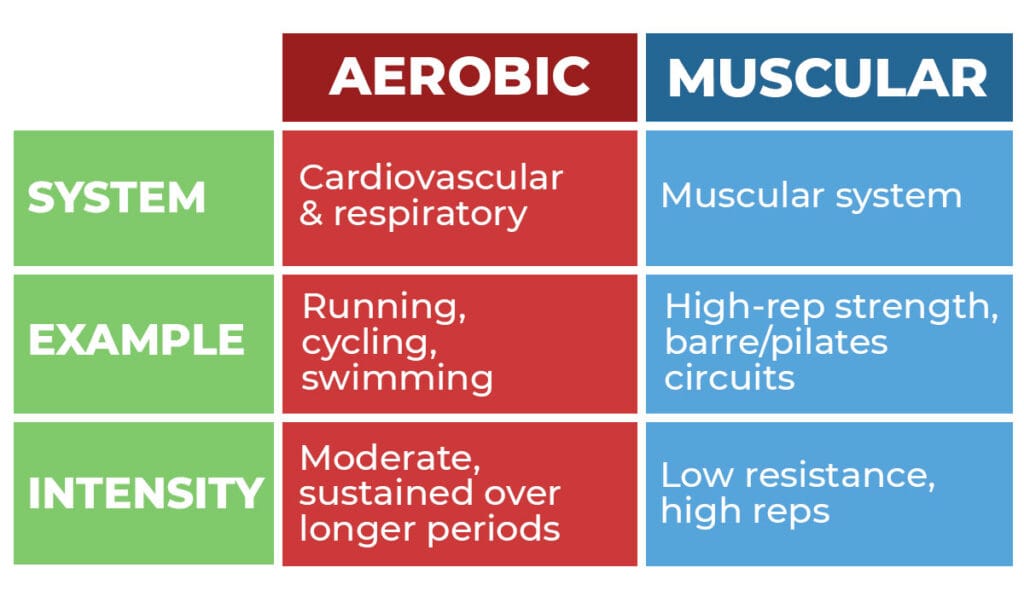
Credit: www.nourishmovelove.com
Frequently Asked Questions
What Exercises Improve Cardio Respiratory Endurance?
To improve cardio respiratory endurance, engage in aerobic exercises like running, swimming, and cycling. These activities enhance heart and lung efficiency. Consistent practice boosts stamina and energy levels, allowing you to perform activities longer. Aim for at least 150 minutes of moderate aerobic activity weekly for optimal results.
How Does Diet Affect Cardio Respiratory Endurance?
A balanced diet supports cardio respiratory endurance by providing necessary nutrients for energy and recovery. Consuming carbohydrates fuels your workouts, while proteins aid muscle repair. Healthy fats support overall energy levels. Staying hydrated is crucial for optimal performance. Prioritize whole foods over processed options for better endurance results.
Can Interval Training Boost Endurance?
Yes, interval training is effective for boosting endurance. It involves alternating between high-intensity and low-intensity exercises. This method improves cardiovascular efficiency and lung capacity. Incorporating interval training into your routine can lead to faster endurance gains. Aim to include it 1-2 times per week for noticeable improvements.
Why Is Warming Up Important For Endurance?
Warming up prepares your body for exercise, reducing injury risk. It increases blood flow and heart rate gradually. This helps improve your performance during endurance activities. A proper warm-up also enhances flexibility and range of motion. Spend 5-10 minutes warming up before engaging in any endurance workout.
Conclusion
Building cardio respiratory endurance takes time and effort. Start with small steps. Gradually increase your exercise intensity. Consistency is key. Make exercise a regular habit. Listen to your body. Rest when needed to avoid injuries. Mix different activities for variety.
Try running, swimming, or cycling. A balanced diet supports your endurance goals. Stay hydrated and eat nutritious foods. Track your progress for motivation. Celebrate small victories along the way. Stay positive and patient. Your endurance will improve with persistence. Remember, every effort counts towards better health.
Keep pushing forward, and see the benefits unfold.