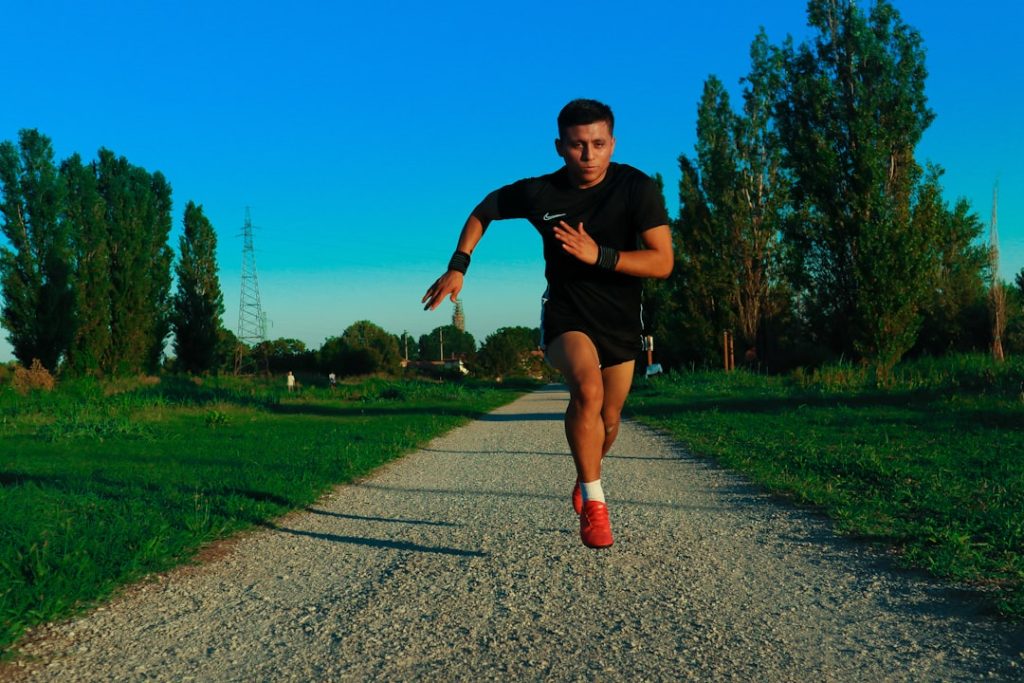
Picture this: you’re on the track, heart pounding, adrenaline surging, and with every powerful stride, you feel invincible. But is sprinting just about the thrill and speed?
Or can it be your secret weapon for building muscle? If you’ve ever wondered whether those explosive bursts of energy could also sculpt your body, you’re not alone. Many fitness enthusiasts and athletes are asking the same question. We will dive into the science and practical insights to answer one burning question: will sprinting build muscle?
Get ready to uncover the surprising ways sprinting could transform your fitness routine and help you achieve your muscle-building goals. Keep reading, because the answer might just redefine how you think about your workouts.

Credit: www.womenshealthmag.com
Benefits Of Sprinting
Sprinting enhances muscle growth through intense short bursts of activity. It engages fast-twitch muscle fibers, promoting strength and size. This powerful exercise boosts metabolism, aiding in fat loss while building lean muscle.
Sprinting offers a range of benefits that go beyond building muscle. It is an effective exercise for improving overall health and fitness. This high-intensity workout can transform your body and enhance your well-being in various ways.Enhanced Cardiovascular Health
Sprinting boosts heart health by improving blood circulation. It strengthens the heart muscle, making it more efficient. Regular sprinting can lower the risk of heart disease. It helps reduce blood pressure and enhances lung capacity.Improved Metabolic Rate
Sprinting increases the body’s metabolic rate, burning calories faster. This helps in weight loss and maintains a healthy weight. It stimulates fat burning even after the workout. Sprinting encourages muscle growth which further boosts metabolism.Increased Endurance
Sprinting enhances physical stamina and endurance. It trains the body to resist fatigue during prolonged activities. This builds resilience and improves performance in other exercises. Regular sprinting can make daily tasks feel less tiring.
Credit: www.threads.com
Sprinting And Muscle Growth
Have you ever wondered if sprinting can actually build muscle? It’s not just about speed and endurance; sprinting offers a unique blend of explosive power that can contribute to muscle growth. Whether you’re a seasoned athlete or someone looking to enhance your fitness routine, understanding how sprinting impacts muscle development can be a game-changer.
Muscle Groups Targeted
Sprinting primarily targets the lower body muscles, including the quadriceps, hamstrings, glutes, and calves. As you explode off the starting block, these muscles contract powerfully, pushing your body forward. The intense, repetitive action engages core muscles too, helping stabilize your torso. It’s a full-body workout, but the legs steal the spotlight.
Role Of Fast-twitch Fibers
Fast-twitch muscle fibers are your sprinting allies. They contract quickly and powerfully, enabling rapid bursts of speed. Unlike slow-twitch fibers used in endurance activities, fast-twitch fibers are crucial for explosive movements. Sprinting recruits these fibers, leading to increased muscle size and strength. This muscle adaptation can enhance your overall athletic performance.
Comparison With Traditional Strength Training
Sprinting differs from traditional strength training but complements it well. While weightlifting focuses on controlled resistance, sprinting emphasizes speed and power. It doesn’t replace lifting but adds a dynamic element to your routine. Consider integrating both for balanced muscle development. This combination can boost your strength, speed, and agility.
Have you ever tried adding sprints to your workout? How did your body respond? Exploring different training methods can reveal surprising benefits. Sprinting might be the missing link in your fitness journey. Embrace the challenge and see how it transforms your muscle growth.
Effective Sprinting Techniques
Sprinting effectively can contribute to muscle growth by engaging fast-twitch fibers. This intense activity increases strength and endurance. Proper technique maximizes benefits and reduces injury risk.
Effective sprinting techniques can significantly enhance muscle building. Sprinting is not just about running fast; it’s an art. Knowing the right techniques helps maximize results and prevent injuries. Focusing on proper form, optimizing speed and power, and ensuring adequate recovery is crucial.Proper Form And Posture
Correct form is the foundation of effective sprinting. Maintain an upright posture with a slight forward lean. Keep your head steady and eyes forward. Swing arms powerfully but controlled, with elbows bent at 90 degrees. This aids in balance and momentum. Foot placement should be quick and efficient, landing lightly on the balls of your feet. Avoid heel striking to reduce impact and improve speed.Optimizing Speed And Power
Speed and power are key components of sprinting. Focus on short bursts of acceleration. Start with explosive power from the blocks. Engage your core and leg muscles fully. Drive knees high and push off forcefully. Use interval training to build speed and endurance. Sprint for short distances, then rest, repeating the cycle. This trains muscles to exert maximum effort quickly.Recovery And Rest Periods
Recovery is vital for muscle growth and performance. Allow muscles to recover between sprints. Rest periods should be longer than sprint intervals. This ensures full muscle recovery and prevents fatigue. Hydrate well and maintain a balanced diet to support muscle repair. Include stretching and cool-down exercises after sprinting sessions. Proper recovery enhances muscle strength and prevents injuries.Sprinting Workouts For Muscle Gain
Sprinting is a powerful tool for building muscle. It combines high-intensity effort with muscle engagement. This makes it ideal for those looking to gain muscle mass. Sprinting workouts can be tailored to target muscle growth effectively.
Interval Training Basics
Interval training involves alternating between sprints and rest. This boosts muscle growth and endurance. Start with a warm-up to prepare your muscles. Short bursts of sprinting followed by rest periods are key. Aim for 30 seconds of sprinting, then rest for 60 seconds. Repeat this cycle for 10 minutes. This method helps in recruiting muscle fibers and increasing strength.
Sample Sprinting Routine
A structured routine can enhance muscle gain. Begin with a 5-minute jog to warm up. Then, sprint for 20 seconds at maximum effort. Rest for 40 seconds while walking. Repeat this for 10 rounds. Finish with a 5-minute cooldown. This routine targets fast-twitch muscle fibers crucial for muscle growth.
Incorporating Resistance
Adding resistance to sprints can improve muscle building. Use a weighted vest or resistance bands. This increases the effort required during sprints. Start with lighter weights and gradually increase. Perform sprints with resistance twice a week. This helps in building stronger and larger muscles.
Nutrition For Sprinting Success
Sprinting boosts muscle growth by engaging fast-twitch fibers. These fibers help build lean muscle mass. A balanced diet supports this growth, providing necessary nutrients for energy and recovery.
Nutrition plays a crucial role in sprinting success. The right diet enhances performance and aids muscle recovery. Sprinting demands high energy and quick recovery. Proper nutrition fuels these needs, promoting muscle growth and overall fitness.Protein And Muscle Recovery
Protein is vital for muscle repair. Sprinting causes muscle strain, and protein helps rebuild those fibers. Include lean meats, eggs, and beans in your diet. They provide essential amino acids. Aim for a balanced intake post-workout. This aids recovery and supports muscle growth.Carbohydrates For Energy
Carbs are your main energy source during sprints. They provide the fuel needed for intense bursts. Opt for whole grains, fruits, and vegetables. These offer sustained energy release. Consume carbs before sprinting sessions. This ensures you have enough energy to perform at your best.Hydration And Electrolytes
Staying hydrated is crucial for sprinting. Water maintains muscle function and prevents cramps. Electrolytes help balance bodily fluids. Drink sports drinks or coconut water for electrolytes. Ensure you hydrate before, during, and after workouts. Proper hydration enhances endurance and performance.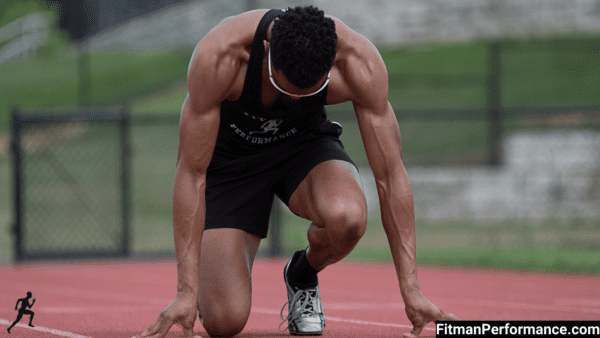
Credit: fitmanxfademan.medium.com
Common Myths And Misconceptions
Sprinting is a powerful exercise with many benefits. Yet, several myths cloud its reputation. Many people believe sprinting is just for athletes or that it’s risky. These misconceptions often deter people from trying it. Let’s debunk some common myths surrounding sprinting.
Sprinting Vs. Long-distance Running
Many think sprinting and long-distance running build muscles the same way. This is not true. Sprinting is an anaerobic exercise. It focuses on short, intense bursts of energy. This helps build fast-twitch muscle fibers. Long-distance running is aerobic and targets endurance, not muscle growth. Each has unique benefits for different fitness goals.
Age And Sprinting Capability
Some believe sprinting is only for the young. This is a myth. People of all ages can sprint. The key is to adjust intensity according to fitness levels. Older adults can benefit from sprinting with proper warm-up and techniques. It enhances cardiovascular health and muscle strength.
Injury Risks And Prevention
Many fear sprinting due to perceived injury risks. Injuries can occur with any exercise if done improperly. Sprinting requires good form and adequate preparation. A proper warm-up minimizes risks. Strengthening muscles and joints also helps prevent injuries. Regularly practicing sprinting techniques ensures safety and effectiveness.
Sprinting Success Stories
Discover the muscle-building potential of sprinting. This high-intensity exercise engages fast-twitch muscle fibers, promoting growth and strength. Sprinting not only boosts muscle development but also enhances overall fitness and endurance.
Sprinting is more than just a burst of speed; it’s a catalyst for transformation. Whether you’re an athlete aiming for peak performance or someone on a personal fitness journey, sprinting can be a game-changer. Here, we delve into some inspiring sprinting success stories that showcase how this powerful workout can build muscle and transform lives.Athletes Who Excelled
Some of the world’s top athletes have leveraged sprinting to enhance their performance and build muscle. Usain Bolt, for instance, didn’t just become the fastest man on earth by chance. His rigorous sprint training routine helped him develop the explosive power and muscular definition required to dominate the track. Allyson Felix, a multiple-time Olympic gold medalist, also credits sprinting for her muscular strength and agility. Her dedication to sprint training has not only earned her medals but also a reputation as one of the most formidable sprinters in history. These athletes show that sprinting is a key component in building and maintaining muscle mass. Their success underscores the potential of sprinting to push physical limits and achieve extraordinary outcomes.Transformational Journeys
Sprinting isn’t just for elite athletes—it’s a powerful tool for anyone looking to transform their body. Take the story of John, a regular guy who decided to incorporate sprinting into his fitness routine. Within months, he noticed a significant increase in his leg and core muscle strength. Samantha, a busy mom, found sprinting to be the perfect workout for her tight schedule. Short sprinting sessions helped her tone her muscles and boost her metabolism, leading to remarkable physical changes. These transformational journeys illustrate that sprinting is accessible and effective for everyone. They demonstrate that with consistency and determination, sprinting can lead to impressive muscle gains and overall fitness improvements.Lessons From The Field
So, what can you learn from these success stories? First, sprinting can be incredibly effective for muscle building, even in short bursts. The intensity of the workout engages multiple muscle groups, promoting growth and strength. Second, consistency is key. Whether you’re an athlete or just starting your fitness journey, regular sprinting sessions can yield significant results. It’s about making sprinting a part of your routine and sticking with it. Lastly, don’t underestimate the mental benefits. Sprinting not only builds physical strength but also mental resilience. The discipline and focus required can translate into other areas of your life, making you stronger both on and off the field. Are you ready to write your own sprinting success story?Frequently Asked Questions
Does Sprinting Help In Muscle Growth?
Yes, sprinting can help build muscle, especially in the legs and core. The explosive movements in sprinting engage fast-twitch muscle fibers. This leads to increased muscle size and strength over time.
What Muscles Do Sprinters Develop?
Sprinters primarily develop muscles in the legs, glutes, and core. The quadriceps, hamstrings, and calves are heavily engaged. Sprinting also strengthens the abdominal muscles, enhancing overall core stability and power.
Is Sprinting Better Than Running For Muscle Gain?
Sprinting is more effective than running for muscle gain. It engages fast-twitch fibers, promoting hypertrophy. The high-intensity nature of sprinting results in increased muscle activation compared to steady-state running.
How Often Should I Sprint To Build Muscle?
For muscle building, sprinting 2-3 times a week is ideal. This frequency allows for muscle recovery and growth. Pair sprinting with strength training for optimal muscle development.
Conclusion
Sprinting helps to build muscle and improve overall fitness. Short bursts of speed engage multiple muscle groups. This activity strengthens legs, core, and even arms. Consistent sprinting can lead to muscle growth. You gain endurance and power. It’s an effective addition to any workout routine.
Sprinting also boosts metabolism. Regular practice enhances cardiovascular health. It’s a simple yet impactful exercise. Perfect for those seeking strength without weights. Try sprinting for a balanced workout. Feel the difference in your muscle tone and energy levels. Embrace this natural way to enhance your physical fitness.