Ever wondered how quickly your cardio endurance can fade away? You’re not alone.
Whether you’re an athlete recovering from an injury or someone who has just taken a break from your regular fitness routine, understanding the timeframe for losing cardio endurance is crucial. The good news? This article will unravel the mystery of how long it takes for your hard-earned stamina to diminish.
Get ready to discover practical insights that will keep you motivated and on track. Imagine regaining your endurance swiftly and effectively without feeling like you’re starting from scratch. Curious to know more? Let’s dive in and ensure your fitness journey stays on course.
Factors Affecting Cardio Endurance Loss
Cardio endurance is essential for a healthy heart and lungs. Many factors affect how quickly you lose it. Understanding these factors helps in maintaining your fitness.
Age And Fitness Level
Age plays a crucial role in endurance loss. Younger individuals tend to recover faster. Older adults might experience quicker declines. Fitness level also impacts endurance loss. Experienced athletes maintain endurance longer than beginners. Regular training builds a strong foundation. This helps resist quick endurance loss.
Duration And Intensity Of Previous Training
The length and intensity of past workouts influence endurance retention. Long-term, high-intensity training creates lasting benefits. It helps in maintaining cardio endurance for a longer time. Short-term, low-intensity workouts lead to quicker losses. Consistency in training is key to preserving endurance.
Inactivity Period Length
The duration of inactivity affects endurance loss significantly. Short breaks might not impact endurance much. Longer periods without exercise lead to noticeable declines. The body adapts to inactivity quickly. Frequent breaks result in faster endurance loss.
Physiological Changes During Inactivity
Understanding how inactivity affects the body is crucial for athletes and fitness enthusiasts. Extended periods without exercise can lead to significant physiological changes. These changes impact muscle strength, cardiovascular health, and metabolic efficiency. Let’s explore how inactivity transforms these systems.
Muscle Atrophy
Muscles require regular activity to maintain their size and strength. Lack of exercise leads to muscle atrophy. This process involves the shrinking of muscle fibers due to disuse. Reduced muscle mass results in decreased strength and endurance. Even with short-term inactivity, muscle loss can be significant. Regular workouts are essential to prevent this decline.
Cardiovascular System Alterations
Inactivity impacts the cardiovascular system dramatically. The heart becomes less efficient at pumping blood. Blood vessels can lose their flexibility, increasing blood pressure. These changes can lower aerobic capacity. Reduced cardiovascular fitness means less stamina during physical activities. Regular cardio exercises keep the heart and vessels healthy.
Metabolic Rate Adjustments
A sedentary lifestyle slows down the metabolism. The body burns fewer calories at rest. This can lead to weight gain if calorie intake remains the same. A slower metabolism means less energy for daily tasks. Exercise boosts metabolic rate, aiding in weight management and energy levels. Regular physical activity helps maintain a healthy metabolism.
Time Frame For Cardio Endurance Decline
Cardio endurance is a crucial component of your overall fitness, yet it can be surprisingly easy to lose. The time frame for cardio endurance decline varies based on several factors, including the duration of inactivity and your previous fitness level. Understanding how quickly your endurance can decrease helps you plan your fitness routine more effectively. Let’s explore how short-term breaks and extended periods of inactivity affect your cardio endurance.
Short-term Breaks
Taking a short break from your cardio routine, such as a week-long vacation or a brief illness, won’t drastically impact your endurance. You might feel slightly out of breath during your initial workouts, but your body retains most of its cardiovascular abilities. A study showed that even a two-week break leads to only minor declines. Imagine it as your body taking a brief pause rather than hitting the reset button.
To bounce back quickly, gradually reintroduce your regular cardio activities. Start with shorter, less intense sessions and progressively increase the duration and intensity. This approach minimizes the risk of injury and helps maintain motivation. Have you noticed how a brief pause can sometimes reignite your enthusiasm for exercise?
Extended Periods Of Inactivity
Longer breaks, such as several months away from cardio, have a more profound impact on your endurance. Research indicates significant declines in cardiovascular fitness after six weeks of inactivity. Muscles involved in cardio, like your heart and lungs, need consistent challenges to maintain their efficiency. It’s like a well-oiled machine that requires regular use to stay in top shape.
Rebuilding endurance after a long hiatus requires patience and consistency. Implement a structured plan that gradually ramps up your cardio sessions. Focus on setting achievable goals and celebrate small victories along the way. How do you plan to keep yourself motivated during this rebuilding phase?
Understanding the time frame for cardio endurance decline helps you stay on top of your fitness goals. Whether it’s a short break or an extended period of inactivity, knowing the impact on your endurance allows you to make informed decisions about your workout strategy. What steps will you take today to ensure your cardio endurance remains strong?
Credit: www.mountelizabeth.com.sg
Strategies To Maintain Cardio Endurance
Maintaining cardio endurance requires regular exercise and a balanced diet. Consistency in running, cycling, or swimming keeps stamina high. Rest days and hydration are also vital for recovery.
Maintaining cardio endurance requires consistent effort and smart strategies. It’s not just about running daily or cycling for miles. It involves a blend of activities that engage different muscle groups and energy systems. This diversity helps keep the body fit and prevents boredom. Discovering the right mix can lead to lasting endurance.Incorporating Low-intensity Activities
Engage in walking or gentle yoga. These activities support recovery and reduce stress. They are easy on the joints and help maintain stamina. Low-intensity exercises allow the body to adapt without overexertion. Consistent practice builds a strong foundation for higher intensity workouts.Cross-training Techniques
Switch between swimming and cycling. This variety targets different muscle groups. It reduces the risk of injury from repetitive strain. Cross-training enhances overall fitness. It keeps workouts fresh and exciting. Balancing different exercises ensures comprehensive conditioning.Diet And Nutrition Considerations
Fuel the body with balanced meals. Include lean proteins and whole grains. These foods provide sustained energy for workouts. Hydration is crucial. Drink plenty of water throughout the day. Nutrient-rich foods support muscle repair and growth. Proper nutrition complements physical efforts, ensuring enduring strength.Expert Opinions On Cardio Endurance
Cardio endurance is a vital aspect of overall fitness that can be surprisingly easy to lose if neglected. Whether you’re a seasoned athlete or someone who enjoys a good jog, understanding how long it takes to lose cardio endurance can help you maintain your fitness levels. Expert opinions on this topic provide valuable insights into the delicate balance between maintaining and losing endurance.
Advice From Fitness Professionals
Fitness experts suggest that cardio endurance can begin to decline after just two weeks of inactivity. This means that if you’ve taken a break from your regular cardio routine, you might notice a dip in your stamina relatively quickly. However, the rate at which endurance is lost can vary based on your initial fitness level and how active you remain during your break.
Personal trainers often recommend incorporating small bursts of physical activity, like brisk walking or cycling, into your daily routine to combat this decline. This way, you can keep your heart rate up and maintain some level of endurance even during periods when structured workouts aren’t possible.
Scientific Research And Findings
Scientific studies back up the claims of fitness professionals, showing that cardiovascular fitness can decrease significantly after 10 to 14 days without exercise. Research highlights that VO2 max, a measure of aerobic endurance, drops as your body adapts to decreased physical activity. This means your heart and muscles become less efficient at using oxygen.
However, the good news is that regular exercise can quickly restore lost endurance. Studies indicate that resuming cardio workouts can help regain lost fitness within a few weeks. So, if you’ve been inactive, starting with moderate-intensity exercise and gradually increasing intensity can help you bounce back.
What strategies have you found effective in maintaining your cardio endurance? Share your thoughts and experiences to help others stay motivated and on track.

Credit: www.instagram.com
Rebuilding Cardio Endurance After A Break
Cardio endurance starts declining after just two weeks without exercise. Restoring it can take several weeks of consistent workouts. Focus on gradually increasing intensity and duration to rebuild stamina effectively.
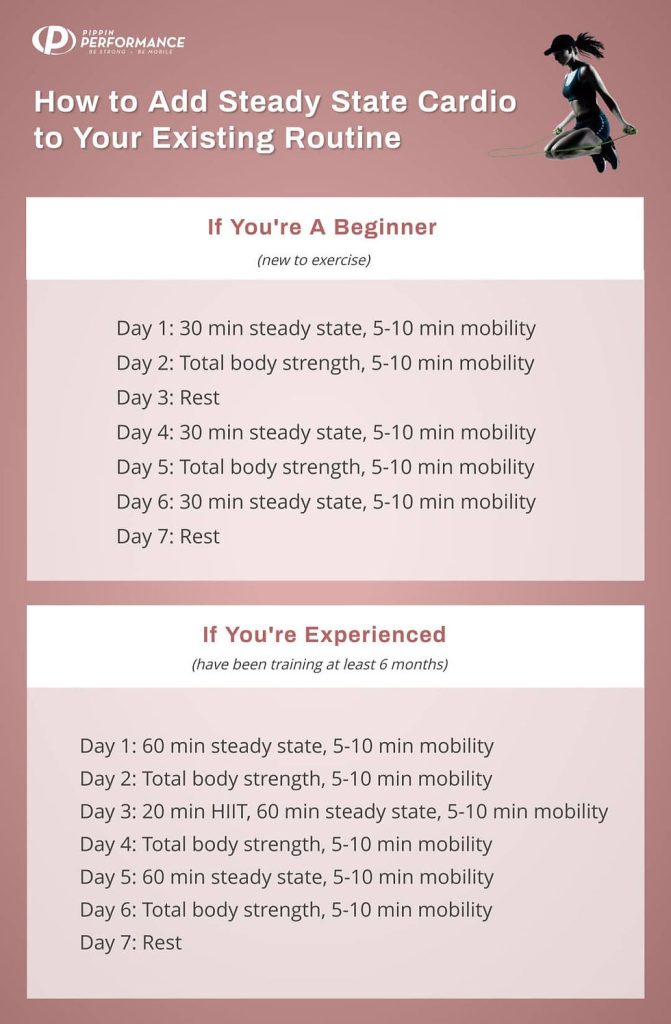
Rebuilding Cardio Endurance After a Break Taking a break from your cardio routine, whether due to injury, life events, or simply needing a rest, can be a double-edged sword. On one hand, it allows your body to recover and rejuvenate. On the other, it can lead to a noticeable decline in your cardio endurance. But all is not lost. With a strategic approach, you can regain your endurance and even surpass previous levels. Let’s dive into actionable steps that can get you back on track.Setting Realistic Goals
Setting realistic goals is your first step in rebuilding cardio endurance. Start by assessing where you currently stand. If you’ve been inactive for a month, don’t expect to run a marathon next week. Instead, set achievable milestones. Aim for a 10% increase in distance or time each week. This keeps you motivated and ensures steady progress without overexertion. Ask yourself: what is a realistic target for the next month? Write it down and track your achievements.Progressive Training Plans
A progressive training plan is essential. Begin with low-impact exercises like brisk walking or cycling. Gradually increase the intensity and duration over time. For example, if you used to run 5 miles, start with 2 miles. Add half a mile every week. This incremental approach prevents injury and builds stamina. Remember, it’s about consistency, not speed. Building endurance is a marathon, not a sprint.Monitoring Progress And Adjustments
Monitoring your progress is crucial. Keep a journal or use apps to track your workouts, distance, and how you feel afterward. This data is invaluable in understanding your body’s responses. Don’t hesitate to adjust your plan. If you feel fatigued or notice recurring pain, it’s a signal to slow down. Conversely, if you feel strong, consider pushing your limits slightly. What patterns do you notice in your progress? Reflect on these insights to fine-tune your plan and maximize your endurance gains.
Credit: betterme.world
Frequently Asked Questions
How Quickly Can You Lose Cardio Endurance?
Cardio endurance can start to decline in just two weeks of inactivity. This decline varies based on individual fitness levels. Regular exercise can help maintain endurance. Staying active is key. Consistency in workouts is essential to preserve your cardiovascular fitness over time.
What Factors Affect Cardio Endurance Loss?
Several factors influence the rate of cardio endurance loss. These include age, fitness level, and exercise frequency. Diet and lifestyle also play roles. Genetics can impact how quickly endurance declines. Monitoring these factors helps in maintaining cardio fitness.
How Can I Maintain Cardio Endurance?
To maintain cardio endurance, engage in regular aerobic exercises like running or cycling. Consistency is crucial for lasting results. Cross-training with different activities can help. Stay hydrated and eat a balanced diet to support your fitness routine. Rest and recovery are also important.
Can Diet Influence Cardio Endurance?
Yes, diet significantly impacts cardio endurance. Consuming a balanced diet rich in nutrients supports energy levels. Carbohydrates are vital for fueling workouts. Proteins aid muscle recovery, while fats provide sustained energy. Hydration is equally important. A well-rounded diet enhances cardiovascular performance.
Conclusion
Cardio endurance fades without regular exercise. It happens faster than you might think. Days turn into weeks, and your stamina decreases. Restarting workouts might feel tough initially. Small steps help regain strength gradually. Consistency is key to rebuilding endurance. Listen to your body and adjust routines.
Stay motivated by setting small goals. Celebrate progress, no matter how small. Remember, every workout counts towards your health. Keep moving and stay committed. A little effort each day makes a big difference. Cardio endurance can be regained with patience and persistence.
Embrace the journey back to fitness.