Imagine feeling more energetic, climbing stairs without gasping for breath, and experiencing an overall boost in your daily life. Building cardio respiratory endurance can make these dreams a reality.
Whether you’re looking to improve your fitness level, enhance your athletic performance, or just feel better every day, understanding how to build cardio respiratory endurance is key. In this guide, you’ll uncover simple, effective strategies that will help you strengthen your heart and lungs, allowing you to enjoy life to the fullest.
Ready to transform your health and vitality? Let’s dive into the secrets of boosting your cardio respiratory endurance!

Credit: youngwellnesscenter.com
Importance Of Cardio Respiratory Endurance
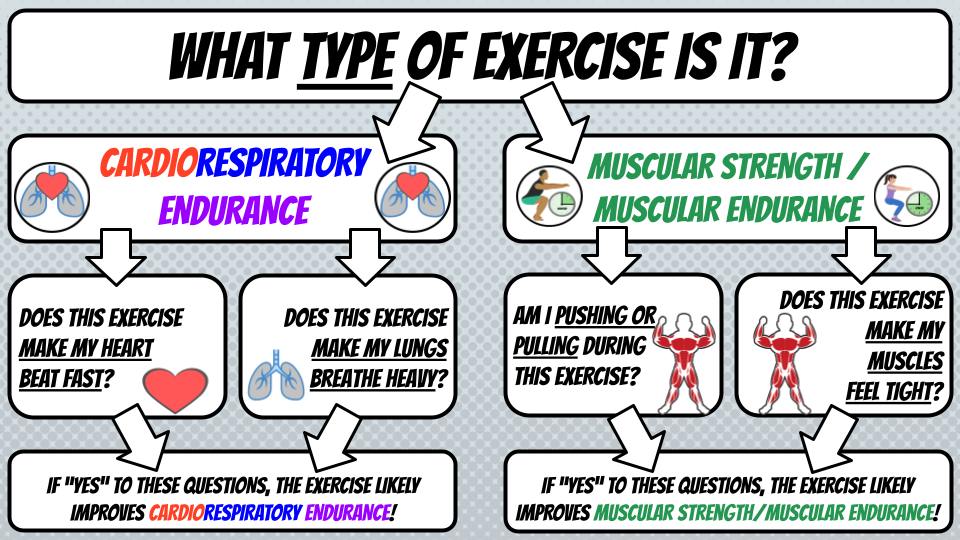
Cardio respiratory endurance is crucial for overall health. It is the ability of your heart and lungs to supply oxygen during sustained physical activity. A strong cardio respiratory system improves energy levels, reduces fatigue, and enhances mood. It also decreases the risk of chronic diseases like hypertension and diabetes. Building this endurance helps with daily tasks and enhances quality of life.
Benefits For Heart Health
Improving cardio respiratory endurance strengthens the heart. A strong heart pumps blood more efficiently, reducing heart strain. This lowers the risk of heart disease and stroke.
Boosting Lung Capacity
Enhanced endurance increases lung capacity. Better lung function means more oxygen to muscles, enhancing performance and stamina.
Improved Metabolism
Regular cardio activities boost metabolism. A faster metabolism helps burn calories efficiently, aiding in weight management.
Mental Health Advantages
Cardio exercises release endorphins. These chemicals help reduce stress, anxiety, and depression. Regular activity leads to better mental health.
Increased Energy Levels
Good endurance improves energy levels. More energy means you can perform daily activities without feeling exhausted.
Enhanced Physical Performance
With better endurance, physical tasks become easier. You can run longer, lift heavier, and exercise more effectively.
Social Benefits
Participating in group activities boosts social connections. Strong social ties improve emotional well-being and provide support.
Long-term Health Impacts
Maintaining cardio endurance leads to a longer, healthier life. It reduces the risk of many diseases and enhances longevity.
Credit: www.facebook.com
Choosing The Right Exercises
Building cardio respiratory endurance involves choosing exercises that elevate heart rate and improve lung function. Running, cycling, and swimming are effective options. Incorporate interval training for added benefits and variety in your routine.
Choosing the right exercises is crucial for building cardio-respiratory endurance. Different activities target various aspects of your heart and lung capacity. Selecting exercises that align with your goals can significantly enhance your endurance. Below, explore some popular options to boost your cardio fitness.Running And Jogging
Running and jogging are excellent for improving cardiovascular health. They increase heart rate and improve lung capacity. Start with short distances and gradually increase your pace. Maintain a consistent routine for optimal results. Ensure proper footwear to reduce injury risk.Cycling
Cycling is a low-impact exercise that boosts endurance. It strengthens leg muscles while improving heart health. Adjust your bike’s seat and handlebar for comfort. Explore different terrains to challenge your body. Cycling outdoors offers fresh air and scenic views, enhancing the experience.Swimming
Swimming engages multiple muscle groups and enhances lung capacity. It offers a full-body workout that improves stamina. Dive into different strokes for varied intensity. Swimming is ideal for all fitness levels. It also provides a cooling effect, making it enjoyable in warm weather.Jump Rope
Jump rope is an effective cardio workout that elevates heart rate quickly. It improves coordination and balance. Jump rope exercises can be done anywhere, making it convenient. Start with short sessions and gradually increase duration. It’s a fun way to boost endurance.Creating A Workout Routine
Building cardio respiratory endurance involves consistent aerobic exercises. Incorporate activities like running, cycling, or swimming to improve heart and lung function. Gradually increase intensity and duration for effective results.
Creating a workout routine is essential for building cardio respiratory endurance. A well-structured plan helps you stay consistent and motivated. It ensures you get the most out of your workouts. Let’s explore the key elements of an effective routine.Frequency And Duration
Aim for 3 to 5 sessions per week. Each session should last 20 to 60 minutes. Shorter workouts are suitable for beginners. Longer sessions benefit those with more experience. Consistency is crucial for improvement.Intensity Levels
Vary your workout intensity for the best results. Use low, moderate, and high-intensity exercises. Low intensity allows for active recovery. Moderate intensity boosts endurance. High intensity challenges your limits. Mix these for balanced progress.Progressive Overload
Gradually increase workout demands over time. This encourages adaptation and growth. Add more time, distance, or resistance. Keep challenging your body to enhance endurance. Progress should be slow and steady. Avoid sudden, large increases to prevent injury.Incorporating Interval Training
Interval training boosts cardio respiratory endurance by alternating between high and low intensity exercises. This method enhances heart and lung efficiency, allowing longer workouts. Adaptable for all fitness levels, it helps improve stamina and overall cardiovascular health.
Incorporating interval training into your routine can boost cardio respiratory endurance. This method involves alternating between high and low-intensity exercises. It challenges your heart and lungs, improving their capacity. Interval training is time-efficient and effective for fitness gains. It can be tailored to fit any fitness level. You can incorporate it into running, cycling, or swimming. Let’s explore some key aspects of interval training.High-intensity Interval Training
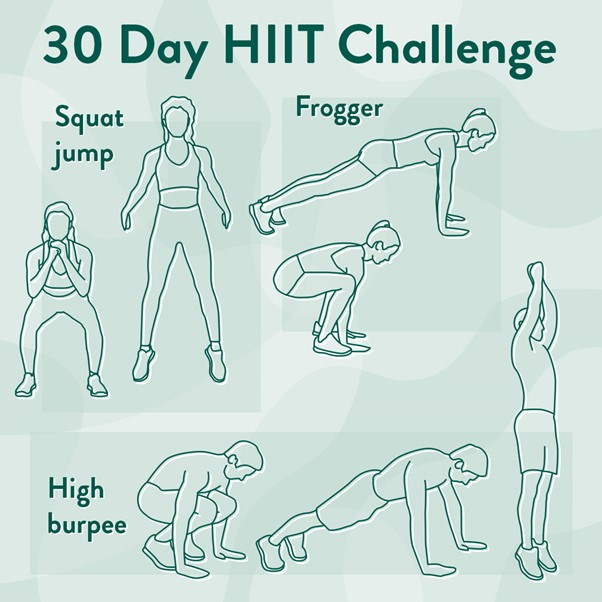
High-Intensity Interval Training (HIIT) is a popular form of interval training. It involves short bursts of intense exercise followed by rest or low-intensity periods. HIIT workouts are quick and efficient. They can be as short as 20 minutes. This makes them ideal for busy schedules. HIIT boosts metabolism, aiding in calorie burn even after workouts. It can include exercises like sprints, jumping jacks, or burpees.Benefits Of Intervals
Interval training provides numerous benefits. It improves heart and lung function. Regular intervals increase your aerobic capacity. They also enhance your ability to exercise longer without fatigue. Interval training can improve speed and endurance. It helps in burning calories effectively. This makes it a great choice for weight management. It can also break the monotony of regular workouts.Sample Interval Workouts
Here are some sample interval workouts to try:- Beginner Workout:30 seconds sprint, 1 minute walk. Repeat 5 times.
- Intermediate Workout:1 minute run, 1 minute jog. Repeat 10 times.
- Advanced Workout:45 seconds sprint, 30 seconds rest. Repeat 8 times.
Monitoring Heart Rate
Monitoring heart rate helps improve cardio respiratory endurance by tracking exercise intensity. Regularly checking your pulse ensures you’re training effectively. This practice aids in achieving better fitness and overall health.
Monitoring heart rate is crucial for building cardio-respiratory endurance. It helps track progress and ensures exercises are done at the right intensity. Understanding heart rate patterns allows for better control over workout sessions, making them more effective. Monitoring heart rate can also prevent over-exertion, reducing the risk of injury.Target Heart Rate Zones
Target heart rate zones are specific ranges where exercise is most effective. These zones vary based on age and fitness level. Calculating your zone involves using a simple formula. Subtract your age from 220 to find your maximum heart rate. Multiply this number by 0.6 and 0.8 to find your target zones. Staying within these zones optimizes cardio-respiratory benefits.Using Heart Rate Monitors
Heart rate monitors provide real-time feedback during workouts. They are easy to use and come in various forms. Many are wearable, like wristbands or chest straps. These devices track heart rate accurately. Some advanced monitors sync with apps to analyze data. This technology helps in adjusting your workout intensity. It ensures you stay within your target heart rate zone.Adjusting Intensity
Adjusting workout intensity is essential for optimal endurance building. If your heart rate is below the target zone, increase activity. This could mean speeding up or adding resistance. If it’s above the target zone, slow down or take a break. Listen to your body and make necessary adjustments. Proper intensity leads to better endurance and improved heart health.Nutrition For Endurance
Nutrition plays a vital role in building cardio respiratory endurance. The right foods fuel your body and support your training. Proper nutrition enhances performance and aids recovery. Let’s explore the essentials of nutrition for endurance.
Balanced Diet Essentials
A balanced diet is key for endurance. It provides the necessary nutrients. Include a variety of foods in your meals:
- Whole grains like brown rice and quinoa
- Lean proteins such as chicken and fish
- Fruits and vegetables for vitamins and minerals
- Healthy fats from nuts and avocados
These foods supply energy and repair muscles.
Hydration Importance
Staying hydrated is crucial for endurance athletes. Water regulates body temperature and prevents fatigue. Drink water throughout the day. During workouts, replenish fluids lost through sweat. Sports drinks can also help. They replace electrolytes and provide quick energy.
Pre And Post-workout Nutrition
Eat a small meal before exercising. This meal should be rich in carbohydrates. Carbs provide energy for your workout. A banana or a slice of whole-grain bread works well.
After your workout, focus on recovery. Consume a mix of protein and carbs. This helps repair muscles and refuel energy stores. Examples include a protein shake or a turkey sandwich.
Rest And Recovery
Building cardio respiratory endurance isn’t just about pushing your limits; it’s equally important to allow your body the time to rest and recover. Without proper rest, you risk injury and burnout, which can derail your progress. Understanding the balance between exertion and recovery can be the key to sustainable endurance improvement.
Importance Of Rest Days
Rest days are crucial for muscle repair and overall recovery. They allow your body to heal from the micro-tears that occur during intense workouts. Without rest days, you might feel perpetually fatigued, making it harder to maintain your workout routine.
Think about the last time you took a break from your workout regimen. Did you notice an improvement in your energy levels or performance when you returned? These breaks are not just a pause; they are a necessary part of your training cycle.
Active Recovery Techniques
Active recovery involves engaging in low-intensity activities that promote blood flow to your muscles without adding stress. This can include light jogging, swimming, or even yoga. These activities can enhance your recovery process while keeping you in motion.
Have you tried incorporating active recovery into your routine? It can be as simple as a walk in the park or a leisurely bike ride. These activities help in reducing muscle stiffness and soreness, making your next workout more effective.
Signs Of Overtraining
Overtraining can sneak up on you, often showing subtle signs before it becomes a major issue. Look out for symptoms like persistent fatigue, irritability, and decreased performance. Ignoring these signs can lead to serious setbacks.
Are you experiencing any of these symptoms? It’s important to listen to your body. Sometimes taking a step back and allowing yourself to rest can be more beneficial than pushing through the exhaustion.
Tracking Progress
Tracking progress is essential in building cardio respiratory endurance. Regularly monitor your heart rate and endurance levels. Keep a journal to note improvements in stamina and breathing.
Tracking progress is crucial in building cardio respiratory endurance. It helps you stay motivated and see how far you’ve come. Monitoring your improvements ensures you are on the right track. Let’s explore some effective ways to track your progress.Setting Achievable Goals
Start by setting realistic goals. Small goals are more manageable. They keep you focused and motivated. Write them down. A visible reminder helps you stay committed. Break down your ultimate goal into smaller milestones. Each milestone represents progress. Celebrate your achievements. This boosts your confidence.Using Fitness Apps
Fitness apps are great tools for tracking. They provide detailed insights into your workouts. Track your runs, walks, or bike rides easily. Many apps offer personalized plans. They help you adjust your routines. Monitor your heart rate and calorie burn. Apps often include community features. Connect with others for support.Evaluating Performance
Regularly evaluate your performance. Compare your past and current stats. Look for improvements in distance and speed. Analyze your heart rate data. A lower resting heart rate indicates progress. Keep an eye on recovery time. Quicker recovery means better endurance. Use charts and graphs to visualize trends. This helps identify areas for improvement.
Credit: essentrics.com
Frequently Asked Questions
What Exercises Improve Cardio Respiratory Endurance?
Exercises like running, cycling, and swimming enhance cardio respiratory endurance. These activities boost heart rate and lung capacity. Consistency is key for improvement. Including high-intensity interval training (HIIT) can also be beneficial.
How Often Should I Train For Endurance?
To improve endurance, aim for 3-5 sessions per week. Consistent training ensures gradual improvement. Balance intensity and rest to prevent burnout. Adjust frequency based on your fitness level and goals.
Can Strength Training Aid Cardio Endurance?
Yes, strength training supports cardio endurance by enhancing muscle efficiency. Stronger muscles reduce fatigue during endurance activities. Incorporate exercises like squats and lunges. This combination improves overall performance.
Is Diet Important For Building Endurance?
Diet plays a crucial role in building endurance. Proper nutrition fuels workouts and aids recovery. Focus on balanced meals with carbs, proteins, and fats. Hydration is equally important for optimal performance.
Conclusion
Building cardio respiratory endurance takes time and effort. Start with small steps. Gradually increase intensity and duration. Listen to your body. Mix different activities for balance and variety. Stay consistent with your routine. Enjoy the journey towards better health. Keep hydrated and maintain a balanced diet.
Celebrate small victories along the way. Remember, progress is personal. Everyone’s path is unique. Stick with it, and improvement will come. Health benefits are worth the commitment. Feel stronger and more energetic. Your endurance will build over time. Stay patient and positive.
Keep moving forward. Your body will thank you.