Are you tired of feeling winded after climbing just a few flights of stairs or chasing after your kids at the park? Do you wish you had the energy to keep up with your busy life without feeling exhausted?
You’re not alone. Many people struggle with low cardiovascular endurance, but the good news is, you can change that. Imagine having the stamina to run, play, and live your life to the fullest without fatigue. You’ll discover simple yet effective strategies to improve your cardiovascular endurance.
These tips are easy to incorporate into your daily routine and can make a world of difference. Keep reading to unlock the secrets to a healthier, more energetic you.
Credit: www.facebook.com
Benefits Of Cardiovascular Endurance
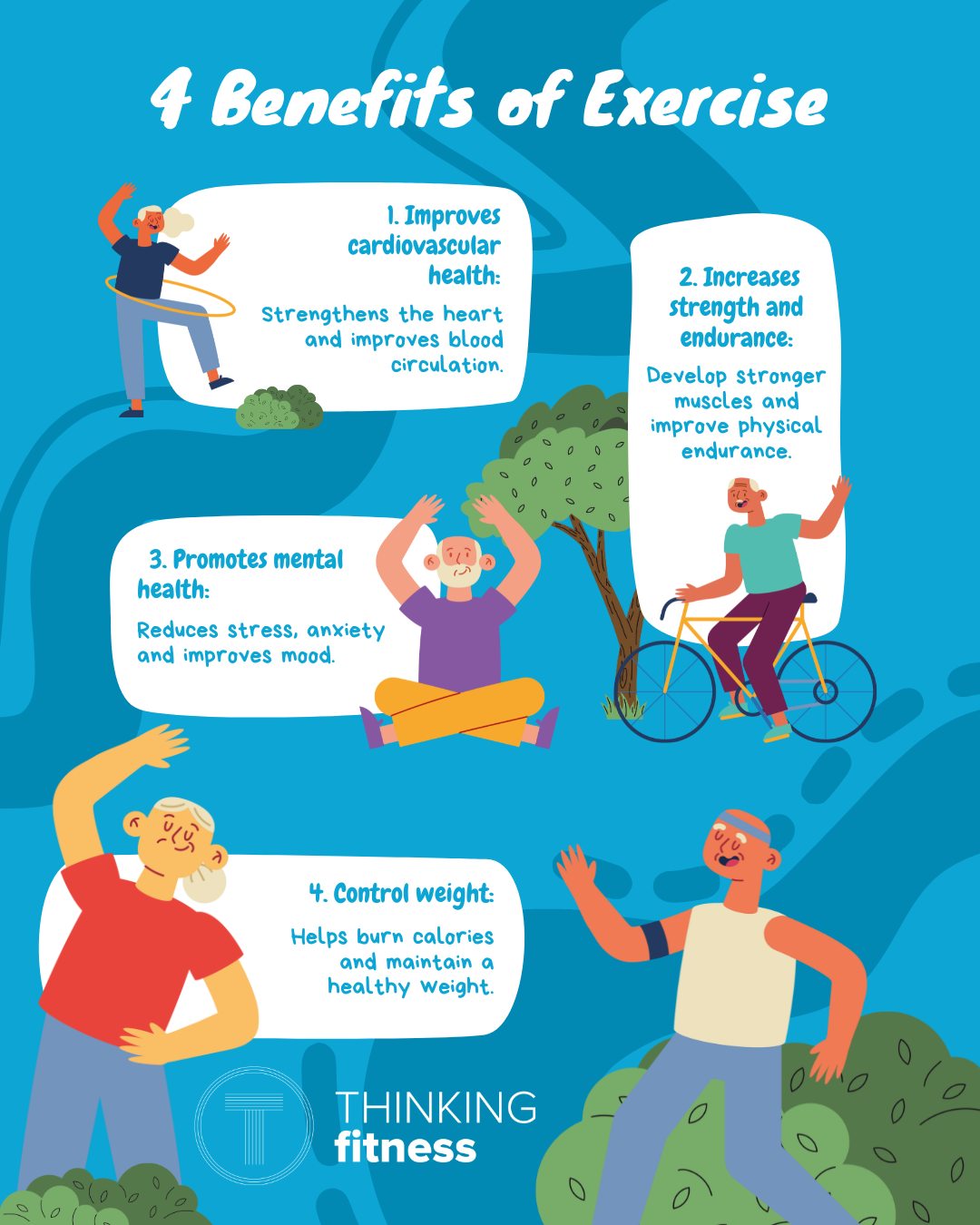
Building cardiovascular endurance boosts heart health, enhances stamina, and supports weight management. Regular exercise, like running or cycling, strengthens your heart and lungs. Consistent practice over time improves your body’s efficiency in using oxygen, making everyday activities easier.
Cardiovascular endurance is crucial for overall health. It helps your heart, lungs, and blood vessels work efficiently. Improving this endurance can lead to numerous health benefits that enhance your quality of life.Improved Heart Health
Regular cardio exercises strengthen your heart. A strong heart pumps blood efficiently, reducing heart disease risk. It also helps manage blood pressure and cholesterol levels.Enhanced Lung Capacity
Better cardiovascular endurance improves lung function. It increases the amount of oxygen your body can use. You’ll breathe easier during daily activities and exercise.Boosted Energy Levels
Cardiovascular exercises increase stamina. You feel less tired and can do more without exhaustion. This boost in energy makes everyday tasks easier.Weight Management
Cardio workouts burn calories effectively. They help maintain or lose weight. A healthy weight reduces the risk of various illnesses.Improved Mental Health
Exercise releases endorphins that uplift your mood. Regular cardio can reduce stress and anxiety. It promotes better sleep and overall mental well-being.Enhanced Immune System
Cardio strengthens your immune system. It helps your body fight off illnesses. Regular exercise can lead to fewer sick days.Increased Longevity
People with good cardiovascular endurance live longer. It reduces the risk of chronic diseases. A healthier heart and body contribute to a longer life.
Credit: www.heart.org
Setting Realistic Goals
Building cardiovascular endurance requires setting realistic goals. Start with short, manageable workouts and gradually increase time and intensity. Consistency is key to improve heart health and stamina.
Setting realistic goals is key for boosting cardiovascular endurance. Goals give direction. They help track progress. Start with achievable targets. This builds confidence and keeps you motivated.Understand Your Current Fitness Level
Before setting goals, assess your current fitness level. This helps create a baseline. Use simple tests like the walking or running test. Track your heart rate and time. Knowing where you stand guides your goal-setting process.Set Specific And Measurable Goals
Vague goals lead to confusion. Be specific. Instead of “improve endurance,” aim for “run 5 kilometers in 30 minutes.” Use numbers to measure progress. This makes tracking easier and keeps you focused.Create Short-term And Long-term Goals
Balance short-term and long-term goals. Short-term goals bring quick wins. Long-term goals keep you moving forward. For example, aim to increase running distance by 1 km each week. This builds towards a larger goal, like completing a marathon.Be Realistic About Timeframes
Set timeframes for your goals. But be realistic. Progress takes time. Avoid setting goals that are too ambitious. This prevents disappointment and burnout. A gradual approach leads to sustainable improvements.Adjust Goals Based On Progress
Monitor your progress regularly. Adjust goals if needed. If you reach a goal early, set a new one. If progress is slow, modify your approach. Flexibility ensures you stay on track without losing motivation.Choosing The Right Activities
Improving cardiovascular endurance requires selecting the right activities. Engaging in varied exercises helps maintain interest and ensures effective results. Each activity targets the heart and lungs differently, offering unique benefits and challenges. Explore different options to find what suits your goals and preferences.
Running And Jogging
Running and jogging are among the most accessible cardio activities. They improve heart health and burn calories effectively. Start with short distances and gradually increase your pace and duration. Listen to your body and adjust your routine as needed.
Cycling
Cycling offers a low-impact way to boost cardiovascular endurance. It strengthens leg muscles and enhances stamina. Choose outdoor cycling for fresh air or stationary bikes for convenience. Monitor your speed and resistance for a balanced workout.
Swimming
Swimming works nearly every muscle group and improves lung capacity. It offers a full-body workout without stressing joints. Incorporate various strokes to keep your routine dynamic. Swim regularly to build strength and endurance.
Rowing
Rowing provides a comprehensive cardio workout. It engages both upper and lower body muscles. Use a rowing machine to practice indoors. Focus on form and technique to maximize benefits. Gradually increase intensity for improved endurance.
High-intensity Interval Training (hiit)
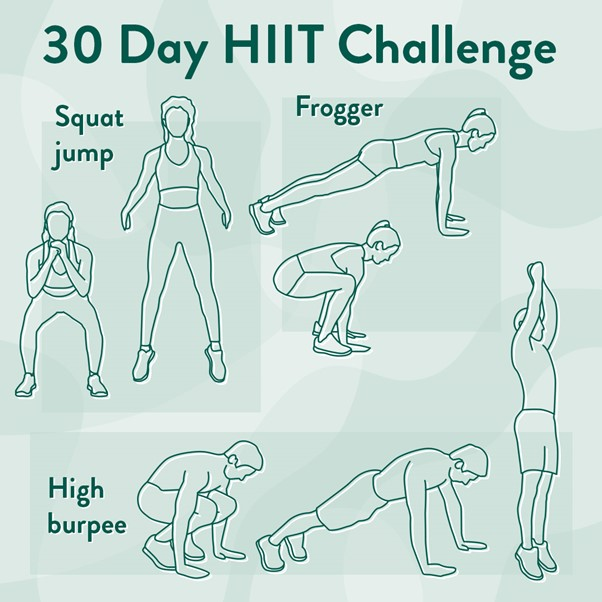
HIIT involves short bursts of intense exercise. It boosts heart rate and burns calories efficiently. Mix activities like sprints, jumps, and push-ups. Follow with brief rest periods for recovery. Tailor the routine to fit your fitness level.
Creating A Consistent Routine
Creating a consistent routine enhances cardiovascular endurance. Start with regular exercises like jogging, cycling, or swimming. Gradually increase intensity and duration to build stamina effectively.
Creating a Consistent Routine Building cardiovascular endurance requires a consistent routine. Regular exercise strengthens the heart, improves circulation, and boosts stamina. A consistent routine helps you make gradual progress while avoiding injury. Begin with activities that you enjoy. This ensures you stick with the routine long-term. Aim for a balance between effort and enjoyment. Gradually increase intensity to challenge your body.Frequency And Duration
Start with moderate exercises three times a week. Aim for 20 to 30 minutes per session. Gradually increase the frequency to five times weekly. Extend the duration to 45 minutes as your endurance improves. Listen to your body; rest when necessary. Consistency is key for lasting results.Progressive Overload
Progressive overload means gradually increasing workout intensity. Increase the pace or resistance over time. This encourages muscles to adapt and grow stronger. Monitor progress by tracking time or distance covered. Adjust the routine to challenge your body further. This helps prevent plateaus and maintains engagement.Incorporating Strength Training
Building cardiovascular endurance is not only about running or cycling. Incorporating strength training into your routine can greatly enhance your endurance levels. Strength training helps in boosting muscle power and stamina. This combination will lead to improved overall fitness and endurance.
Benefits Of Strength Training For Endurance
Strength training supports cardiovascular endurance in many ways. It increases muscle efficiency, allowing you to sustain activities longer. Stronger muscles mean better support for your joints, reducing injury risks. It also helps with better oxygen utilization during workouts. Enhanced muscular endurance leads to improved cardiovascular performance.
Balancing Cardio And Strength Workouts
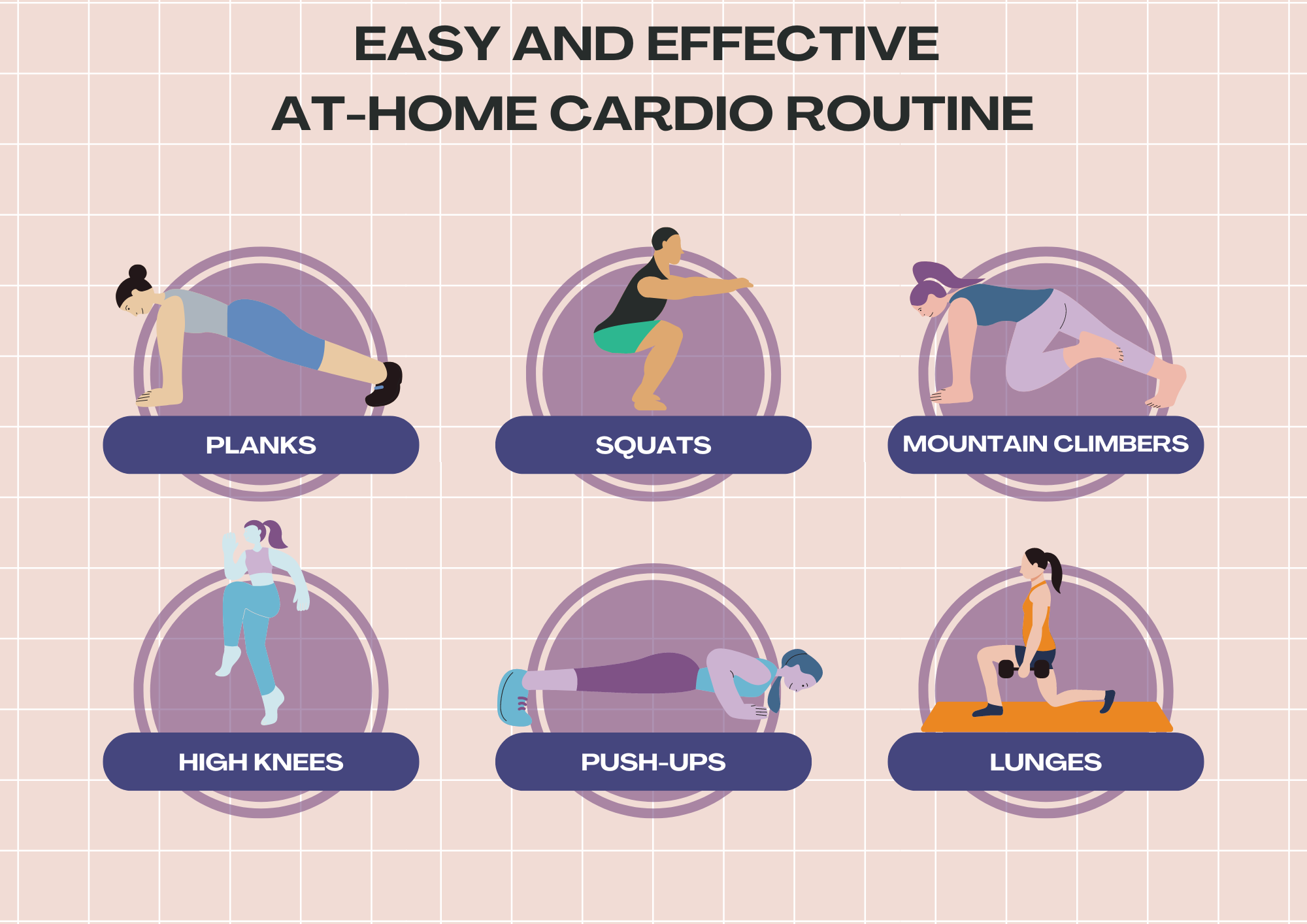
Finding the right balance between cardio and strength workouts is essential. Overtraining can lead to fatigue or injuries. Start with a weekly plan combining both elements. Alternate between cardio and strength days to maintain energy levels. Listen to your body and adjust the intensity as needed. This balance ensures effective endurance building while maintaining overall fitness.
Credit: myyogateacher.com
Monitoring Progress
Monitoring progress is vital in improving cardiovascular endurance. It helps to see where you are and where you need to go. Regular checks ensure your plan is working effectively. Observing changes over time can motivate you to push further.
Tracking Performance Metrics
Tracking metrics helps gauge your endurance level. Use a heart rate monitor during workouts. Record the time it takes to recover after exercise. Log the distance covered in each session. Note how you feel during and after workouts. Keep a journal for insights and patterns.
Adjusting Your Plan
Adjusting the plan ensures continuous improvement. Increase workout intensity gradually. Add variety to your exercises. Incorporate different cardio activities. Listen to your body for signs of fatigue. Consult with a fitness expert for personalized advice. Modify goals based on progress.
Nutrition And Hydration
Improving your cardiovascular endurance isn’t just about exercising regularly; nutrition and hydration play a crucial role too. What you eat and drink can significantly impact your stamina and overall performance. How can you make sure you’re giving your body the right fuel?
Fueling For Endurance
Your body needs energy to keep going during prolonged exercise, and carbohydrates are your primary fuel source. Think of them as the gasoline for your internal engine. Incorporate whole grains, fruits, and vegetables into your diet to provide the sustained energy needed for endurance activities.
Proteins are vital for muscle repair and growth. Include lean meats, eggs, and plant-based proteins like beans and lentils in your meals. Don’t forget healthy fats like avocados and nuts, which provide long-lasting energy and support cell function.
Consider timing your meals. Eating a balanced meal a few hours before exercise can optimize your performance. What happens if you skip this step?
Importance Of Hydration
Staying hydrated is essential for maintaining your stamina. Water regulates body temperature and lubricates joints, but did you know it also helps transport nutrients to cells, keeping you energized?
Aim to drink water regularly throughout the day, not just before or after workouts. Consider the use of sports drinks during longer sessions to replenish lost electrolytes. How does dehydration affect your performance?
Be mindful of your body’s signals. Dry mouth or dark urine are signs you need more fluids. Hydration can be the difference between a great workout and feeling exhausted. Are you listening to your body’s cues?
Rest And Recovery
Enhancing cardiovascular endurance involves balancing rest and recovery with regular aerobic exercises. Gradually increase workout intensity to boost heart health. Rest days allow muscles to repair, improving overall stamina.
Rest and recovery are crucial elements in building and improving your cardiovascular endurance. While many focus on the intensity and duration of workouts, the downtime is just as important. Giving your body time to heal and strengthen can lead to greater endurance and better performance. Without adequate rest, you risk injury and burnout. So how can you effectively integrate rest and recovery into your routine?Role Of Rest Days
Rest days are not a sign of weakness but a strategic tool in your training arsenal. They allow your muscles to repair, reducing the risk of overuse injuries. Consider scheduling at least one rest day per week to let your body recuperate. During these days, light activities such as walking or yoga can keep you active without putting stress on your cardiovascular system. Reflect on how you feel after a rest day—do you notice improved performance and energy levels in subsequent workouts?Recovery Techniques
Implementing specific recovery techniques can enhance the benefits of your rest days. Hydration and nutrition play pivotal roles; ensure you’re consuming enough water and balanced meals rich in protein and carbohydrates. Incorporate stretching or foam rolling to alleviate muscle tension and improve flexibility. Have you tried contrast baths or massages to speed up muscle recovery? Prioritize sleep as it is when your body does most of its healing. Aim for 7-9 hours of quality sleep per night and notice the difference in your cardiovascular endurance. Are you giving your body the rest it deserves?Staying Motivated
Building cardiovascular endurance requires dedication and consistency. Incorporate activities like running, cycling, or swimming into your routine. Gradually increase intensity and duration to challenge your body and improve stamina.
Staying motivated in your journey to improve cardiovascular endurance can be challenging, but it’s the key to long-term success. The thrill of starting something new often fades, leaving you to rely on your inner drive to keep going. Discovering strategies that keep you engaged and excited can transform your workout routine from a chore to a passion.Setting Milestones
Breaking down your ultimate goal into smaller, achievable milestones can make a significant difference. Imagine running your first 5K; instead of focusing on the end goal, set mini-targets like running a mile without stopping. Celebrate each milestone with something special, like a new workout playlist or a smoothie from your favorite café. Tracking your progress can boost your motivation. Use a fitness app or journal to record your achievements. Seeing your progress in black and white can be incredibly encouraging and make you eager to tackle the next challenge.Finding A Workout Buddy
Having someone to share your fitness journey with can be a game-changer. A workout buddy not only holds you accountable but also makes exercising more fun. Think about how much easier it is to push through a tough workout when you have someone cheering you on. Choose someone with similar fitness goals or interests. This way, you can motivate each other and perhaps even engage in a little friendly competition. If schedules don’t match, consider virtual check-ins to stay connected and motivated. Staying motivated is about finding what excites you and keeps your energy levels high. How do you plan to keep yourself inspired on your fitness journey?Common Mistakes To Avoid
Ignoring proper warm-ups can lead to injury. Overtraining without rest may cause burnout and fatigue. Focusing solely on long-distance running neglects diverse exercises that boost endurance.
Building cardiovascular endurance is an essential part of any fitness journey, but it’s easy to fall into common traps that can hinder your progress. Whether you’re a seasoned athlete or a beginner, avoiding these mistakes can make a significant difference in your performance and overall health. Let’s take a closer look at some pitfalls you should steer clear of on your path to better endurance.Overtraining
Pushing yourself too hard might seem like the quickest way to improve, but it can actually have the opposite effect. Overtraining can lead to fatigue, burnout, and even injuries, setting you back instead of moving you forward. It’s crucial to listen to your body and recognize when it needs rest. Consider the story of a friend who, in her eagerness to run a marathon, trained vigorously every day. She ended up with shin splints, forcing her to take weeks off from training. Wouldn’t it be wiser to balance intensity with rest?Neglecting Recovery
Recovery is just as important as the workout itself. Skipping rest days or not prioritizing recovery can lead to prolonged soreness and decreased performance. Your muscles need time to heal and strengthen after a workout. Incorporate active recovery like yoga or light walking into your routine. This not only aids in recovery but also keeps you engaged and motivated. Are you giving your body the time it needs to repair and grow stronger? By being mindful of these common mistakes, you can enhance your cardiovascular endurance more effectively and sustainably. Keep these tips in mind as you build your fitness routine and watch your endurance improve without unnecessary setbacks.Frequently Asked Questions
What Exercises Improve Cardiovascular Endurance?
Engage in activities like running, cycling, and swimming to boost cardiovascular endurance. Incorporating interval training can also be effective. Consistency is key, so aim for at least 150 minutes of moderate aerobic exercise weekly. Varying your routine helps maintain motivation and challenges your body, improving endurance over time.
How Often Should You Train For Endurance?
For optimal results, aim to train 3-5 times a week. This frequency allows your body to adapt and recover. Consistency is crucial for building endurance, so establish a routine. Balance intensity and rest to prevent burnout. Adjust based on your fitness level and goals.
Can Diet Affect Cardiovascular Endurance?
Yes, diet plays a vital role in endurance. Consuming a balanced diet with carbohydrates, proteins, and healthy fats supports energy levels. Hydration is equally important for optimal performance. Avoid processed foods and focus on whole foods for better results. Nutrient-rich meals enhance your stamina and recovery.
Why Is Warming Up Important Before Cardio?
Warming up prepares your body for intense activity, reducing injury risk. It increases blood flow to muscles and enhances flexibility. A proper warm-up improves performance and ensures a smoother workout transition. Spend at least 5-10 minutes on dynamic stretches or light cardio to get ready.
Conclusion
Building cardiovascular endurance takes time and effort. Start with small steps. Gradually increase exercise intensity. Mix different activities like running, swimming, or cycling. Stay consistent with your routine. Listen to your body to avoid injuries. Healthy eating supports your endurance goals.
Hydrate well before and after workouts. Rest is essential for recovery. Find motivation in tracking your progress. Celebrate small victories along the way. Remember, every step counts. A healthier heart means a happier life. Embrace the journey towards better endurance.
You can do it, one day at a time.