
Imagine running up a flight of stairs without losing your breath or participating in a weekend marathon and crossing the finish line with energy to spare. Sounds like a dream, right?
But what if I told you it’s within your reach? If you’ve ever wondered, “Does doing cardio build endurance? ” You’re not alone. Many people, just like you, are searching for the answer. You want to know if those hours spent on the treadmill or bike are truly worth it.
We’ll uncover the truth behind cardio workouts and their impact on your endurance. We’ll explore how incorporating cardio into your routine can transform your stamina and lead you toward achieving your fitness goals. Get ready to discover how a little sweat today can mean a lot more endurance tomorrow.

Credit: www.instagram.com
Cardio And Its Role In Fitness
Cardio workouts are essential in fitness routines. They improve heart health and burn calories. Many people wonder if cardio builds endurance. Let’s explore how cardio plays a vital role in fitness.
Understanding Cardio Exercises
Cardio involves activities that raise your heart rate. Examples are running, swimming, and cycling. These exercises require energy and stamina. They help improve cardiovascular health. Over time, cardio strengthens the heart and lungs.
How Cardio Boosts Endurance
Cardio increases endurance by training your heart. A stronger heart pumps blood efficiently. More oxygen reaches your muscles. This reduces fatigue during workouts. Your stamina improves with regular cardio sessions.
The Connection Between Cardio And Fitness Goals
Cardio aids weight loss and muscle toning. It also boosts mood and energy levels. Many athletes use cardio to enhance performance. Cardio is crucial for achieving fitness goals. Whether you want to lose weight or run a marathon, cardio is key.
Types Of Cardio For Building Endurance
- Running: Boosts speed and stamina.
- Swimming: Enhances lung capacity.
- Cycling: Improves leg strength.
- Jumping rope: Increases agility and coordination.
Integrating Cardio Into Your Workout Routine
Start with short sessions. Gradually increase duration and intensity. Mix different types of cardio exercises. Listen to your body and rest when needed. Consistency is key to building endurance.
Defining Endurance
Endurance is a term often tossed around in fitness circles, but what does it truly mean? At its core, endurance is the ability to sustain physical activity over extended periods. It’s not just about running marathons; it’s about the capacity to carry out daily activities without fatigue. Whether you’re cycling, swimming, or simply taking a brisk walk, endurance plays a pivotal role in how effectively you perform and recover.
Understanding Physical Endurance
Physical endurance refers to your body’s ability to maintain a consistent effort during prolonged exercise. It’s not limited to high-intensity workouts; even moderate activities require stamina. Think about climbing a flight of stairs or carrying groceries. If you find these tasks challenging, improving your endurance might be the solution.
Mental Endurance: The Overlooked Aspect
Mental endurance is just as crucial as physical stamina. It’s about the mindset to push through discomfort and keep going when your body wants to stop. Have you ever been in the middle of a workout and felt the urge to quit? Building mental endurance helps you overcome these moments, enabling you to reach your fitness goals.
The Role Of Cardiovascular Fitness
Cardio exercises are key to enhancing cardiovascular fitness, which directly impacts endurance. Activities like jogging, cycling, and swimming increase your heart rate and improve blood circulation. This leads to better oxygen delivery to muscles, enhancing your ability to perform longer and harder.
How Does Cardio Build Endurance?
Cardio workouts gradually condition your body to endure longer periods of physical activity. Start with short sessions and increase duration as you become more comfortable. As your endurance improves, you’ll notice everyday activities become easier, and you can tackle more strenuous tasks with confidence.
Practical Tips To Enhance Endurance
- Consistency is key. Regular cardio sessions build stamina over time.
- Mix it up. Incorporate different types of cardio to avoid monotony and engage various muscle groups.
- Listen to your body. Rest when needed to prevent burnout and injury.
How often do you challenge your endurance? Consider integrating cardio exercises into your routine to not only build physical stamina but also strengthen your mental resilience.
How Cardio Impacts Endurance
Cardio exercises enhance endurance by improving heart efficiency and lung capacity. Regular sessions boost stamina, allowing longer physical activity without fatigue.
Cardio exercises are often celebrated for their ability to build endurance. But how exactly does this happen? By engaging in regular cardio activities, you’re not just burning calories or losing weight. You’re fundamentally enhancing your body’s ability to perform sustained physical activity over time. Let’s dive into the specifics of how cardio impacts endurance.Aerobic Capacity Enhancement
Cardio workouts like running, cycling, or swimming boost your aerobic capacity. This means your body becomes more efficient at using oxygen. As your aerobic capacity increases, you can exercise longer without feeling as tired. For instance, you might notice that a run that once left you breathless now seems easier. This improvement allows you to push your limits and challenge yourself further.Muscle Adaptation
Cardio isn’t just about your heart and lungs—your muscles adapt too. Regular cardio leads to muscle fibers becoming more efficient at using energy. You’ll find that your muscles recover faster and can endure longer sessions. Imagine being able to cycle an extra mile without cramping up. Your muscles become more resilient, supporting your overall endurance goals.Cardiovascular Benefits
The heart is a muscle, and cardio exercises strengthen it. A strong heart pumps more blood with each beat, delivering oxygen and nutrients more efficiently. This increased efficiency supports prolonged physical activity. Have you ever noticed your resting heart rate decrease after weeks of consistent cardio? That’s your heart becoming more efficient, a clear sign of improved endurance. Consider how these elements work together to boost your endurance. How can you incorporate more cardio into your routine to maximize these benefits? Whether you’re training for a marathon or just want to climb stairs without gasping for breath, understanding the impact of cardio on endurance can guide your fitness journey.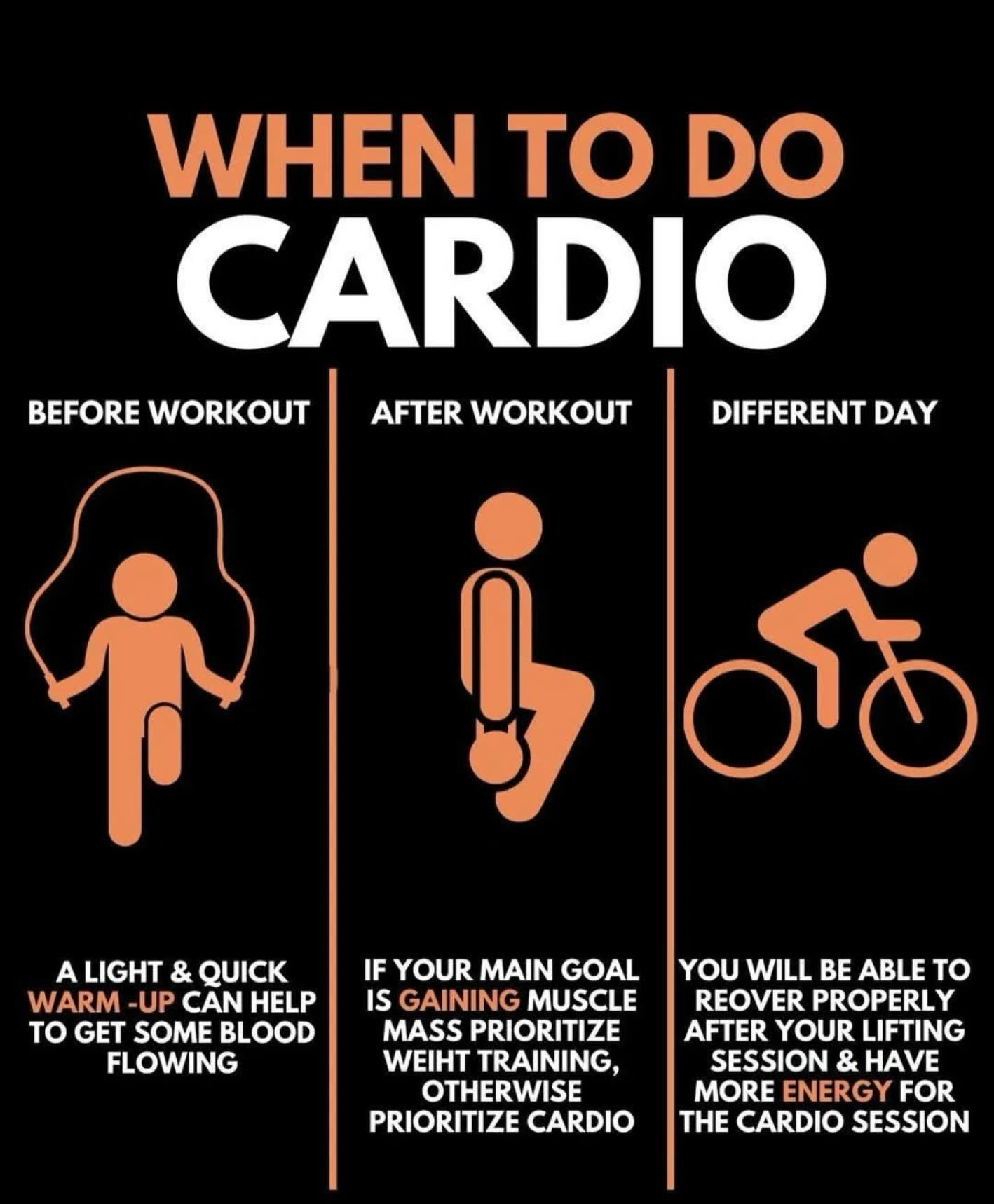
Credit: www.facebook.com
Types Of Cardio For Endurance
When aiming to build endurance, choosing the right type of cardio is essential. Different activities can enhance your stamina in unique ways, and knowing which works best for your body and goals can make all the difference. Let’s explore some popular cardio exercises that are great for boosting endurance.
Running And Jogging
Running and jogging are excellent ways to build endurance. They are accessible to everyone and can be done almost anywhere. Start with short distances and gradually increase your mileage as you feel more comfortable. You might find a scenic route that turns your workout into a pleasurable experience. What changes have you noticed in your stamina when you consistently run?
Cycling
Cycling is not only fun but also a powerful cardio workout for endurance. Whether you’re cycling outdoors or using a stationary bike indoors, it engages your leg muscles and improves cardiovascular health. You could consider joining a cycling group to make it a social activity. Have you ever felt the thrill of conquering a challenging hill on your bike?
Swimming
Swimming offers a full-body workout that builds endurance without putting stress on your joints. The resistance from water forces your muscles to work harder, increasing stamina over time. Consider mixing different strokes to target various muscle groups. How does the calming effect of water influence your endurance training?
Rowing
Rowing combines strength and cardio, making it an effective endurance builder. Whether on a machine or in a boat, it requires coordination and engages multiple muscle groups. You might set goals for distance or time to keep yourself motivated. What challenges have you faced in maintaining rhythm and endurance while rowing?
Cardio Vs Strength Training
Cardio exercises are excellent for building endurance by increasing heart rate and lung capacity. Running, cycling, and swimming boost stamina and improve overall cardiovascular health. Consistent cardio workouts enhance energy levels and endurance over time.
Cardio vs Strength Training Cardio and strength training each hold a unique place in your fitness journey. Both offer distinct benefits, shaping your body and health in different ways. Understanding their differences can help you make informed decisions about your workout routine.Comparison Of Benefits
Cardio exercises, like running and cycling, primarily enhance cardiovascular endurance. They boost your heart health and increase stamina, allowing you to perform physical activities for longer periods. On the other hand, strength training, such as weightlifting, builds muscle mass and improves overall strength, making daily tasks easier. Strength training also plays a vital role in maintaining bone density and boosting metabolism. While cardio burns calories during the activity, strength training continues to burn calories even after your workout. Have you ever noticed how energized you feel after a strength session?Balancing Both For Optimal Fitness
Combining cardio and strength training can lead to a well-rounded fitness routine. Balancing both helps you reap the benefits of endurance and muscle strength, leading to improved overall health. Consider alternating between cardio and strength sessions throughout the week. You might run on Mondays and lift weights on Wednesdays. This approach prevents workout monotony and keeps your body challenged. Think about how these exercises can fit into your lifestyle. Are you more inclined to take a brisk walk or pump some iron at the gym? Balancing both types can enhance your fitness level and keep you motivated.
Credit: www.instagram.com
Common Myths About Cardio
Cardio is often shrouded in myths that can mislead individuals about its true benefits and impact. Whether it’s misconceptions about weight loss or fears of overtraining, these myths can deter you from reaping the full rewards of cardiovascular exercise. Let’s debunk some common myths about cardio and help you make informed choices for building endurance.
Weight Loss Misconceptions
Many believe that cardio is the ultimate solution for weight loss, leading to the idea that endless hours of running will automatically shed pounds. While cardio does burn calories, relying solely on it can be ineffective. You might notice that despite consistent cardio sessions, the scale remains unchanged.
Weight loss involves more than just burning calories. It’s crucial to pair your cardio routine with a balanced diet. Consider the quality of your calories and how they’re being used by your body. Have you ever noticed feeling hungrier after a long cardio session? This can lead to consuming more calories than you burned.
Think about the type of cardio you choose. High-intensity interval training (HIIT) can be more effective for weight management than steady-state cardio. What works for your friend may not work for you; personalize your approach based on your body and goals.
Overtraining Concerns
Another myth is that more cardio equals better results. This belief can lead to overtraining, causing fatigue and decreased performance. The idea of “no pain, no gain” can push you to the brink, but does it truly benefit your endurance?
Overtraining can backfire, leading to injuries or burnout. Have you ever felt exhausted rather than energized after a workout? This could be a sign of overtraining. Listen to your body and give yourself time to recover.
Balance your cardio with rest and other forms of exercise. Incorporate strength training and flexibility workouts to complement your cardio. Are you giving your muscles the recovery they need to grow stronger and support your endurance goals?
Ultimately, cardio should be part of a well-rounded fitness routine. By understanding the myths and truths about cardio, you can tailor your workouts to effectively build endurance without falling into common traps.
Designing A Cardio Routine
Building endurance through cardio involves consistent effort and diverse exercises. Running, cycling, and swimming enhance stamina over time. Regular cardio strengthens heart and lungs, boosting endurance naturally.
Designing an effective cardio routine is crucial for building endurance. It involves balancing frequency, duration, intensity, and variety. Each element plays a key role in enhancing your stamina. A well-structured routine keeps your workouts engaging and effective.Frequency And Duration
Regular cardio sessions improve endurance over time. Aim for 3-5 workouts weekly. Each session should last between 30 to 60 minutes. This duration allows your body to adapt and build stamina. Consistent practice is essential for progress.Intensity Levels
Vary intensity to challenge your body. Start with moderate intensity and gradually increase. Include intervals of high intensity for better results. This approach enhances cardiovascular strength and endurance. Listen to your body to avoid overtraining.Incorporating Variety
Mix different cardio exercises to prevent boredom. Running, cycling, and swimming are great options. Try dance classes or hiking for a change. Diverse activities engage different muscle groups. They keep your routine exciting and effective.Signs Of Improved Endurance
Cardio exercises boost endurance significantly. Knowing how to spot improvement helps stay motivated. Recognizing signs of enhanced endurance can be rewarding.
As endurance improves, workouts become more enjoyable. You may notice several positive changes.
Increased Stamina
Stamina rises with regular cardio. Workouts feel easier and energy lasts longer. Tasks that once seemed hard become manageable.
Daily activities might also require less effort. Enjoy longer periods of activity without fatigue.
Faster Recovery
Recovery speed improves with endurance. Post-workout soreness reduces significantly. Muscles bounce back quicker.
Feel ready for the next workout sooner. Experience less overall discomfort after intense sessions.
Better Performance Metrics
Endurance boosts performance metrics. Notice improved speed and distance in running or cycling. Track your progress and see positive changes.
Heart rate might stabilize faster. Witness better efficiency in breathing and movement.
Frequently Asked Questions
How Does Cardio Improve Endurance?
Cardio exercises enhance heart and lung efficiency, increasing oxygen delivery to muscles. This boosts stamina, allowing you to exercise longer. Consistent cardio training strengthens the cardiovascular system. Over time, this leads to improved endurance and energy levels during physical activities.
What Cardio Exercises Build Endurance Best?
Running, cycling, and swimming are excellent for building endurance. These activities increase heart rate and improve cardiovascular health. High-intensity interval training (HIIT) is also effective. It combines short bursts of intense exercise with rest periods, enhancing stamina and endurance efficiently.
How Often Should I Do Cardio For Endurance?
For optimal endurance, engage in cardio exercises 3 to 5 times weekly. Each session should last 20 to 60 minutes. Consistency is key to building and maintaining endurance. Adjust the frequency and intensity based on fitness goals and personal capacity.
Does Cardio Help With Muscle Endurance?
Yes, cardio improves muscle endurance by enhancing oxygen delivery to muscles. It enables muscles to sustain activity longer without fatigue. Regular cardio strengthens the heart and lungs, supporting prolonged physical exertion. This contributes to overall muscular endurance and performance.
Conclusion
Cardio exercises boost endurance effectively. Running, cycling, or swimming build stamina. Regular practice enhances heart and lung function. You feel less tired during activities. Consistency is key for improvements. Try varying your cardio routines. Change pace and intensity. Challenge your body.
Listen to your limits and gradually increase effort. Balance cardio with strength workouts. This combination offers comprehensive fitness benefits. Cardio is essential for endurance. A healthier lifestyle awaits with commitment. Keep moving, stay active, and enjoy the journey to better endurance.