
Have you ever wondered why some people seem to breeze through a workout while others struggle to catch their breath? The secret lies in something called cardiorespiratory endurance.
It’s not just a fitness buzzword; it’s a crucial component of your overall health and well-being. Imagine feeling more energetic, improving your heart health, and even enhancing your mental clarity. Sounds appealing, right? Understanding what cardiorespiratory endurance means could be the key to unlocking these benefits for yourself.
We’ll dive into what cardiorespiratory endurance is, why it matters to you, and how you can improve it. Ready to discover how this vital aspect of fitness can transform your life? Keep reading to find out more.
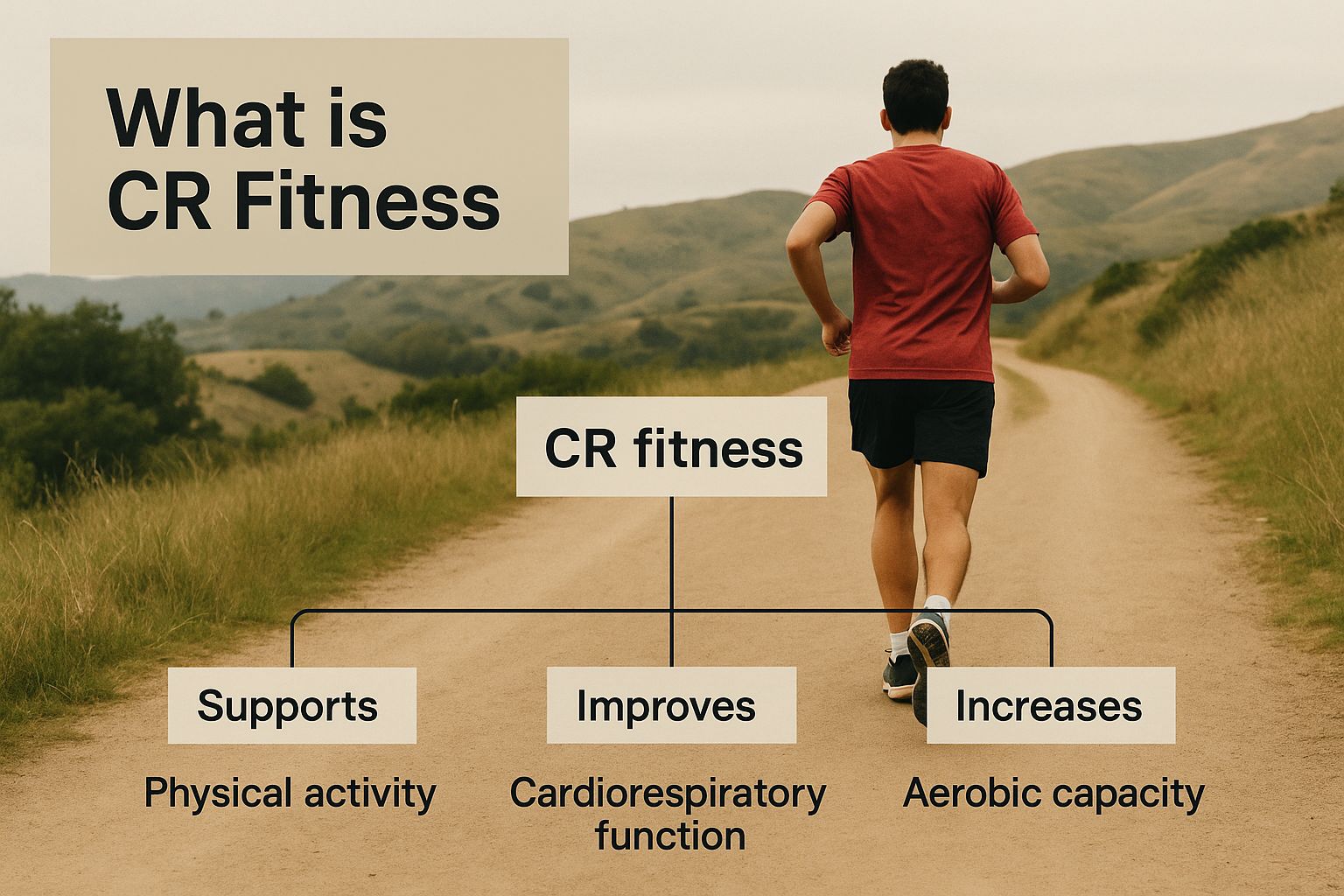
Credit: www.cartwrightfitness.co.uk
Cardio Respiratory Endurance Basics
Understanding the basics of cardio respiratory endurance is crucial for anyone looking to improve their fitness and overall health. This term refers to the ability of your heart and lungs to supply oxygen to your muscles during prolonged physical activity. Developing this endurance means you can perform activities like running, cycling, or swimming for longer periods without getting overly tired. Let’s dive into the core aspects that make up cardio respiratory endurance and how you can enhance it for better performance.
What Is Cardio Respiratory Endurance?
Cardio respiratory endurance is a measure of how well your body can sustain physical activity over time. It’s not just about stamina; it’s about how efficiently your heart, lungs, and muscles work together. When you improve your cardio respiratory endurance, you’re essentially training your body to make better use of oxygen, which is vital for energy production.
Why Is Cardio Respiratory Endurance Important?
Having good cardio respiratory endurance is key to maintaining a healthy lifestyle. It reduces the risk of heart disease, helps you manage weight, and boosts your mood by releasing endorphins. Imagine being able to climb stairs without feeling breathless or playing with your kids without getting tired quickly. These everyday activities become more enjoyable and less taxing with improved endurance.
How To Improve Your Cardio Respiratory Endurance
- Start Small:Begin with short workouts and gradually increase the duration. Consistency is more important than intensity at the start.
- Mix It Up:Incorporate various activities like jogging, cycling, and swimming to keep your workouts interesting and engage different muscle groups.
- Monitor Your Progress:Use a fitness tracker to keep an eye on your heart rate and endurance levels. Seeing improvements can be incredibly motivating.
Common Mistakes To Avoid
Are you pushing too hard too soon? This can lead to injury or burnout, making it difficult to stick to your routine. Remember, patience is key. Also, neglecting strength training can be a mistake. Stronger muscles support your cardio efforts and prevent fatigue.
Personal Experience: A Journey To Better Endurance
A few years ago, I could barely run a mile without feeling exhausted. I realized that improving my cardio respiratory endurance was not just about running more but running smarter. By adding varied workouts and being consistent, I was able to run a half-marathon comfortably. This taught me the importance of patience and the effectiveness of small, incremental improvements.
Final Thoughts: Is Cardio Respiratory Endurance Worth The Effort?
Think about the activities you enjoy. Whether it’s hiking, dancing, or playing sports, improved endurance will make those experiences richer and more fulfilling. What steps can you take today to start building your endurance and enhance your quality of life?
Components Of Cardio Respiratory Endurance
Cardio respiratory endurance means the ability of the heart and lungs to supply oxygen during exercise. It involves heart strength, lung capacity, and muscle efficiency. These components work together to improve stamina and overall fitness.
Cardio respiratory endurance is key for a healthy lifestyle. It involves how well your heart, lungs, and muscles work together. These components help you sustain physical activity over time. Understanding each part can improve your endurance and overall health. Let’s dive into each element.Heart Function
The heart is the body’s engine. It pumps blood to deliver oxygen and nutrients. A strong heart works more efficiently. It beats fewer times while pushing more blood with each pump. Regular exercise strengthens the heart. This helps in maintaining a stable and efficient rhythm.Lung Capacity
Lungs are vital for endurance. They take in oxygen and expel carbon dioxide. Greater lung capacity means more oxygen for the body. Exercise enhances lung capacity. This allows you to breathe deeper and more efficiently. Good breathing techniques support physical activities.Oxygen Utilization
Oxygen utilization is crucial for endurance. Muscles use oxygen to produce energy. This energy powers physical tasks. Efficient oxygen use reduces fatigue. Training improves how muscles absorb and use oxygen. This leads to better performance and stamina. Understanding these components is important. They work together to boost endurance. Enhance each element for a healthier you.Importance For Overall Health
Cardio respiratory endurance is more than just a fancy term tossed around in fitness circles. It’s a cornerstone of overall health that affects how well your heart and lungs function and how much energy you have throughout the day. Think of it as the engine behind your daily activities, whether you’re climbing stairs or running a marathon. Let’s delve into why it’s crucial for your health.
Improved Heart Health
Your heart is like a pump, working tirelessly to circulate blood throughout your body. Strong cardio respiratory endurance ensures this pump operates efficiently. Regular cardiovascular exercise strengthens your heart muscle, reducing the risk of heart disease. Imagine having a heart that beats with the strength of an athlete, lowering your blood pressure and improving cholesterol levels.
Enhanced Lung Efficiency
Ever felt out of breath after climbing a few flights of stairs? Enhanced lung efficiency can change that experience. With better cardio respiratory endurance, your lungs become adept at taking in oxygen and expelling carbon dioxide. This means more oxygen reaches your bloodstream, fueling your body for longer periods without fatigue. Picture yourself breathing easy, even during intense physical activities.
Increased Energy Levels
Cardio respiratory endurance has a direct impact on your energy levels. When your heart and lungs are operating at peak efficiency, your body’s cells receive more oxygen, leading to higher energy production. This translates into feeling more awake and alert throughout the day. Have you ever wished for a natural energy boost? Improving your cardio respiratory endurance could be the key.
Are you ready to give your heart and lungs the workout they deserve? Consider simple steps like brisk walking, cycling, or swimming to bolster your endurance. By making small changes, you can reap significant health benefits, leaving you feeling more energized and ready to tackle life’s challenges.
:max_bytes(150000):strip_icc()/VWH-GettyImages-1470956177-0d9b403934b24d6ca2f31e10176c615e.jpg)
Credit: www.verywellhealth.com
Assessing Cardio Respiratory Endurance
Assessing cardio respiratory endurance is crucial for understanding fitness levels. It helps gauge how well the heart, lungs, and muscles work together during exercise. There are several methods to assess this endurance. Each method provides unique insights into cardiovascular health.
Vo2 Max Testing
VO2 Max testing measures the maximum amount of oxygen the body can use. It’s considered the gold standard for assessing cardio respiratory endurance. During the test, individuals wear a mask while exercising on a treadmill or bike. The test tracks oxygen intake and carbon dioxide output. Results show how efficiently the body uses oxygen during intense exercise.
Treadmill Stress Test
The treadmill stress test evaluates heart function under physical stress. It involves walking or running on a treadmill with increasing intensity. Heart rate, blood pressure, and breathing are closely monitored. Doctors analyze the data to assess heart health and endurance capabilities.
Field Tests
Field tests are practical for assessing endurance without specialized equipment. Common tests include the Cooper 12-minute run or the beep test. These tests measure how far one can run in a set time. They offer a simple way to gauge cardio respiratory endurance in real-world settings.
Training To Improve Endurance
Cardio respiratory endurance is vital for overall health and fitness. Improving it not only boosts your stamina but also enhances your heart and lung function. Embarking on a journey to boost your endurance might seem daunting, but with the right approach, it can become an enjoyable part of your routine. Let’s explore how you can effectively train to enhance your cardio respiratory endurance.
Aerobic Exercises
Aerobic exercises are the cornerstone of improving endurance. Activities like running, cycling, and swimming increase your heart rate, helping you to build stamina over time. You might start with a brisk walk or a light jog. Gradually, as your endurance improves, you can increase the duration and intensity of your workouts. Remember, the key is to keep your heart rate elevated for extended periods.
Have you ever noticed how a simple activity like walking up stairs becomes easier with practice? That’s your endurance improving. Engage in regular aerobic exercises and witness your stamina soar.
Interval Training
Interval training is a powerful tool for boosting endurance. It involves alternating between short bursts of intense activity and longer periods of moderate exercise. This approach challenges your body, forcing it to adapt and grow stronger.
Think of it as a series of mini challenges. Push yourself hard for a minute, then recover for two. This dynamic method not only keeps workouts exciting but also maximizes endurance gains. Consider trying a mix of sprinting and jogging to see noticeable improvements.
Consistency And Progression
Consistency is crucial in any fitness journey. Regular workouts ensure steady progress in building endurance. Set a schedule and stick to it, but remember, it’s not just about consistency; it’s also about progression.
Gradually increase the intensity, duration, or frequency of your workouts. If you jog for 20 minutes today, aim for 25 minutes next week. Small, incremental changes lead to substantial improvements over time. How will you ensure your training evolves as you do?
Incorporating these strategies into your routine will pave the way for enhanced cardio respiratory endurance. Embrace the process, and let your stamina flourish.
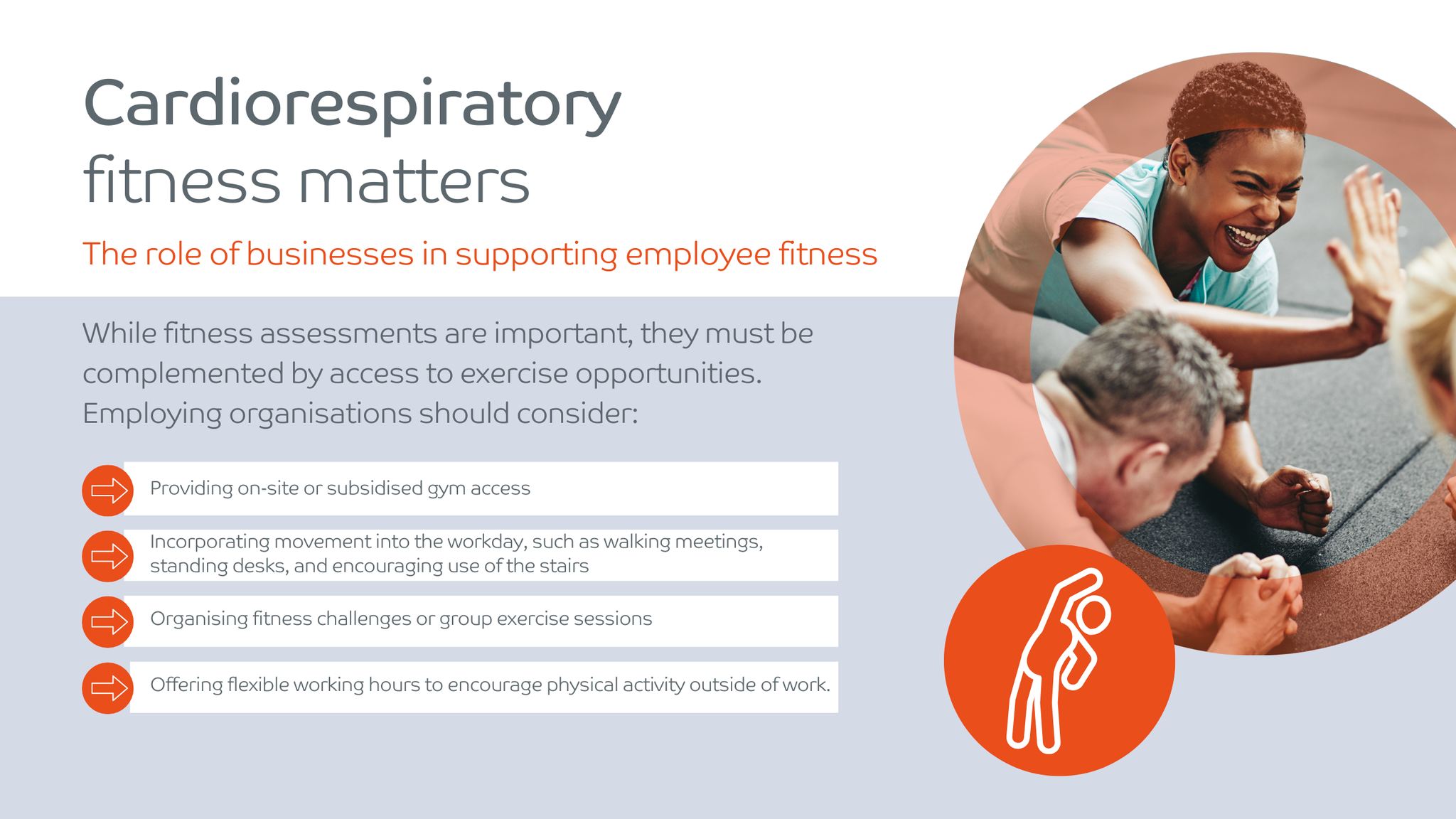
Credit: www.facebook.com
Common Misconceptions
Common misconceptions about cardiorespiratory endurance can cloud understanding. Many people confuse this with other fitness aspects. It’s important to clarify these misunderstandings for better health outcomes.
Cardio Vs. Strength Training
Some think cardio and strength are the same. They’re not. Cardio focuses on heart and lung efficiency. It includes activities like running and cycling. Strength training builds muscle power. It involves lifting weights and resistance exercises. Both have unique benefits. Mixing them enhances overall fitness.
Endurance And Weight Loss
People often link endurance solely to weight loss. This is misleading. Cardiorespiratory endurance improves stamina and heart health. It helps burn calories, but it’s not the only weight loss factor. Diet and strength training also play roles. Balance is key for effective weight management.
Tips For Beginners
Cardio respiratory endurance is the ability of your heart and lungs to support prolonged physical activity. It helps your body efficiently use oxygen during exercise. Improving this endurance boosts overall health and stamina.
Embarking on a journey to improve your cardio respiratory endurance can be both exciting and overwhelming, especially if you’re a beginner. The key is to ease into it with thoughtful strategies that support your growth without causing burnout. Below, you’ll find some practical tips to help you start on the right foot and maintain momentum.Setting Realistic Goals
Begin by setting achievable goals that align with your current fitness level. If you’re new to exercise, start with short, manageable sessions like 10-15 minutes of brisk walking. Gradually increase the duration and intensity as your endurance improves. Celebrate small victories to keep yourself motivated. Remember, progress is personal, and comparing yourself to others can hinder your journey. What small steps can you take today to make a big difference tomorrow?Listening To Your Body
Pay close attention to how your body responds during and after exercise. Feeling out of breath or experiencing muscle soreness is normal, but sharp pain or dizziness is a red flag. It’s crucial to differentiate between discomfort and pain to prevent injuries. Rest is as important as exercise. Make sure to include rest days in your routine to allow your body to recover. How well do you listen to your body’s signals?Staying Motivated
Finding motivation can be tough, especially on days when you feel less energetic. Consider working out with a friend or joining a group class to make exercise more enjoyable. Tracking your progress with a fitness app or journal can also boost your motivation. Variety is the spice of life—switch up your routine to keep things interesting. Have you tried different activities like cycling, swimming, or dance classes? They can be great ways to improve your endurance while having fun.Role In Athletic Performance
Cardio respiratory endurance is a vital component of athletic performance, often overlooked but essential. It refers to the ability of your heart and lungs to supply oxygen efficiently during prolonged physical activity. Improving this aspect can have a profound impact on your overall athletic success. Whether you’re sprinting on the track or cycling through rugged terrains, enhanced cardio respiratory endurance can make a noticeable difference.
Endurance Sports
In endurance sports, cardio respiratory endurance is the backbone of performance. Consider long-distance running or swimming; these activities demand sustained energy and oxygen supply. Improving your endurance allows you to maintain a higher pace for longer periods. You might notice how experienced marathon runners seem to glide effortlessly while maintaining their speed. That’s the magic of cardio respiratory endurance.
Try incorporating interval training into your routine. It challenges your heart and lungs to adapt to various intensities, enhancing endurance. You may find yourself pacing through the last miles of a marathon with newfound vigor.
Cross-training Benefits
Cross-training introduces diverse exercises that enhance cardio respiratory endurance. Think about mixing cycling with running or swimming with rowing. Each activity targets different muscle groups, promoting comprehensive fitness. Have you ever tried alternating between swimming and biking? You’ll notice an improvement in your stamina across multiple sports.
Cross-training not only builds endurance but also prevents injury by reducing repetitive strain on specific muscles. It keeps your workout routine fresh and exciting, encouraging consistent effort. Consider adding yoga or Pilates for flexibility and breath control, complementing your cardio workouts and boosting endurance.
What changes could you make in your routine to enhance your endurance and elevate your athletic performance? The path to improvement is often simpler than we think. Embrace variety and challenge your body in new ways.
Frequently Asked Questions
What Is Cardio Respiratory Endurance?
Cardio respiratory endurance is the ability of your heart, lungs, and muscles to sustain physical activity over a period. It reflects how efficiently your body uses oxygen during exercise. Improving this endurance enhances overall fitness, helping you perform daily tasks with ease and reducing fatigue.
How To Improve Cardio Respiratory Endurance?
Improving cardio respiratory endurance involves regular aerobic exercises like running, cycling, or swimming. Consistent training increases your heart’s efficiency and lung capacity. Start with short sessions and gradually increase intensity and duration. Balanced nutrition and proper hydration also play crucial roles in enhancing endurance levels.
Why Is Cardio Respiratory Endurance Important?
Cardio respiratory endurance is vital for maintaining heart health and efficient oxygen transport. It boosts energy levels, supports weight management, and enhances mental well-being. It also reduces the risk of chronic diseases like hypertension and diabetes. Good endurance improves overall physical performance and daily life activities.
What Exercises Boost Cardio Respiratory Endurance?
Exercises that boost cardio respiratory endurance include running, cycling, swimming, and brisk walking. These activities enhance heart and lung function, improving oxygen usage. Consistent practice increases stamina and energy levels, aiding in better performance. Incorporate interval training for faster results and improved endurance.
Conclusion
Cardio respiratory endurance is key for a healthy heart and lungs. It boosts stamina, helping you stay active longer. Regular exercise strengthens this endurance over time. Walking, jogging, or cycling can improve it. A balanced diet also supports your cardio health.
Listen to your body, and rest when needed. Start small and gradually increase your activity level. Consistency is crucial for improvement. Enjoy the process, and celebrate small wins. Remember, each step counts towards better health. Prioritize your cardio fitness, and enjoy its benefits.
Stay motivated and keep moving forward.